#recovery-facility
#recovery-facility
[ follow ]
#mental-health #addiction #addiction-treatment #recovery #trauma #education #homelessness #eating-disorders #therapy
fromPsychology Today
3 days agoHow to Be Methodical
Being methodical usually involves creating a process that you trust will eventually lead to an acceptable result, and then committing to executing it over and over. This reduces a lot of mental load, and helps when you don't know exactly how long something will take or how many attempts you'll need to make.
Productivity
fromABC7 San Francisco
5 days agoNew location proposed for controversial San Mateo County drug treatment facility
The Burlingame property, which previously housed a treatment facility, is already configured for services, allowing for a quicker opening compared to the El Camino Real site.
Mission District
fromLGBTQ Nation
4 days agoClassmates subjected a young teen to "relentless" homophobic bullying. Then tragedy struck. - LGBTQ Nation
Leyton's mother stated, 'None of the boys in that school accepted him. They told him they would never accept him for the way he spoke. He was a sassy speaker, more feminine - not the 'hard boy' type. This wasn't going on for just a little while.'
LGBT

fromwww.theguardian.com
3 weeks agoCalifornia's new war on drugs': thousands arrested, few get treatment, data shows
Proposition 36, a state ballot measure, enacted harsher penalties for minor theft and drug offenses, with proponents pledging the crackdown would lead to mass treatment to keep people alive, out of jail, and off our streets. Case records, however, suggest the state is largely failing to meet the central goal of getting people help and instead conducting mass arrests and incarcerating more people with addiction.
California
Brooklyn
fromwww.theguardian.com
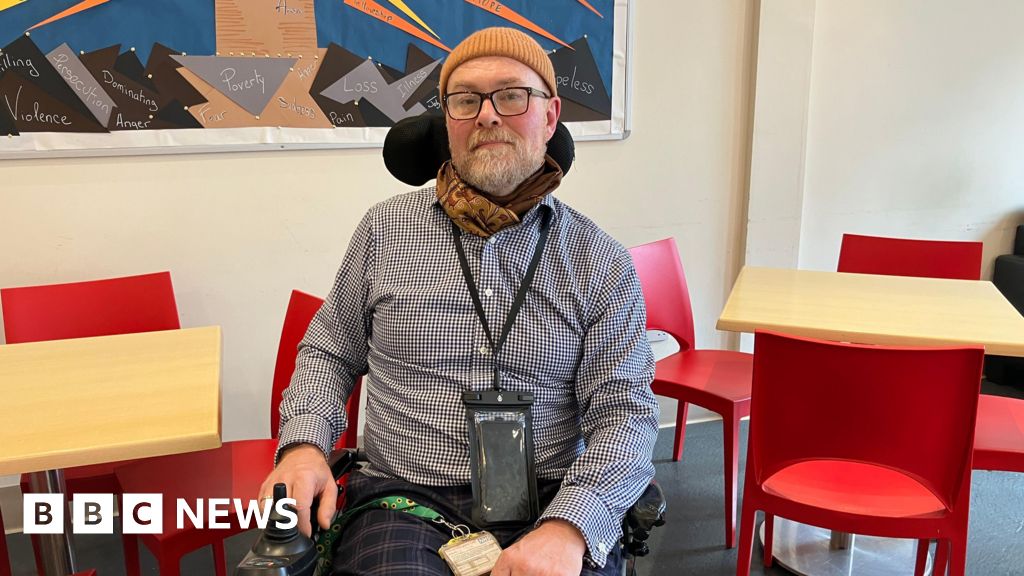
3 weeks agoI help people with psychosis off the streets. Sometimes, their minds won't let them leave
Mental health chaplains work with homeless individuals experiencing serious mental illness, navigating the complex intersection of psychiatric symptoms, delusions, and housing instability while maintaining compassion and patience.
Psychology
fromSilicon Canals
1 week agoNot everyone who avoids asking for help is proud. Some of them asked once, received it with a lecture attached, and learned that the cost of support was a small erosion of standing they could never quite earn back. - Silicon Canals
Asking for help can lead to unintended consequences that affect relationships and self-perception.
Cocktails
fromFast Company
1 month agoIn recovery? Here's how to handle social drinking situations in the workplace
Professionals in recovery from alcohol addiction can maintain sobriety in workplace drinking cultures by setting boundaries, avoiding overexplanation, and recognizing that colleagues care less about abstinence than feared.


fromwww.npr.org
2 months agoFor those with addiction, going into and coming out of prison can be a minefield.
The Alaska Department of Corrections does not provide comprehensive access to this life saving medication. "I'm gonna give you a little pinch," Spencer said, sliding the needle into a fold of skin on the patient's belly for the subcutaneous injection. Alaska's not an outlier. Despite the fact that those recently released from incarceration are some of the most vulnerable to dying from drug overdose, addiction experts say that many jails and prisons around the country don't provide medication treatment.
Public health
fromwww.amny.com
2 months agoOp-Ed | Do rehabilitation programs in prison help, both legally and personally? amNewYork
RDAP is a voluntary program that lasts between nine and 12 months (ordinarily, it requires roughly 38 weeks to complete in five-day workweeks, three-hour-a-day segments). The 500-hour program strives to educate inmates on the dangers of addiction. Most importantly, relapse prevention is stressed with the goal of helping inmates during post-release stay clean and sober to avoid reoffending. Congress appropriates more than $100 million annually for RDAP.
Public health
fromPsychology Today
1 month agoWhy Addiction Treatment Keeps Failing
For decades, addiction treatment in the United States has relied on a familiar explanation when people relapse: recovery is hard, addiction is chronic and setbacks are part of the process. That narrative is often delivered with compassion, but it can obscure a more troubling reality. Many treatment failures are not personal shortcomings. They are predictable outcomes of how recovery is currently designed.
Mental health
fromSocial Media Explorer
1 month agoDo Mental Health Retreats Allow Social Media Access? - Social Media Explorer
The question of whether mental health retreats allow social media access does not have a universal answer. Different facilities approach digital connectivity in varying ways, reflecting their treatment philosophies and therapeutic goals. Most mental health retreats limit or completely restrict social media use during the initial phases of treatment, though specific policies can range from total digital detox to supervised access at designated times.
Mental health
Mental health
fromSlate Magazine
1 month agoI Quit Drinking Years Ago, All Thanks to One Approach. I'm Afraid of What People Will Think.
AA can produce profound positive change while sharing superficial features with cults; emphasize voluntary, therapeutic, and noncoercive aspects when explaining benefits.
fromSan Jose Spotlight
2 months agoShuttered South Bay mental health program charts new course - San Jose Spotlight
Childs has teamed up with her longtime collaborator, Sue Cronin, who formerly worked as a program director for the center, to launch Footsteps Forward, a nonprofit organization. The goal is to fill the considerable gap left behind by the closure of the Centre for Living with Dying, which helped roughly 1.5 million people navigate grief and trauma over its 50-year run, according to Childs.
Mental health
Mental health
fromInside Higher Ed | Higher Education News, Events and Jobs
2 months agoStudents Trust Mental Health Services-but Few Use Them
Most college students trust campus counseling but largely avoid using on-campus mental health services due to stigma, accessibility limits, and preference for off-campus care.
[ Load more ]