#retro-gaming
#retro-gaming
[ follow ]
#video-games #nostalgia #game-development #gaming #indie-games #speedrunning #anbernic #handheld-console #emulation
fromEngadget
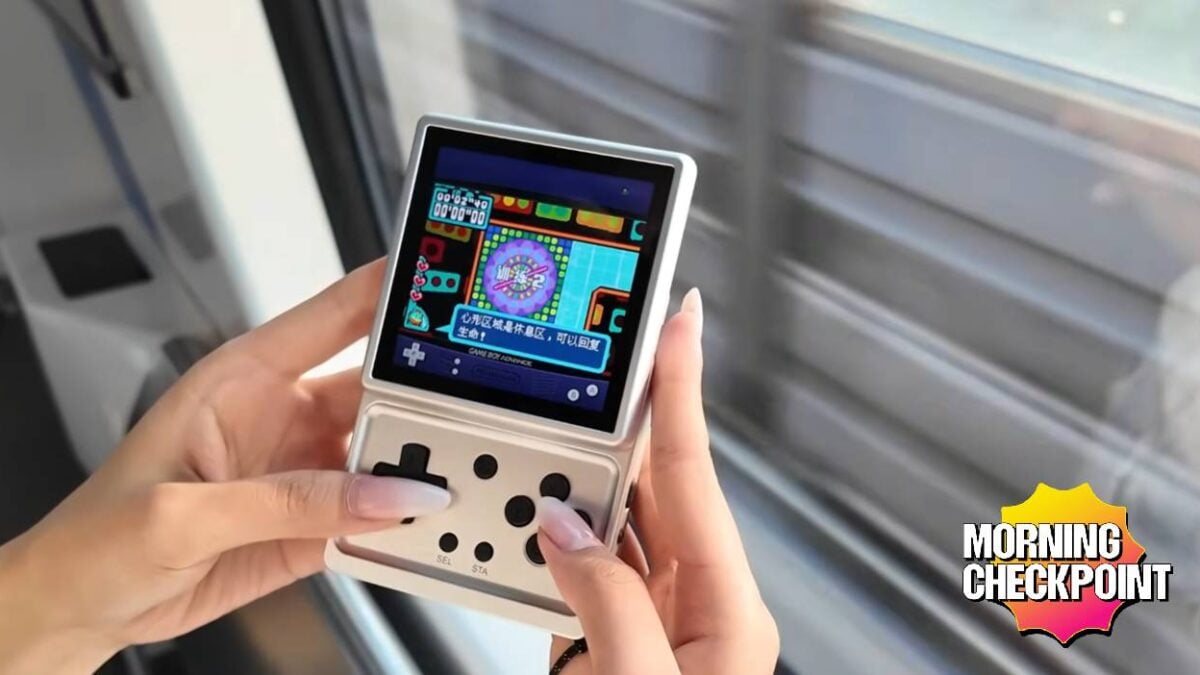
5 days agoRetro handheld maker Anbernic's latest device has a swiveling display
The RG Rotate will run on Android, feature an aluminum alloy frame and come in Polar Black and Aurora Silver. Anbernic's video detailed that the handheld will have a 'proprietary ultra-thin alloy hinge' that went through 'high-durability testing.'
Wearables

fromThe Verge
4 days agoAnbernic's new handheld is a pocket-friendly Android device with a swiveling screen
The handheld's screen swivels using a 'self-developed ultra-thin alloy hinge built for lasting durability.' Even companies like Nintendo sometimes struggle with keeping moving parts durable on their devices, so hopefully Anbernic has come up with a hinge design that will last.
Wearables


#evercade
Video games
fromYanko Design - Modern Industrial Design News
2 weeks agoEvercade Nexus upgrades retro gaming with widescreen play and refreshed modern controls - Yanko Design
Evercade Nexus modernizes retro gaming with enhanced hardware, a wider screen, and improved controls while preserving classic gaming experiences.
Gadgets
fromYanko Design - Modern Industrial Design News
3 weeks ago8BitDo Retro R8 C64 Edition mouse fuses Commodore 64 nostalgia with modern gaming performance - Yanko Design
8BitDo's Retro R8 C64 Edition mouse combines nostalgic design with modern gaming features, appealing to retro gaming enthusiasts.
fromEngadget
1 week agoDevils on the Moon brings the score-chasing of pinball to the Playdate
"I think one of my most-played games is Pokemon Pinball, but the idea to make a pinball game came from Mario... he came to me and say 'JP, I want to make a custom engine for Playdate and we should make a pinball game.'"
Games
fromYanko Design - Modern Industrial Design News
1 month agoGameMT EX8 debuts as a budget Android handheld tailored for retro gaming - Yanko Design
The handheld features a 4.88-inch display with a resolution of 1080 × 1620 pixels and a 3:2 aspect ratio. This format is particularly appealing for retro gaming because it better accommodates older console titles that do not match modern widescreen displays. The panel is also noticeably sharper than the screen used in some competing handhelds, such as the Ayaneo Pocket Micro, which uses a smaller 3.5-inch display with a lower resolution.
Gadgets
fromKotaku
2 weeks agoDonkey Kong Country Cart Shows Up On Antiques Roadshow
As you can see, this cartridge has Hollywood Video stickers on it. Which is interesting. And I wasn't able to find any record of the competitions being done at Hollywood Video. The 1995 competition was a Blockbuster competition. A major competitor, or the major competitor of Hollywood Video.
Games
Photography
fromdesignyoutrust.com
2 months agoArtist Creates Nostalgic Pixel Tributes That Capture Gaming's Golden Age
A wide-ranging showcase of visual creativity, highlighting photography, illustration, sculpture, design, and inventive art projects from global contemporary artists and cultural oddities.
#retro-gaming-handhelds
Gadgets
fromYanko Design - Modern Industrial Design News
1 month ago7 Retro Handhelds So Good They Actually Beat Consoles - Yanko Design
Retro gaming handhelds have surged 400% in search interest, driven by consumers seeking simpler, portable alternatives to modern gaming's complexity and heavy installations.
Gadgets
fromYanko Design - Modern Industrial Design News
1 month ago5 Best Retro Handhelds That Play PS1 Classics for Under $130 - Yanko Design
Affordable pocket-sized emulation handhelds costing under $130 offer access to decades of retro gaming libraries, with search interest growing 173% year-over-year as gamers seek alternatives to expensive new consoles and rotating subscription services.

fromKotaku
1 month agoMeet The Guy Who's Saving Doom On The SNES
I had this idea, let's go out to a store and buy the cartridges, buy three or four of them. And indeed, despite Linden's technical wizardry, even he couldn't do anything about the underpowered hardware, and, as anyone who's played it can tell you, while the sheer existence of Doom on the SNES may be magical, playing it is anything but.
Video games
Gadgets
fromYanko Design - Modern Industrial Design News
1 month agoHyperMegaTech Super Pocket Rare Edition brings cartridge-ready retro gaming back to your pocket - Yanko Design
The HyperMegaTech Super Pocket Rare Edition brings curated retro gaming to a portable device with pre-installed Rare titles, combining nostalgic design with modern convenience features.
Video games
fromKotaku
1 month agoI Miss When Multiplayer Games Weren't Changing All The Time - Kotaku
A patch increasing gunshot volume in Marathon created a more aggressive multiplayer environment, prompting nostalgia for older games that remained static after release rather than undergoing constant balance changes.

fromwww.theguardian.com
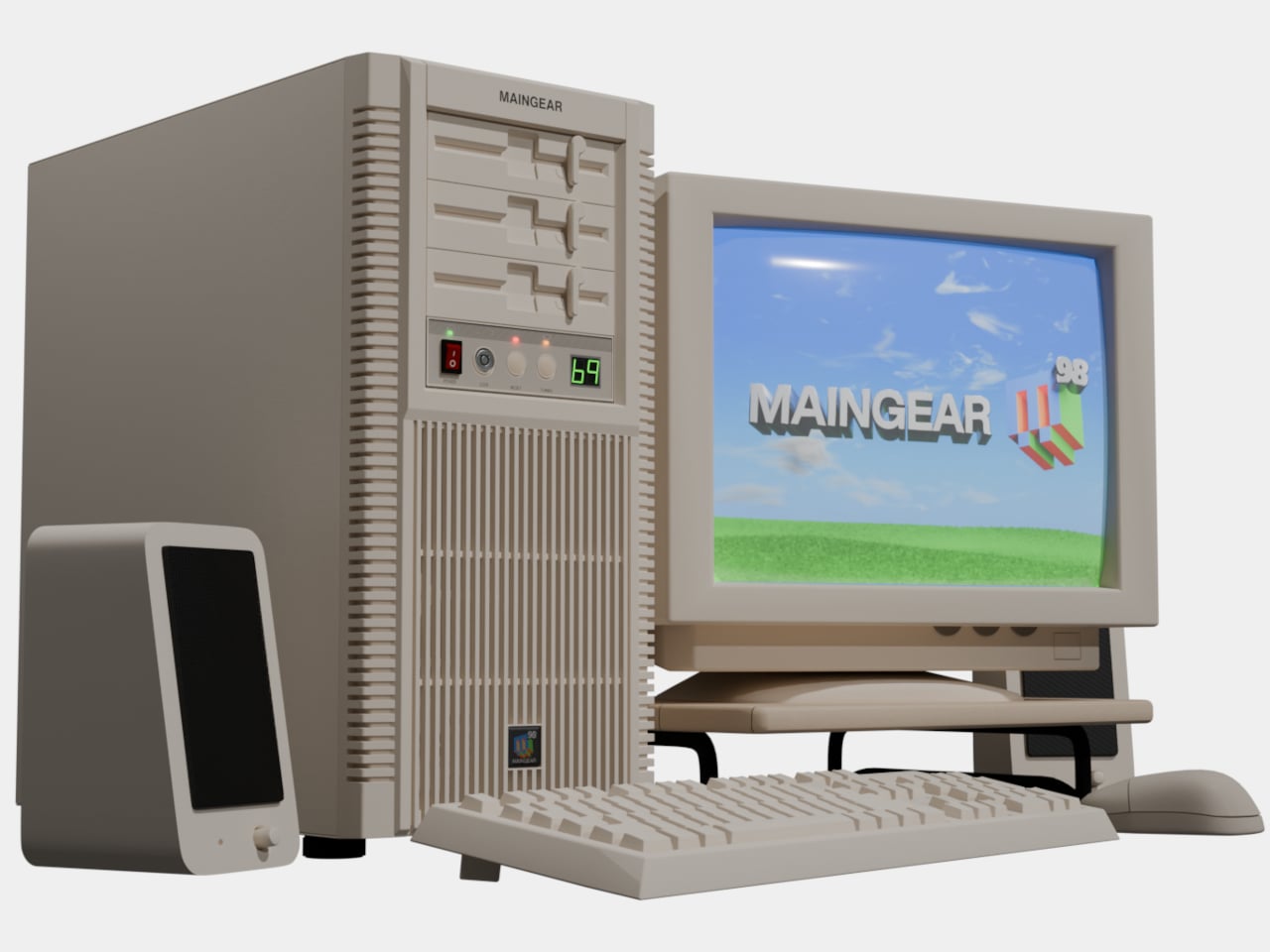
1 month agoWith its fluorescent characters and ASCII text, Marathon is a masterclass in 90s nostalgia
It's now an online sci-fi extraction shooter in which players beam down to the planet Tau Ceti IV to scavenge for loot, carry out missions and potentially blast each other in the process. Its closest rival is Arc Raiders, which makes a similar use of stylised retro-futurism.
Video games
fromWIRED
1 month agoThis Gadget Lets You Play Game Boy Games on a Laptop-If You Have the Cartridge
The Game Boy family of handheld consoles was groundbreaking, making gaming more accessible to millions worldwide. Nintendo's portables beat off technologically superior competition from the likes of Sega's Game Gear and Atari's Lynx. They became home to foundational moments for the medium, from what is still arguably the definitive version of Tetris to the birth of Pokémon. Yet with the iconic gray monolith launching in 1989, it's now pushing 40-and playing those important classics gets tougher every year.
Gadgets
fromYanko Design - Modern Industrial Design News
2 months agoFlagship Ayaneo Pocket S Mini handheld is tailored for retro game fanatics - Yanko Design
This flagship gaming device is powered by the Snapdragon G3x Gen 2 SoC, and the graphics are handled by the 8-core CPU and 4nm technology Adreno A32 graphics card. The top variant of the handheld comes with 16GB of ultra-fast LPDDR5x RAM and UFS 4.0 storage for enjoying demanding emulated games without any lag or overheating. To keep the latter at bay, Ayaneo has a built-in active cooling fan and the biomimetic fishbone design to ensure maximum frame rates are sustained over long gaming sessions.
Gadgets


fromKotaku
2 months agoEvery Old Game Deserves A 60FPS Update
Returning to old games isn't always easy. Depending on how old the game is, you might run into various problems, including unusual controls or compatibility issues. Another common point of friction you might encounter is an older game running poorly. This can make it a slog to replay some of the modern classics, even if they're just a decade or so old. So I'm happy to see Ubisoft going back and updating performance in games like Far Cry Primal and Assassin's Creed Unity.
Video games
fromYanko Design - Modern Industrial Design News
2 months agoRazer Just Built the Pokemon Desk Setup Every '90s Kid Wanted - Yanko Design
That is where Razer's Pokémon collection comes in. Instead of one Pikachu mousepad, Razer built a full ecosystem that includes the BlackWidow V4 X keyboard, Cobra mouse, Kraken V4 X headset, and Gigantus V2 M mat. The line is officially licensed and leans into Kanto nostalgia, wrapping every peripheral in Pikachu, Bulbasaur, Charmander, and Squirtle graphics across bright yellow surfaces with synced Razer Chroma RGB lighting.
Gadgets
fromKotaku
1 month agoPlayStation Retro Anime Spoof Hits Steam After 27 Years In Japan
Released in 1999, 70s-style Robot Anime Geppy-X is a sideways shoot-em-up about blasting mechanical space fiends. A competent enough shmup, what established as a cult classic in Japan was its lovingly-crafted send-ups of '70s anime, such as Getter Robo and. An ever escalating robo-opera divided between episodes, with mean robot bosses, increasingly absurd transformations and suffocatingly tight disco speedsuits.
Games
fromEngadget
1 month agoAn old-school Zelda-like, Skate Bums and other new indie games worth checking out
There were lots of good stuff in this week's Convergence Showcase too, including another peek at Mouse: P.I. for Hire as we get to see one of the game's bosses for the first time. This first-person shooter with rubber-hose animation is set to arrive on March 19. There were other welcome announcements for me in this showcase. First, there was a release date for the Zelda-inspired adventure Gecko Gods.
Video games
Games
fromYanko Design - Modern Industrial Design News
1 month agoNintendo's Game Boy Jukebox Plays Pokemon Music on 45 Swappable Cartridges - Yanko Design
Nintendo released a non-functional Game Boy replica that plays Pokémon Red and Blue's 8-bit soundtrack through swappable cartridges, celebrating the franchise's 30-year anniversary.
Games
fromYanko Design - Modern Industrial Design News
2 months agoStern Built a Pokemon Pinball Machine Where Ramps Catch Pikachu - Yanko Design
Stern Pinball's Pokémon table converts Pokémon adventure progression into mechanical pinball gameplay with biomes, catching/training shots, Gym Battles, Team Rocket multiballs, and an Arena.
[ Load more ]