#robert-rauschenberg
#robert-rauschenberg
[ follow ]
#contemporary-art #art-exhibition #art #marcel-duchamp #keith-haring #art-history #new-york-art-scene

fromHi-Fructose Magazine - The New Contemporary Art Magazine
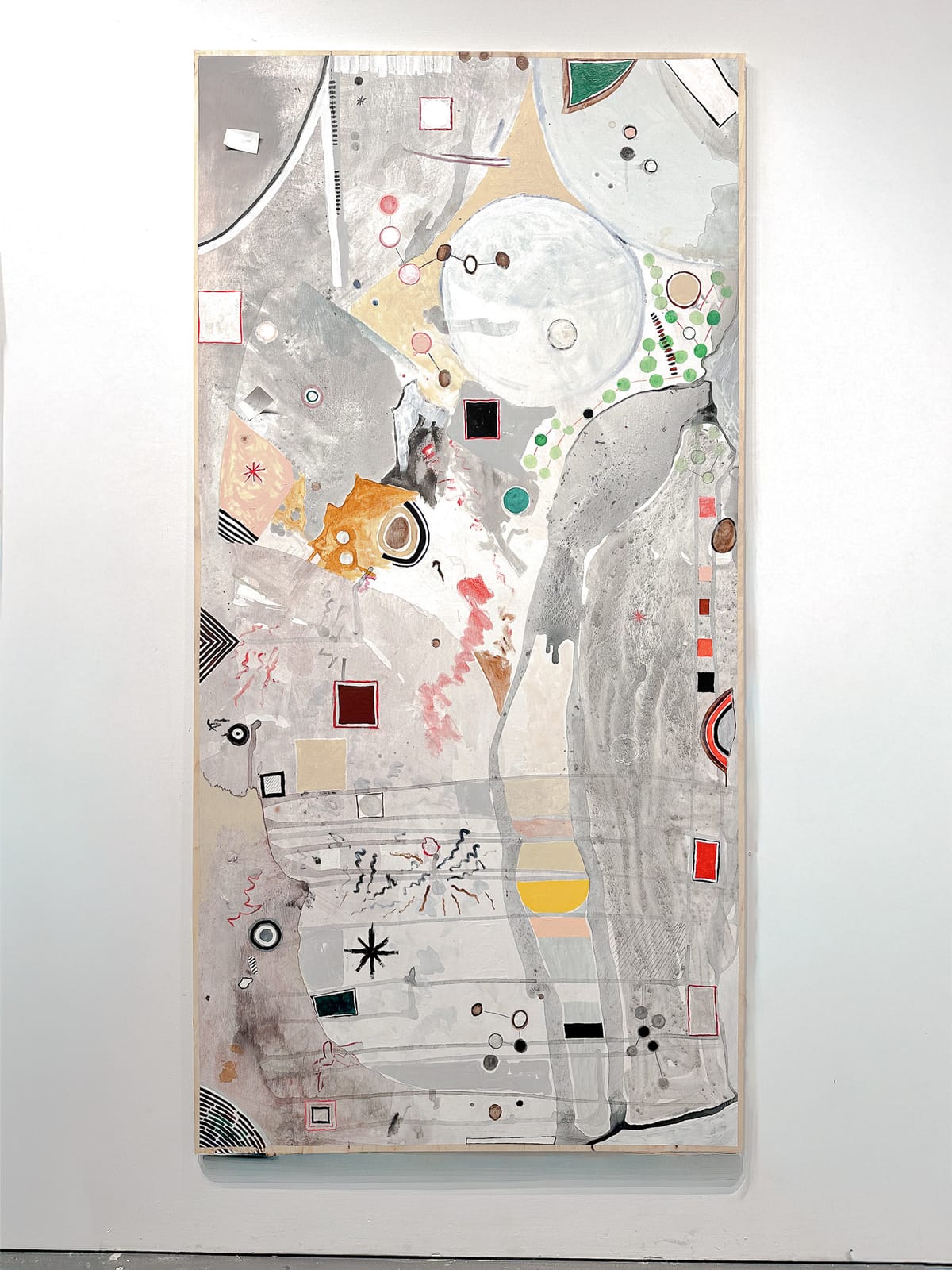
3 weeks agoKyle Cobban Draws From The Unknown - Hi-Fructose Magazine
"It's an amalgamation of the Chicago neighborhood aesthetic with a Bulls fan, quite literally. It's kind of on the nose, but that's how I juxtapose the elements of my work, with the structure of a home and then a figure who is around or in the home."
Chicago Bulls

#marcel-duchamp
Arts
fromdesignboom | architecture & design magazine
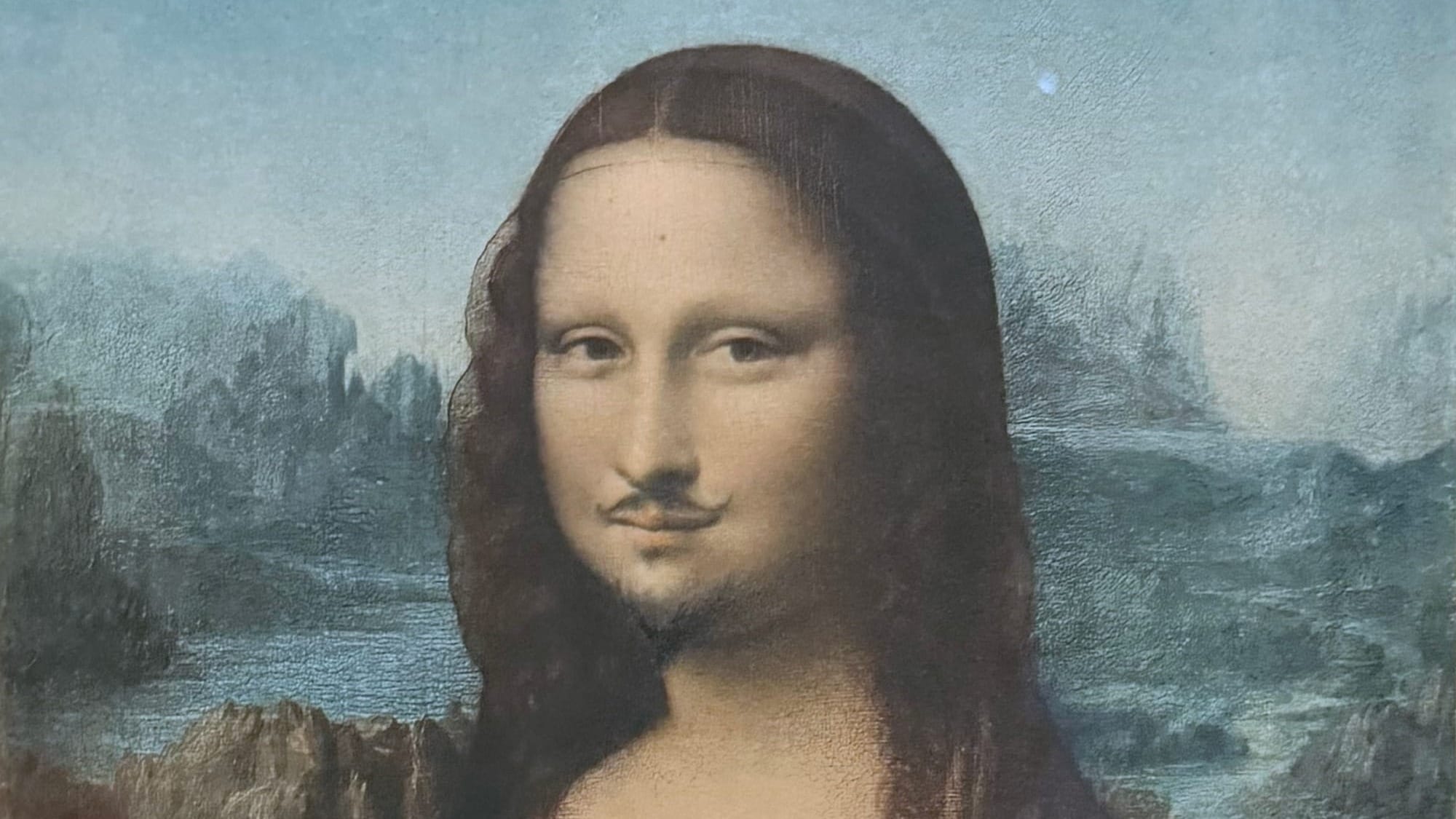
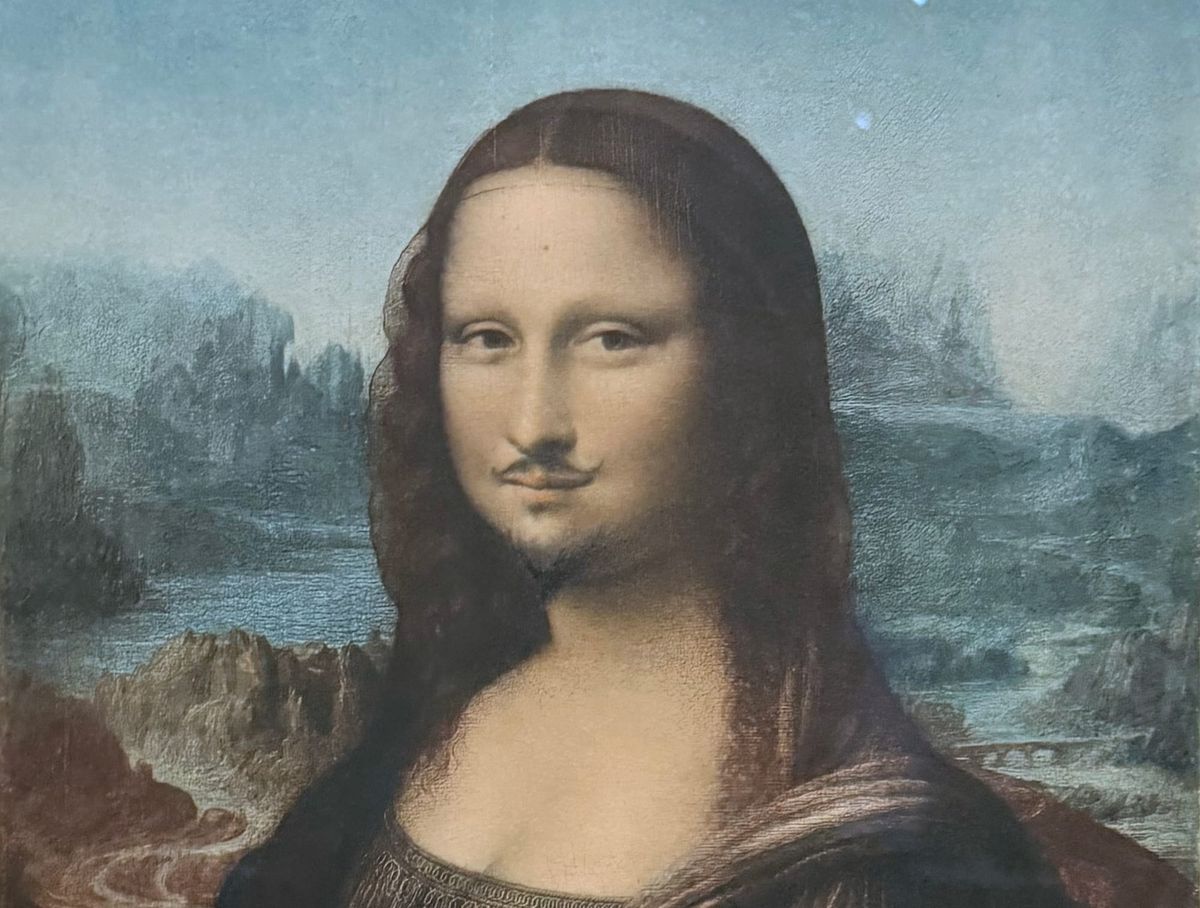
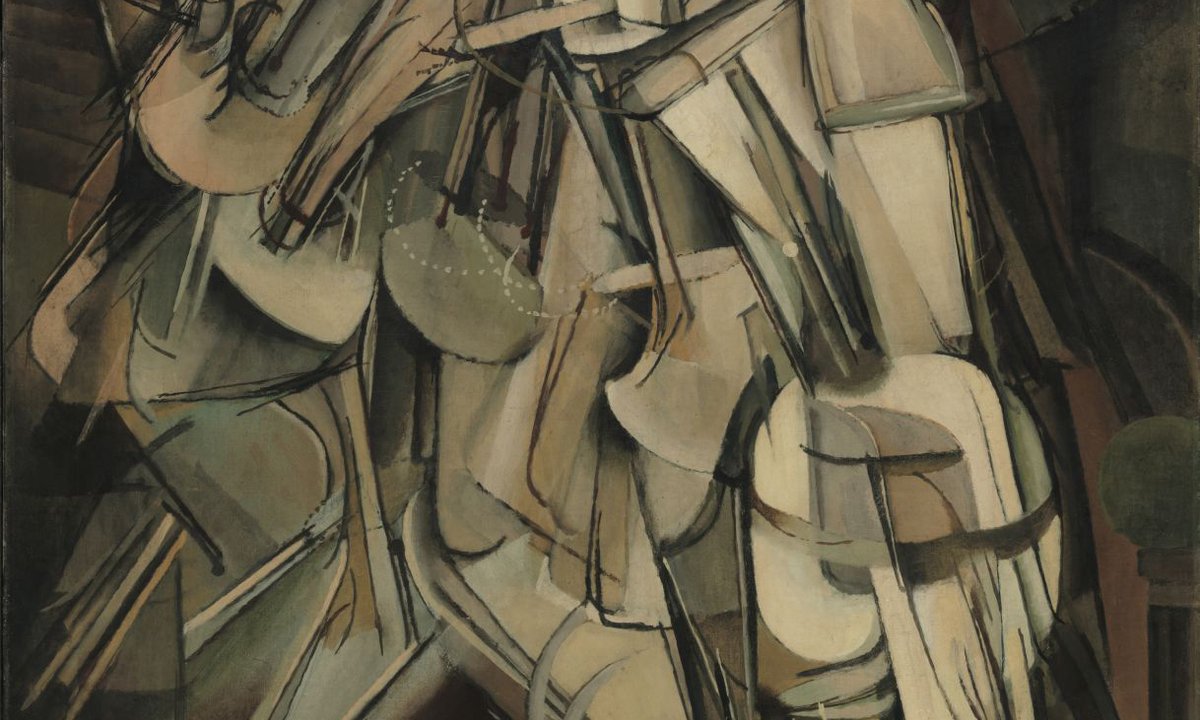
1 week agowhat the readymade still asks: marcel duchamp returns to new york at MoMA and gagosian
Marcel Duchamp's readymades challenge traditional notions of art, emphasizing the role of displacement and designation in transforming ordinary objects into conceptual events.

Arts
fromdesignboom | architecture & design magazine
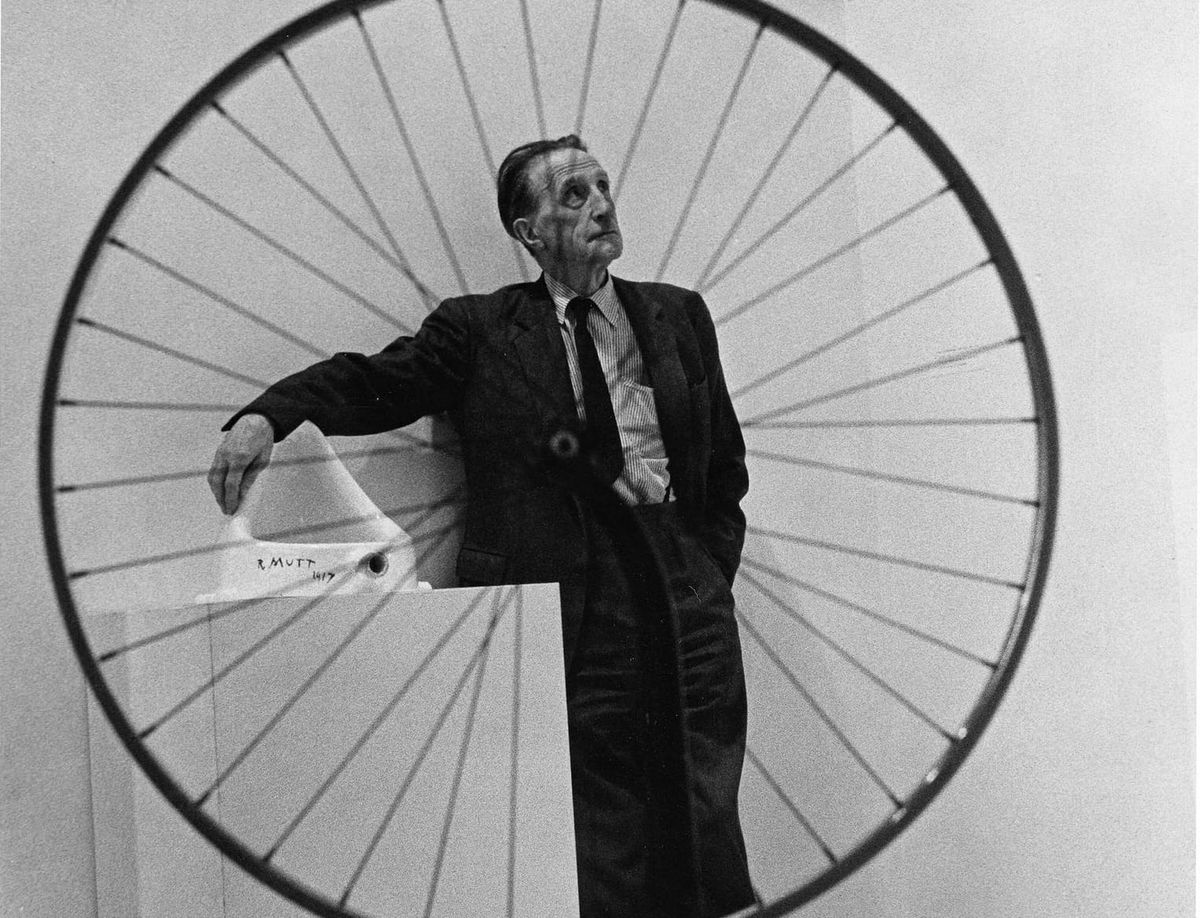
1 week agowhat the readymade still asks: marcel duchamp returns to new york at MoMA and gagosian
Marcel Duchamp's readymades challenge traditional notions of art, emphasizing the role of displacement and designation in transforming ordinary objects into conceptual events.
fromArtnet News
1 week agoPainting Has Entered Its Performance Era | Artnet News
Much of Instagram's video content is organized around transformation-the virtual magic of the before-and-after and clips that show cause and effect. A person makes pasta from scratch in 20 seconds via edits that compress time-intensive labor.
Arts
Arts
fromdesignboom | architecture & design magazine
1 week agoactivated space: allan kaprow's happenings and their afterlife in immersive environments
Allan Kaprow's 'happening' redefines art as an event involving space, body, and instructions, emphasizing active participation over passive observation.
Graphic design
fromHi-Fructose Magazine - The New Contemporary Art Magazine
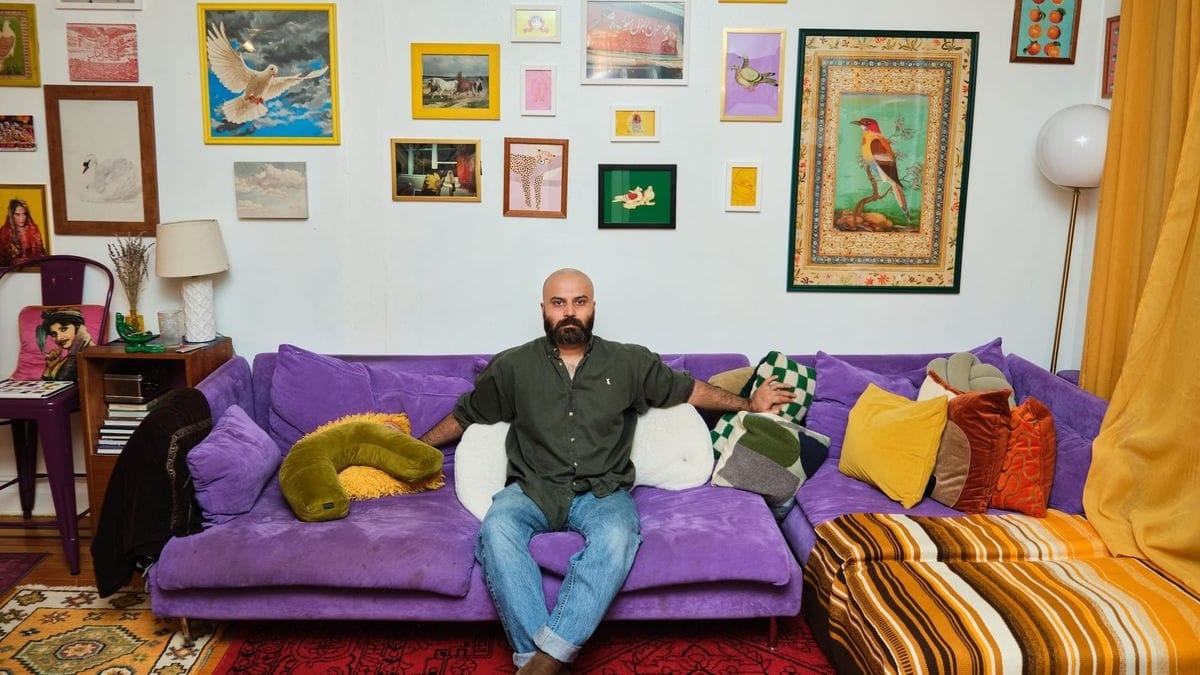
1 month agoIn Blob We Trust: The Art of KRK Ryden - Hi-Fructose Magazine
KRK Ryden's vibrant, chaotic home studio and colorful paintings reflect his artistic philosophy of controlled chaos organized by color, pattern, and theme.

fromwww.theguardian.com
1 month agoHe paints phalluses the way others paint landscapes': the disturbing genius of erotica pioneer Felicien Rops
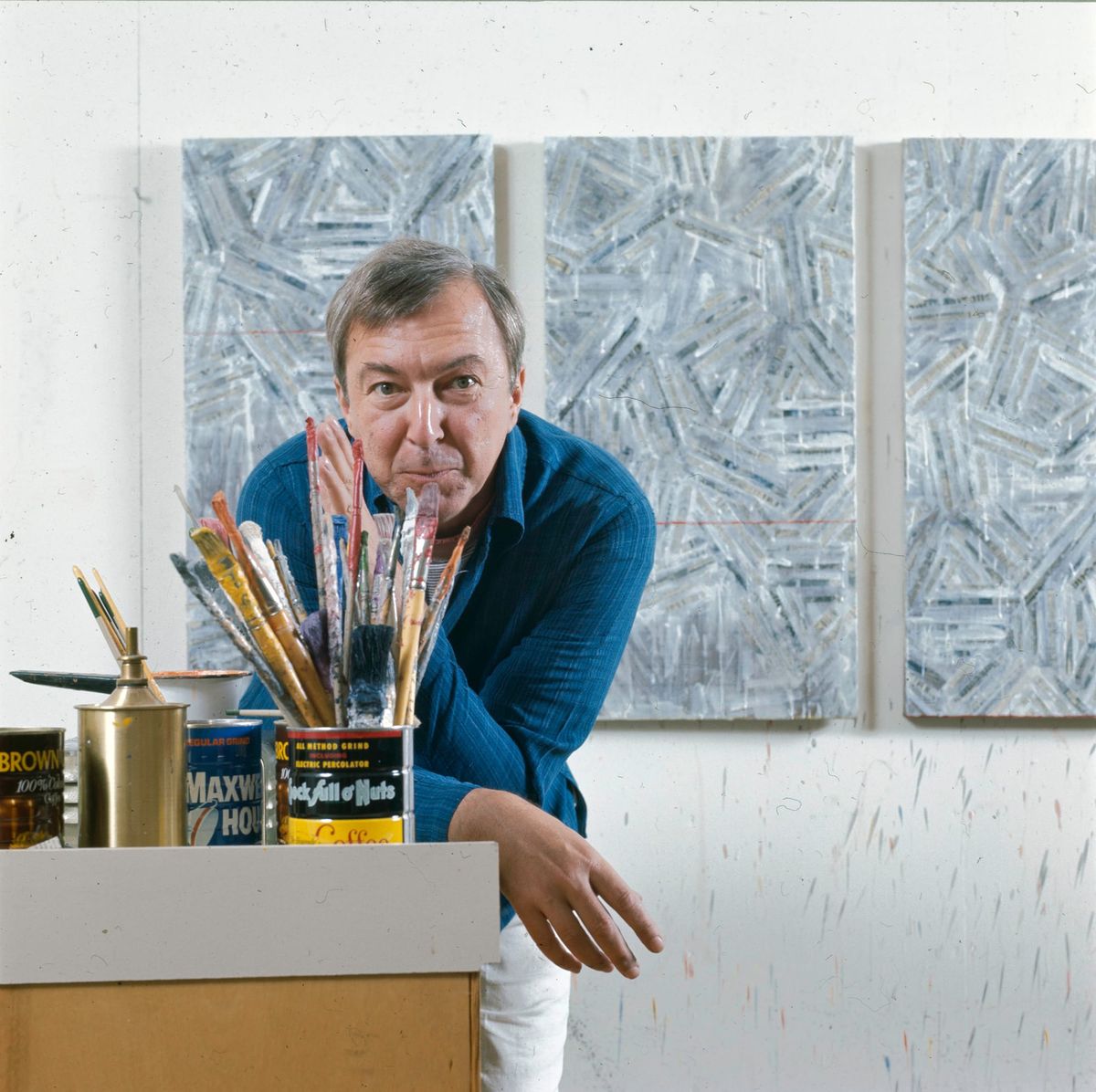
In the late 19th century, Rops created a vast oeuvre of drawings, etchings, prints and paintings of such breathtaking fruitiness—often laced with satanic elements—that even Picasso responded to him in awe. Rops' works depicted naked witches riding brooms, voyeurs in top hats and courtesans riding penis-shaped bicycles.
Miscellaneous
Design
fromdesignboom | architecture & design magazine
1 month agoinside the surrealist universe of late artist pedro friedeberg, creator of the iconic hand chair
Pedro Friedeberg, Mexican surrealist artist and architect known for ornate drawings and hand-shaped chairs, passed away at 90, leaving behind six decades of work blending gothic architecture, optical patterns, and symbolism.

fromArtforum
2 months agoCommercial Break
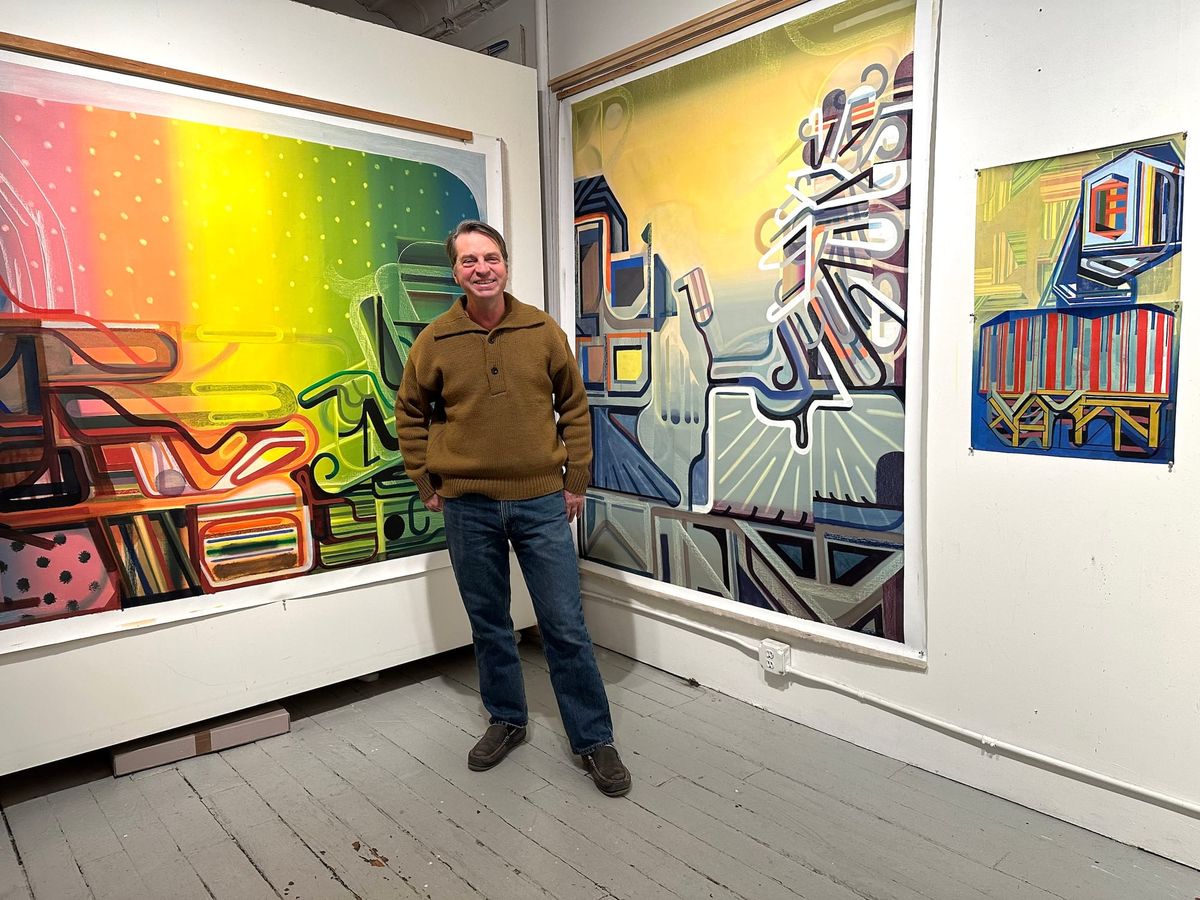
AT FIRST GLANCE, the phrase "avant-garde advertising" might seem like a contradiction in terms: The avant-garde is assumed to be inherently anti-capitalist and the realm of advertising crassly commercial. But the involvement of avant-garde artists with advertising is in fact rich, complex, and long-standing, encompassing a full century of collaborations, critiques, and reworkings of all sorts. That entanglement-in all its diversity-is the topic
Film
fromArtnet News
1 month agoPeter Halley Returns to Austria with First Solo Show in Two Decades
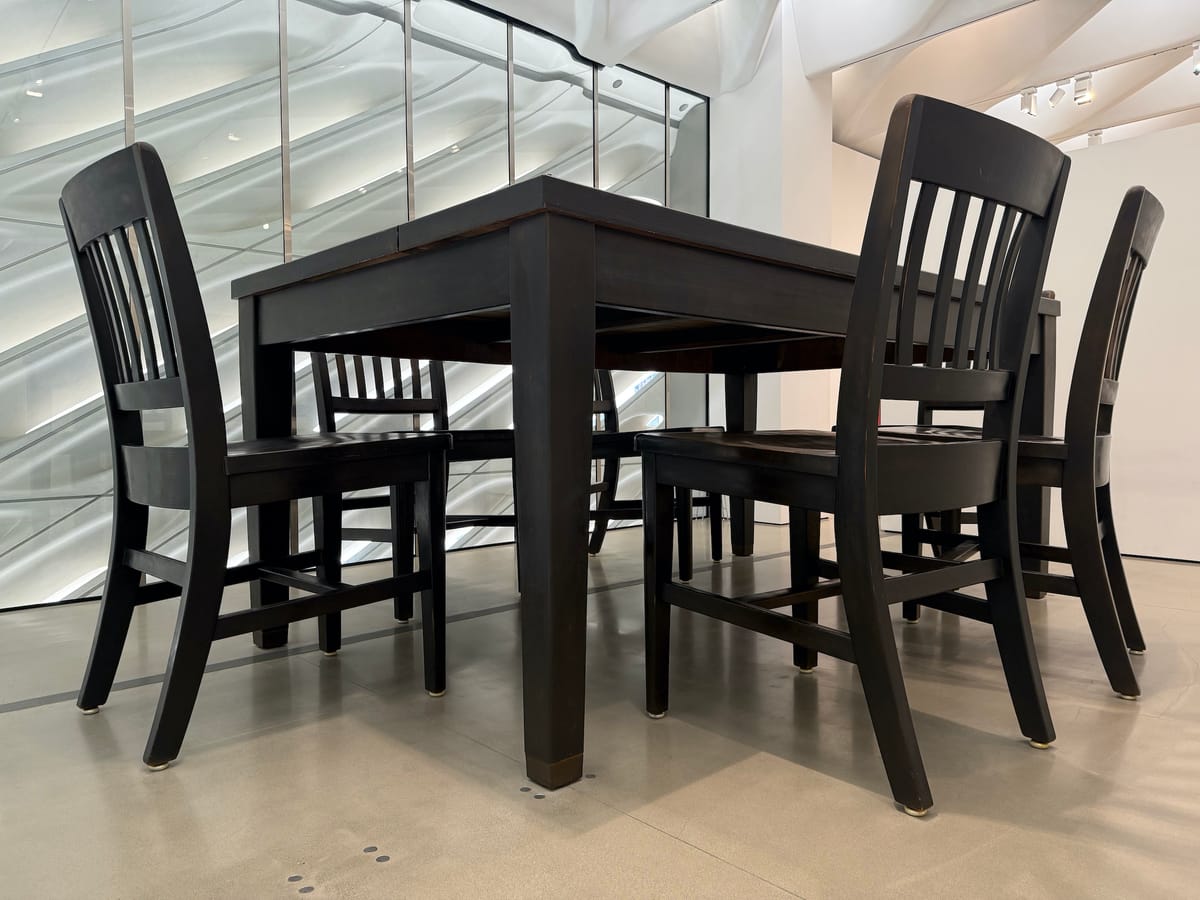
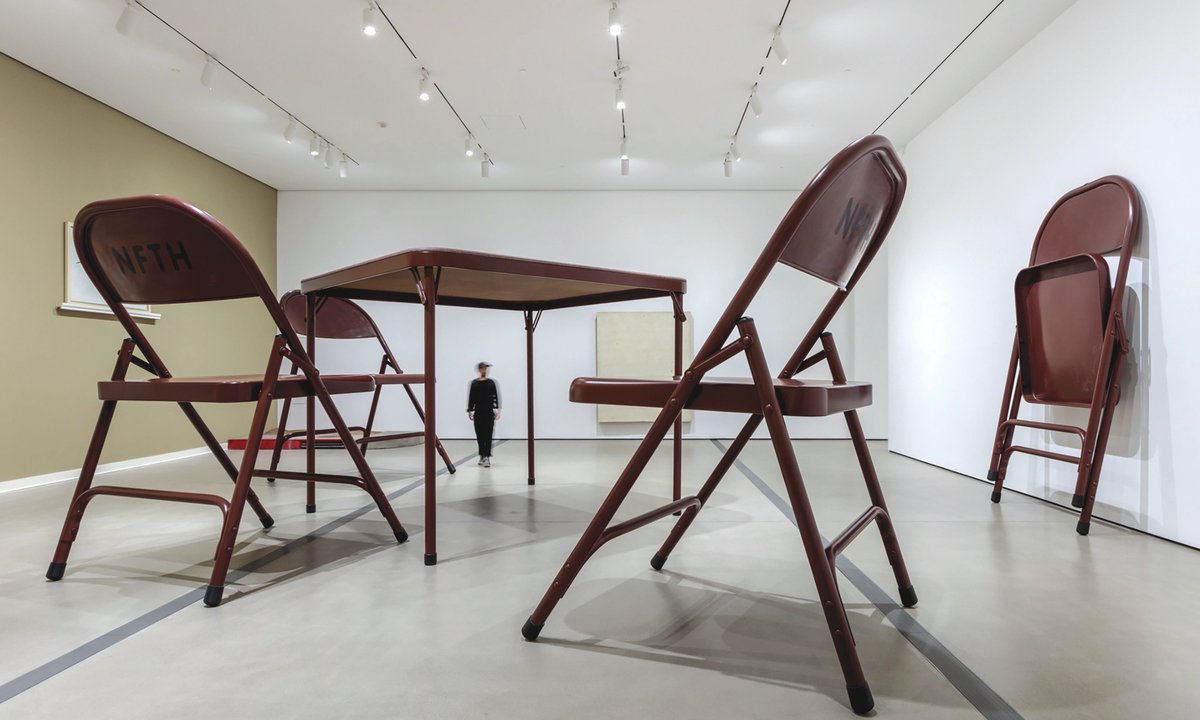
In many ways working in the tradition of Kazimir Malevich and Josef Albers, his compositions employ a language of squares and rectangles known as "Cells" and "Prisons," connected by bold lines called "Conduits." Together, these geometric and linear arrangements tap into the inherent geometry that structure reality, and conceptually refer to the construction of everyday life, both public and private as well as physical and psychological.
Arts
Arts
fromwww.theguardian.com
1 month agoAbsolutely transformative': Willem de Kooning exhibition uncovers raw intensity of early work
Willem de Kooning's 1948 solo exhibition at Charles Egan Gallery launched his international career, establishing him as a pre-eminent painter by the 1950s through his innovative exploration of figuration and abstraction.
Arts
fromArtnet News
1 month agoPaige Powell Didn't Just Document Warhol's Inner Circle. She Shaped It, Too
Paige Powell documented the 1980s New York art scene as Andy Warhol's close confidante, capturing intimate moments of his final years through photography that became inseparable from her identity.
fromHyperallergic
1 month agoEmbracing Friction in the Art World
On Franklin Street in Brooklyn's Greenpoint neighborhood, one non-commercial gallery fosters 'a small, stubbornly human space for friction.' Friction—the ubiquitous buzzword that captures the simultaneous delight and discomfort of doing things the slow way—is at the heart of artists Pap Souleye Fall and Char Jeré's current show at Subtitled NYC. It also reflects the overall spirit of this little exhibition space and of a burgeoning movement to reject our culture of optimization in favor of a bumpier, more intimate, less alienating experience.
Arts
fromHyperallergic
2 months agoJeff Koons's Trumpian Reflections
"As I stood and looked at it on a drizzly gray day," John Yau writes of looking at a radiant painting by Edward Zutrau, "I forgot that it was raining." That's what art can do - stop you in your tracks, make you forget absolutely everything save for that essential encounter between you and the work.
Arts
Arts
fromJuxtapoz
1 month agoJuxtapoz Magazine - Rise above it: John Rivas @ Francois Ghebaly New York
Salvadoran-American artist John Rivas expands his mixed-media practice into hand-carved wooden sculpture, exploring cultural identity, family labor, and personal memory through material resourcefulness and collaborative processes.
Arts
fromwww.amny.com
2 months agoKing Paris shows the sovereignty of light through his contemporary masks on display in Manhattan | amNewYork
Embellished masks and reflective surfaces in West African traditions use radiance and material brilliance to convey authority, spiritual meaning, and social order through performance.
Arts
fromThe Art Newspaper - International art news and events
2 months agoThaddaeus Ropac expands to New York, with Emilio Steinberger at the helm
Thaddaeus Ropac is opening a Manhattan project space and hired Emilio Steinberger to strengthen representation and service for New York-based artists, estates, institutions, and collectors.
[ Load more ]