#roxane-gay
#roxane-gay
[ follow ]
#feminism #toni-morrison #lena-dunham #memoir #relationships #lindy-west #queer-literature #mental-health

fromSlate Magazine
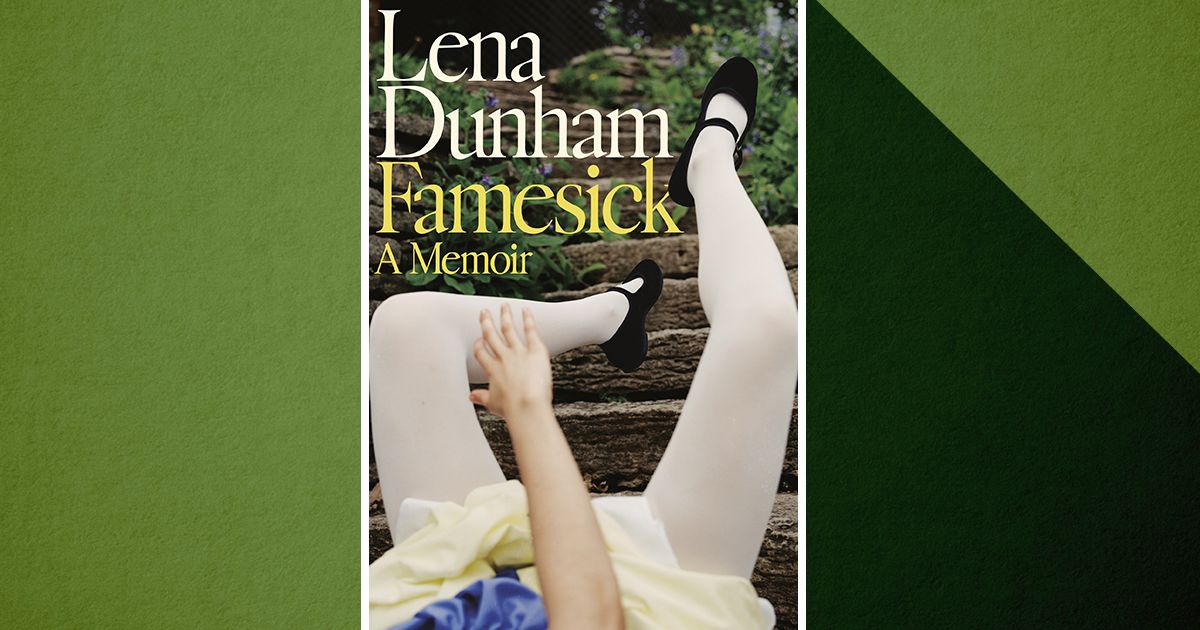
12 hours agoShe Taught Women How to Orgasm. Decades Later, Her Impact Can Still Be Felt.
Hite learned early on that women walk a sexual tightrope: 'If you had too much sex, you could be shunned like her mother was; if you didn't have enough, you could be deserted like her grandmother.'
Books
Social justice
fromNonprofit Quarterly | Civic News. Empowering Nonprofits. Advancing Justice.
6 days agoAfter the Breaking: A Black Feminist Response to Retrenchment | Nonprofit Quarterly | Civic News. Empowering Nonprofits. Advancing Justice.
The world is fracturing, revealing authoritarianism, while philanthropy struggles to adapt, necessitating new visions for justice and community-centered practices.
#transgender-rights
LGBT
fromInside Higher Ed | Higher Education News, Events and Jobs
2 weeks agoAcknowledgment of Violence Against Black Trans Girls, Women
Legislative actions increasingly target transgender rights, particularly affecting Black women and girls, compounding their vulnerability to violence and discrimination.
Arts
from48 hills
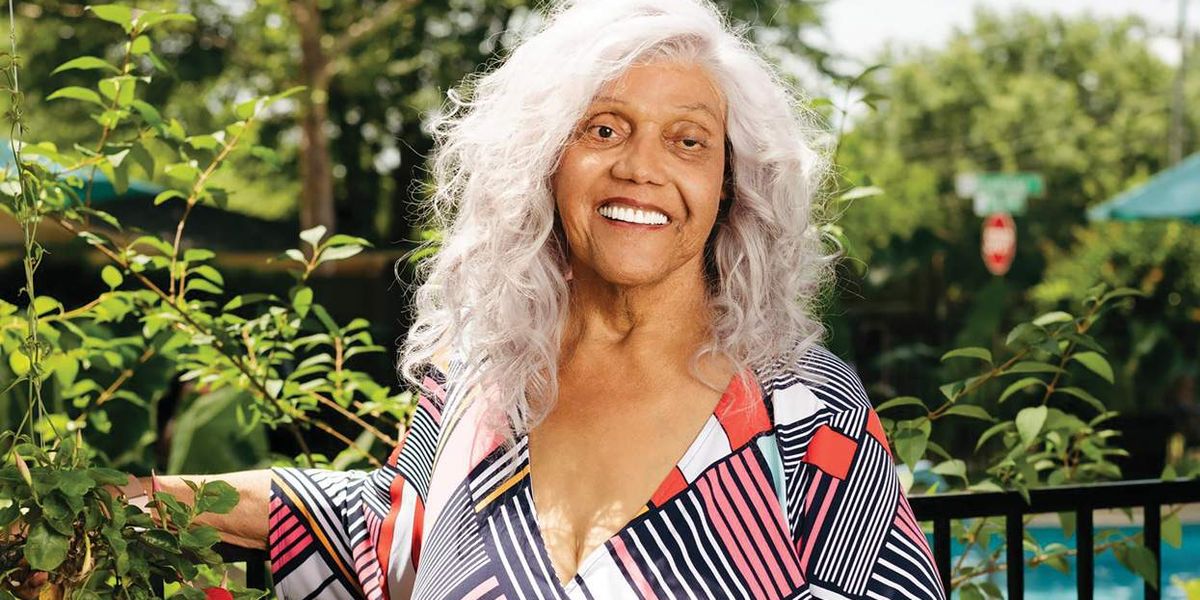
3 weeks agoDrama Masks: Monsters in our midst, as Black and queer history looms - 48 hills
A Bay Area theatre critic prioritizes honest reviews over free event access, evaluating whether performances justify audience spending while acknowledging indie artists' resource constraints and limited venue availability.
Miscellaneous
fromLGBTQ Nation
1 month agoThe Black lesbian poet & activist who preached intersectionality before the word even existed - LGBTQ Nation
Pat Parker's poetry insisted that race, gender, sexuality, and class were inseparable forces shaping Black lesbian experience and American political life.
fromPortland Mercury
1 month agoMikki Gillette's Riot Queens Requires Us to Read More Trans History
Playwright Mikki Gillette—described once as 'the Joan of Arc of the trans community in Portland theatre' by actor and critic Bobby Burmea—sets the work in the lead-up to and immediate aftermath of the 1966 Compton's Cafeteria Riot. We're dropped into the lives of four trans people practically begging the world to care about their pain, but with very different ways of approaching a brighter future.
Portland
fromPinkNews | Latest lesbian, gay, bi and trans news | LGBTQ+ news
1 month ago'How dare Karla Sofia Gascon use her trans identity to deflect from racism row'
In the nine years I've been publicly out as a trans woman, I've foolishly assumed that our community all want to live in a world where being open about who we does not prompt others to exercise their own personal beliefs, whether supportive or otherwise. This assumption was shattered after Karla Sofía Gascón bizarrely used the backlash over Timothée Chalamet's ballet comments to incorrectly claim she had been cancelled for being transgender.
Social justice
US Elections
fromThe Nation
1 month agoGeorge Packer's Liberal Imagination
The Short American Century, spanning 1945-2016, progressed through four distinct eras of confidence, skepticism, exuberance, and hubris before ending with Trump's 2016 election, which shattered liberal consensus about permanent American dominance.

fromPinkNews | Latest lesbian, gay, bi and trans news | LGBTQ+ news
1 month agoNew LGBTQ+ publisher to 'put queer writers first' after Heated Rivalry success
Our mission is to bring queer books by queer authors to all readers, both from within the queer community and our allies. And we'll achieve this without compromising the authenticity or integrity of our queer books and authors.
LGBT
fromThe New Yorker
1 month agoThe Sexologist Who Unlocked the Female Orgasm
In 1976, her book "The Hite Report: A Nationwide Study of Female Sexuality" had become a huge best-seller. Its main takeaway was the then startling revelation that most women achieved orgasm not by means of vaginal intercourse alone-or what Hite, to the sniggering discomfiture of many audiences, often referred to as penile "thrusting"-but through manual or oral stimulation of the clitoris.
Miscellaneous
LGBT
fromLGBTQ Nation
1 month agoSupermodel says only women can be bisexual: "Double standards exist for us all" - LGBTQ Nation
Jessica White's statement that bisexuality is acceptable for women but not men sparked controversy and amplified biphobic attitudes, with experts attributing such stigma to toxic masculinity and rigid gender expectations.
Books
fromMetro Silicon Valley | Silicon Valley's Leading Weekly
4 weeks agoTayari Jones in Menlo Park | Metro Silicon Valley | Silicon Valley's Leading Weekly
Tayari Jones discusses her novel Kin, which follows two Louisiana-raised best friends separated after high school as they pursue different paths and search for identity.
fromwww.berkeleyside.org
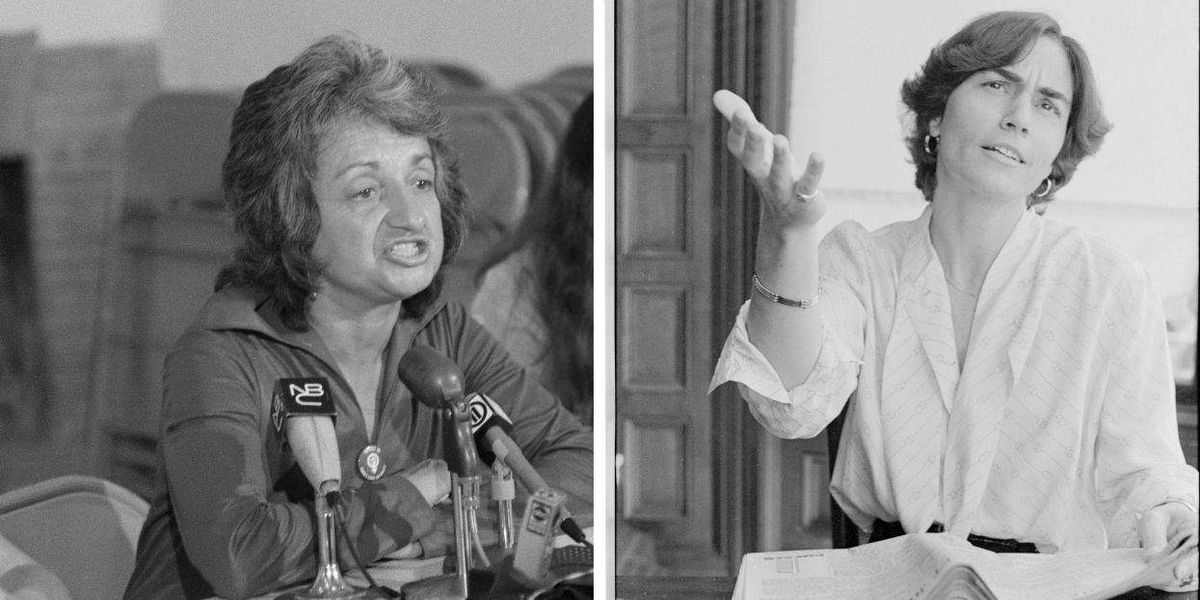
2 months agoRemembering Martha Hudson, whose literary salon inspired UC Berkeley's women's studies program
Marsha eventually brought her salon to campus and founded the Comparative Literature Women's Caucus, an activist collective that established the first women's literature classes in Comparative Literature, conceived and taught by graduate student women. Caucus members helped produce the first major translation anthologies of women's world-wide poetry, encouraged women to write feminist dissertations on women authors, and researched discrimination against women in the department.
Women
Books
fromIntelligencer
1 month agoIbram X. Kendi Can't Separate His Fame From How to Be an Antiracist
Dr. Ibram X. Kendi's antiracism framework defines racism as a descriptive policy term based on material effects, not a personal identity, though institutions misappropriated his work for performative diversity initiatives.
fromLGBTQ Nation
1 month agoThese oft-overlooked icons show why Black queer history still matters (now more than ever) - LGBTQ Nation
Black History Month is a time to acknowledge and celebrate the achievements and courageous acts of people of African descent in the United States and around the world. This year, Black History month celebrates its 100th anniversary. And yet, Black History Month has failed to fully acknowledge or celebrate the contributions of Black LGBTQ+ people. Just as Pride Month remains overwhelmingly white in its representation, Black History Month continues to be deeply homophobic in its omissions.
LGBT
fromKqed
1 month agoA Novel Tracks the Fallout of Free Love, and the Girls Who 'Went Away'
In 1968, a "good girl" is squeaky clean. She studies hard, follows the rules, gets into college and doesn't embarrass her parents. She doesn't lie or drink or do drugs. She doesn't participate in the Summer of Love or experiment with any of its alternative ways of living. She definitely doesn't have premarital sex, get pregnant and upend everyone's meticulously laid plans for her future.
Books
Books
fromJezebel
1 month agoCross Ballerina Farm with 'Rosemary's Baby' and You Get the New Novel 'Trad Wife'
Saratoga Schaefer's novel reimagines forced pregnancy horror by having the protagonist actually birth and parent demon spawn, subverting traditional tropes while exploring reproductive autonomy through a supernatural lens.
Books
fromwww.theguardian.com
1 month agoAsako Yuzuki: I'm very far from the ideal Japanese woman'
Japanese novelist Asako Yuzuki's international bestseller Butter, based on a real serial killer case, combines social satire and feminist thriller with detailed food descriptions, capitalizing on growing Western appetite for translated fiction by female Japanese writers.
fromMedium
4 years agobell hooks saved me
bell hooks saved me. I say that in all sincerity. At a critical time in my life, when I was at my lowest point, it was bell hooks, through her books, who pulled me out of a hole of profound depression and set me on a path of self-renewal on which I have remained ever since. Newly divorced with two very young sons, I was determined to give a better fatherhood experience than the one I had.

Books
fromThe Atlantic
1 month agoWhen Did Literature Get Less Dirty?
Philip Roth's Zuckerman Unbound functioned as a response to the controversial reception of Portnoy's Complaint, with Roth's protagonist expressing regret over writing sexually explicit material that drew accusations of anti-Semitism and misogyny.
fromThe New Yorker
1 month agoBriefly Noted Book Reviews
This devastating début novel takes the form of an oral history about a tragedy that shatters a family. At its heart is a couple who arrived in the U.S. in the late nineteen-nineties as refugees from Afghanistan. They prospered, and brought up four children in an affluent suburb in Virginia. Rotating testimonies from people they know-family friends, a cousin, lawyers-offer theories about what led to the novel's central catastrophe.
Books
fromThe Atlantic
2 months agoShe Shook Up the Literary World, Then Renounced It
Many editors languish in the margins of history, their contributions largely invisible despite how much they shape whom and how we read. But in recent years, amid a wave of books unearthing overlooked figures, biographers have turned their sights to pioneering book and magazine editors-including Malcolm Cowley of Viking, Judith Jones of Knopf, Bennett Cerf of Random House, and Katharine S. White of The New Yorker -anointing them as the unsung architects of the American literary canon.
Books
[ Load more ]