#rpg-updates
#rpg-updates
[ follow ]
#video-games #board-games #game-development #gaming #dungeons--dragons #crowdfunding #epic-games #game-mechanics





fromArmin Ronacher's Thoughts and Writings
1 week agoMario and Earendil
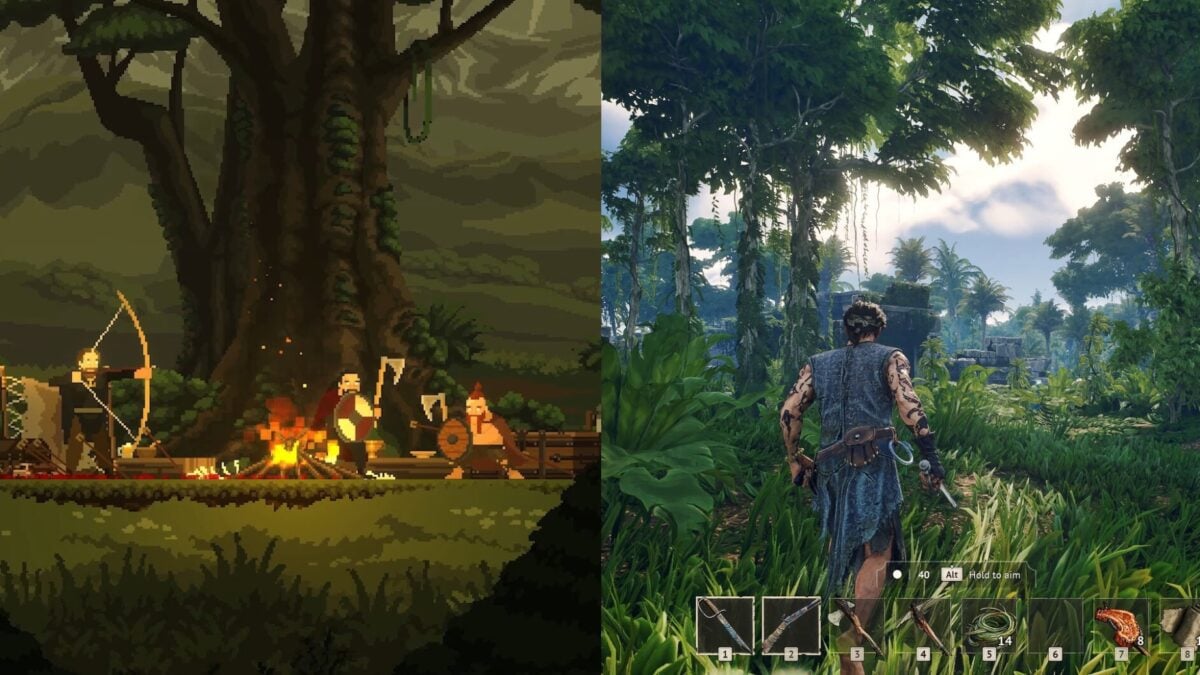
Last year changed the way many of us thought about software. It certainly changed the way I did. I spent much of 2025 building, probing, and questioning how to build software, and in many more ways what I want to do.
Software development



fromKotaku
2 weeks agoDimension 20 Is Finally Doing A Vampire: The Masquerade Campaign
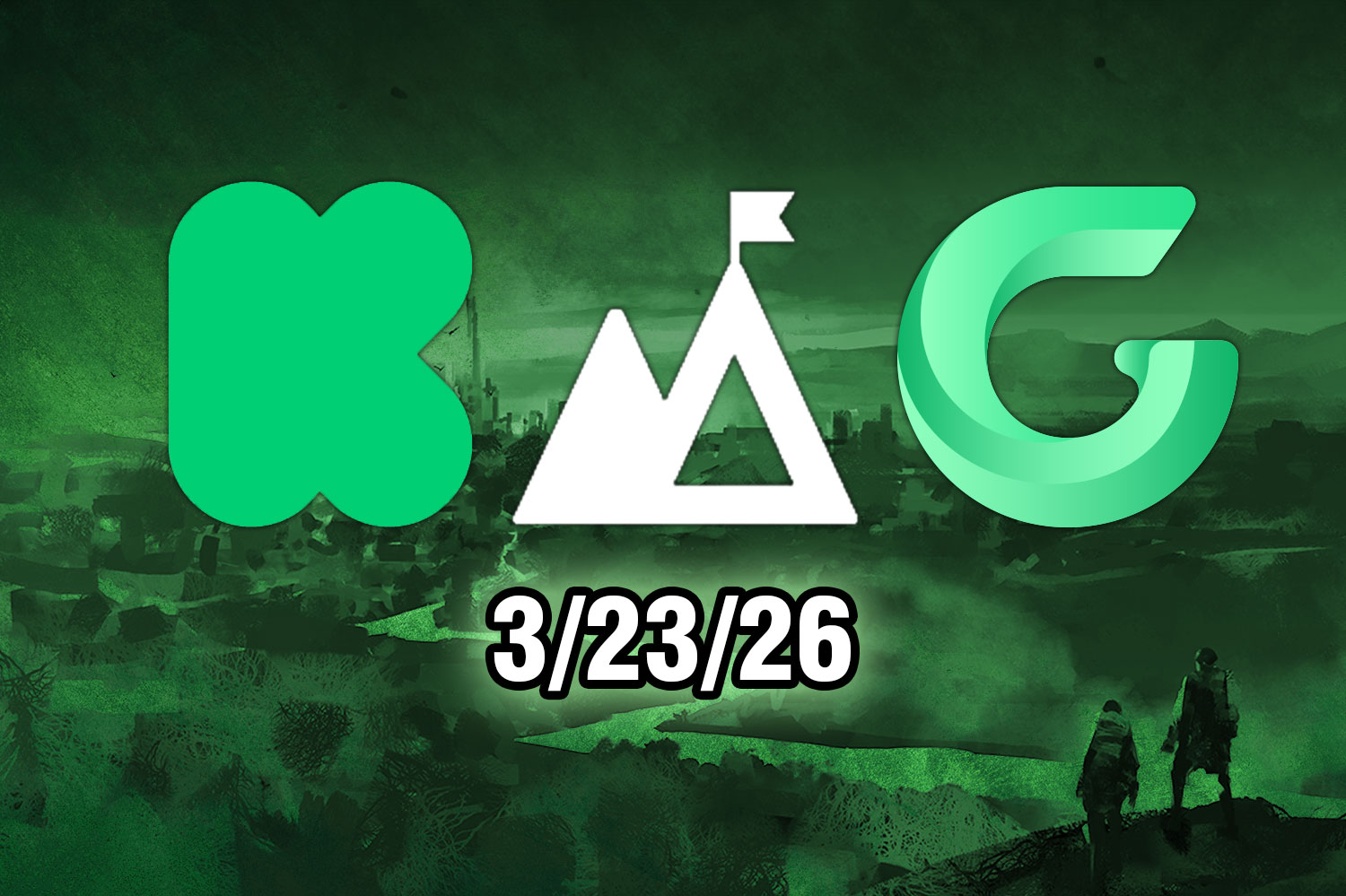
Dimension 20 has primarily used Dungeons & Dragons 5th edition across its campaigns, with occasional side quests using other systems. The main cast has only deviated from D&D for the sixth campaign, A Starstruck Odyssey, which utilized an unofficial Star Wars system.
DC food


fromKotaku
3 weeks agoRPGs Lead To The Strongest 'Post-Game Depression,' Study Finds
The study, published in the Current Psychology journal, was conducted by researchers from SWPS University and the Stefan Batory Academy of Applied Sciences, who set out to measure the 'sense of emptiness that arises after completing a deeply immersive game.' Post-Game Depression, or P-DGS, was measured across two separate studies, with a total of 373 participants.
Mental health


History
fromMedievalists.net
1 month ago10 Ways Video Games Have Rewritten the Middle Ages - Medievalists.net
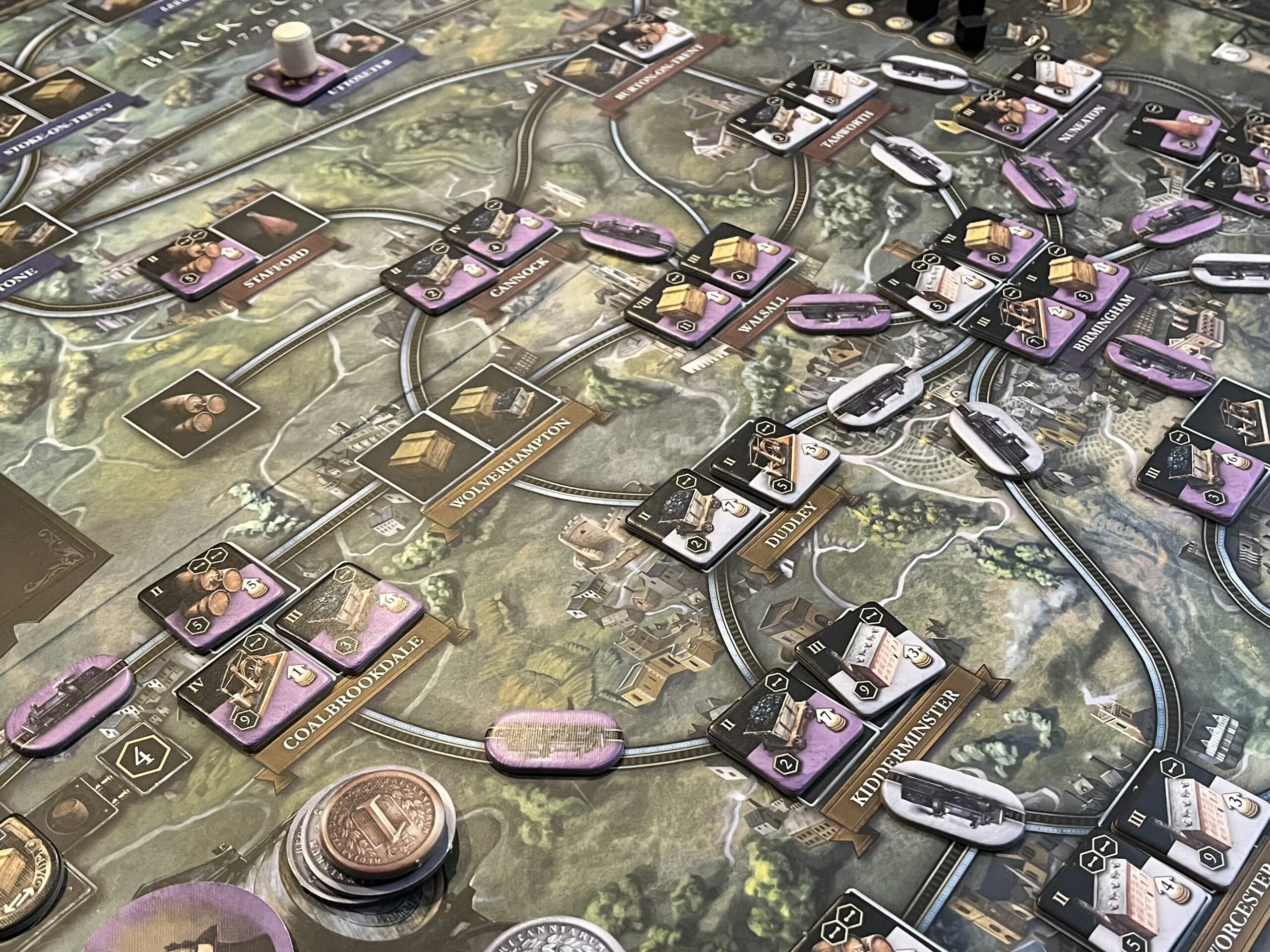
Video games have become a primary way modern audiences encounter the Middle Ages, creating a distinctive form of medievalism shaped by gameplay mechanics that emphasizes warfare and reshapes historical reality.
fromBoard Game Quest
4 weeks agoEverbound Review
Everbound uses an 18-card construct to fill out the crew of a pirate ship. You start with your Captain and a twinkle in yer eye. And presumably a ship. Yarrrr. You'll take one of two actions per turn. Draw: Take a card from the Dock. Recruit: Play a card from your hand by paying its icon cost.
Board games
fromwww.theguardian.com
2 months agoI don't like organised fun, but Dungeons and Dragons is my shining nerdy light amid the darkness | Patrick Lenton
I wish this was a one-off blip in my regimented friendship schedule, but all through 2025 I played the world's slowest game of message tennis. I'd invite a pal for dinner, only for the world to turn, the seasons pass, grey hairs gather at my temples, before a date was finally locked in. This sentiment seems to be common among my circle.
Relationships


Board games
fromwww.theguardian.com
1 month agoLess respawning, more re-rolling: six of the best board games based on video games
Video games increasingly adapt into physical board games, with successful examples like Company of Heroes 2nd Edition and Slay the Spire translating digital mechanics into tabletop experiences using dice, miniatures, and cards.
fromPortland Monthly
1 month agoThe Best Portland Venues for Tabletop Role-Playing Games
In recent years, players have moved their hobby to pubs and cafés, transforming these third places into gaming spaces for a few hours. Dedicated gaming venues and series have also sprung up around Portland, inviting seasoned grognards and shiny newbies alike to the table.
Board games
Board games
fromBoard Game Quest
1 month agoDawnmaker Digital Review
Dawnmaker combines city-building and deck-building mechanics in a campaign-based game where players upgrade a lighthouse by gathering resources through card play and constructing buildings to progress through increasingly difficult missions.
Board games
fromYanko Design - Modern Industrial Design News
1 month agoYour Tactical Role-Playing Game Setup deserves a better Command Deck. Meet the ONE BOX 4.0 - Yanko Design
ONE BOX 4.0 is a modular wooden tabletop organizer that unfolds into compartments to keep cards, dice, tokens, and phones organized throughout gameplay.
[ Load more ]