US Elections
fromHarvard Gazette
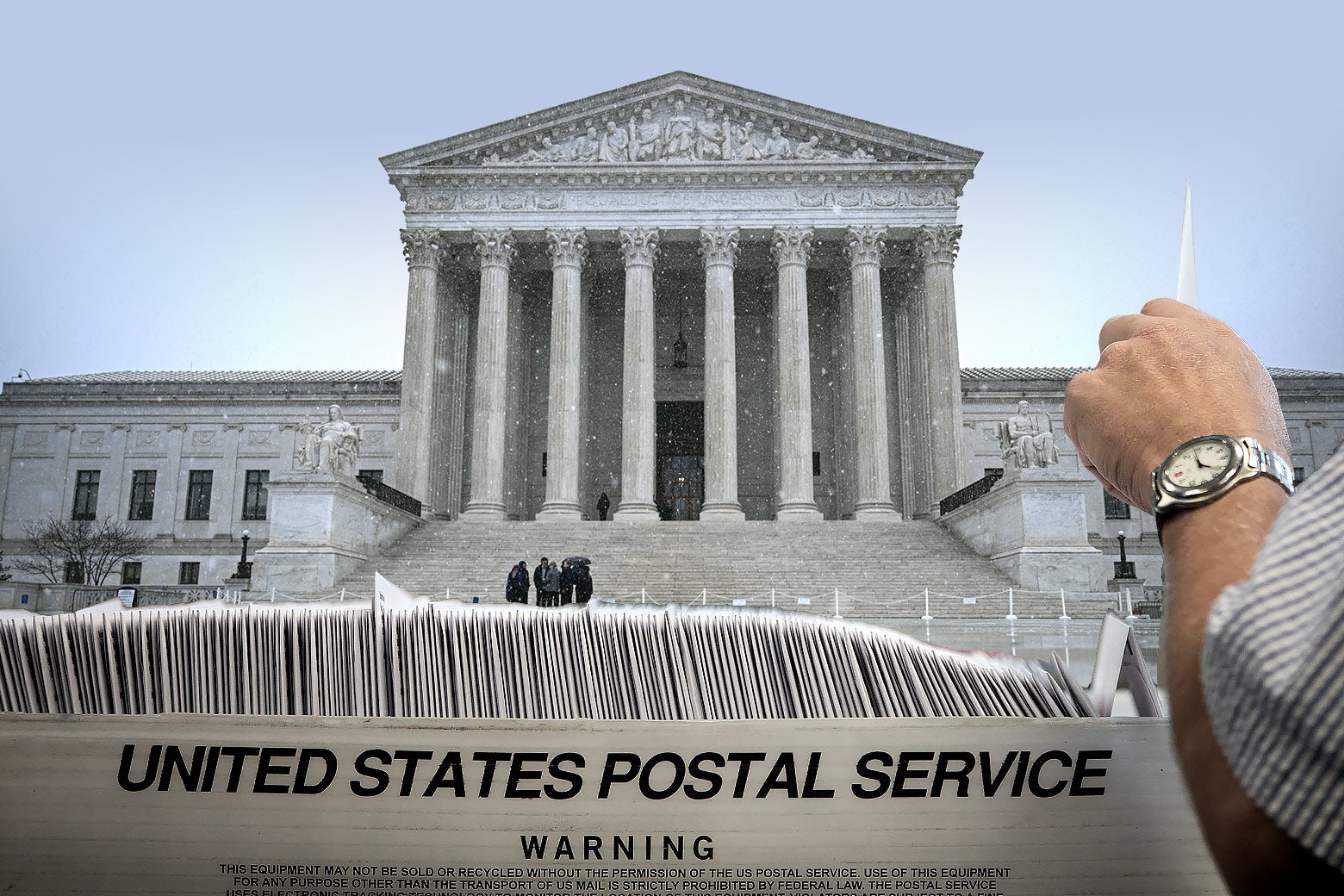
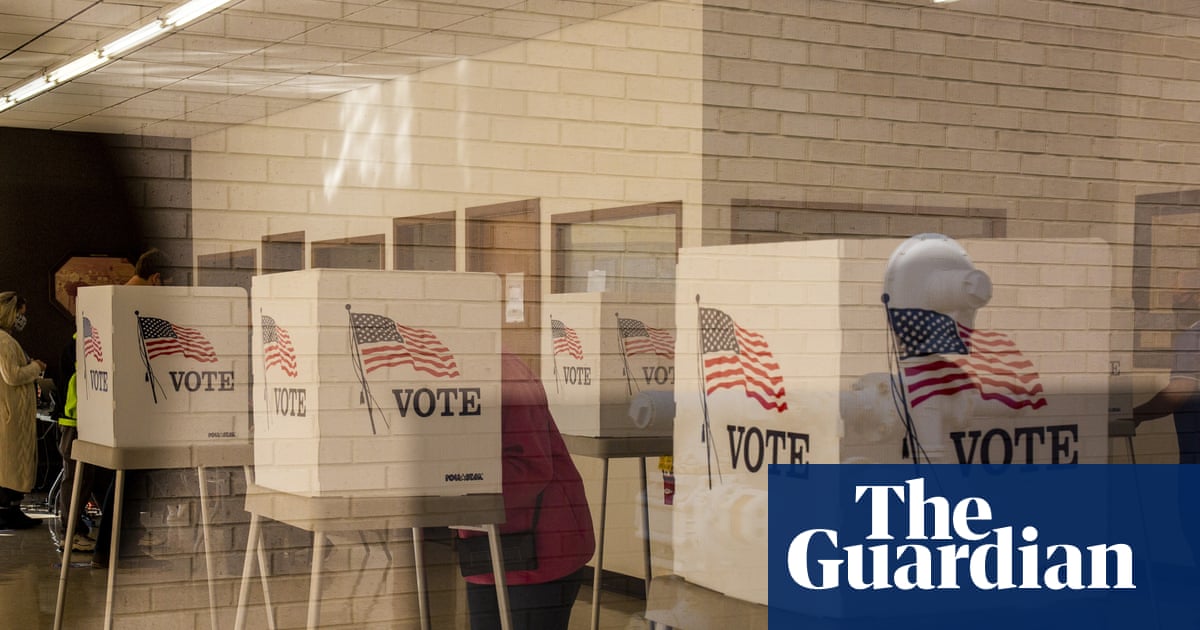
21 hours agoVoting goes to court - Harvard Gazette
State authority in election administration faces challenges amid increasing lawsuits and declining trust in U.S. elections.
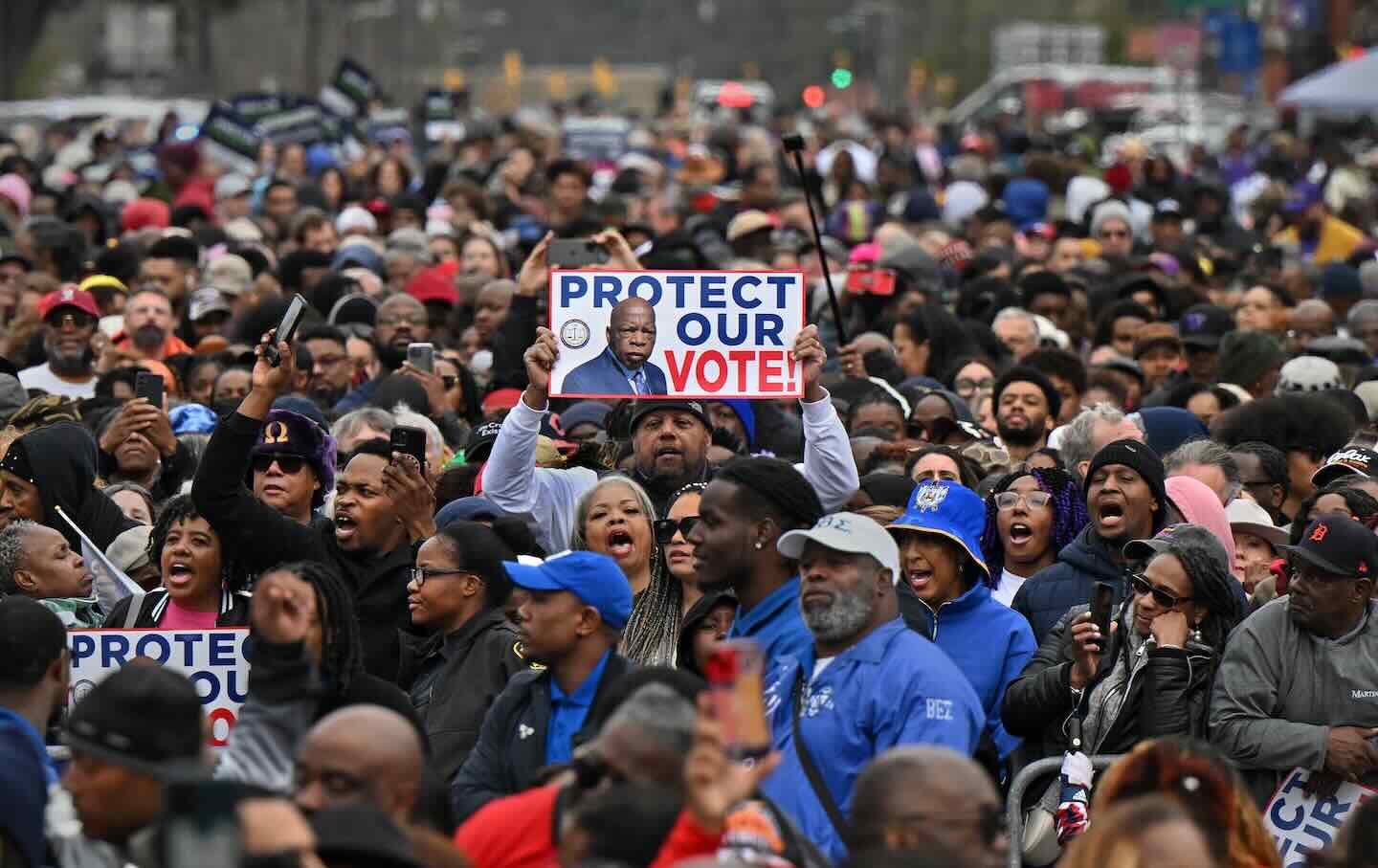
In any liberal morality play, Democrats always get to be the shivering, oppressed black people, while Republicans have to play the part of Bull Connor, Birmingham, AL's racist commissioner of public safety. Except the facts are exactly the opposite. I'm sure you're bored of hearing this, but Connor was a Democrat, as were all the politicians promising "massive resistance" to racial integration. Republicans were the ones forcing Democrats to abide by federal law, along with a few John Fetterman- style Democrats.
Organizational filibustering refers to strategies that delay and obstruct efforts to pursue social justice in systems. These additions can stretch out the process of implementation of diversity strategic plans or multicultural programs for years. Change agents can become battle-fatigued and give up their efforts. They can also become so disheartened that they leave a group or organization altogether.
(Jan. 27, 2026) - The North Carolina State Board of Elections has proposed several rules establishing a challenge process for voters deemed "presumptive non-citizens," and has opened a public comment period from January 15 to March 16, 2026. While the exact process for identifying challenged voters is not yet public, the State Board of Elections has indicated that county boards of elections will bring and hear challenges to voters based upon information received from the federal Systematic Alien Verification for Entitlements (SAVE) system.
The Trump administration has since poured billions of dollars into immigration enforcement, and in March, Trump issued an executive order requiring the Department of Homeland Security to ensure that states have "access to appropriate systems for verifying the citizenship or immigration status of individuals registering to vote or who are already registered." In May, DHS began encouraging states to check their voter rolls against immigration data with the Systematic Alien Verification for Entitlements (SAVE) program, run by US Citizenship and Immigration Services (USCIS). SAVE now has access to data from across the federal government, not just on immigrants but on citizens as well.
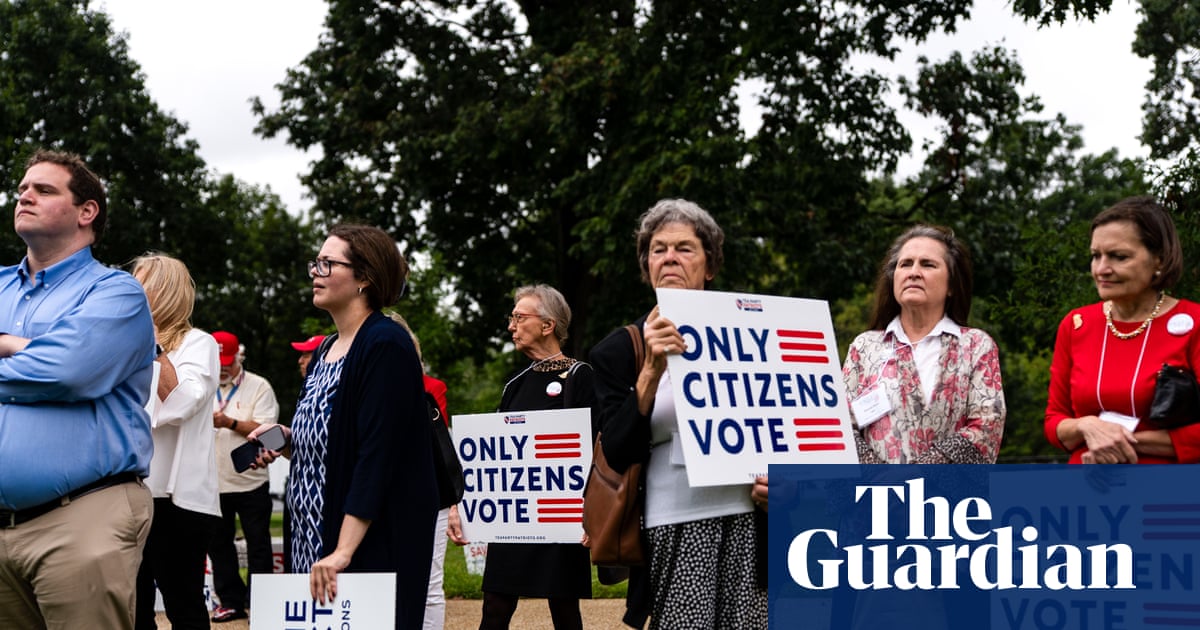
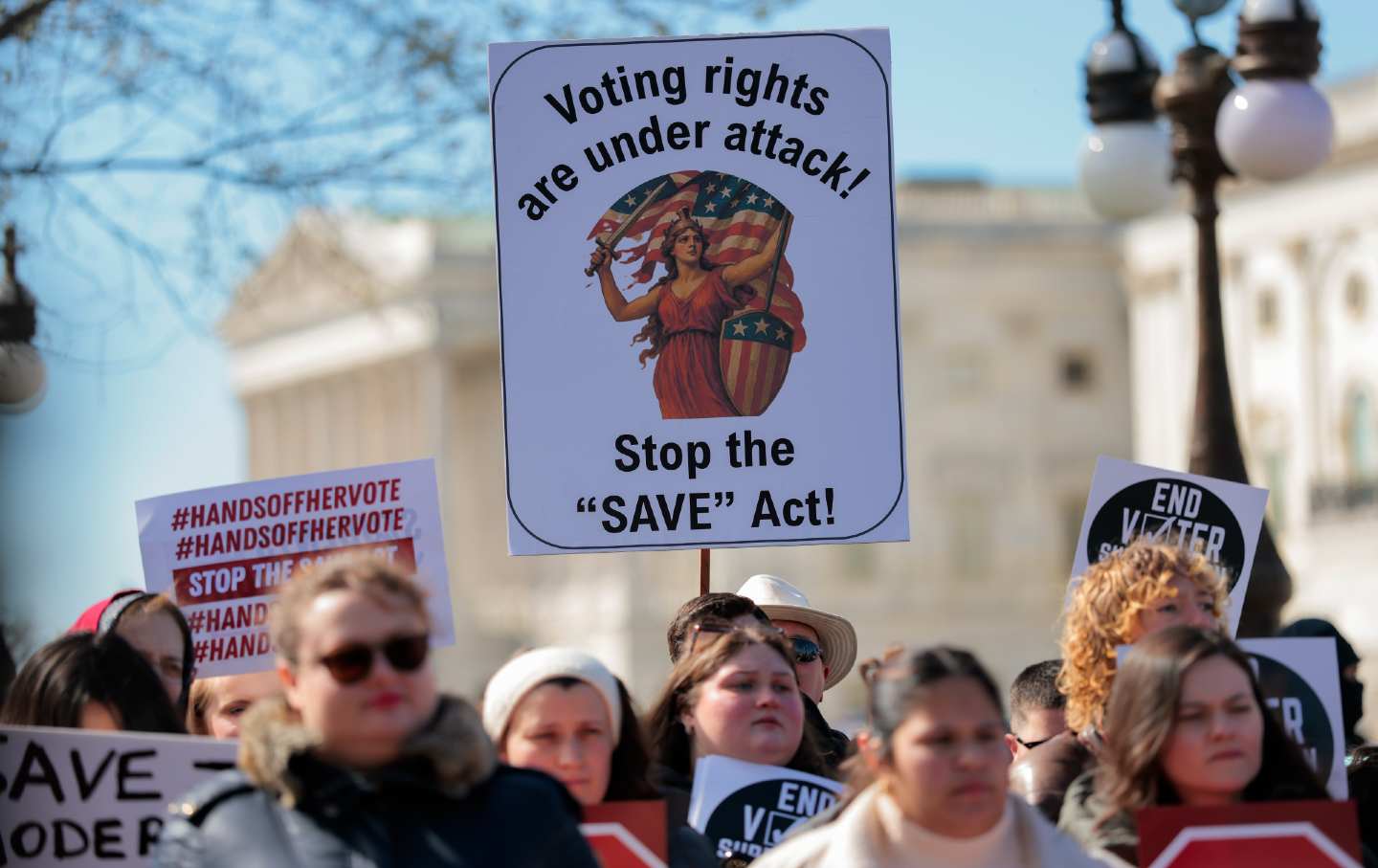
The Safeguard American Voter Eligibility Act now dubbed the SAVE America Act narrowly passed the U.S. House last week, with all Republicans and one Democrat backing the bill. Its approval came about 10 months after House Republicans last passed the SAVE Act. The measure, which would transform voter registration and voting across the country, faces persistent hurdles in the GOP-led Senate due to Democratic disapproval and the 60-vote threshold to clear the legislative filibuster.