#sustainability-and-public-engagement
#sustainability-and-public-engagement
[ follow ]
#sustainability #climate-change #new-york-city #environmental-justice #environmental-policy #ai #climate-policy
#climate-change


Online Community Development
fromInside Higher Ed | Higher Education News, Events and Jobs
11 hours agoA Town-Gown Partnership Focused on Climate Resilience
Agnes Scott College collaborates with Decatur to address climate change through a joint Climate Resilience Plan, focusing on sustainability and community engagement.


fromHell Gate
8 hours agoRandy Mastro Truly Gutted Compost Collection
In April 2025, New York City got serious about composting, as the Department of Sanitation implemented its first-ever mandatory curbside composting program. The program aimed to divert food and yard waste generated in residential buildings from landfills, as organic materials make up a third of the City's waste stream.
Podcast
#ai
Artificial intelligence
fromThe Nation
3 days agoThe AI Boom Is a Climate Bust
AI is increasingly being used to spread climate change disinformation, complicating efforts to combat the climate crisis.

fromwww.theguardian.com
1 day agoHow Paris swapped cars for bikes and transformed its streets
Corentin Roudaut, who once felt overwhelmed by Paris's traffic, found renewed confidence in cycling after the establishment of a segregated bike lane on Boulevard Voltaire. He now actively participates in promoting cycling in the city, witnessing a remarkable transformation in urban mobility and safety over the last decade.
Paris food
fromFuturism
2 days agoEPA Now Values Human Lives at $0
When lives are assigned a higher dollar value, stricter pollution standards tend to clear the 'economic efficiency' sniff test, resulting in cleaner air. But that improved air quality comes at the expense of America's industrial industries, which have to invest in pricey systems to reduce the amount of these pollutants they spew down to acceptable levels.
US Elections
Media industry
fromNonprofit Quarterly | Civic News. Empowering Nonprofits. Advancing Justice.
6 days agoPolitics in an Attention Economy | Nonprofit Quarterly | Civic News. Empowering Nonprofits. Advancing Justice.
Candidates must be cultural figures to succeed in today's American politics, navigating an attention economy shaped by algorithms.
fromDefector
2 weeks agoDam It All To Hell | Defector
Hoppers, like Pixar's pre-Disney films, is a delight. The beavers' world is immersive and richly realized, grounded in science but never dry. The plot zigs and zags between moments of absurdity and emotional heft to stirring effect; I cried multiple times, and not just because of the low-hanging fruit of grandma death.
Independent films
Books
fromNonprofit Quarterly | Civic News. Empowering Nonprofits. Advancing Justice.
2 weeks agoOf Tech Bros and Eco Collapse-Warnings from McGovern's 99th Day | Nonprofit Quarterly | Civic News. Empowering Nonprofits. Advancing Justice.
Gerry McGovern's '99th Day' argues that environmental collapse stems from technological excess, data waste, and toxic masculinity culture, positioning humans as the primary problem.
fromwww.kaltblut-magazine.com
3 weeks agoThe Climate Crisis
At a young age, I learned quickly how oil wealth and power could burn the land while people struggled. I saw heat rise off the streets, the Nile strained, and the air thickened with injustice. In my teenage years, through Aotearoa, being on the edge of the Pacific, I felt the ocean breathing heavy, swallowing the shores of islands that have done the least to cause this harm.
Photography
fromwww.bbc.com
2 weeks agoCampaigners celebrate after new town plans dropped
Campaigner Aysha Hawcutt stated that residents were 'not anti-homes', but believed the Adlington plan was 'the wrong proposal in the wrong place'. She expressed pride in the community's resilience against the development threats.
London politics
Alternative transportation
fromStreetsblog
2 weeks agoWhy Some Congresspeople Want to Go Big on Greenways - Streetsblog USA
The Parks to People Act proposes $300 million in federal funding for walking and biking infrastructure as essential transportation tools, despite political opposition dismissing them as distractions.
Agriculture
fromEarth911
2 weeks agoConvenience Comes at the Environment's Expense
Fast delivery convenience carries significant environmental costs through packaging waste, carbon emissions, and resource consumption, but individual yard management choices can meaningfully reduce environmental impact at a local scale.

fromNonprofit Quarterly | Civic News. Empowering Nonprofits. Advancing Justice.
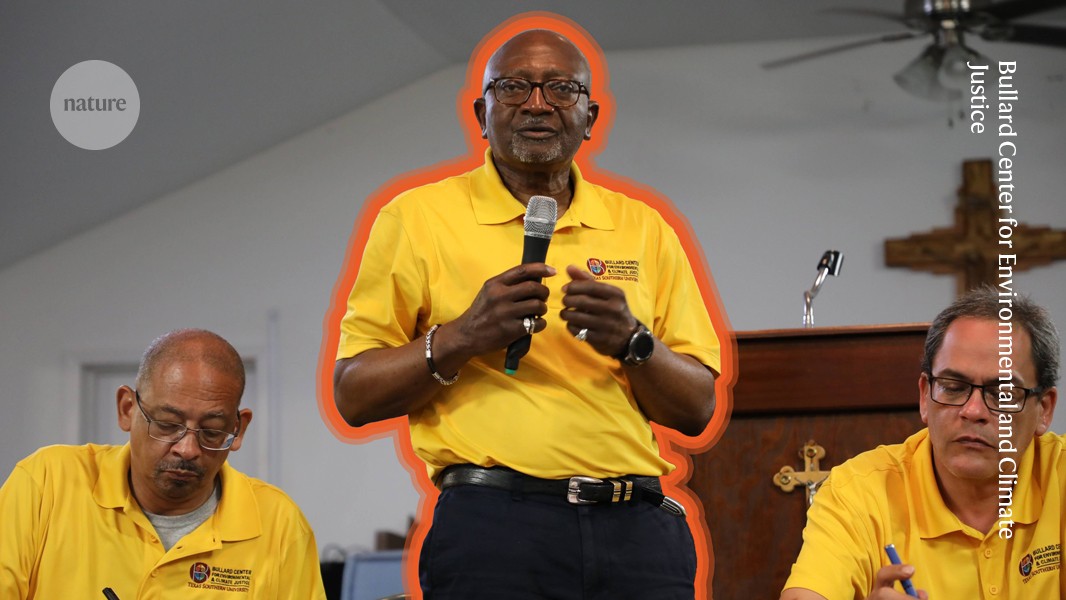
2 months agoEnvironmental Advocates Confront Trump's Fossil Fuel Agenda | Nonprofit Quarterly | Civic News. Empowering Nonprofits. Advancing Justice.
But to environmental advocates, the announcement sounded less like relief and more like a bill for working people, one that would result in higher fuel costs, increased pollution, and a slower path to clean energy. Critics warn that the decision represents a blow to the energy transition and a significant setback in the fight against climate change overall.
US politics
fromPsychology Today
2 months agoHow Can We Change the World?
There's a myth in our society that real change requires force, strength, and domination. We celebrate athletes, CEOs, and politicians who crush their opponents. But history tells a different story. Lasting social change has often been triggered by humble people whose weapons were passion, principle, and an unwavering commitment to justice and the truth - not the truth we see on TV or read in print media, but rather the truth that we feel deep inside ourselves.
Social justice
fromMindful
1 month agoCan Compassion Save the Planet?
When British author Karen Armstrong won the TED prize in 2008, she used the money to convene a group of religious thinkers from a wide range of faiths to craft an updated version of the Golden Rule for the 21st century. What emerged was the Charter for Compassion, which calls on people around the world "to work tirelessly to alleviate the suffering of our fellow creatures, to dethrone ourselves from the center of our world and put another there, and to honor the inviolable sanctity of every single human being, treating everybody, without exception, with absolute justice, equity and respect."
Philosophy
Environment
fromwww.mercurynews.com
1 month agoOpinion: AI is destroying our planet. We must act to check its growth and save ourselves.
AI's environmental impact is severe, with 2025 freshwater consumption exceeding global bottled water use and projected energy demands by 2034 matching India's entire consumption, requiring immediate action.

fromwww.dw.com
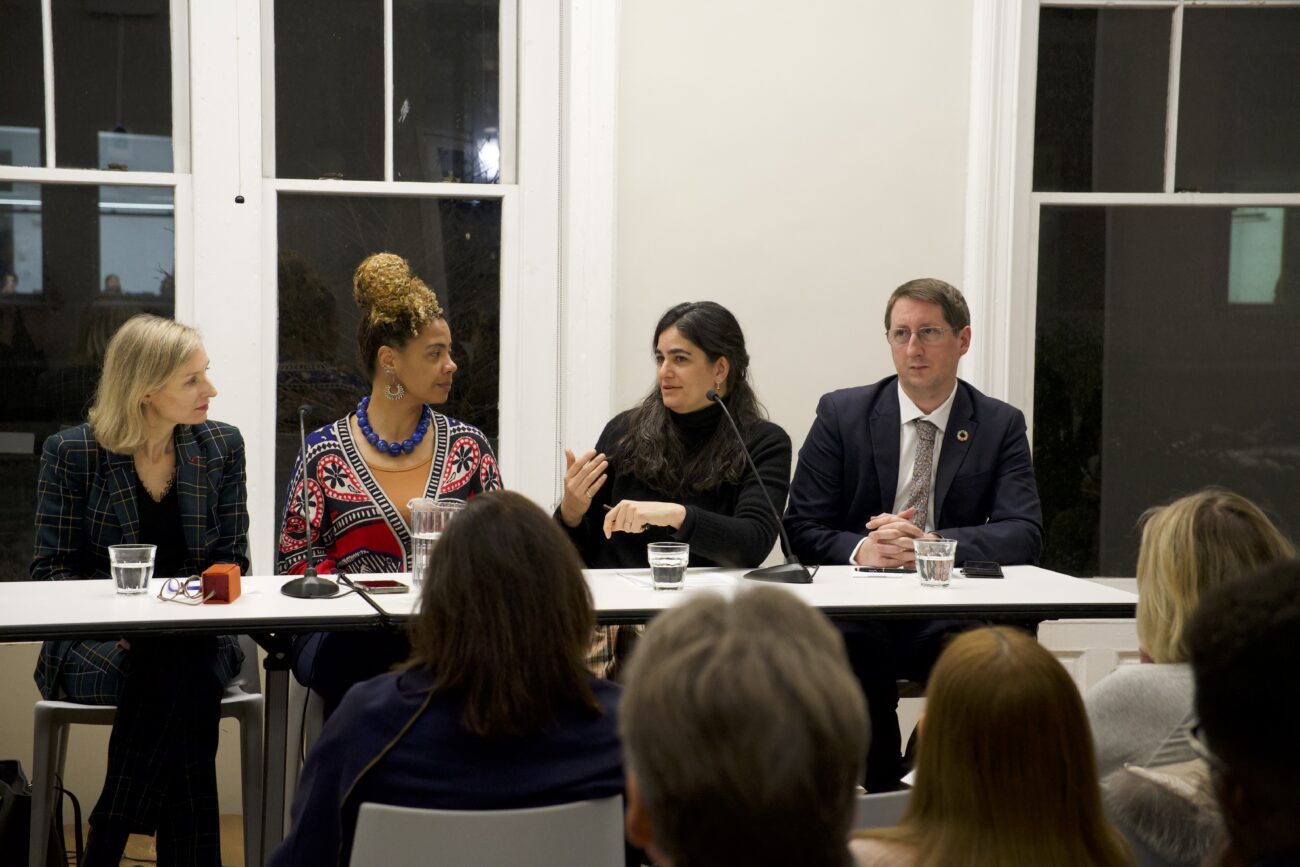
2 months agoThe business of saving nature
The world spends 30 times more money destroying nature than protecting it. That's according to a new report from the United Nations Environment Programme (UNEP) that exposes a massive gulf between so-called "harmful investments" and financing that promotes nature preservation. The global environment agency's latest "State of Finance for Nature" (SNF) report is calling to phase out the US$7.3 trillion (6.2 trillion) in global investments that damage nature including into high-emissions energy infrastructure and manufacturing, for example.
Environment
fromArchDaily
1 month agoHealth, Habitat, and Civic Infrastructure: Designing the City as a National Park
Cities around the world share a common goal: to become healthier and greener, supported by civic infrastructure that restores ecosystems and strengthens public life. The question is how to reach this. Global climate targets, local building codes, and municipal standards increasingly guide designers and planners toward better choices. Still, many cities struggle to translate these frameworks into everyday, street-level comfort and long-term ecological protection.
Environment
[ Load more ]