Lingering tasks make us feel bad. The Zeigarnik effect, first documented by psychologist Bluma Zeigarnik a century ago: explains that unfinished tasks stick in memory better than completed ones, creating a cognitive burden and potential anxiety trigger. Research shows that incomplete tasks cause rumination and might even disrupt sleep patterns. We also have a natural drive to finish what we start, because abandoning tasks feels
What if you could automate the most tedious parts of coding while maintaining full control over your projects? André Mikalsen breaks down how Auto Claude, a free and open source AI coding assistant, is transforming the way developers approach their work. From resolving merge conflicts to generating project roadmaps tailored to your goals, this assistant adapts to your workflow and helps you focus on what truly matters: creativity and problem-solving.
Research going back almost 100 years finds that when you have a task to complete, you are highly motivated to finish it. It stays active in your memory, and you seek opportunities to get it done. That tendency is normally a good one. But on a break, it is a factor that will drive your mind back to the workplace-even when you're supposed to be relaxing. To give yourself the best chance to chill, see if you can close out key tasks before you leave. At a minimum, reach a good stopping place on tasks so that you don't feel like you have left them incomplete.
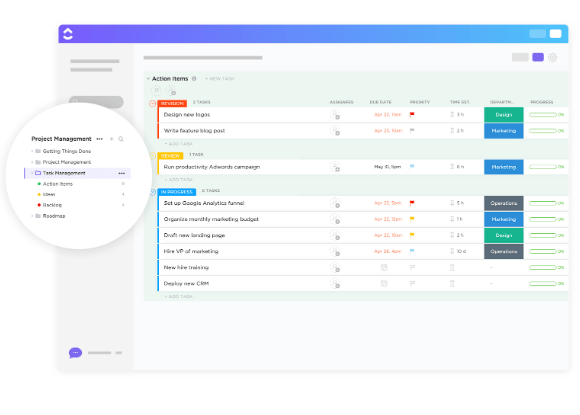
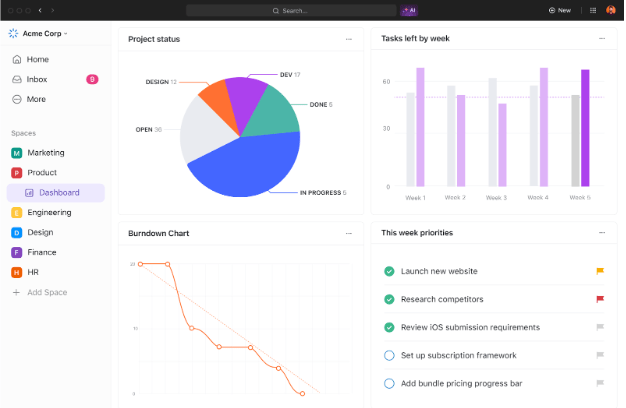
Hey everyone I've been thinking about how teams handle growth when basic task management tools start to feel limiting. Early on, tools focused on tasks work fine. But once projects multiply, deadlines overlap, and teams grow, it feels like something changes. At some point you stop worrying about individual tasks and start worrying about workload, capacity, priorities, and how one project impacts another. That's where things tend to get messy for me.
I know it sounds dumb or facetious or fraudulent to claim something popped into your head (like a prizeworthy thesis dropping into my hands as I walk onto the stage at the professional conference, clueless until then and now indebted to a fickle, periodically enraged alcoholic liaison-to-the-intelligentsia genie), but I swear this is the case, and it doesn't happen to me often.
When your priority becomes moving forward without using more energy, consider dropping one of your criteria for the task. Drop a characteristic you think the solution must have. For example, you might believe you need to give your niece a unique gift each year, when really she would prefer $20 cash and doesn't value uniqueness. Removing the single friction point blocking your progress can ease the emotional weight of the task, often with little or acceptable sacrifice in the outcome.
You know that feeling when your to-do list is a mile long, but nothing seems to be getting done? The problem, often, isn't the workload-it's how the work is structured. Large tasks can be overwhelming, making it hard to know where to start or how to move forward. Breaking them down into smaller, actionable steps helps you stay on track and make real progress.
The updated Essential Space for Nothing's Phone (3) series includes Google Calendar integration, enabling users to sync tasks with their calendar effortlessly. Editable Memory feature allows users to review AI-generated summaries, promoting personalization.