#thermal-comfort-strategies
#thermal-comfort-strategies
[ follow ]
#architecture #environmental-impact #energy-efficiency #sustainable-architecture #sustainability #design
#interior-design
UX design
fromdesignboom | architecture & design magazine
2 days agolight and sound transform tubular office into an immersive interior relax room
The Relax Room transforms corporate meeting spaces into immersive environments for pause and informal interaction using curved geometry and controlled lighting.
fromYanko Design - Modern Industrial Design News
2 days agoThe Tiny Home That Proves You Don't Have to Downsize Your Family to Downsize Your Life - Yanko Design
The Harmony measures 34 feet long and 8.5 feet wide, making it road-legal across North America without a special permit. Inside, the floor plan stretches to 423 square feet, thoughtfully designed for family living.
Real estate

fromArchDaily
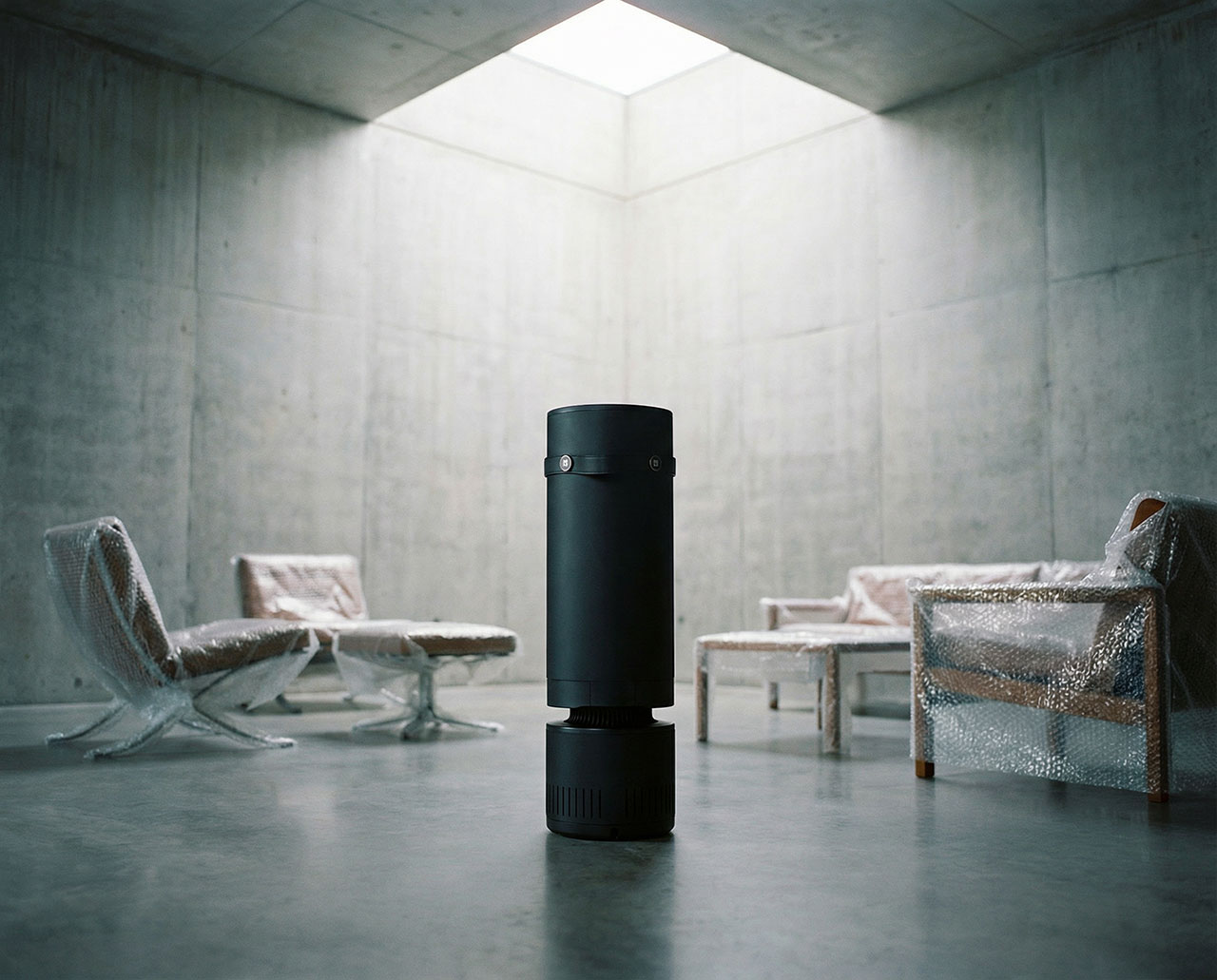
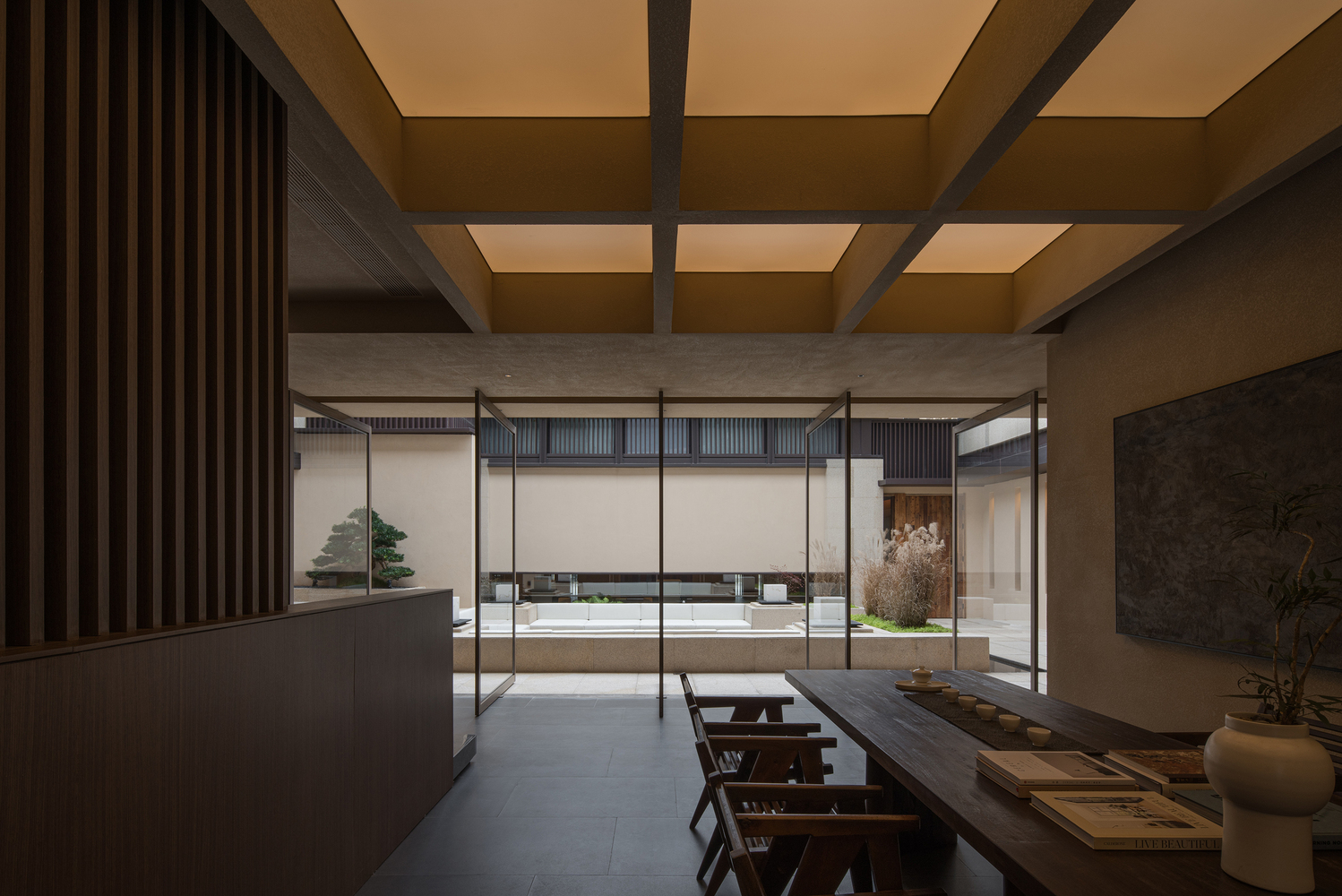
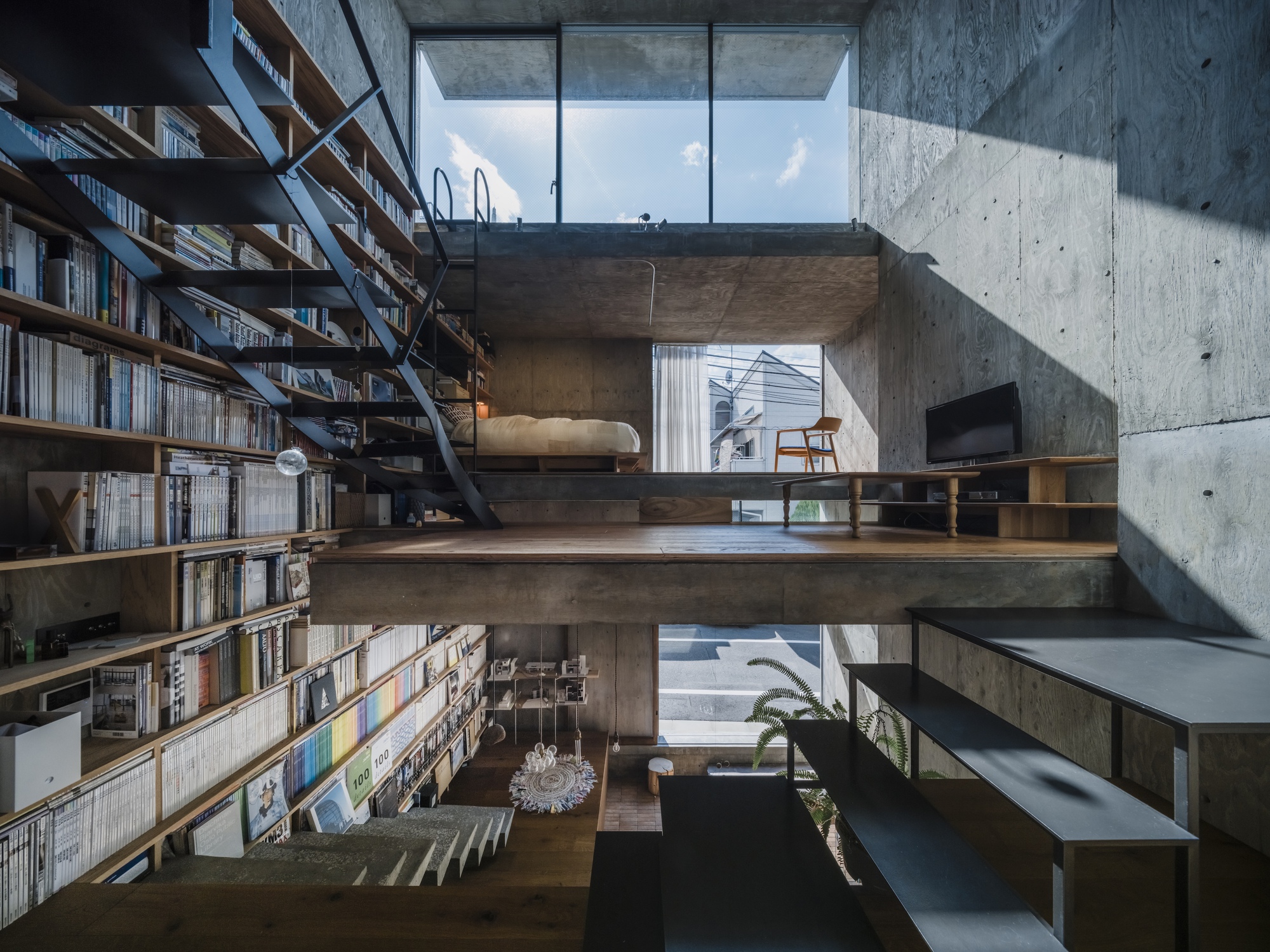
5 days agoHow Terraco Enhances Thermal Efficiency and Facade Longevity in Prefabricated Buildings
Offsite construction has delivered measurable environmental gains, with a peer-reviewed study showing an average reduction of 78.8% in construction waste compared to conventional methods. Under controlled factory conditions, reductions can reach up to 90%, highlighting significant improvements in sustainability.
Environment


Design
fromYanko Design - Modern Industrial Design News
1 week agoBiomimetic Architecture Reaches New Heights With This Bird-of-Paradise Yoga Space - Yanko Design
Thilina Liyanage's architecture translates animal gestures into functional designs, exemplified by the Rifle Bird Yogashala inspired by the Victoria's riflebird's courtship display.
fromArchitectural Digest
3 weeks agoHome Design for a Longer Life: Can a House Really Promote Longevity?
When you design your home with intentionality, you are essentially 'hard-coding' healthy behaviors into your daily rhythm. Health outcomes are the result of thousands of micro-decisions—so in his own home, he prioritized spaces like the kitchen, whose open layout makes cooking a pleasure, and the gym, centrally located.
Wellness
Environment
fromFortune
1 week agoData centers are so hot, their 'heat island' effect is raising temperatures up to 6 miles away and impacting 343 million people worldwide, study finds | Fortune
AI infrastructure is creating a 'data heat island effect' that raises local temperatures and impacts millions of people.
fromArchDaily
1 month agoLight from Above: Measuring and Designing Daylight Under Sloped Roofs
From Alpine chalets shedding snow to Mediterranean roof tiles mitigating summer heat, the slope responded to climate and construction challenges long before it became an aesthetic code. Although modern architecture has favored horizontal planes and orthogonal plans, the pitched roof requires a project to be conceived in section.
Miscellaneous
Remote teams
fromwww.hrdive.com
3 weeks agoOffice space must support learning and well-being to attract workers, design firm says
Employees prioritize physical and mental wellness amenities, focused work spaces, and nature access in office design, with reduced resistance to return-to-office policies as job market tightens.
fromLondon Business News | Londonlovesbusiness.com
1 month agoHow to maintain efficient heat recovery ventilation in modern commercial spaces - London Business News | Londonlovesbusiness.com
Checking your equipment once a month helps catch small issues before they turn into expensive repairs. A routine keeps everything running smoothly and extends the life of the hardware. Managers should create a simple checklist for their maintenance staff to follow.
Business
#technosphere
Design
fromArchDaily
3 weeks agoRethinking Architecture at the Scale of Planetary Systems
Contemporary architecture operates within interconnected technological systems—energy networks, data infrastructures, and global logistics—that fundamentally shape what can be built, its affordability, performance, and waste production.
fromArchDaily
3 weeks agoSpaces That Feel Back: How Buildings Respond to Human Behavior
Decades of research in environmental psychology and building science reveal that indoor conditions can profoundly affect human health and behavior. Lighting influences circadian rhythms and sleep patterns. Air quality impacts cognitive performance and respiratory health. Temperature and acoustics shape comfort and concentration.
Renovation
fromArchDaily
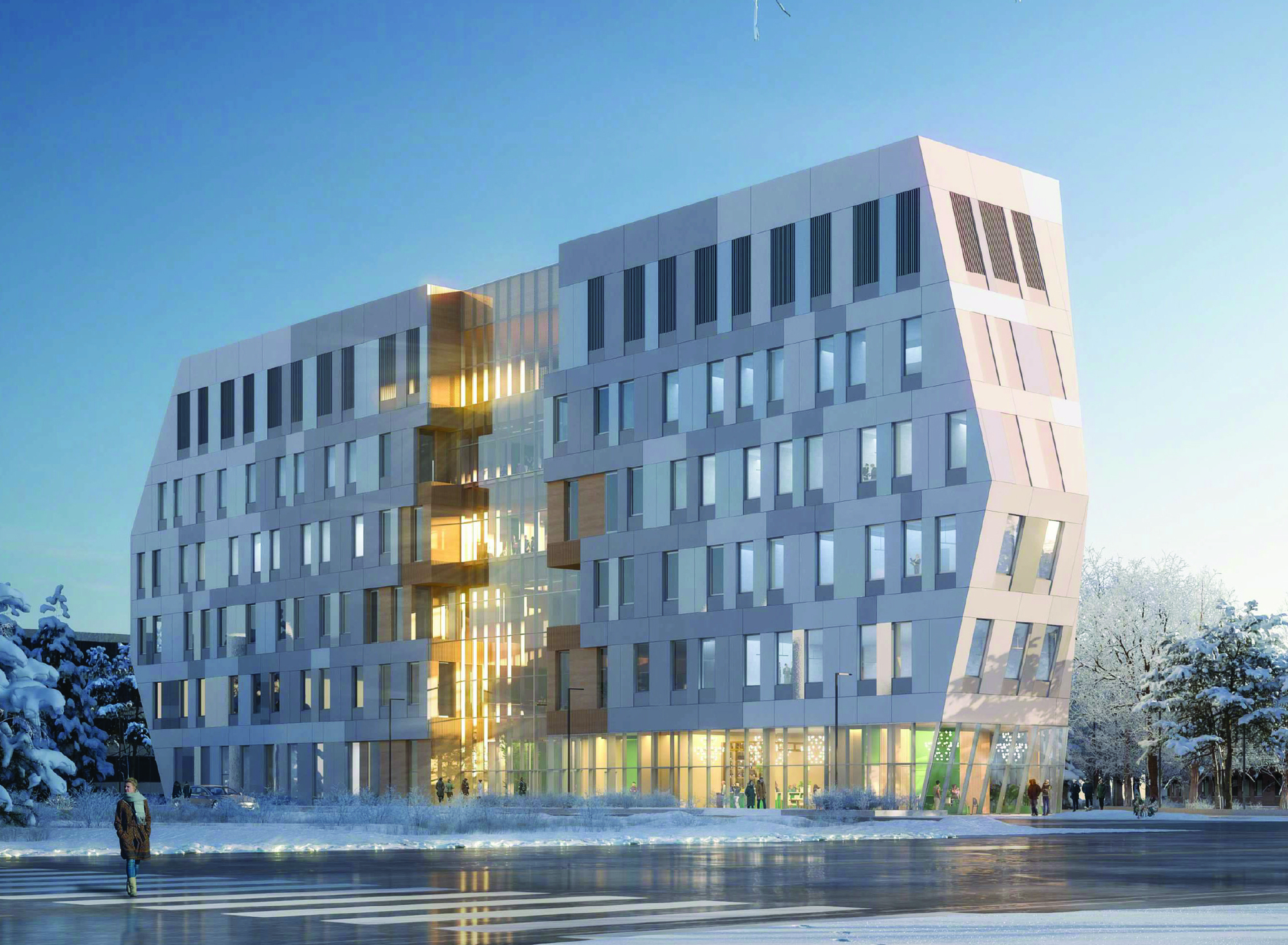
1 month agoDesigning the Sensory City: Architecture, Light Pollution, and Urban Noise
For most of human history, night arrived as a planetary certainty. Darkness spread across landscapes, and the sky revealed thousands of stars. Today, that sky is disappearing. Artificial light spills upward from cities, scattering through the atmosphere and turning night into a permanent haze. Research mapping global sky brightness shows that more than 80 percent of humanity now lives under light-polluted skies, and the Milky Way has vanished from view for over a third of the world's population.
Environment
fromArchDaily
1 month agoThermal Memory: How Climate Shapes Architectural Heritage
Heritage is usually catalogued by what can be drawn, not by what changed temperature. In heat, buildings are learned first through skin, only later through sight. Generations learn, through their bodies, what works. Shade reduces glare and radiant heat. Air movement shifts perception by several degrees. Thick walls slow temperature swings.
Miscellaneous
fromArchDaily
1 month agoHow Architecture Is Learning to Generate Its Own Energy
Photovoltaic (PV) solar energy represents a modular technology that can be manufactured in large-scale facilities, generating economies of scale, while also being adaptable to small-scale applications. From residential rooftop systems to large-scale power generation installations, photovoltaic solar energy has established itself as a cost-effective option for electricity production in many countries around the world.
Environment
fromArchDaily
1 month agoBuilding with Earth: Traditional Knowledge in Contemporary Architecture
Rather than representing a simple return to the past, this renewed interest reflects a broader reconsideration of how architecture engages with materials, local resources, and environmental conditions.
Renovation
fromThe Independent
1 month agoNew study settles the debate between open-plan vs private offices
Many organisations don't need as much floor space or as many desks, given that many staff now do a mix of hybrid work from home and the office. But on days when more staff are required to be in, office spaces can feel noticeably busier and noisier. Despite so much focus on getting workers back into offices, there has been far less focus on the impacts of returning to open-plan workspaces.
Psychology
Renovation
fromRedfin | Real Estate Tips for Home Buying, Selling & More
1 month ago5 Reasons Why Lighting Design Matters More Than You Think in Home Interiors
Thoughtful lighting design enhances home comfort, style, and well-being by supporting circadian rhythms and transforming how spaces feel and function.
Renovation
fromArchDaily
1 month agoUnderstanding U-Value: The Foundation of Energy-Efficient Envelopes
Building envelope thermal transmittance (U-value) is the fundamental metric determining energy efficiency, calculated by dividing heat flow by surface area and temperature difference to assess insulation performance.
fromRedfin | Real Estate Tips for Home Buying, Selling & More
2 months agoCreating a Home That Fits Your Lifestyle: 5 Design Tips for Everyday Living
Creating a home that fits your lifestyle isn't about following trends or copying a perfectly styled space you saw online. It's about designing a home that supports how you actually live, starting with choosing the right type of house for your needs, from busy weekday mornings to slow weekends and everything in between. When your home works with your routines instead of against them, everyday life feels easier and more comfortable.
Remodel
fromArchDaily
1 month agoWhen Light Meets Energy in Glass Ceilings
From the large industrial roofs and galleries of the 19th century to the contemporary atriums of museums and public buildings, glass has been a recurring material in shaping large and monumental interior spaces. More than a technological or engineering solution, these horizontal glazed planes introduce a distinct luminous quality: light that comes from above. Unlike lateral daylight entering through façades, zenithal light is more evenly distributed, reduces harsh shadows, and lends spaces a sense of continuity and openness that is difficult to achieve otherwise.
Design
fromSilicon Canals
2 months agoWhy your house is dustier than your neighbor's and the airflow mistake causing it - Silicon Canals
I was that person who only changed their HVAC filter when it looked like it had grown its own ecosystem. Richie Drew, Vice President of Operations at One Hour Heating & Air Conditioning, puts it bluntly: "Dirty filters can reduce airflow, increase dust in your home and strain your heating system." Think about it this way: your HVAC filter is like the bouncer at an exclusive club, except instead of keeping out people without the right shoes, it's blocking dust particles from circulating through your home.
Remodel
Environment
fromArchDaily
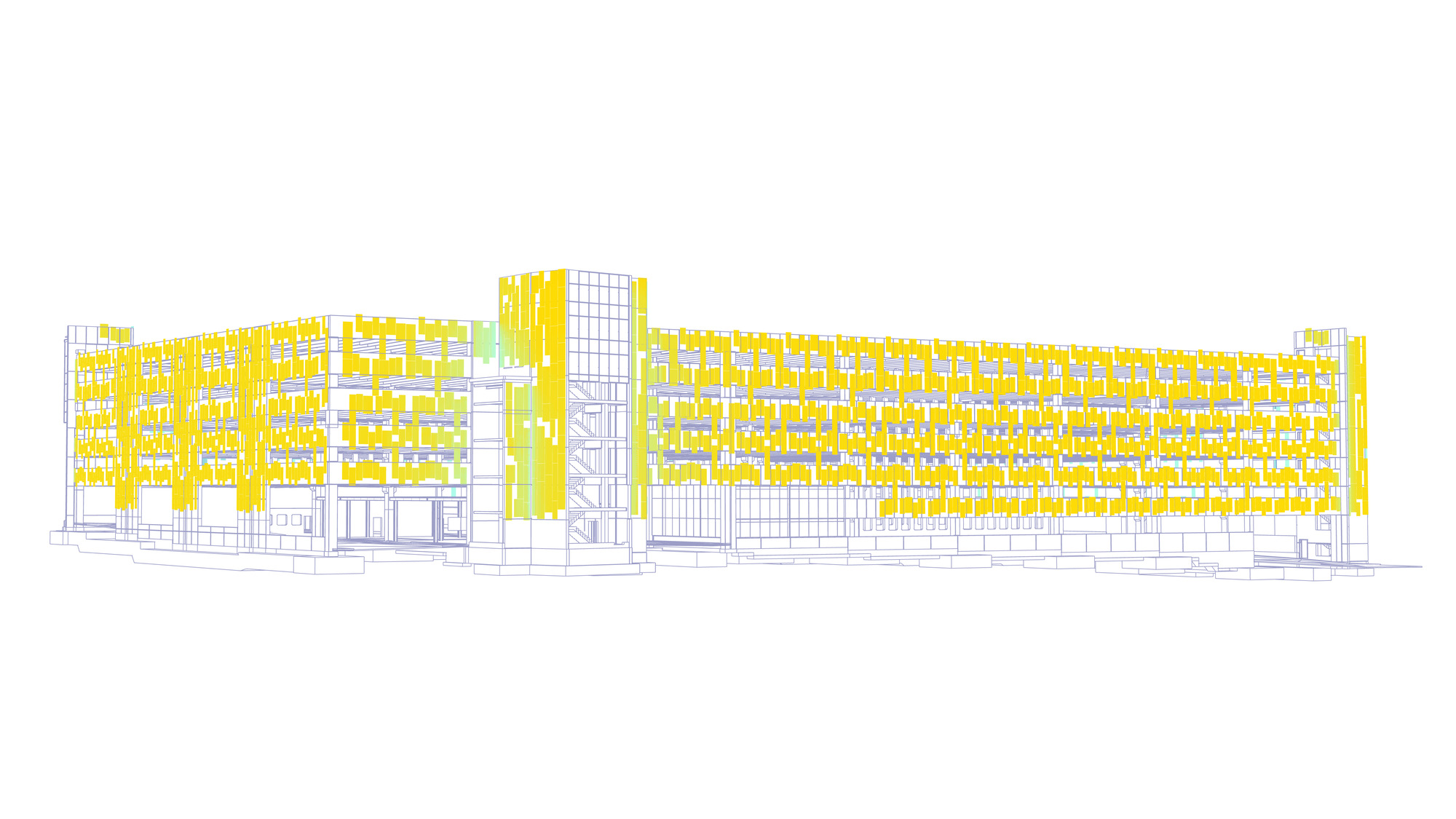
1 month agoCan Shading Become Energy? From Passive Facades to Productive Envelopes
Facades can generate significant renewable energy by integrating colored photovoltaic shutters that combine shading, daylight control, and electricity production without adding envelope complexity.


fromWIRED
2 months agoI Love My Dehumidifier and Will Never Go Back to the Damp
You should buy a dehumidifier. It will almost certainly improve your home environment. Pulling moisture from the air helps banish condensation and mold, making it cheaper and easier to regulate the temperature in your house or apartment. There's a reason the chatter about dehumidifiers has grown so loud and sales are soaring; it's because they work. Whether you've seen a persuasive Reddit thread, a life hack on TikTok, or an expert guide to the best dehumidifiers, the hype is real.
Environment
Design
fromYanko Design - Modern Industrial Design News
2 months agoWhy This Air Conditioner Filter Took Design Cues from Your Toolbox - Yanko Design
Snapcool reimagines AC filter maintenance with a tape-measure-inspired sliding filter, making cleaning effortless, visible via an orange compartment, and visually appealing.
[ Load more ]