#toaster-oven-safety
#toaster-oven-safety
[ follow ]
fromRedfin | Real Estate Tips for Home Buying, Selling & More
2 weeks agoHow to Help Prevent Fires at Home: 9 Tips Every Homeowner Should Know
Charging lithium-ion batteries can lead to overheating or ignition if damaged or overcharged. It's crucial to charge them in well-ventilated areas and avoid overnight charging.
Renovation
Everyday cooking
fromTasting Table
3 days agoThis Clever Oven Feature From The '50s And '60s Is Missing From Modern Kitchens - Tasting Table
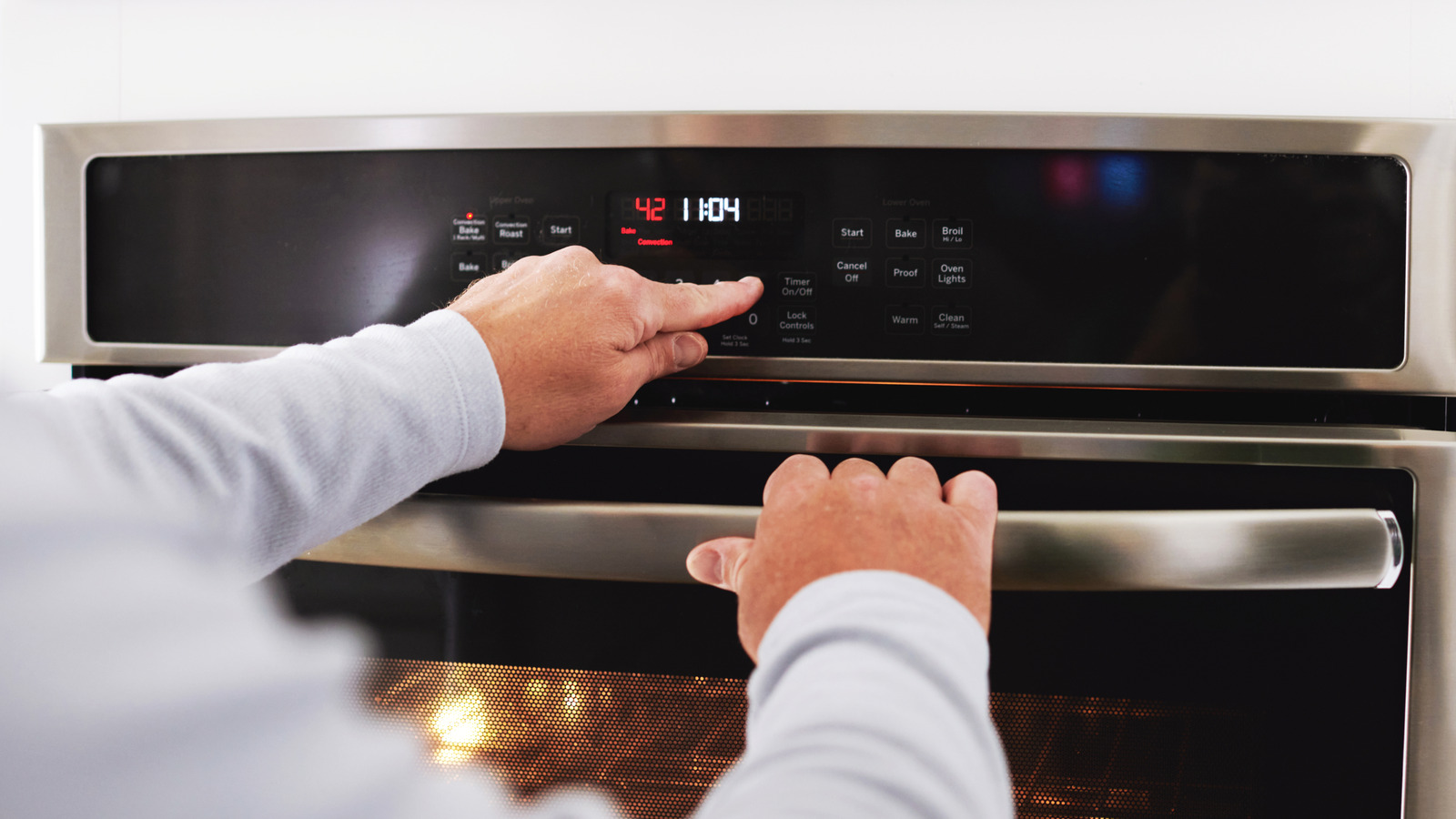
Modern kitchen technology aims to simplify cooking, but vintage ovens had unique features like pull-out cooking charts that provided detailed cooking instructions.
fromTasting Table
3 days agoThe Biggest Mistake You're Probably Making With Your Dishwasher's Lower Rack - Tasting Table
One of the biggest mistakes you're making when loading your dishwasher is blocking the upper or lower spray arms from functioning. Tall items can also fall over during the cleaning cycle, preventing water from the lower spray arms or detergent from the door from reaching all of the dishes.
Everyday cooking
fromTasting Table
1 month agoHow To Pick The Right Fire Extinguisher For Your Kitchen (And Find It At Walmart Affordably) - Tasting Table
According to the National Fire Prevention Association (NFPA), the most common cause of kitchen fires is unattended cooking. The best way to protect yourself and your home is to be proactive about fire prevention and prepared to quickly and safely extinguish a fire. First, make sure everyone in your household is aware of key kitchen safety rules.
Miscellaneous
fromTasting Table
1 month agoCan You Use Aluminum Foil In The Broiler? - Tasting Table
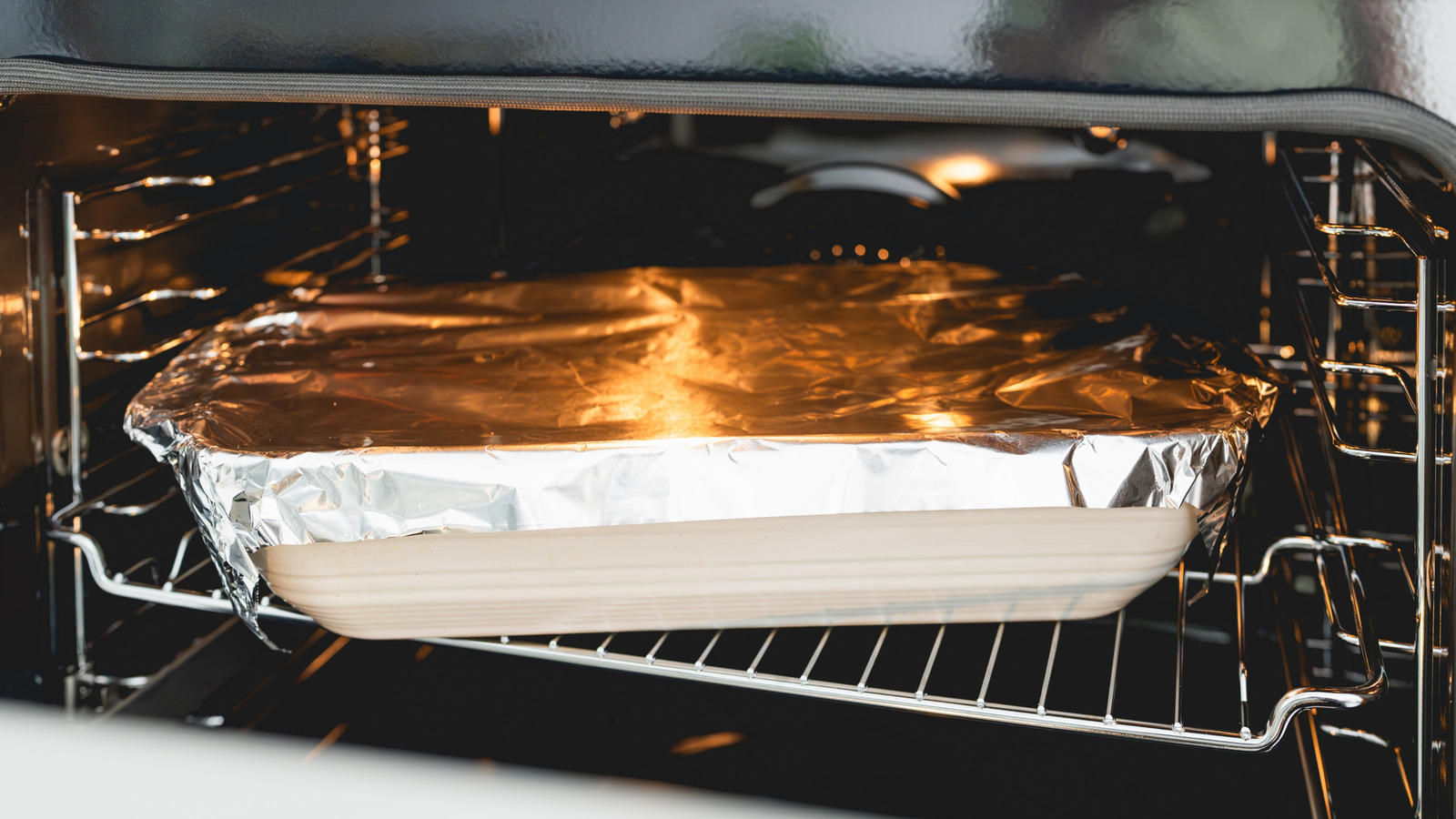
The average oven broiler generally reaches 500 to 550 degrees Fahrenheit. As well as being an incredibly tough material and, despite its malleability, aluminum foil is well within its range to handle the high heat of a broiler. At 1,220 degrees Fahrenheit, it has a melting point over double the average temperature your broiler can reach.
Cooking
fromTasting Table
2 weeks agoThe Reason Mold Keeps Coming Back In Your Dishwasher Even After Cleaning (And How To Fix It) - Tasting Table
Mold loves warm and wet conditions, making your dishwasher a playground for spores - especially around the filter where there tends to also be a buildup of food residue.
Everyday cooking
fromTasting Table
2 weeks agoHow To Properly Clean Up After An Oven Fire - Tasting Table
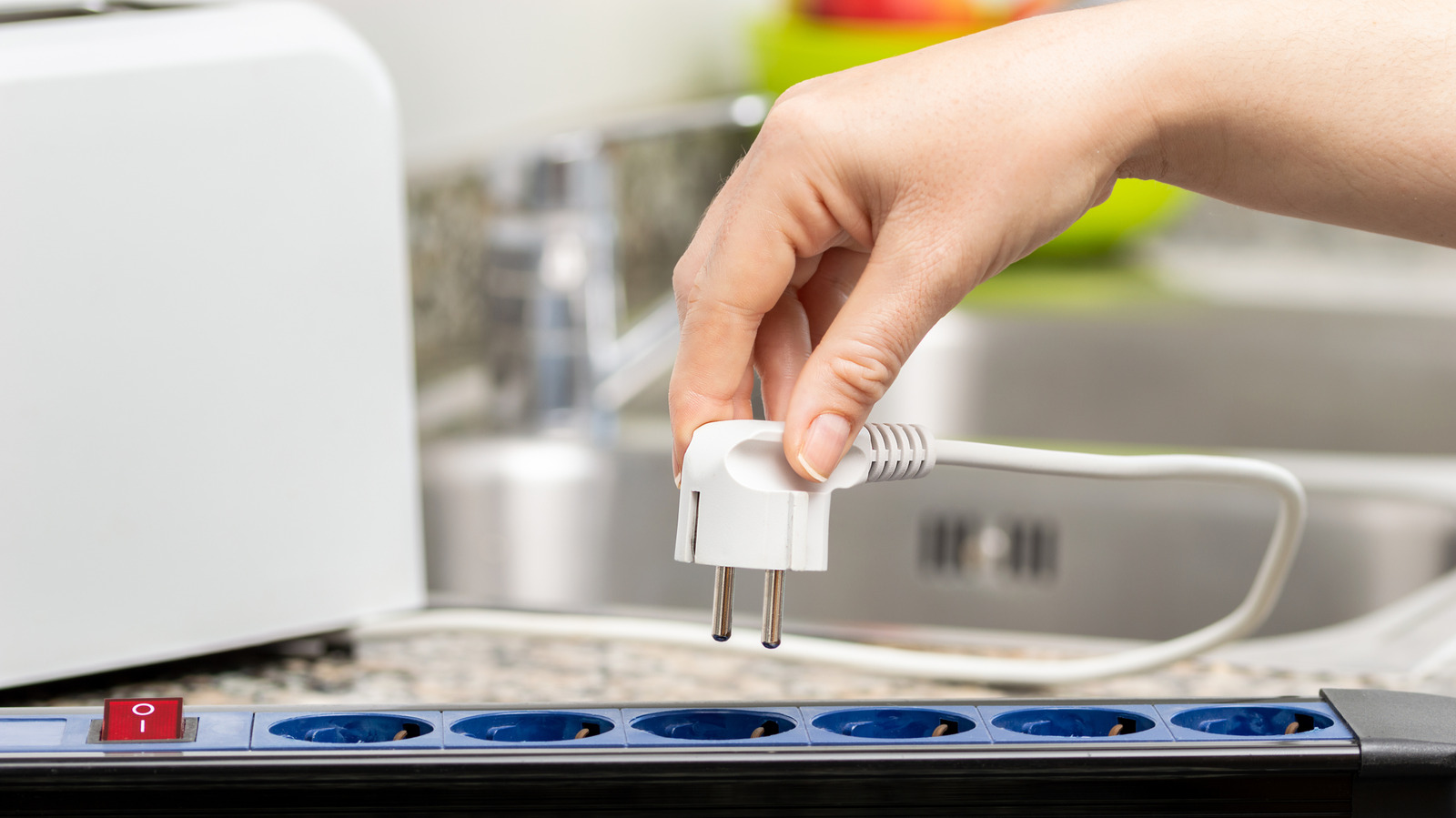
Cleaning your oven after a fire is a multi-step process. Once you have safely extinguished the fire, turn off the oven and close the oven door. You should also unplug or disconnect nearby appliances and electronics.
Everyday cooking
fromTasting Table
2 months agoThe Easiest Way To Prevent Gross Fridge Odor From Happening After Your Power Goes Out - Tasting Table
Loading your fridge with frozen ice packs ahead of time can help keep it cool if the power shuts down, and grouping cold food together can help it stay cool even as the temperature warms. It also helps to have a separate cooler ready to move any perishable items into during a prolonged outage. But no matter how else you prepare, you should also stave off odors by using a sponge.
Food & drink
fromTasting Table
2 weeks agoMike Holmes Named The Kitchen Appliances That You're Wasting Money On - Tasting Table
Energy-efficient appliances are designed to reduce energy consumption, reduce their impact on the environment, and reduce your utility bills. Old, outdated, and inefficient appliances draw more power than they need or run longer to achieve effective results.
Everyday cooking
fromTasting Table
2 months agoThis Common Air Fryer Placement Mistake Can Be A Serious Fire Hazard - Tasting Table
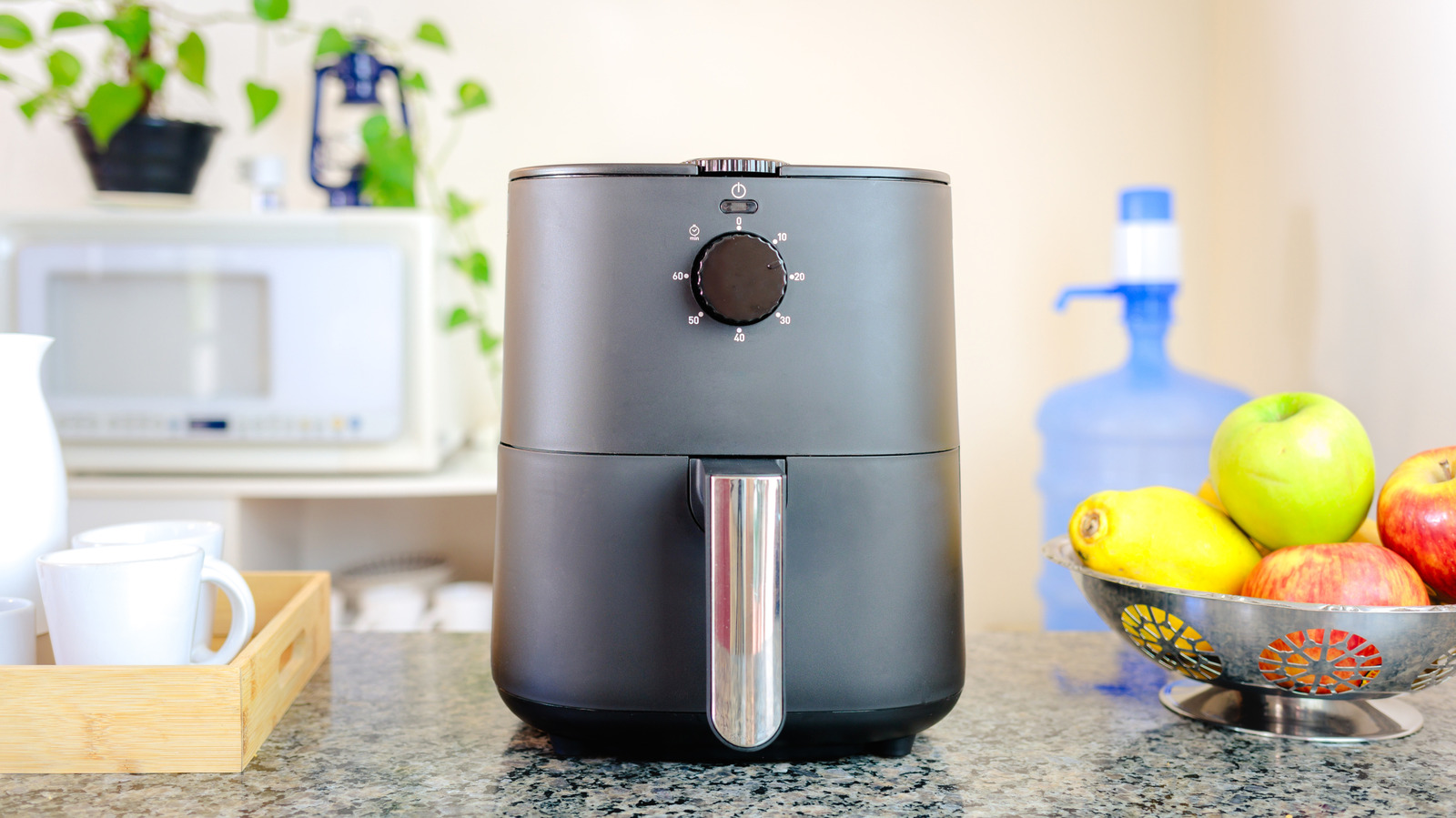
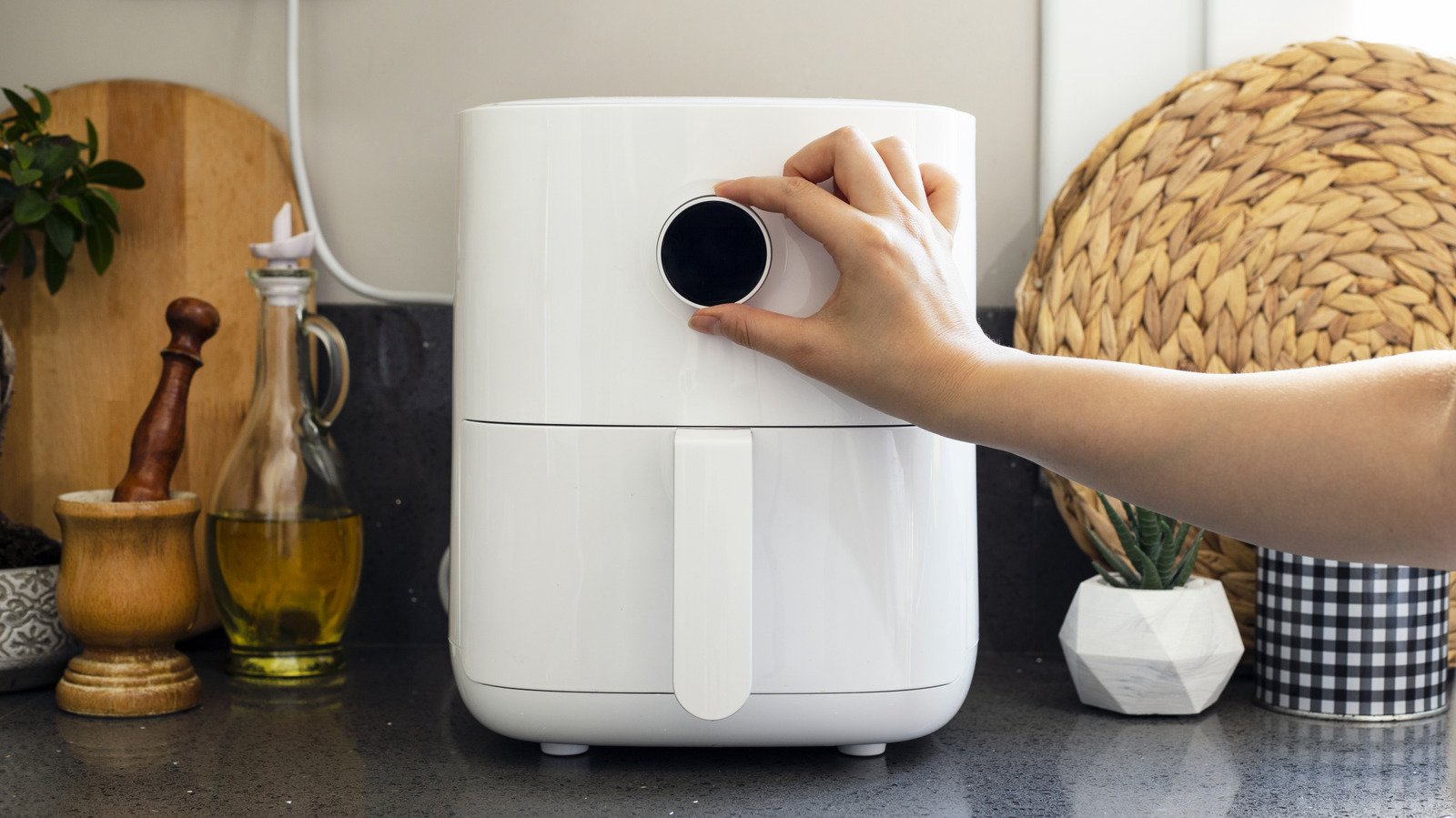
Air fryers have vents at the back that allow them to cool down through the process, and it's important those vents don't get blocked - otherwise, your appliance can melt or catch on fire. "As a general rule ... it's important not to place your air fryer on any uneven surfaces, on top of flammable materials, or too close to walls to avoid any accidents,"
Cooking

fromFast Company
2 months agoThese popular air purifiers are being recalled over fire risk
Airova is recalling 191,390 Aroeve air purifiers over concerns they could "overheat and ignite, posing fire and burn hazards to consumers," according to a recent notice from the Consumer Product Safety Commission (CPSC). Airova received 37 reports of the air purifiers overheating-including one incident that resulted in a fire-however, there have been no reports of injuries or property damage. The CPSC notice said the popular air purifiers sold online at Amazon, Shopify, Temu and TikTok Shop from September 2024 through June 2025.
Public health
fromTasting Table
1 month agoAir Fryers Vs Toaster Ovens: Which Appliance Uses The Most Electricity? - Tasting Table
In most cases, the air fryer uses less electricity than a toaster oven. Air fryers are typically rated between 1,200 and 1,800 watts, while toaster ovens can range from 1,200 up to 2,400 watts depending on size and features.
Cooking
fromTasting Table
1 month agoThe Absolute Best Method To Prevent Dark Bread Bottoms - Tasting Table
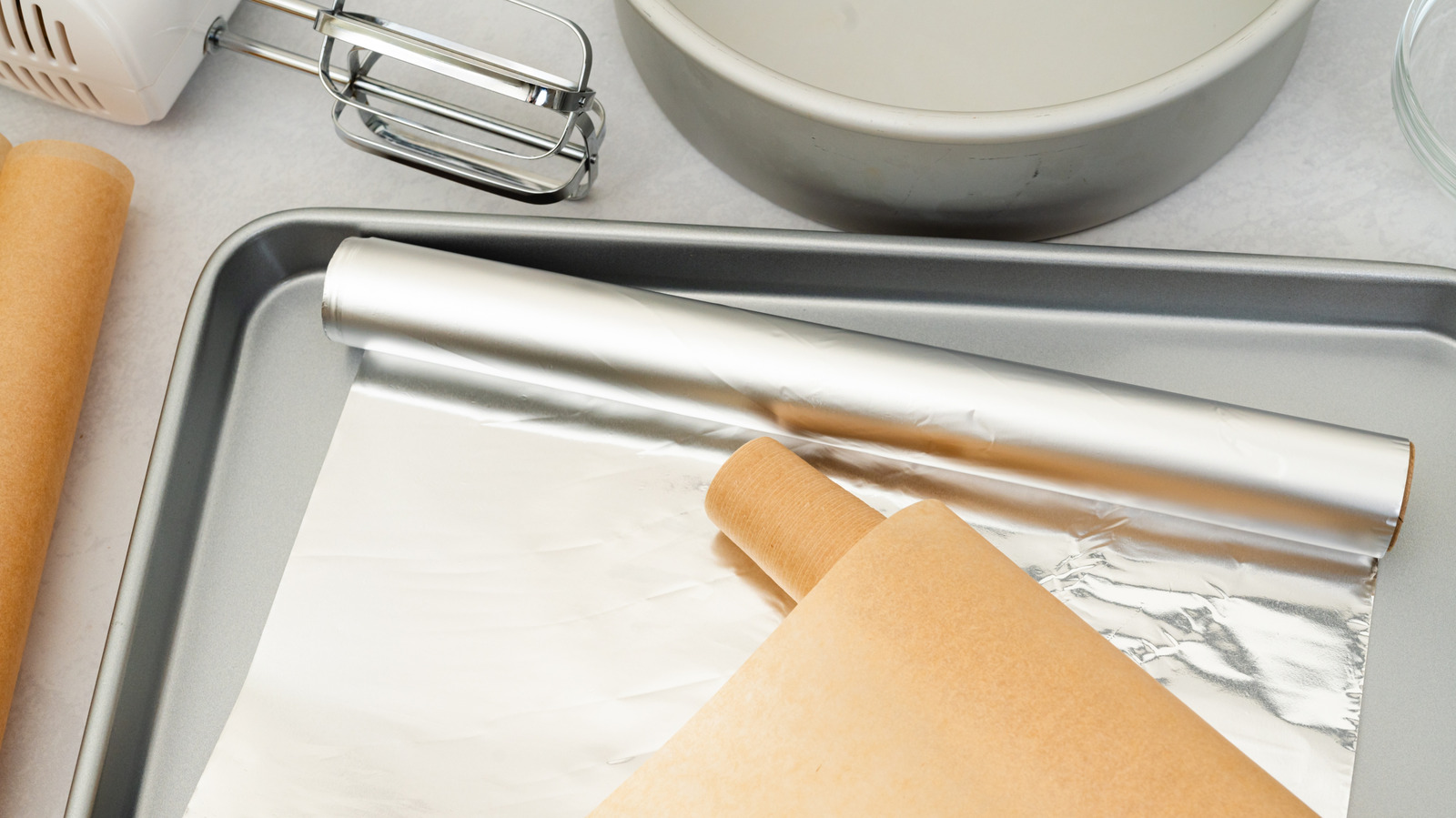
A burnt bottom is simply caused by the bread coming into direct contact with a hot Dutch oven or stone. Luckily, this is the simplest issue to fix - all you need to do is place some aluminum foil between the bread and your cooking vessel. The foil will create a barrier between the loaf and the hot surface and absorb some of the heat, lowering the temperature of the bread's bottom without impacting the overall temperature of the Dutch oven.
Everyday cooking
Everyday cooking
fromTasting Table
1 month agoSkip The Microwave And Reheat Leftovers This Way For Even Heating - Tasting Table
Convection ovens reheat leftovers more effectively than microwaves by circulating hot air for even heating and crispy exteriors, and air fryers function as accessible convection ovens for home kitchens.
Everyday cooking
fromwww.mercurynews.com
1 month agoThese dual fuel ranges offer the ultimate cooking precision
Dual fuel ranges combine gas stovetops with electric convection ovens, offering precise temperature control and versatile cooking capabilities including roasting, baking, air frying, and broiling.
[ Load more ]