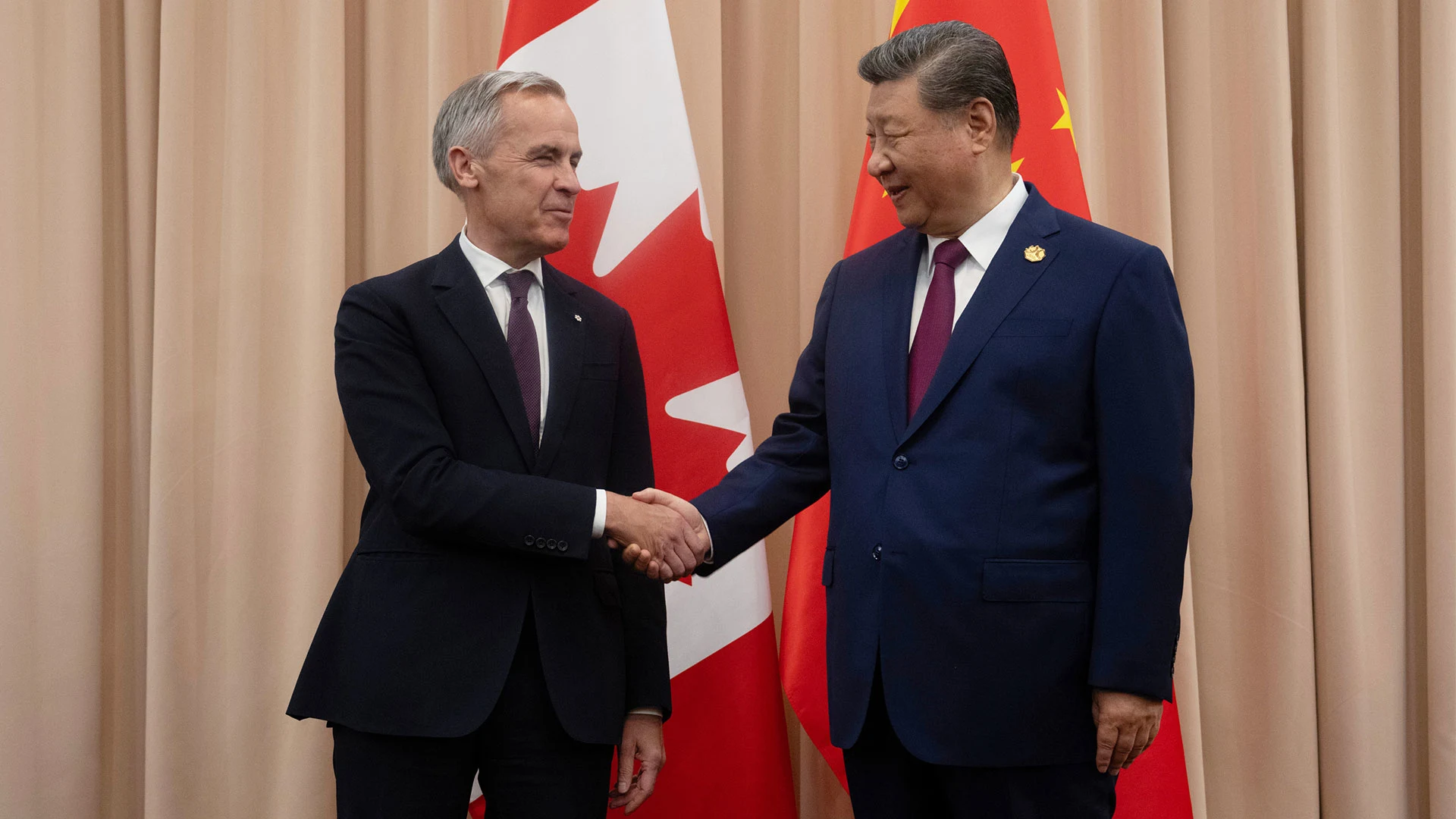
The urge to visit Beijing has gotten stronger lately among allies of the United States. Canadian Prime Minister Mark Carney, who referred to China last year as his country's biggest security threat, made the trip last month, as did his British counterpart, Keir Starmer. Next week, German Chancellor Friedrich Merz, who heads the largest economy in Europe, plans to meet with Xi Jinping during a three-day visit packed with discussions of security and trade.
After nearly two decades of negotiations, India and the European Union announced Tuesday they have reached a free trade agreement to deepen economic and strategic ties. The accord, which the EU chief described as the "mother of all deals," could affect as many as 2 billion people. The deal between two of the world's biggest markets comes as Washington targets both India and the EU with steep import tariffs, disrupting established trade flows and pushing major economies to seek alternate partnerships.
"Canadians know that our old, comfortable assumption that our geography and alliance memberships automatically conferred prosperity and security is no longer valid," Carney said. As it grapples with this new dynamic, Carney said Canada must be "principled and pragmatic" and turn inward to build up the country and diversify trading relationships to become less reliant on countries like the U.S., now that it's clear "integration" can lead to "subordination."
China recorded strong exports in 2025 with a record $1.2 trillion trade surplus, as producers shifted their focus to markets other than the US amid Trump's tariffs. Customs data showed that Beijing's global surplus rose 20% from the previous year, which saw a $992 billion surplus. Exports in 2025 stood at $3.7 trillion and imports at $2.58 trillion, government data showed on Wednesday. The record surplus was aided by a 6.6% bump in exports in the month of December when compared to December 2024,
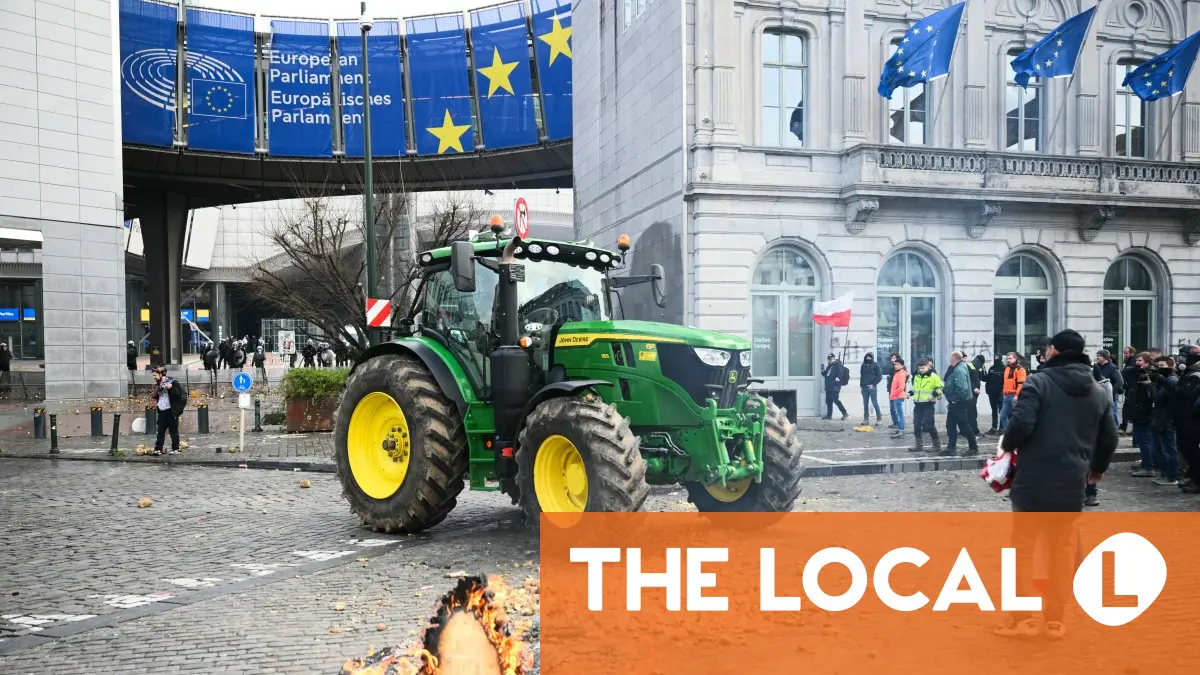
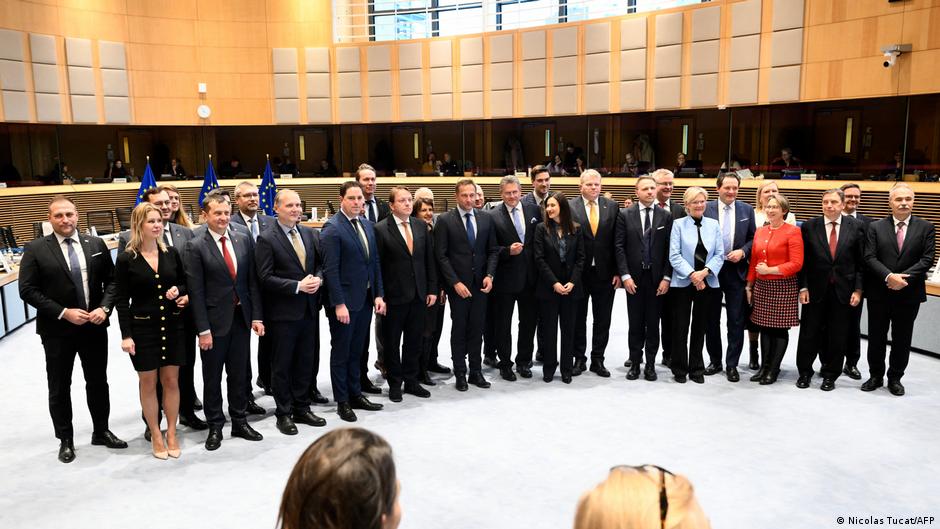
The European Commission, which concluded negotiations a year ago, and countries such as Germany and Spain argue it is a vital part of an EU push to unlock new markets to offset business lost from U.S. tariffs and to reduce reliance on China by securing access to critical minerals. Opponents led by France, the European Union's largest agricultural producer, say the agreement will jack up imports of cheap food products, including beef, poultry and sugar, undercutting domestic farmers.
Within a year, the US's second-largest trading partner has rapidly ramped up efforts to explore new deals with regional powers in Asia, or to revive talks that had been previously put on ice. As of November, the US has imposed a 35% tariff on all goods from Canada that are not covered by the USMCA. Canadian exports of steel and aluminum to the US also face a 50% duty.
Just about every major exporting economy was hit by U.S. President Donald Trump's "Liberation Day" tariffs in April. Malaysia was no exception, getting a 24% "reciprocal tariff" on its exports to the U.S. which, while perhaps not as catastrophic a level as some of its neighbors, still posed a significant threat to the Southeast Asian economy. Yet, Malaysia's government took a more measured response to new U.S. protectionism.