#transport-regulation
#transport-regulation
[ follow ]
#autonomous-vehicles
Alternative transportation
fromSustainable Bus
19 hours agoNorwegian authority approves driverless Karsan e-Atak operation without safety driver - Sustainable Bus
Norwegian operators Vy and Kolumbus will run an autonomous bus on public routes without a safety driver, marking a significant advancement in public transport.
#transportation


fromBusline News
1 week agoAlternative transportation
Message From 2026 UMA EXPO: Fast-Moving Policy Environment Requires Education & Determination - Busline News
Understanding regulatory responses is crucial for the transportation sector, especially regarding new laws impacting the U.S. bus and motorcoach industry.
SF politics
fromStreetsblog USA
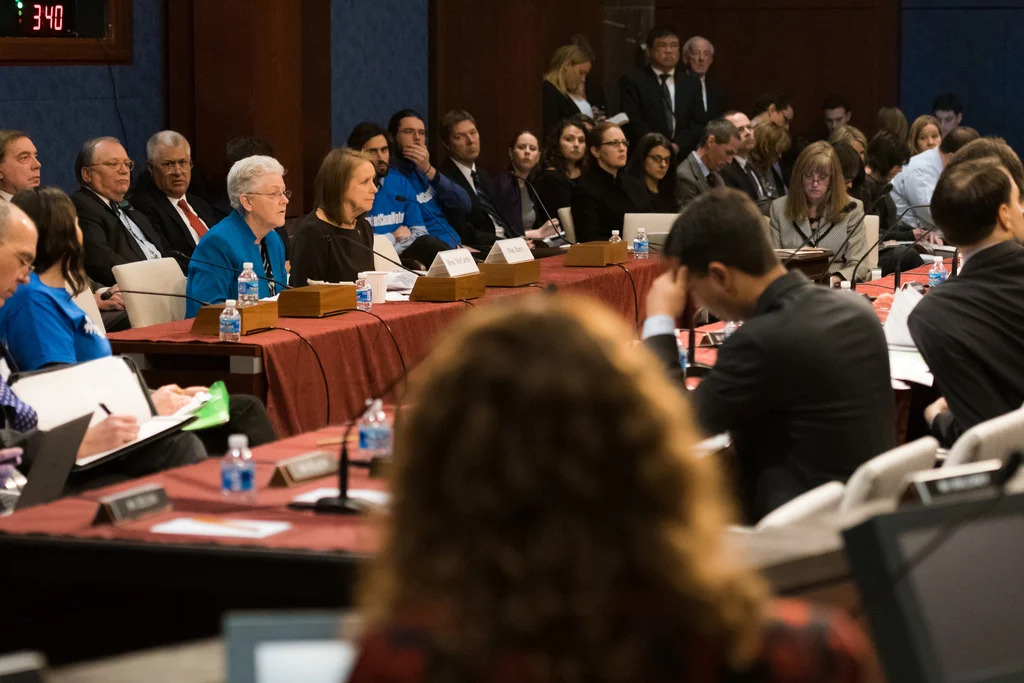
1 day ago"Why Do We Do This Bill?": Preparing Congressional Staff for Surface Transportation Reauthorization - Streetsblog USA
Federal surface transportation reauthorization lacks institutional knowledge, leading to skepticism about its effectiveness and the need for reevaluation.


NYC real estate
fromStreetsblog New York City
1 hour agoAsk An Insurance Industry Insider: Safe Streets Are The Best Way To Bring Down Insurance Costs - Streetsblog New York City
Personal injury lawyers and insurance companies dominate advertising, reflecting a complex system of risk assessment and cost management in insurance.
NYC politics
fromStreetsblog Empire State
1 day agoANALYSIS: MTA Example Case For Hochul's Insurance Plan Does Not Hold Up To Scrutiny - Streetsblog Empire State
A driver caused severe injuries to two pedestrians, leading to a liability dispute where the MTA may pay damages due to the driver's lack of insurance.
fromIndependent
1 day ago600m 'Fingluas' extension can go ahead after legal actions by local businesses settled
The High Court on Monday, Judge Richard Humphreys made orders on consent striking out the cases brought by various businesses, including the owners of the Manhattan Peanuts factory on McKee Avenue in Finglas.
London food
Public health
fromStreetsblog New York City
6 days agoNeed To Kill Cross Bronx Widening Plan Is Obvious Amid Slight Congestion Pricing Pollution Uptick - Streetsblog New York City
Gov. Hochul has delayed a decision on widening the Cross Bronx Expressway due to concerns over increased pollution in the Bronx.
fromStreetsblog California
1 day agoOpEd: Separating Substance from False Solutions, E-bike and E-moto Activity in Sacramento - Streetsblog California
Senate Bill 1167 has received the most favorable press, based on the understanding that the e-bike problem is actually an e-moto problem. The ruckus and ER visits are not caused by pedal-assist class 1 and 3 e-bikes, but by throttle devices that often fail to cut off at 20 mph, leading to safety concerns.
Alternative transportation
fromAdirondack Almanack
1 day agoNYSDOT announces recognition for emergency bridge projects
"This recognition is a testament to the talent, dedication, and 'can-do' spirit of the professional staff on the NYS Department of Transportation's team," Commissioner Dominguez said. "From bridge strikes in the capital region to catastrophic flooding in the Adirondacks, our team members work tirelessly to restore traffic and critical infrastructure-safely and quickly-with modern and resilient structures along these vital corridors within New York State."
Brooklyn

Portland
fromPortland Mercury
5 days agoGood Morning, News: Mercury Transportation Issue Drops and Broadway Bridge Reopens? In the Same Week? Curious. - Portland Mercury
A Northeast Portland drug treatment facility closed, affecting nearly 50 women, while local news covers transportation issues and a lawsuit against PacifiCorp.
London startup
fromComputerWeekly.com
1 day agoDatacentre developers tout benefits to local communities, but do they deliver? | Computer Weekly
Datacentre developments are causing challenges for local businesses, raising concerns about energy consumption and community impact despite potential local benefits.
Alternative transportation
fromSustainable Bus
20 hours agoSanta Monica launches $56m zero-emission bus program targeting infrastructure for 195 e-buses - Sustainable Bus
Santa Monica invests $56 million to expand zero-emission bus infrastructure and fleet capacity, aiming for full electrification by 2032.
#electric-buses
Alternative transportation
fromSustainable Bus
19 hours agoTemsa delivers 15 electric buses in Kaunas, Lithuanian fleet to reach 321 units - Sustainable Bus
Temsa delivered 15 electric buses in Lithuania, increasing its fleet to 321 units, supporting the country's transition to zero-emission public transport.
Alternative transportation
fromSustainable Bus
4 days agoCopenhagen achieves 100% electric bus network as Movia deploys 62 new units - Sustainable Bus
Movia has deployed 62 electric buses, achieving 72% electrification of its fleet and completing the transition of all municipal bus lines in Copenhagen to electric operation.

fromSustainable Bus
1 day agoNext Mobility Exhibition 2026: BYD, Iveco Bus, Irizar, Solaris, MAN and Yutong among exhibitors
The event will take place alongside Transpotec Logitec, bringing together passenger and freight transport stakeholders within the same exhibition venue, enhancing collaboration and innovation in the transport sector.
Alternative transportation
#urban-logistics
Alternative transportation
fromLondon Business News | Londonlovesbusiness.com
5 days agoThe 2026 urban logistics challenge: Managing delivery hubs in the city - London Business News | Londonlovesbusiness.com
Cities are becoming critical for delivery management due to e-commerce growth, requiring innovative logistics solutions to meet consumer expectations.
fromwww.bxtimes.com
5 days agoGovernor Hochul announces congestion pricing is funding air quality improvements at Hunts Point Market Bronx Times
Congestion pricing has been a once-in-a-lifetime success story, leading to cleaner air, better transit and faster and safer traffic throughout the city. We knew that to do this right, we had to bring real air quality improvements directly to parts of New York City that have been neglected for far too long.
New York City
fromSustainable Bus
1 month agoEvolution: the practical path to autonomous buses - Sustainable Bus
It's tempting to frame autonomous driving as a single leap. In public transport, adoption tends to be incremental - because the system is built for reliability, and new capabilities have to fit into daily operations without disrupting service. That is why a practical strategy is evolution, not revolution: introduce autonomy in a defined domain, learn safely in real operations, and expand capability step-by-step.
Artificial intelligence
US politics
fromStreetsblog
2 months agoOpinion: Transportation Researchers Still Care About Equity. This Week They're Proving It - Streetsblog USA
A unified convening champions transportation equity as federal programs, oversight, and policies are cut, disrupted, and repurposed in ways that deepen existing injustices.
Alternative transportation
fromNature
4 weeks agoAffordable mobility for all: why we need smaller, cheaper electric vehicles
Low-speed electric vehicles offer affordable, practical decarbonization for underserved populations but remain overlooked due to bias toward expensive, high-tech solutions and nationalist trade policies.
fromArchDaily
1 month agoMobility Justice: Urban Equity in an Era of Innovation
Every city contains two transportation systems. One is the visible network of roads, rail lines, sidewalks, and bus routes mapped in planning documents. The other is the invisible geography of privilege and exclusion embedded within it: the neighborhoods that received highways instead of parks, the communities whose bus routes were cut, the sidewalks that abruptly end at the edge of a district.
Alternative transportation
[ Load more ]