#ui-design-prompts
#ui-design-prompts
[ follow ]
#user-experience #design #design-systems #product-design #prototyping #ai #figma #ui-design #technology #ai-in-design
#design

UX design
fromMedium
3 days agoOh, but there's one more thing
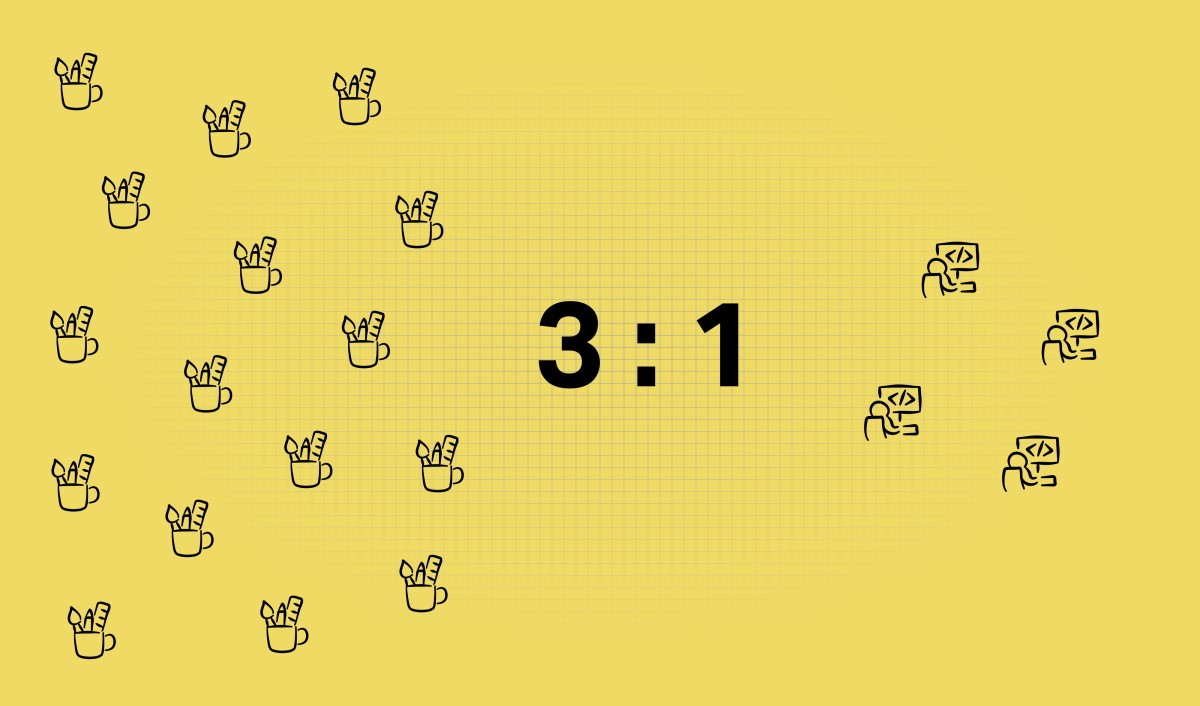
Designers must address real project challenges while navigating the evolving role of AI in the creative process.



UX design
fromLondon Business News | Londonlovesbusiness.com
4 days agoPhenomenon Studio: AI-Driven UI/UX Innovations Defining the 2026 Design Evolution - London Business News | Londonlovesbusiness.com
AI is now essential in UI/UX design, enabling anticipatory interfaces that enhance user experience and drive business success.
fromMedium
1 month agoUI Design with Gemini 3.1
Google recently released a new AI model, Gemini 3.1, that demonstrates great results in UI and web design tasks. I've already tested this model for web design tasks and in this article, I want to experiment with Gemini 3.1 and generate UI for a mobile application.
Mobile UX
fromMedium
1 month agoThe craft of the instruction
Instructions I created. Instructions I am continuing to hone - instructions that required me to study my own old essays, identifying what I do when I write. The sentence rhythms. The way I move between timescales. The zooming in and out from concept to detail. The instructions tell Claude how I would like ideas composed. I pull together concepts and experiences from my lived expertise to formulate a point of view - in this case, on this new AI technology.
Design
fromMedium
2 months agoAgainst cleverness
Today we are at the cusp of revolutions in artificial intelligence, autonomous vehicles, renewable energy, and biotechnology. Each brings extraordinary promise, but each introduces more complexity, more interdependence, and more latent pathways to failure. This elevates prudence to be critical. Good design recognizes what cannot be foreseen. It acknowledges the limits of prediction and control. It builds not merely for performance, but for recovery.
fromMedium
2 months agoThe Design Vibeshift
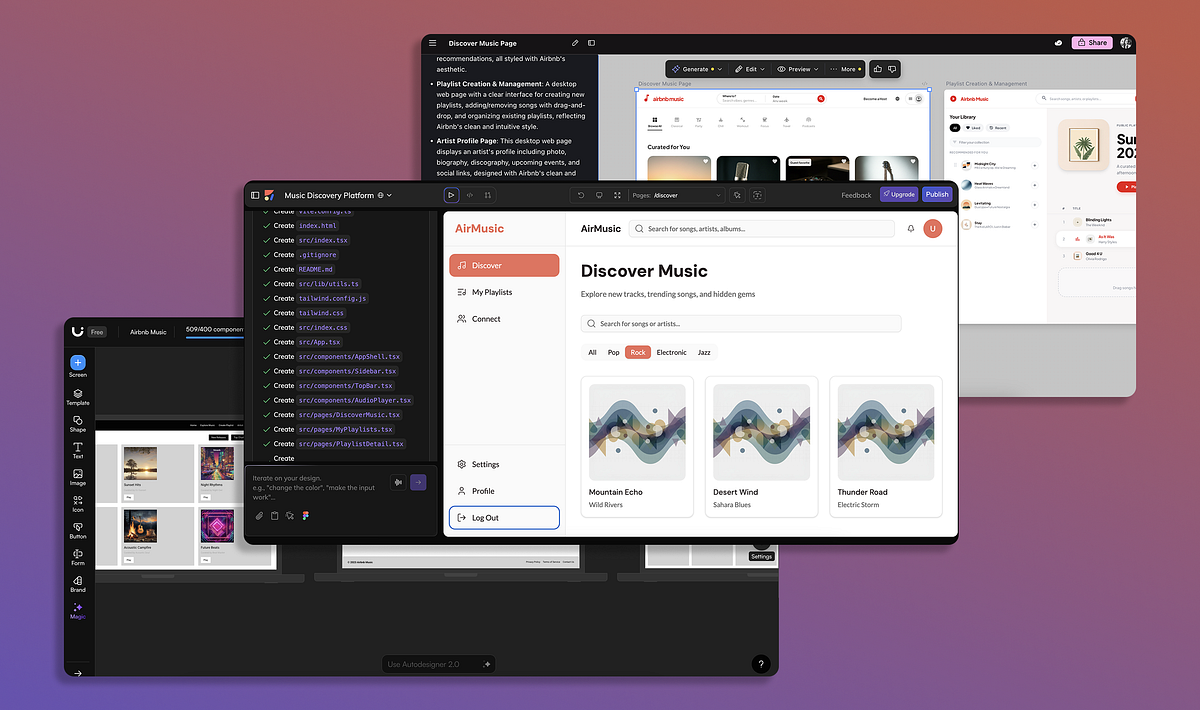
Something's been slowly shifting in the design zeitgeist. I've been watching my feed on X and the vibe has changed. More and more, I see designers sharing finished experiments or prototypes they coded themselves, rather than static Figma files. Moving from working on a canvas to talking to an LLM. The conversation isn't "here's a design I made" anymore... it's "here's something I shipped this afternoon."
UX design
fromMedium
3 months agoAI Tools Designers Should Stick With in 2026
In 2026, the designers who thrive won't be the ones who just create beautiful Figma files. They will be the ones who understand structure, logic, systems, interactions, and implementation. FigmaMake generates surprisingly coherent interface layouts that respect design patterns and component logic. It allows us to create coded interactive prototypes in minutes, allowing to test our experiences faster and see our ideas live. The best part - no need to leave Figma.
UX design
[ Load more ]