#weather-tampering
#weather-tampering
[ follow ]
#climate-change #global-warming #extreme-weather #greenhouse-gases #fossil-fuels #heat-wave #data-centers
fromConde Nast Traveler
5 days agoWhy Planes Flying Like Geese Could Cut Back on Aviation Emissions
The unmistakable V-formation geese adopt in flight is more than a cool aerial trick. The entire flock benefits from upward air flowing off the lead bird's wings, whose fellow fliers then get to save energy, especially on long journeys.
Alternative transportation
#water-crisis
Environment
fromFortune
3 days agoThe world has entered a 'global water bankruptcy,' but markets are mispricing water as drought costs rise to $307 billion annually, analysts warn | Fortune
Global water resources are critically depleted, leading to economic risks that markets are failing to adequately address.
Environment
fromNature
1 month agoClimate change and geopolitics threaten water supplies - but disaster is not inevitable
Global water systems face crisis from overuse, pollution, and climate change, requiring urgent strengthening of international water-sharing treaties with dynamic monitoring systems.
fromFast Company
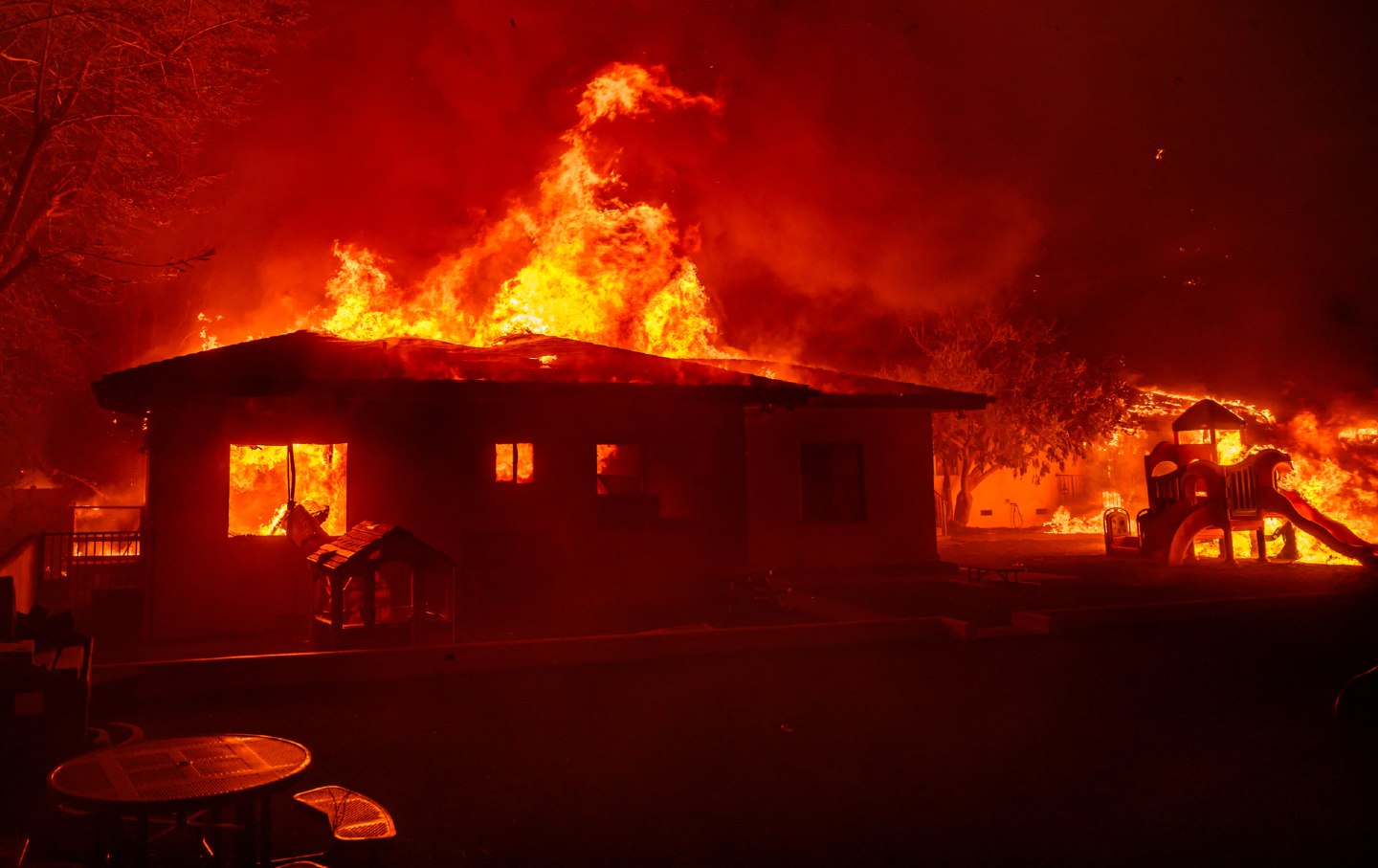
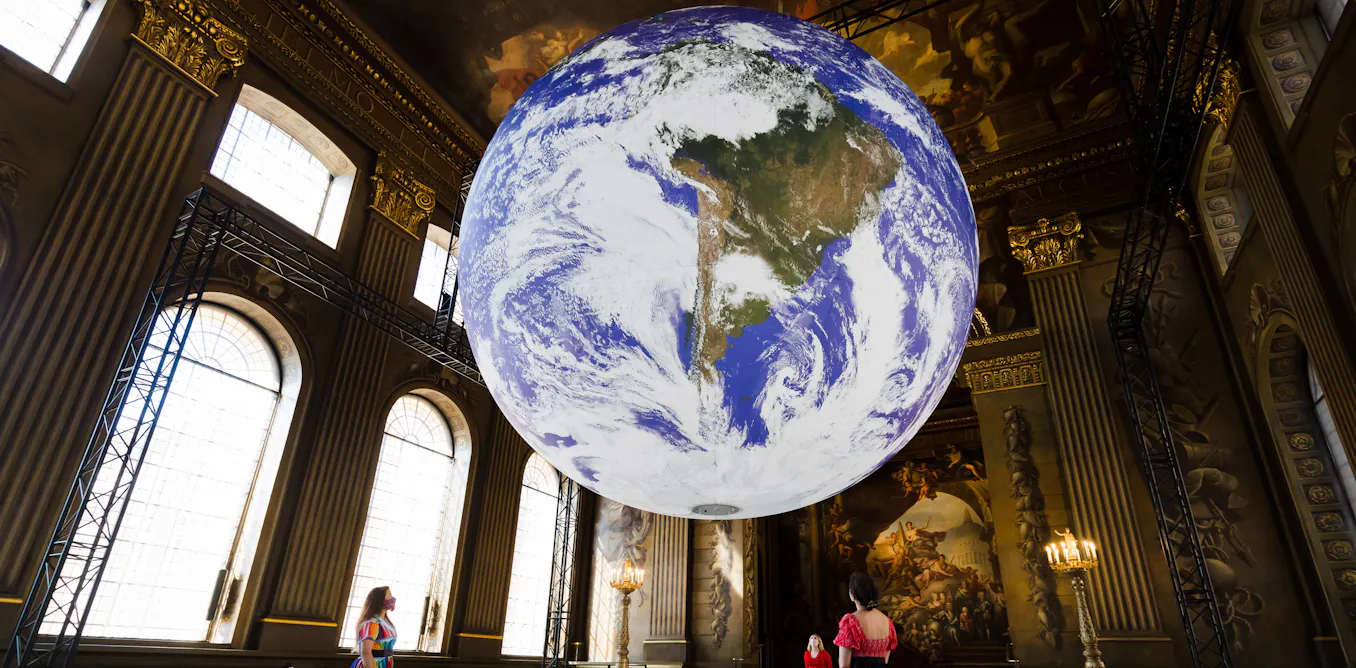
3 weeks agoSee it: Air temperatures and pollution around the world are captured in real time in these animated weather maps
We created Earth in Action to provide a lens into what's happening on our planet, as it happens. Whether it's something typical, like the current air temperature, or an extreme event like a major dust storm, we wanted to provide an opportunity for people to see them.
OMG science
fromMail Online
1 month agoHazardous weather alert for 200 million as megastorm barrels across US
The storm from Sunday into Monday has the potential to become a bomb cyclone, which occurs when central pressure drops at least 0.71 inches of mercury (24 millibars) in 24 hours or less. That rapid strengthening would generate an expansive and intense wind field.
Chicago
fromwww.theguardian.com
2 months agoExtreme heat lab: enduring the climate of the future
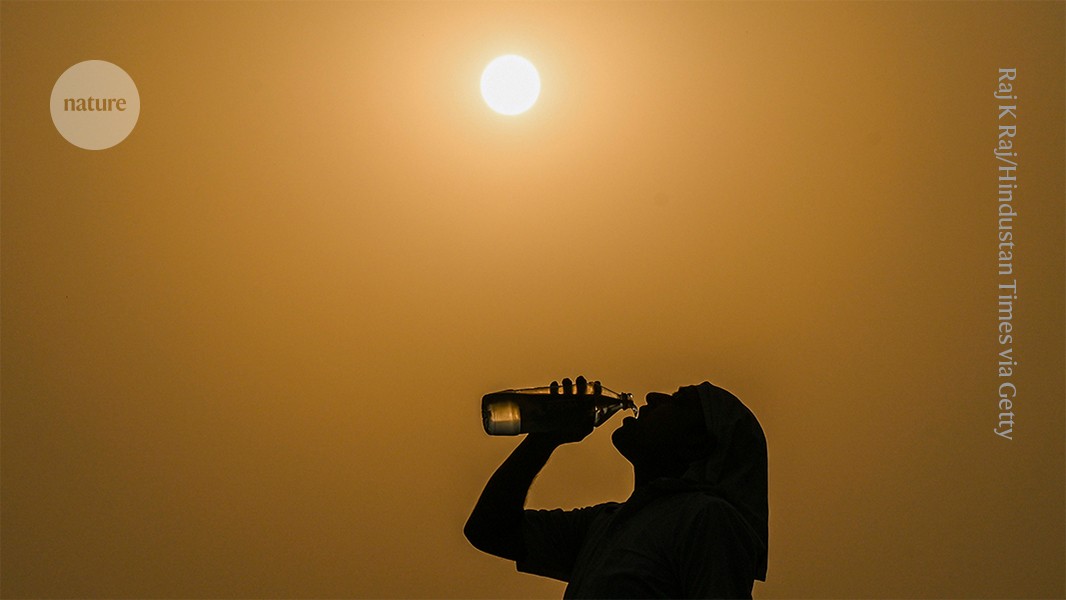
"So whenever people think about hot weather, they always talk about the temperature," he says. "There's two issues with that. First of all, most people don't realise that the temperature is measured in the shade. So if you're in direct solar radiation, the amount of heat stress you're exposed to is much greater as it will stress your body out a lot more."
Public health
fromThe Local Germany
2 months agoWill the ice ever melt in Germany this winter?
In Berlin, hospitals and clinics and working nonstop to treat a surge of patients with injuries from falling on icy pavements. Surgeons have been working through the night to cope with the influx, with many patients suffering broken bones, concussions and even near-paralysis from falls according to reporting in the Berliner Zeitung. Meanwhile, on Thursday night alone, police in Hanover and the surrounding region recorded 37 traffic accidents due to slippery roads, though thankfully only one person was slightly injured.
Miscellaneous
fromwww.npr.org
2 months ago'Please inform your friends': The quest to make weather warnings universal
In November 2025, a massive storm rolled across the lower Mekong River delta, dumping multiple inches of rain onto the wide, flat river plain that covers much of Cambodia. The river rose and rose. The force of the water churned up mud from the river bottom. The muddy water flowed downstream and rushed into the many farming and fishing towns that line the Mekong's banks.
US news
fromwww.theguardian.com
2 months agoClaims that AI can help fix climate dismissed as greenwashing
Tech companies are conflating traditional artificial intelligence with generative AI when claiming the energy-hungry technology could help avert climate breakdown, according to a report. Most claims that AI can help avert climate breakdown refer to machine learning and not the energy-hungry chatbots and image generation tools driving the sector's explosive growth of gas-guzzling datacentres, the analysis of 154 statements found.
Artificial intelligence
fromMail Online
2 months agoThink this is bad? Scientists warn Britain is about to get BLOOD RAIN
Britain is about to be hit with showers of 'blood rain', according to experts from the Copernicus Atmosphere Monitoring Service (CAMS). This is thanks to a plume of red Saharan dust, which is currently sweeping over Europe towards the UK. When this dust mixes with Britain's persistent rain, the precipitation will take on a distinctive reddish colour - creating a phenomenon known as 'blood rain'.
Miscellaneous
fromSilicon Canals
2 months agoThe one thing meteorologists wish people would stop doing before a winter storm hits - Silicon Canals
When I spoke with emergency management officials last year, they all mentioned the same frustrating scenario. People ignore storm warnings until the precipitation starts falling, then suddenly everyone rushes out at once. The roads become congested with anxious drivers, accidents spike, and stores run out of essentials just when people need them most. But here's what really gets meteorologists worked up about this pattern. Modern weather forecasting has become incredibly accurate, especially for major winter storms.
Public health
Science
fromThe Atlantic
1 month agoThe Weather-Changing Conspiracy Theory That Will Never End
HAARP, a research facility in Alaska, is the subject of widespread conspiracy theories falsely claiming it controls weather, creates auroras, and causes natural disasters, despite having no such capabilities.
Environment
fromLos Angeles Times
1 month agoCalifornia's snowpack was already meager. Now comes an extraordinary heat wave
California's Sierra Nevada snowpack is at 48% of average due to an extremely warm winter, with rapid melting accelerated by an incoming heat wave threatening the state's water supply.
Environment
fromFast Company
1 month agoWeather whiplash to sweep U.S. with simultaneous blizzard, polar vortex, and heat dome
Extreme weather is affecting nearly all U.S. regions simultaneously, including record heat in the Southwest, snow in the Great Lakes, Arctic cold in the Midwest and East, and heavy rain in Hawaii.
fromArs Technica
2 months agoCOVID-19 cleared the skies but also supercharged methane emissions
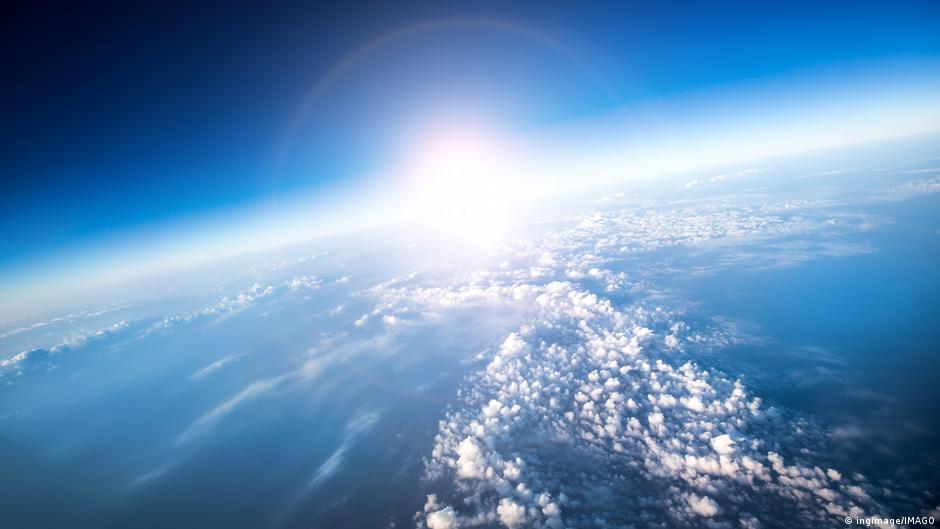
The remaining question, though, was where all this methane was coming from in the first place. Throughout the pandemic, there was speculation that the surge might be caused by super-emitter events in the oil and gas sector, or perhaps a lack of maintenance on leaky infrastructure during lockdowns. But the new research suggests that the source of these emissions was not what many expected. The microbial surge
Environment
Environment
fromwww.mercurynews.com
1 month agoOpinion: AI is destroying our planet. We must act to check its growth and save ourselves.
AI's environmental impact is severe, with 2025 freshwater consumption exceeding global bottled water use and projected energy demands by 2034 matching India's entire consumption, requiring immediate action.
[ Load more ]