Arts
fromwww.berkeleyside.org
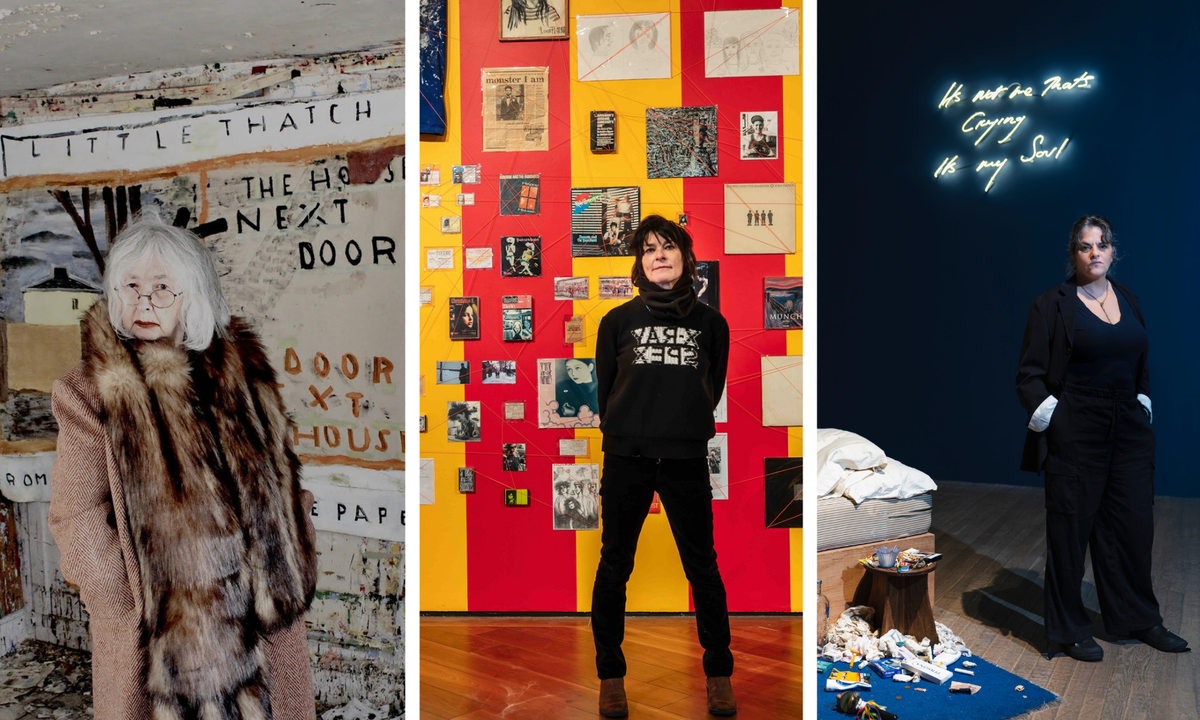
3 days agoA Berkeley couple's collection of women artists showing at BAMPFA
Penny Cooper and Rena Rosenwasser have created a significant art collection focused on women artists, now exhibited at BAMPFA.
Founded in 2014 as a tongue-in-cheek alternative to the esteemed Whitney Biennial, the Every Woman Biennial has evolved into an intergenerational showcase that mixes emerging talent with established feminist art stars while maintaining the scrappy, activist energy that inspired it in the first place.
What began as a passion for collecting became a responsibility. She not only believes in the artistic genius of women, but she wants society in general to hold men and women artists in equal esteem-and to place the same monetary value on their work.
In 2024, art collector Christian Levett opened Europe's first museum dedicated to women artists in a little town in the south of France. But for those of us who can't make the trip to the Femmes Artistes du Musée de Mougins (Female Artists of the Mougins Museum, or FAMM), the American Federation of the Arts (AFA) has arranged the next best thing: a blockbuster touring exhibition about women artists of the Abstract Expressionist movement, featuring some of the highlights of the FAMM collection.
Anguissola was the rare woman painter in the Renaissance who was not the daughter of an artist. Born to Northern Italian nobility around 1532, she and her siblings received a comprehensive education that included art. After moving to Rome as a young woman, she was taken under the wing of Michelangelo and also became acquainted with Giorgio Vasari, who wrote that Anguissola "has laboured at the difficulties of design with greater study and better grace than any other woman of our time".
Happy New Year! Our first book reviews of 2026 are here, beginning with critic Bridget Quinn. There's a special place in hell for Pablo Picasso, but you probably already knew that. Because the conversation tends to stop there, what you may not have known are the names of some of the women whose artistic legacies have long been overshadowed by his: Fernande Olivier, Olga Khokhlova, Marie-Thérèse Walter, Dora Maar, Françoise Gilot, and Jacqueline Roque.
Why the volte-face? Because it is now widely recognised in the art world that it was as much Moss who influenced Mondrian as the other way round, at least when it came to the double or parallel lines he started using in the 1930s to add tension to his harmonious abstract paintings, one of which hammered last May for $48m.
In fact, the Chilean artist even believed she would die in obscurity, although she told EL PAIS that the lack of external recognition never deterred her from dedicating her life to art. I remember reading a children's biography of Mozart, a genius who reached the point of despair out of going hungry, and the idea stuck with me that sublime art wasn't related to recognition, value, or money, she confessed.
"If I connect to it, I know the viewer is also connecting to something as well. I haven't analysed it too deeply, but I think I'm connecting to everyone's inner self-to their childhood. I know I'm just having fun, but I'm dealing with the American icon. They have to be more than Mickey Mouse with a lobotomy."
What is the one thing that makes life possible in New York City? As mayor-elect Zohran Mamdani would say, it is affordable housing. This was also true in the 1950s, when three women-all newly single mothers-founded an artist haven in a rowhouse in the East Village, a raw neighbourhood at the time better known for shelters like the Bowery Mission.
Marking the centenary of the 1925 Paris exhibition, where Art Deco originated, the exhibition is both a look at the poster designs and a celebration of the many women artists who created them. Over one hundred posters and artworks by design greats Edward McKnight Kauffer, Dora Batty, and Jean Dupas have been pulled from the archives for display, many not seen in exhibitions for many years.
In 1959, about 1% of American women were divorced; about 9% of children were raised by single mothers. Imagine how daring it was for three divorced single moms to move into a three-story house and raise their kids together. Now imagine that these women are also accomplished, ambitious artists who convert each floor into its own separate studio. Finally, consider that the house is in New York's (then) gritty Bowery district.
For her debut book, The Story of Art Without Men, Hessel drew on decades of feminist literature, as well as her own insights from posting daily tributes to women artists on her popular Instagram account, The Great Women Artists, and from interviewing artists on The Great Women Artists Podcast, to reimagine the art historical canon entirely around women. An instant Sunday Times and New York Times bestseller, the book earned her numerous awards,
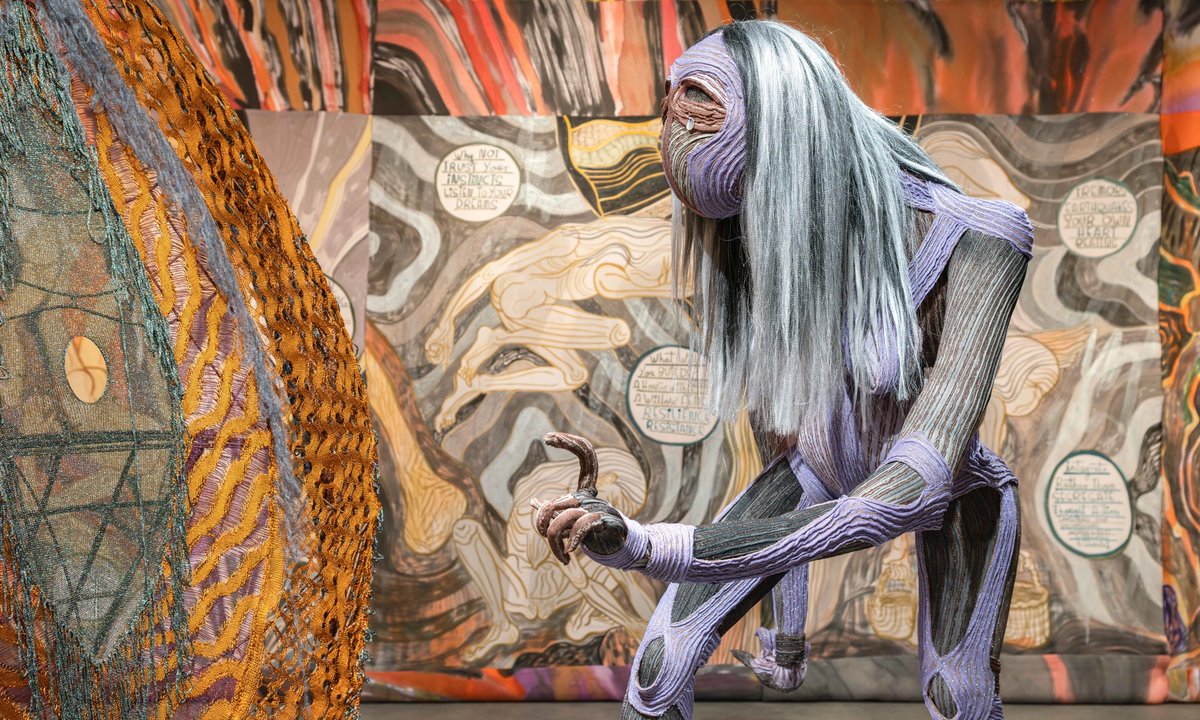
This year's Performa, New York's performance art biennial, is taking over spaces across the city for projects that, in many cases, will be the artists' first forays into live performance. The biennial's main slate of eight commissions includes projects by seven women-Aria Dean, Sylvie Fleury, Camille Henrot, Ayoung Kim, Lina Lapelytė, Tau Lewis and Diane Severin Nguyen-and a male-female duo, Pakui Hardware.
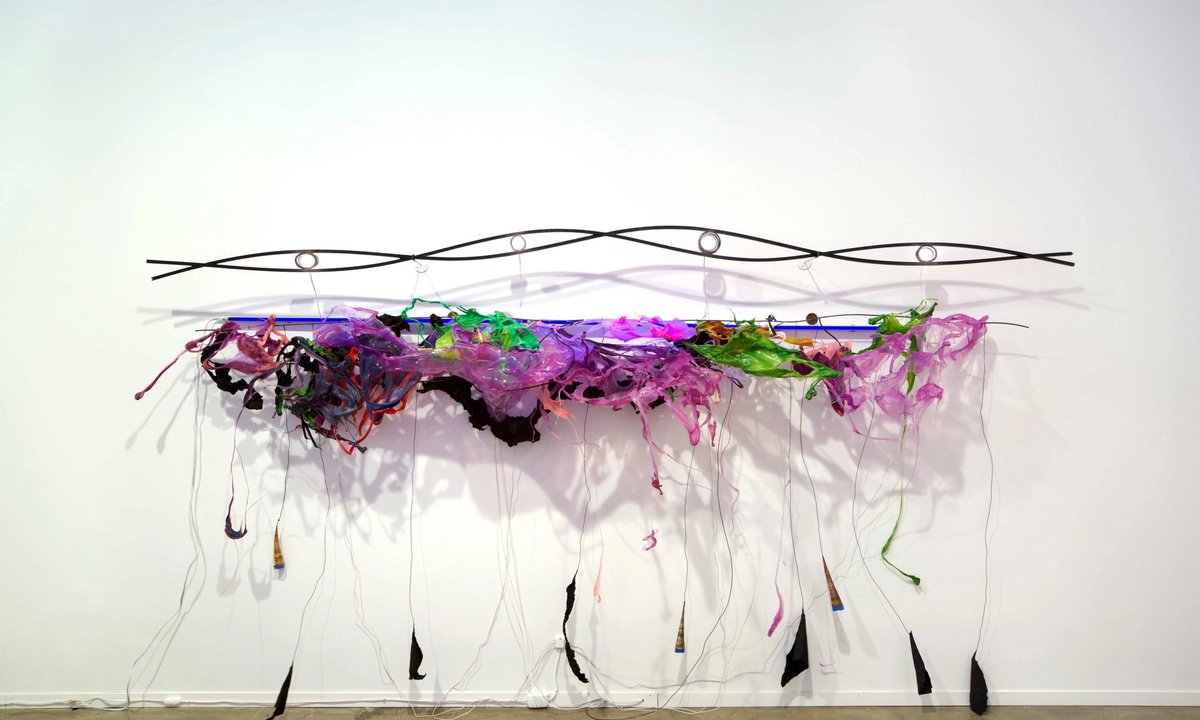
With its roots in the conceptual and immersive experiments of the Dadaists and Surrealists in the early 20th century, installation art emerged as its own genre in the late 1950s. The approach gained momentum during the next couple of decades, usually revolving around site-specific responses to interior spaces. Taking many forms, installations sometimes incorporate light, sound, projections, performances, and participatory or immersive elements.
There is an inherent tension present from the opening pages of Wendy Hitchmough's new biography, Vanessa Bell: The Life and Art of a Bloomsbury Radical. As Hitchmough explains, Bell (1879-1961) was doing dynamic work as both an artist and a designer in the first half of the 20th century, an era when women making inroads into either world was rare.
Celia Paul, known for her haunting portraits and landscapes, trained at the Slade and had a ten-year relationship with Lucian Freud, resulting in their son Frank.