#wounded-warrior-project
#wounded-warrior-project
[ follow ]


fromwww.aljazeera.com
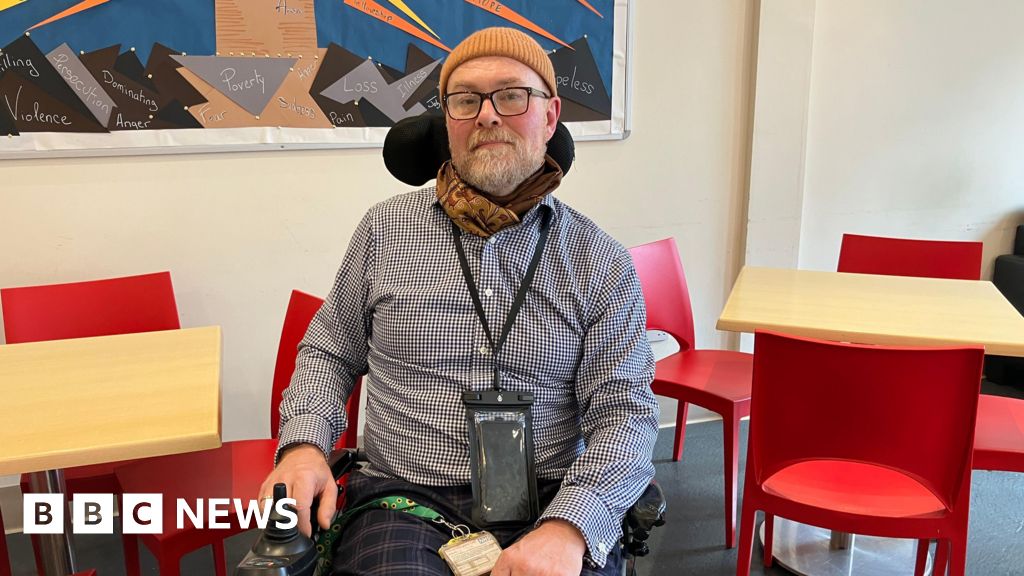
5 days agoUkraine's veterans' theatre turns war wounds into catharsis
Maryna, the main heroine of Twenty One, has only one wish that her soldier husband Petro comes back alive. She frantically raises tens of thousands of dollars online to buy drones, weapons and power generators for the front line.
Women


fromWashingtonian - The website that Washington lives by.
1 week agoAn Iraq Veteran's Cooking Show Mixes Food and Feelings
"When you look back and start piecing things together, he had a lot of medical bills, he was having trouble with the bank and housing, his job and the relationships that he had."
Humor
fromNextgov.com
2 weeks agoLawmaker looks to award grants for veteran suicide prevention AI models
The Recovery Engagement and Coordination for Health-Veteran Enhanced Treatment, or REACH VET, program identifies veterans in the top 0.1% of suicide risk by analyzing health records for specific indicators of potential self-harm.
Non-profit organizations
fromPsychology Today
2 weeks agoHow a Huggy Dog Is Helping Children With Wartime Trauma
Hibuki, the stuffed animal dog, allows children to project their feelings, helping them to express emotions like sadness and anxiety. The child becomes the caretaker of the dog, which facilitates self-soothing.
Pets


fromThe American Conservative
3 weeks agoVeterans Have Earned The Right To Ask. It's Time We Did.
We Americans who will protect our flag should have a voice in where it is flown. Despite his unimpeachable record of heroism and patriotism, he was disparaged and mocked by his government and the corporate press.
Right-wing politics
Higher education
fromInside Higher Ed | Higher Education News, Events and Jobs
3 weeks agoStudent Veterans Turn Service Into Art
Veterans transitioning to civilian life use storytelling and creative arts at the New York Film Academy to process military experiences and build new identities beyond military service.
fromPsychology Today
3 weeks agoUkraine's Other Battle: Healing the Invisible Wounds of War
With millions of soldiers estimated to be suffering from trauma-related conditions, not to mention civilians, Ukraine faces an urgent question: How will it treat the lasting mental scars of war? Among the emerging possibilities is psychedelic-assisted therapy (PAT) in treatment of war-related trauma, a controversial yet increasingly researched approach that some experts believe could play a transformative role in veteran mental health care.
Russo-Ukrainian War
#moral-injury
Mental health
fromwww.theguardian.com
1 week agoNot unique to war': millions of Americans suffer from moral injury. What's causing it?
Moral injury, recognized by the American Psychiatric Association, arises from actions contradicting deeply held beliefs, affecting mental health across various contexts.
#paralympic-athletics
Skiing
fromBusiness Insider
1 month agoI'm representing Team USA in the Paralympics. It feels like the world is finally paying attention to us.
Dani Aravich discovered the Paralympics through her NBA job, leading her to pursue competitive track and field and cross-country skiing for Team USA after learning she qualified for a disability classification.
Skiing
fromBusiness Insider
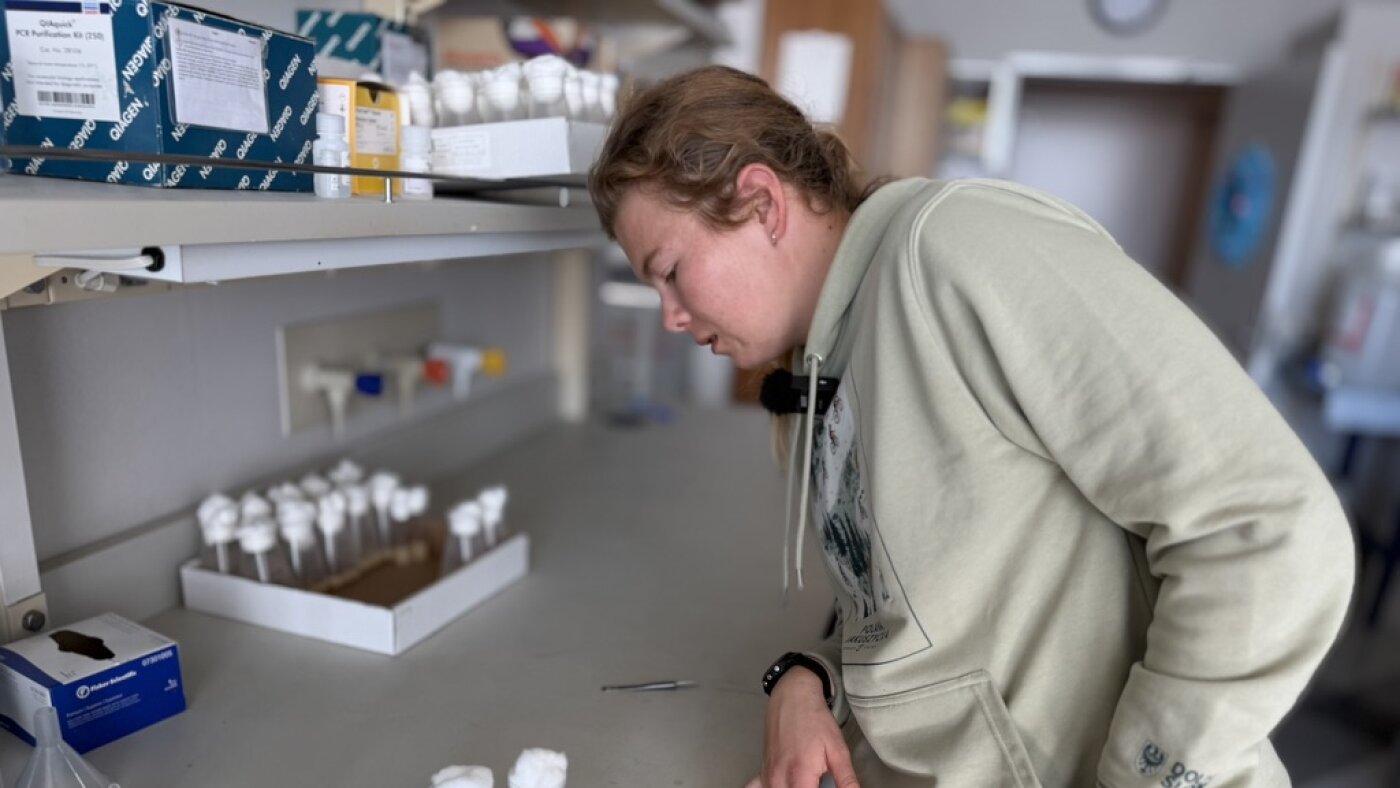
1 month agoI'm representing Team USA in the Paralympics. It feels like the world is finally paying attention to us.
Dani Aravich discovered the Paralympics through her NBA job, leading her to pursue competitive track and field and cross-country skiing for Team USA after learning she qualified for a disability classification.
fromwww.theguardian.com
3 weeks agoOpioid addiction almost destroyed me then I became a top marathon runner
The Percocet dulled his foot pain and also his anxiety. Rideout was used to alcohol and cocaine, but this was different. He felt happy, confident and optimistic. He returned to the podiatrist for more pills. Then more. Soon he was altering the prescriptions manually, changing a seven into a two and adding a zero, before targeting smaller pharmacies that wouldn't run verification checks.
Medicine
Healthcare
fromPsychology Today
3 weeks agoBuilding a Therapeutic Revolution: Veterans Lead the Way
Therapeutic alliance—the collaborative bond between clinician and patient—extends beyond individual clinical encounters to systemic mental health care structures, particularly for treating complex conditions like PTSD and substance use disorders in veteran populations.
LGBT
fromLGBTQ Nation
1 month agoAthlete mocked for saying she's traumatized from rooming with someone she later found out was trans - LGBTQ Nation
Former SJSU volleyball player Brooke Slusser faces social media criticism for claiming trauma from discovering a transgender teammate was trans, despite no negative incidents occurring during their friendship and cohabitation.
fromLos Angeles Times
1 month agoSondheimer: A family turns to high school sports to reduce stress from tragedy
Because everything there reminds me of Johnny," she said. My reaction was silence and determination to make sure common sense prevailed to make sure her senior son, Jake, a top pitcher who transferred from Palm Desert to Rancho Christian, had this continuing stress resolved after an already awful ordeal engulfed him and his parents for months.
SF parents
Cancer
fromwww.amny.com
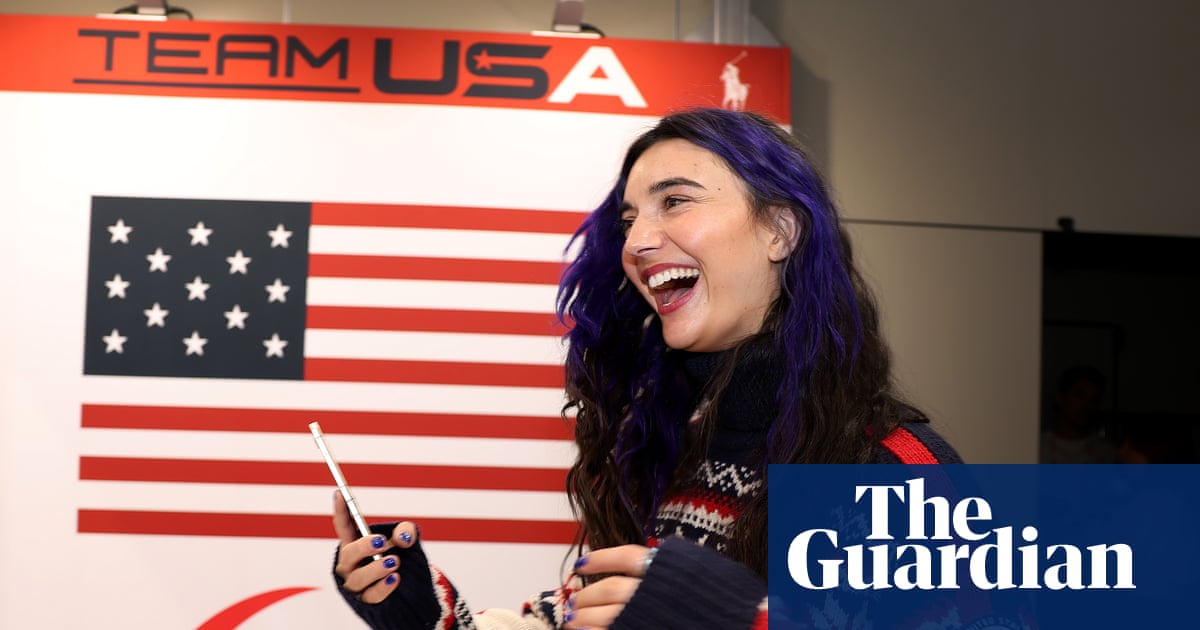
1 month agoLong Island man is riding for a cure while living with a brain tumor | amNewYork
Anthony Greco, battling a recurring brain tumor since high school, completes eight-hour solo cycling marathons annually to raise funds for rare cancer research in honor of a deceased friend.

Healthcare
fromNextgov.com
1 month agoVA's early uses of robots have shown mixed success, but excitement remains
The Veterans Affairs system is deploying robots across 65 medical facilities for delivery, pharmaceutical tasks, and cleaning to address staffing shortages and allow clinical staff to focus on higher-level work.
fromCbsnews
1 month agoVirtual reality lets veterans travel the world without leaving their Long Island nursing home
What we like to say is, 'Where would you like to go today?' You get to leave the walls of the nursing home. We can link six units together, so we can do a trip together ... We can go down the streets of Paris, France.
Healthcare
fromSlate Magazine
1 month agoTrump Wants Veterans to Lose Benefits As Soon As Their PTSD Symptoms Are Treated. There's One Problem With That.
During the troop surge in Iraq, I learned to constantly scan for threats, how to distinguish the sharp crack of a gunshot pointed in my direction from one outgoing toward an enemy, and the myriad ways that explosives can be hidden on a roadside. I learned that hypervigilance can be the difference between life and death. What I didn't learn was how to turn it off. Now, I take three psychiatric medications every day, and I go to therapy every week.
Law
fromBusiness Insider
2 months agoWhen I left the Marines, I struggled to adjust to civilian life. Finding work in the real world was the most challenging.
The Marines are a 24-hour responsibility. Once you commit, your personal ambitions take a backseat. Eventually, I reached a point where I wanted to explore those ambitions - specifically, entrepreneurship - while I was still young enough to act on them. I made the decision to leave the service during the height of the COVID-19 pandemic - even though the civilian job market felt uncertain, and many encouraged me to stay. But retired service members who had built businesses offered a different message. They helped me realize that the military equips people with more transferable skills than they often think. The transition resources on base reinforced that point, so I felt ready to move on.
Careers
US politics
fromBusiness Insider
2 months agoThe Department of Veterans Affairs gutted its workforce. Lawmakers say veterans are now paying the price.
The Department of Veterans Affairs lost over 40,000 employees in FY2025, primarily healthcare staff, reducing capacity for mental health care and appointment access.
Higher education
fromInside Higher Ed | Higher Education News, Events and Jobs
2 months agoWilliam & Mary Reimagines Veteran Support
William & Mary piloted a weeklong pre-orientation centering student veterans' values, strengths, and reflection to support career clarity, preparation, and campus belonging.
Careers
fromFortune
2 months agoHalf of veterans leave their first post-military jobs in less than a year, and spouses face sky-high unemployment-This CEO has a $500 million fix | Fortune
USAA commits $500 million through 'Honor Through Action' to improve veterans', active military, and military spouses' career transitions, financial security, and well-being.
fromPsychology Today
2 months agoOn Helping Warriors Come Home
For many veterans, returning home marks not resolution but the beginning of a quieter struggle. Despite decades of innovation in trauma-focused therapies and medication, a substantial number continue to live with psychological injuries that existing treatments only partly address. Their trauma is not merely a cluster of symptoms; it is a disruption of identity, moral coherence, and belonging. It reflects lived experience often shaped by early adversity, military culture, and the potentially socially isolating aftermath of service.
Mental health
[ Load more ]