#90s-aesthetics
#90s-aesthetics
[ follow ]
#nostalgia #physical-media #gen-z #pop-culture #photography #consumer-culture #indie-games #punk-rock #girl-trouble
fromYanko Design - Modern Industrial Design News
23 hours agoThe CD Player Is Back - And These 7 Designs Are Gorgeous - Yanko Design
Streaming hasn't killed physical media. It's made us crave it more. CDs are back in rotation, showing up in record stores, apartments, and design studios with a renewed sense of purpose.
Gadgets

fromOpen Culture
2 weeks agoWhen Soviet Youth Bootlegged Western Rock Music on Discarded XRays: Hear Original Audio Samples
Before the availability of the tape recorder and during the 1950s, when vinyl was scarce, ingenious Russians began recording banned bootleg jazz, boogie woogie and rock 'n' roll on exposed X-ray film salvaged from hospital waste bins and archives.
Music production
fromBusiness Insider
4 weeks agoI went to an estate sale to find out why millennials and Gen Zers love buying cheap stuff from aging baby boomers
I call it the tsunami of stuff. It's cresting. There are a lot of baby boomers. America's over-65 population reached 55.8 million in 2020, and an additional 42.4 million are in the 55-64 age group. This adds up to nearly 100 million people who have amassed a large amount of possessions - stuff they bought, stuff they got from their own parents, stuff their kids stuck them with.
Boston real estate
Gadgets
fromYanko Design - Modern Industrial Design News
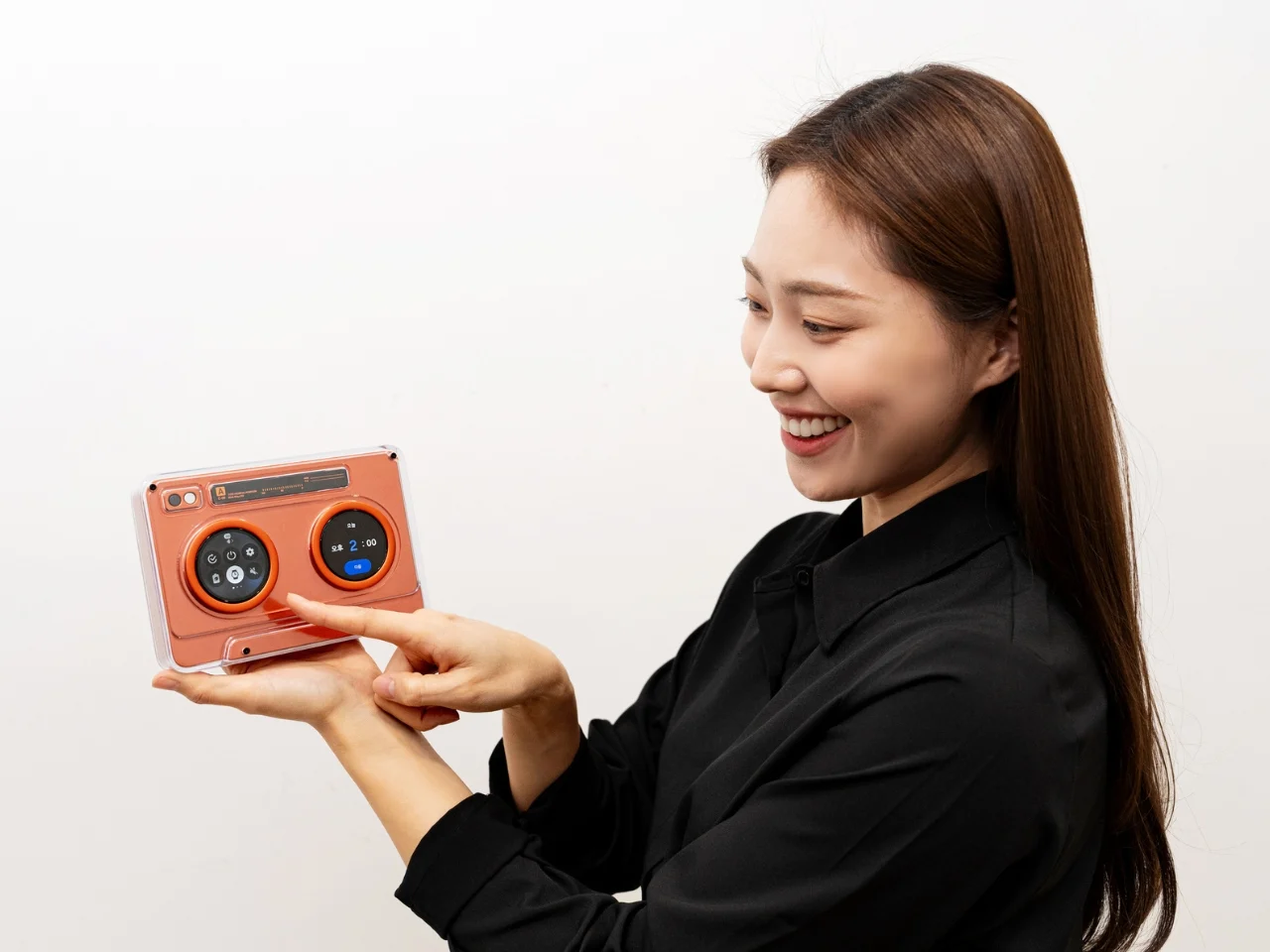
3 weeks agoGen Z Is Obsessed With These 5 Cassette-Era Gadgets & They Just Got a Full Design Upgrade for 2026 - Yanko Design
Streaming's abundance created a thinner listening experience; cassette-era design principles combined with modern technology offer a solution through intentional, tactile music consumption products.
fromThe Verge
3 weeks agoPhilips new audio gear brings back the bright bold colors of the '80s
The collection includes two wireless speakers that both feature Bluetooth 5.5 with Auracast support, an IP67 rating so they can survive the occasional short dunking, 24 hours of battery life, neon colored buttons, and multicolored LED lighting. Cassette tape functionality hasn't been carried forward from Philips' original '80s Moving Sound devices, but both speakers have color LCD screens displaying a stylized animation of spinning cassette reels, and other playback details.
Gadgets
fromwww.amny.com
1 month agoChronicling the 90s: How NHL jerseys became mainstream | amNewYork
At that point, [the Islanders] viewed themselves as kind of a failed franchise that had not won a Stanley Cup in a decade and was coming down from this period of great success, said Nick Hirshon, the author of We Want Fish Sticks, which chronicles the Islanders' controversial rebranding, and a journalism professor at William Paterson University. And now the Rangers just won the Stanley Cup in that market, the Devils were on the up, and up, so maybe the Islanders could not afford a brand new arena or new players, but they could make some money by unveiling a new jersey.
National Hockey League
fromBrooklynVegan
1 month agoPearl Jam's Mike Creedy announces new graphic novel & rock opera (exclusive vinyl)
McCready's story captures the drive and sense of community that forged the powerful backbone of the Seattle music scene of the 1980s, as their world changed forever with the explosion of grunge in the '90s. Farewell to Seasons unflinchingly shows the brutal cost it had for so many artists and musicians as it captures the lived experience of that seminal era.
Music
Music
fromBrooklynVegan
1 month agoGarbage's Shirley Manson talks "insane" touring economics, viral beach ball fiasco in new interview
Garbage completed their final North American headline tour, revealing that 40 shows generated equivalent revenue to just 10 strategically-located shows, highlighting the unsustainable economics of touring.
Apple
fromEntrepreneur
1 month agoThis Nostalgic Apple Product Is Making a Major Comeback - and You Can Thank Gen Z For It
Gen Z and young adults are purchasing used iPods to escape streaming fatigue and own their music libraries, with prices rising 60% since 2023 and search interest increasing 8% year-over-year.
Fashion & style
fromBustle
1 month agoGray Eyeshadow Is The '90s Makeup Trend That Dominated Fashion Month
Gray eyeshadow emerged as fashion month's dominant beauty trend, ranging from metallic slate to matte pewter, drawing inspiration from late '90s and early 2000s aesthetics rather than 2016's gray trend.
fromHyperallergic
1 month agoWhat's a Gen X to Do?
Beleaguered Louvre president Laurence des Cars quits after a historic heist under her watch. The next morning, a new leader is announced. It's Christophe Leribault from the Palace of Versailles, a true museum animal who ran a few during his career.
Arts
fromBustle
1 month agoTikTok's "Mood Ring" Nails Are Pure '90s Nostalgia
A dark gel base creates depth, layered with a silver cat-eye polish that's magnetized so the shimmer pools toward the center like a glowing orb. On top, an iridescent chrome powder creates that signature color shift. Of course, none of these techniques are new - chrome powders and cat-eye gels have both been trending on their own recently - but paired together, they deliver a nail design that feels surprisingly fresh.
Fashion & style
Miscellaneous
fromSilicon Canals
1 month ago8 household items that were status symbols in a working-class home in the 1990s that would cost less than a single grocery run today - Silicon Canals
Consumer goods that signified status and achievement in 1990s working-class communities now cost a fraction of their original price, reflecting dramatic shifts in purchasing power and consumer culture.
fromwww.theguardian.com
1 month agoAnalog is back, and my millennial heart couldn't be happier | Tayo Bero
Usually, my handbag is a medley of digital devices and life essentials my phone, iPad, chargers, keys, tampons. But lately, you're likely to also find a half-done newspaper crossword, a ton of stationery, the book I've restarted three times, and whatever scraps and trinkets I've picked up throughout the day to put in my scrapbook. Analog is back, and it feels like we need it more than ever.
Mindfulness
fromwww.fourfourtwo.com
1 month agoAdidas re-launches classic 1990s United States retro denim kit
Featuring a washed-denim effect, scattered white stars and sharp red detailing at the collar and sleeves, the adidas U.S. Denim Jersey blends 90s-inspired aesthetics with modern streetwear influence. The jersey preserves a bold visual language from the 90s, now engineered in lightweight performance fabric to elevate comfort, movement and versatility for today's athlete and fan.
Fashion & style
SF music
fromSFGATE
1 month agoHis band defined 1990s indie rock. In SF, he reclaims a singular voice.
Stephen Malkmus, a founding member of Pavement, continues to define alternative rock as a solo artist and bandleader while maintaining relevance across three decades through evolving musical projects.


Photography
fromdesignyoutrust.com
1 month agoAmazing Vaporwave-esque Reels Where Hesitant Signals Reveal Neon Distortions And Found-footage Glitches At Precise GPS Coordinates
Diverse striking visual projects and photography span street art, surreal AI images, social interventions, illustration, and creative design explorations.
fromBusiness Insider
1 month agoCoach's former CEO said Gen Z is most similar to the 60s generation
So I've seen generations change, and Gen Z is the generation that's most similar to my generation, the sixties. They're very value-driven. They're concerned with climate, they're concerned with authenticity, truth, being who they are, and relationships.
Fashion & style
fromBored Panda
2 months ago80 Vintage Ads That Show Which Values Changed And Which Stayed The Same Over Time
We might be exposed to more ads and commercials today than ever before in human history, but the idea of advertising itself is certainly not a new concept. According to Instapage, the first signs of advertisements actually appeared in ancient Egyptian steel carvings from 2000 BC. Meanwhile, the first printed ad was published in 1472, when William Caxton decided to advertise a book by posting flyers on church doors in England.
Marketing
Arts
fromdesignyoutrust.com
1 month agoBeautiful Daily Retrowave City Pop Landscapes From Club Retro, A Neon-drenched Instagram Gallery Of Vaporwave Dream Worlds
Collection of diverse visual-art features and lifestyle pieces, including paintings, architecture drawings, illustrations, murals, vintage posters, surreal digital art, and practical guides.
Music
fromYanko Design - Modern Industrial Design News
1 month agoThese $40-$299 Cassette Players Just Crushed Spotify's Algorithm - Yanko Design
Cassette player searches have surged over 1,281%, driven by millennials and Gen Z seeking deliberate listening experiences away from algorithmic playlists and infinite streaming options.
Fashion & style
fromAol
1 month agoMTV's First Style VJ Coltrane Curtis Recalls Talking Fashion with Industry 'Pioneer' Pharrell Williams (Exclusive)
Coltrane Curtis became MTV's first Style VJ in the early 2000s after building expertise through retail, brand collaborations, and editorial work at Complex magazine.
[ Load more ]