#artistic-realism
#artistic-realism
[ follow ]
#art-history #art #contemporary-art #art-exhibition #abstract-expressionism #exhibition #photography


#marcel-duchamp

Arts
fromdesignboom | architecture & design magazine
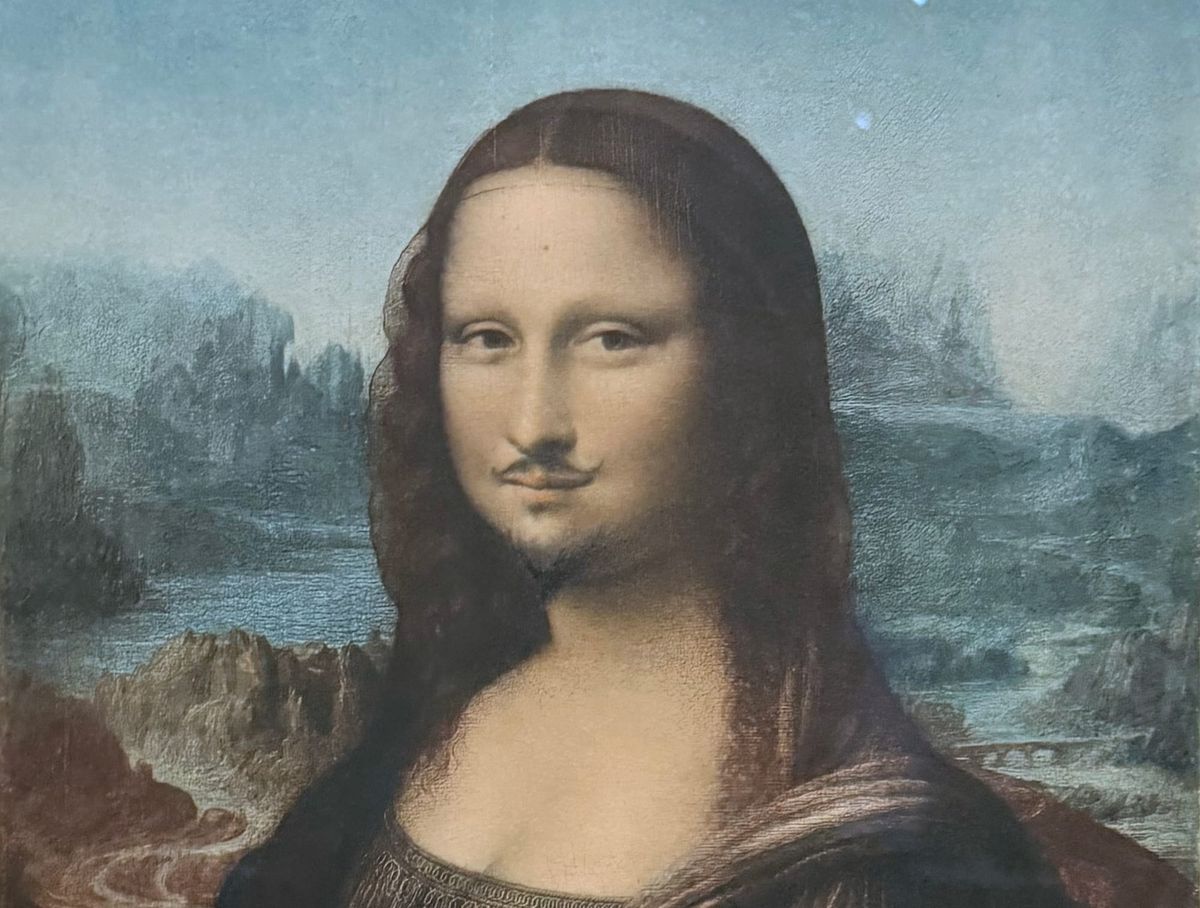
4 days agowhat the readymade still asks: marcel duchamp returns to new york at MoMA and gagosian
Marcel Duchamp's readymades challenge traditional notions of art, emphasizing the role of displacement and designation in transforming ordinary objects into conceptual events.
#contemporary-art

fromdesignyoutrust.com
2 months agoArts
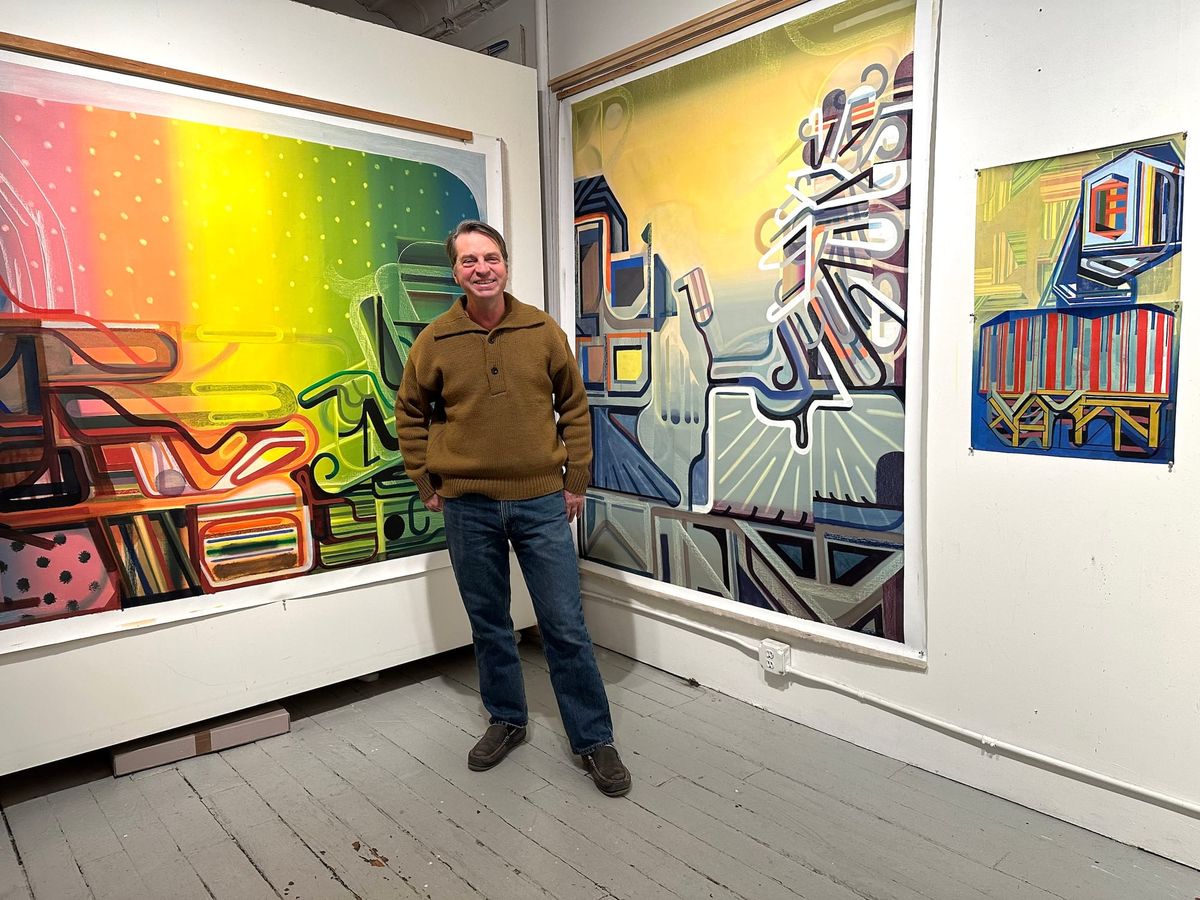
A Lone Figure, A Huge Horizon: This Artist Uses Characters For Scale And Nostalgia Like A Film Still
Contemporary artists present diverse creative works across media—ASCII portraits, tattoos, photography, sculpture, digital painting, street murals, and satirical illustrations.

fromArtnet News
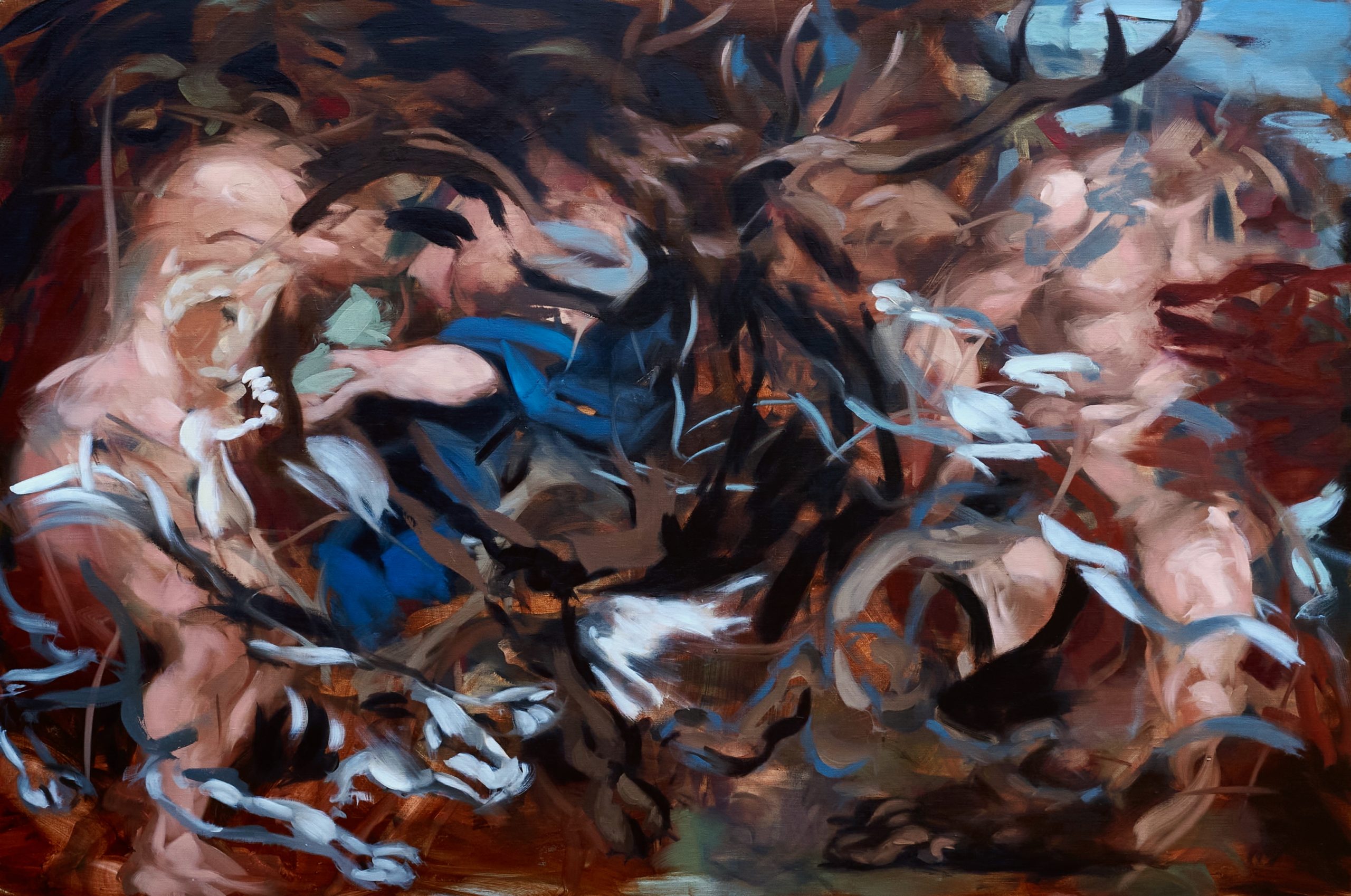
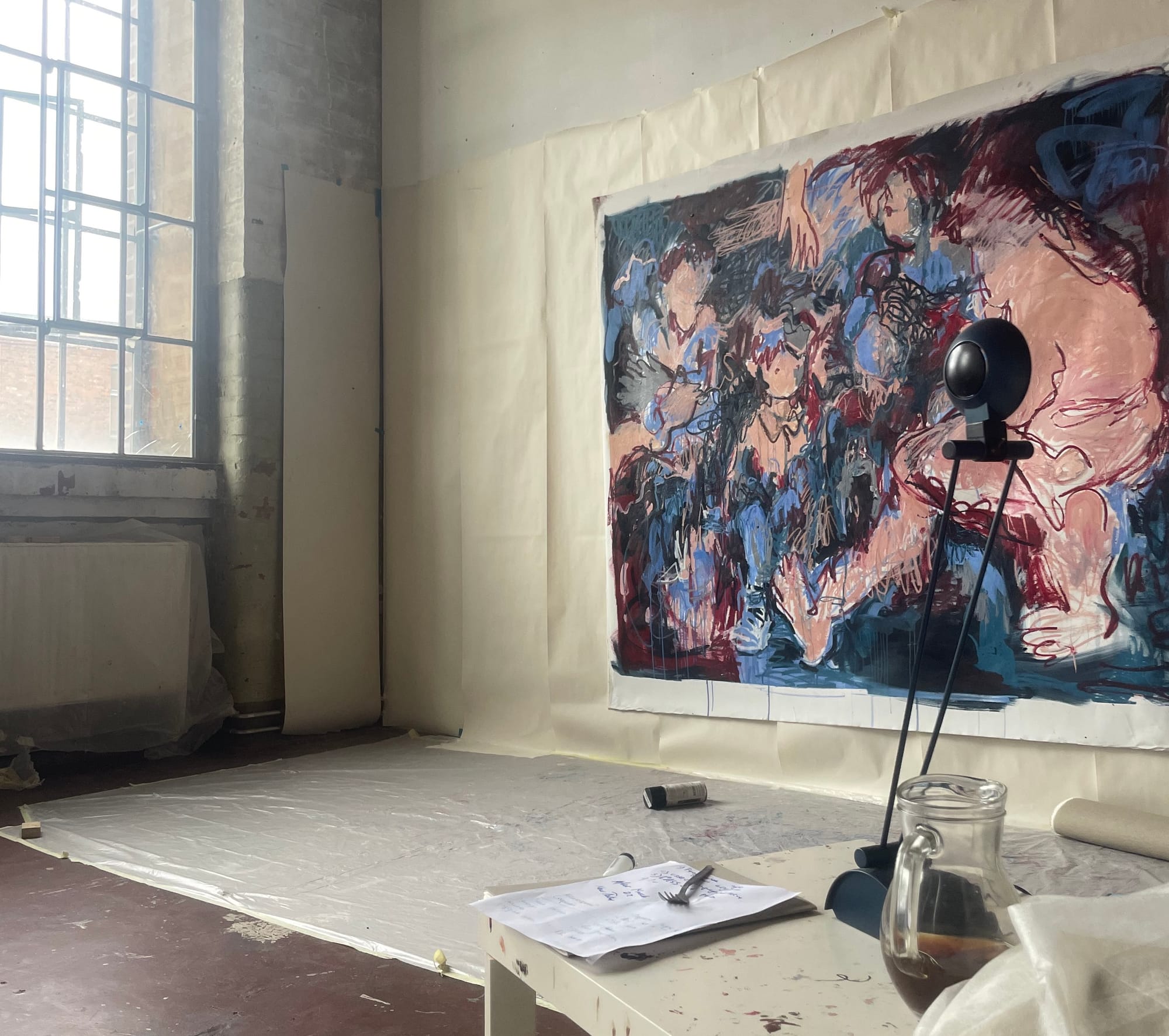
1 week agoPainting Has Entered Its Performance Era | Artnet News
Much of Instagram's video content is organized around transformation-the virtual magic of the before-and-after and clips that show cause and effect. A person makes pasta from scratch in 20 seconds via edits that compress time-intensive labor.
Arts
fromOregon ArtsWatch * Arts & Culture News
1 week agoArt on the Road: Monet and Venice * Oregon ArtsWatch
The stellar collection of 30-plus Venice paintings from the artist's 10-week visit in 1908 is smartly framed by additional materials. Visitors get exposed to historic photographs of the city, as well as of the Monet couple visiting, and are provided with lots of quotations from the artist about his approach to art, process and subject.
Arts
fromHi-Fructose Magazine - The New Contemporary Art Magazine
1 month agoUncanny Valley: The Oil Paintings of the Late Eyvind Earle Still Have A Resounding Influence on Artists & Viewers Today - Hi-Fructose Magazine
To call the oil paintings of Eyvind Earle "landscapes" is accurate but very sorely wanting. For more than seventy years, Earle turned his unique refracting eye on what he called the "stupendous infinity of nature," interpreting what he saw through a long lens shaped by a very particular kind of mythopoeia.
Miscellaneous
Writing
fromwww.theguardian.com
1 month agoThe moment I knew: I was enchanted by her painting but we never spoke. I wouldn't see her again for 55 years
A man reconnects with a childhood classmate whose exceptional artistic talent impressed him decades earlier, leading to an unexpected reunion after 55 years of separation.
fromThe Art Newspaper - International art news and events
1 week agoPressing issues: the vital role of printmaking in the history of art
Yale came to me and said there isn't an overarching book about the history of printmaking; they wanted it to be about the printed image. There are a lot of books about printing-about the history of journalism or the history of books, the printing press and the printed word-but not so much about the printed image and its processes. So that was my challenge.
Arts
Books
fromwww.theguardian.com
1 month agoMy rookie era: I wasn't immediately good at oil painting, but it taught me to find pleasure in struggle
Returning to painting through oil classes helped overcome fear of judgment, teaching fundamentals, practice, and acceptance of possible failure to enjoy the creative process.
fromAnOther
1 month agoGus Van Sant's Adventures in Painting
When I was a kid, I was painting, as a few of my classmates were, because my teacher was a painter. We were making paintings and different things as well - silkscreens for dances or basketball games, mobiles ... It was around 1963, so a lot of different types of artistic endeavours were happening, which played into what he was teaching us. That was kind of where I started.
Film
fromThe New Yorker
2 months agoA Landscape Artist in Winter
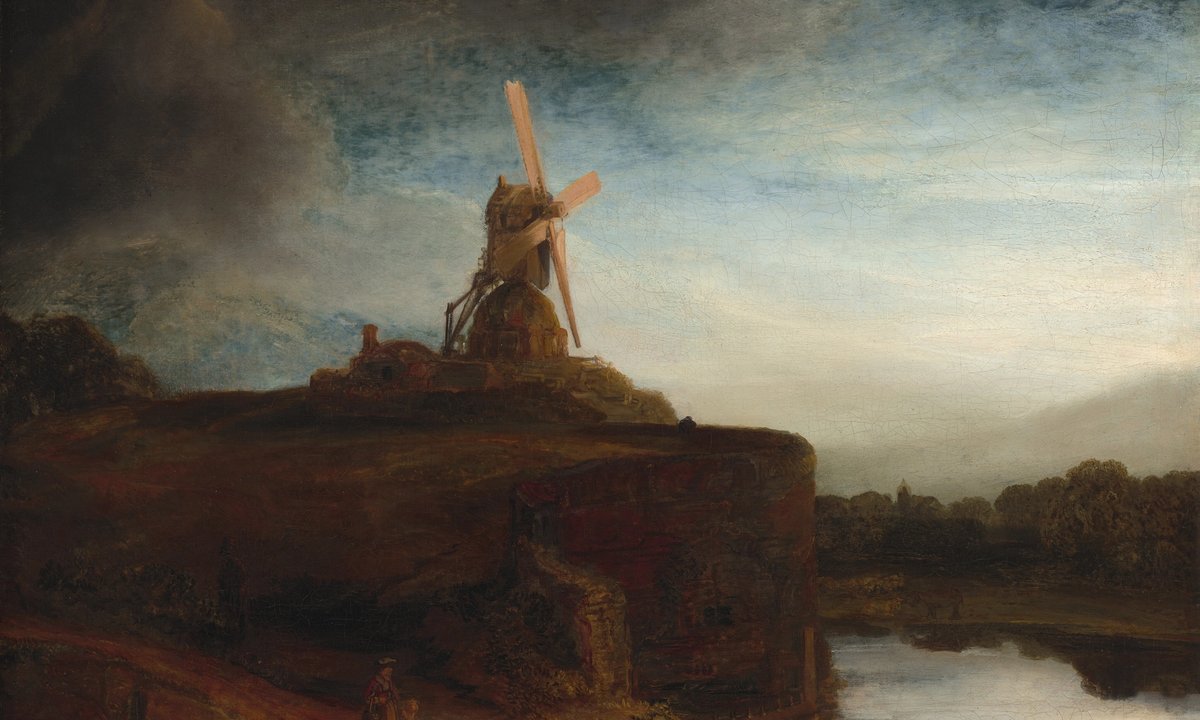
The British artist Andy Goldsworthy moved to Penpont, a village in southwest Scotland, in 1986, when he was thirty. The area's initial appeal was twofold. Property was cheap, which meant that Goldsworthy and his wife at the time, Judith Gregson, could acquire an unrenovated stone building that had likely once stored grain. This structure could serve as a workspace and, for a while, as a rough-and-ready home.
Environment

Books
fromThe Art Newspaper - International art news and events
2 months ago'The good, the bad and the ugly': a short history of how artists depict the female body
Public visual culture simultaneously overexposes and marginalizes the female body: abundant naked female imagery on buildings contrasts with few monuments honoring named women.
fromThe Art Newspaper - International art news and events
1 month agoVan Gogh visited Georges Seurat's studio the day he left for Provence
In the 1880s Seurat was the leader of the avant-garde group of painters who used pointillist dots of pure colour to create their pictures. The eye blends Seurat's colours harmoniously, giving his paintings a luminosity and vigour.
Miscellaneous
Arts
fromwww.theguardian.com
1 month agoAbsolutely transformative': Willem de Kooning exhibition uncovers raw intensity of early work
Willem de Kooning's 1948 solo exhibition at Charles Egan Gallery launched his international career, establishing him as a pre-eminent painter by the 1950s through his innovative exploration of figuration and abstraction.
fromHyperallergic
2 months agoA View From the Easel
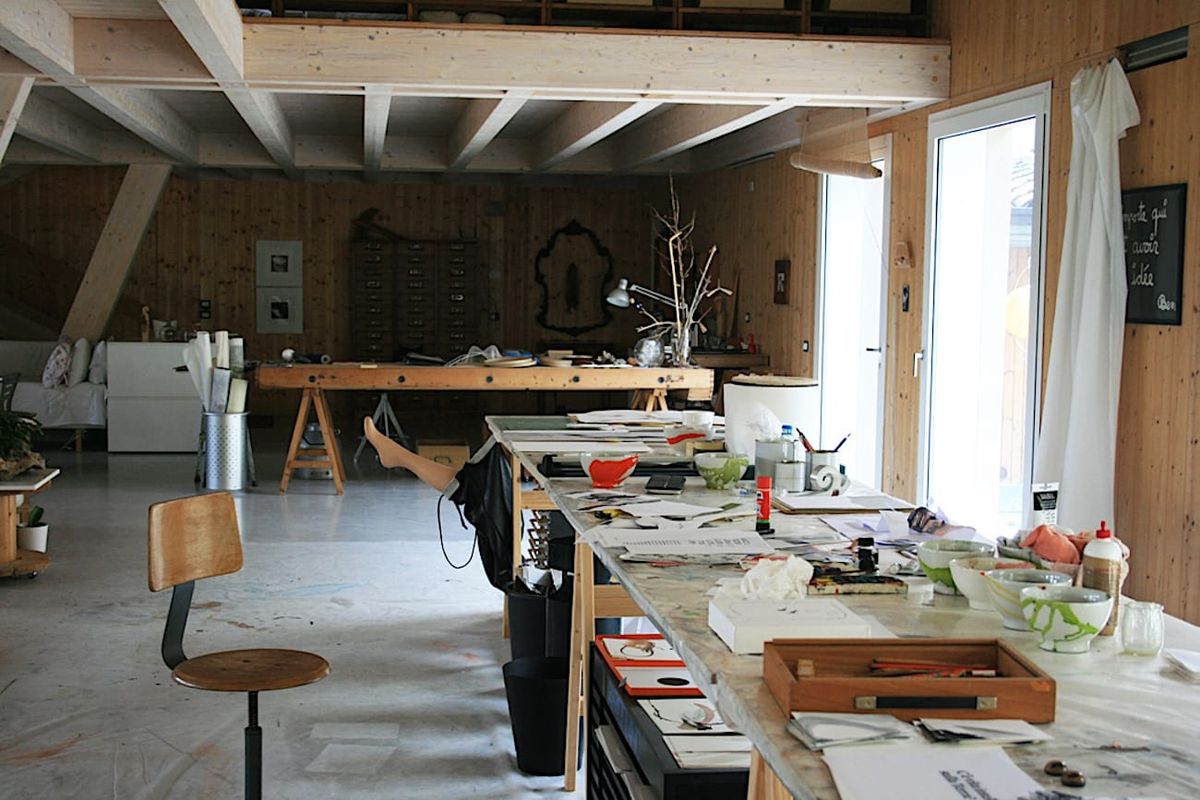
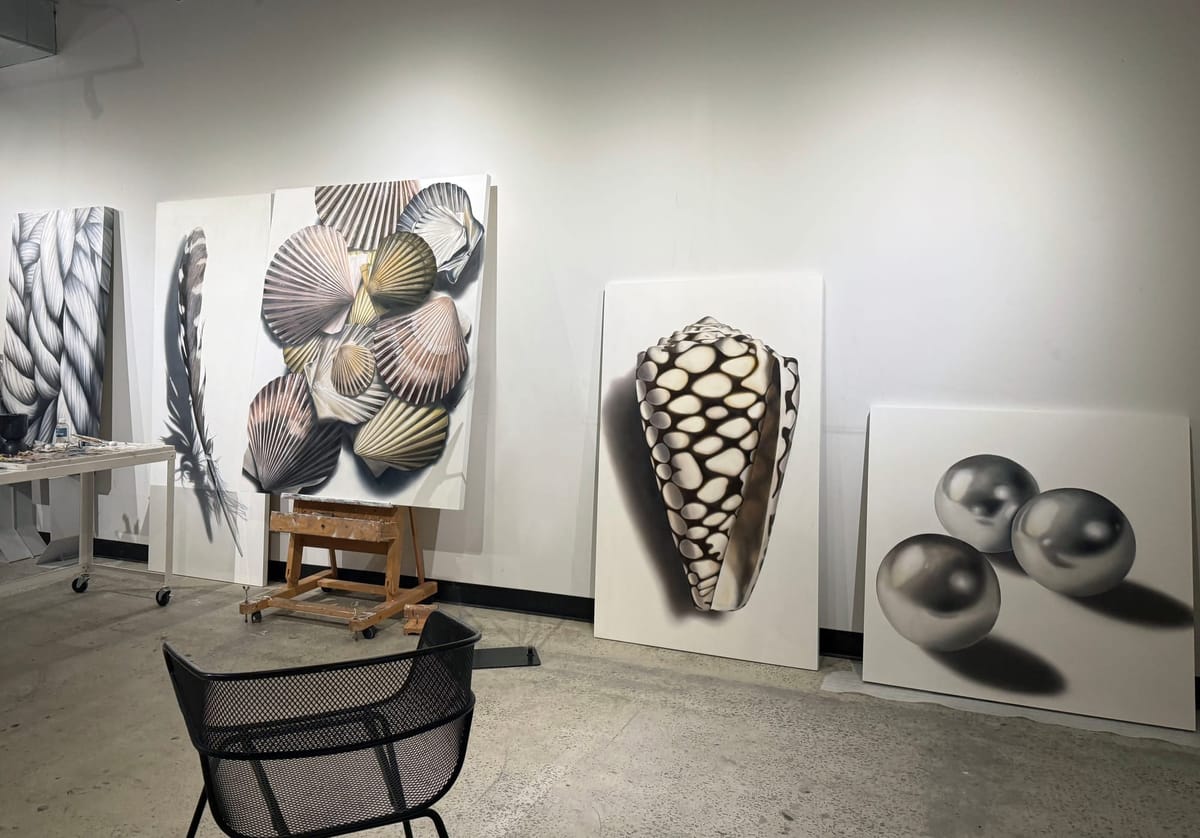
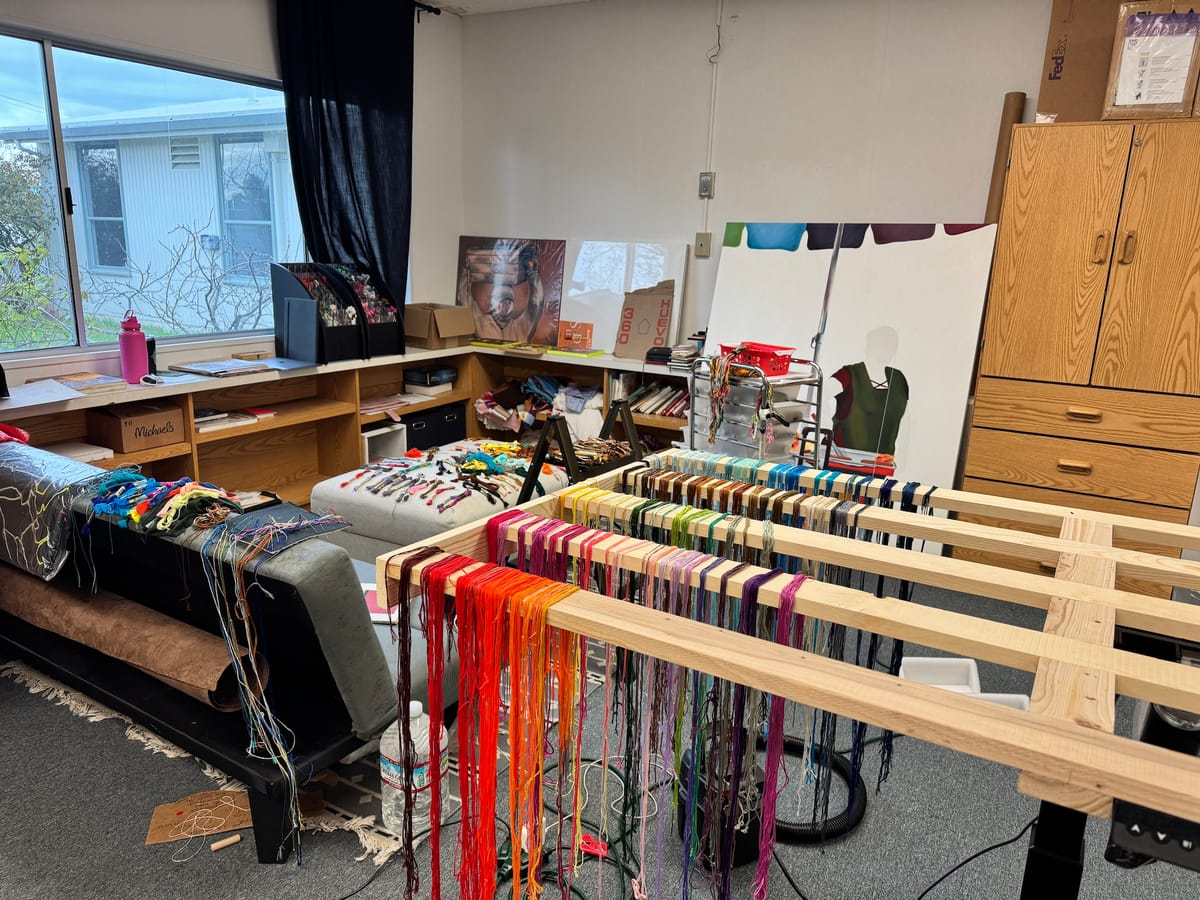
Mornings are best for concentrated work. In the winter, I turn on the heat at 8am and get started around 10am. Summer, I start around 9am. I have two areas in the studio for projects. The large, heavy wood sculptures are carved in the front section of the studio, closest to the roll-up wide door. Smaller sculptures are placed on a hydraulic workbench. Before I start, I focus, connect with the Source, and ask for guidance.
Arts
Arts
fromSilicon Canals
2 months ago8 signs you appreciate art, music, and culture on a deeper level than most people - Silicon Canals
Some people experience art deeply, reacting emotionally and perceiving subtle artistic cues that reveal heightened sensitivity and meaningful connections to creative expression.
fromHyperallergic
2 months agoA View From the Easel
I work outside, carving and shaping the stone. Outside my house, I have a table, an extension cord, and tools. It's very cold and I have to wear all my winter clothes. When it's too cold, I do the filing and finishing work inside after I shape it outside. I listen to all kinds of music. I listen to Eminem all the time; his albums are all my favorites. For drawings, I work at Kinngait Studios or at home on my kitchen table.
Arts
Arts
fromThe Art Newspaper - International art news and events
1 month agoA short guide to the hidden meanings in great paintings
Historic paintings contain symbolic meanings and motifs that convey spiritual, moral, and philosophical messages through objects like apples, angels, books, butterflies, and candles.
fromArtnet News
2 months agoHow Wifredo Lam Made Surrealism More Surreal Than the Surrealists | Artnet News
An exhibition of Wifredo Lam is about as safe a bet as the Museum of Modern Art can place and still plausibly say that it's a bet on expanding the canon. The Cuban artist is one of the most famous painters of the 20th century, featured in almost every single key show about Surrealism. MoMA acquired his famous painting The Jungle in 1946, a few years after he made it.
Arts
Arts
fromJuxtapoz
2 months agoJuxtapoz Magazine - Takashi Murakami: Hark Back to Ukiyo-e: Tracing Superflat to Japonisme's Genesis @ Perrotin, Los Angeles
Takashi Murakami presents 24 new paintings tracing ukiyo-e's influence on Impressionism and exploring bijinga's global impact at Perrotin Los Angeles.
fromHyperallergic
3 months agoTrump Targets New Deal-Era Art
As the administration continues its attacks on culture, the president is targeting a building near the National Mall with several remarkable New Deal-era murals about social security, which remain as relevant as the day they were painted. Reporter Aaron Short brings us inside the fight to save this gem of a building, which a new petition describes as a "Sistine Chapel" of artworks centering working-class communities that the government abandoned during the Great Depression (and continues to neglect today).
Arts
fromHyperallergic
2 months agoHow Joan Miro and America Fell in Love
Six months before his momentous first trip to the United States, Joan Miró sent a letter to his New York City gallerist, Pierre Matisse. Writing from repressive Francoist Spain in the austere aftermath of the Second World War, the Catalan artist was searching for new frontiers. "In the future world, America, with its energy and vitality, must play a leading role," he told Matisse." I have to be in New York to be in direct, personal contact with your country; my work will benefit from that shock."
Arts
fromianVisits
2 months agoDot by Dot, Sea by Sea: Seurat's painting glow at the Courtauld
Georges Seurat was a French post-Impressionist best known for a technique later dubbed pointillism: painting not with expressive brushstrokes, but by patiently placing thousands of tiny dots onto the surface. Rather than mixing colours on a palette, Seurat relied on the viewer's eye to do the work. The dots optically blend at a distance, creating the colour and light he intended.
Arts
[ Load more ]