#career-advice
#career-advice
[ follow ]
#job-market #gen-z #networking #job-search #leadership #layoffs #work-life-balance #apple #decision-making


fromInc
1 week agoGoogle's Top Career-Related Search Says Something Surprising About the State of Work in America
In the old days, if you wanted to know someone's deepest, darkest secrets you might read their diary or eavesdrop when they're talking to their therapist or confessor. These days, you'd probably just look at their Google search history. The things we ask the internet all alone late at night reveal our fears, insecurities, hopes, and all-around human weirdness.
Careers
#apple
Silicon Valley
fromFortune
1 week agoSteve Wozniak says he didn't cofound Apple to 'make money'-he only did it because he was rejected by HP 5 times, and for years his pay was just $50 | Fortune
Wozniak founded Apple to build a personal computer and earn engineer admiration, not to get rich, and urged graduates to take unconventional paths.

Silicon Valley
fromFortune
1 week agoSteve Wozniak says he didn't cofound Apple to 'make money'-he only did it because he was rejected by HP 5 times, and for years his pay was just $50 | Fortune
Wozniak founded Apple to build a personal computer and earn engineer admiration, not to get rich, and urged graduates to take unconventional paths.
fromFortune
1 week agoGoldman Sachs' CEO once scooped ice cream at Baskin-Robbins-he picked up a second job at McDonald's after his dad gave him a time management lesson | Fortune
“He told me to take out a calendar and write down everything I did each day,” Solomon recalled this past weekend to MBA graduates of The Wharton School of the University of Pennsylvania. “And I noticed, when I had to account for every minute, that I actually wasted a reasonable amount of time.”
Careers
fromwww.businessinsider.com
1 month agoReplit's CEO says it's dumb to study computer science thinking you can make a 'boatload' at Google
If you don't feel like you're drawn to it like a fly drawn to a light, then don't go into it because someone told you you're going to make a boatload of money working for Google. It's pretty dumb to tell people to go into computer science if they're not really intrinsically interested in it.
Higher education
#gen-z

Careers
fromFortune
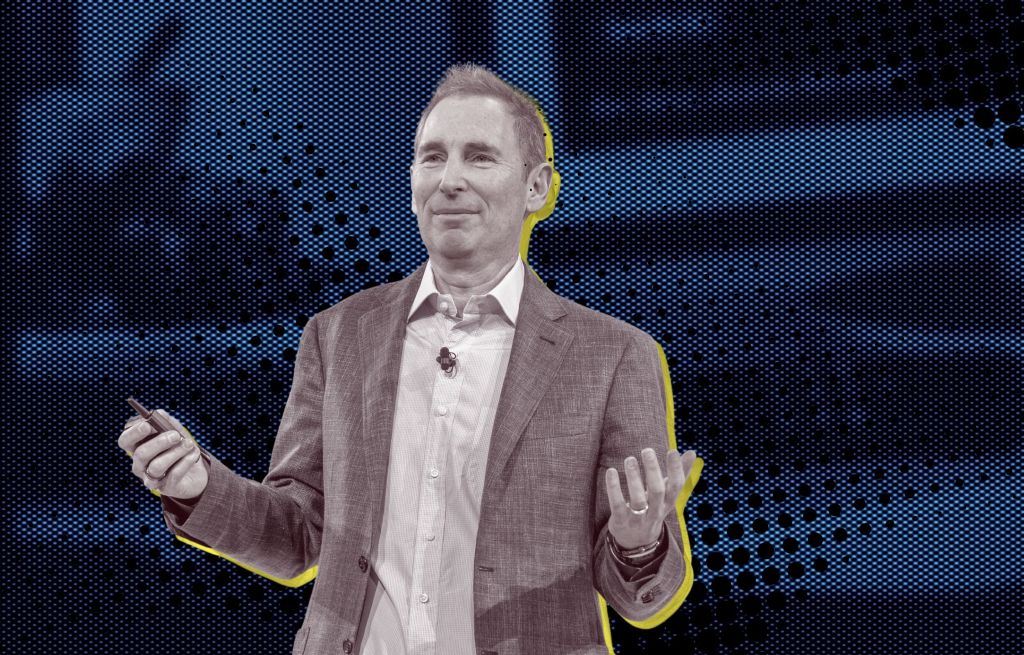
2 months agoWall Street CEO tells interns to 'act immediately like this is 100% your full-time career'-it's one of 20 top tips Rich Handler has for Gen Z | Fortune
Gen Z job seekers at Jefferies should adopt a full-time career mindset during internships to optimize their experience.
fromwww.theguardian.com
1 month agoHow to find a career you love for gen Z and everyone else: You don't want your life's compass to be dread'
Students at Columbia, despite their political differences, expressed a united anxiety over how to start finding their life's work in a chaotic environment. This resonated deeply with me.
Left-wing politics

#steve-jobs
Careers
fromSilicon Canals
1 month agoQuote of the Day by Steve Jobs: "The only way to do great work is to love what you do. If you haven't found it yet, keep looking. Don't settle." - Silicon Canals
Loving what you do is essential for great work; if you haven't found it, keep searching and don't settle.
Careers
fromSilicon Canals
1 month agoQuote of the Day by Steve Jobs: "The only way to do great work is to love what you do. If you haven't found it yet, keep looking. Don't settle." - Silicon Canals
Loving what you do is essential for great work; if you haven't found it, keep searching and don't settle.


Retirement
fromSilicon Canals
1 month agoThe reason boomer advice sounds outdated isn't because boomers are out of touch - it's because their advice was forged in an economy that rewarded loyalty, stability, and patience, and none of those currencies spend the way they used to - Silicon Canals
The traditional work model of loyalty and stability has changed, impacting how younger generations approach careers and life planning.


Careers
fromSilicon Canals
1 month agoI watched my boomer mother give unsolicited opinions about my parenting, my marriage, my weight, and my career for fifteen years with the certainty of someone who had never once been wrong about anything - and the day I finally said something back was the day I understood that her certainty was not about me at all, it was the one thing she had that still made her feel like she mattered - Silicon Canals
Unsolicited advice from the boomer generation reflects deeper fears of irrelevance and a need to maintain authority.
fromwww.businessinsider.com
1 month agoMeta's CTO has some advice for college students wanting to work in tech: 'Constantly be building.'
You just have to immerse yourself in it. You should just constantly be building. That's what's going to give you the best chance of having the relevant skill set that is needed to make a difference in technology.
Education
#networking


fromFortune
5 months agoCareers
Scott Galloway says the key to landing jobs is be as social as possible: '70% of the time, the person they pick is someone with an internal advocate' | Fortune
Personal networking and cultivating internal advocates dramatically improve hiring prospects; employee referrals account for a disproportionately large share of successful hires despite few applications.


fromLGBTQ Nation
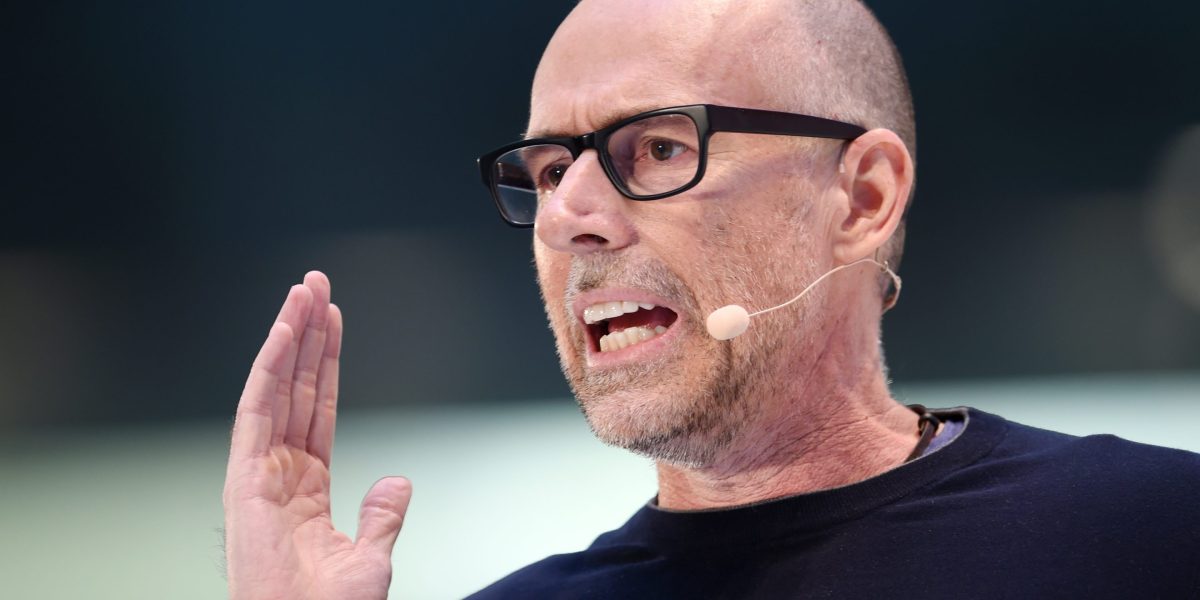
6 months agoPete Buttigieg's replacement: It's a "false promise" to tell girls they can have a career & be happy - LGBTQ Nation
"We're telling young girls, 'Get a job, advance your career, your career is the most important thing that you have in your life.' And I think it's a false promise, man. I think it's a false promise; it doesn't give you happiness."
Women in technology
Careers
fromSilicon Canals
2 months agoI'm 37 and every piece of career advice I was given as an introvert was wrong - "speak up more," "be more visible," "put yourself out there" - because the things that actually built my career were the ones nobody told me to value - Silicon Canals
Success does not require changing one's personality; valuing quiet strengths can lead to genuine career achievements.
Careers
fromBusiness Insider
2 months agoBobbi Brown's advice to young grads: 'Don't just sit there watching TV and expect the doorbell to ring.'
Recent graduates should not worry about uncertainty, take available entry-level opportunities in fields of interest, and remain open to trying different roles to discover their career path.
Careers
fromSlate Magazine
2 months agoMy Friend Helped Me Get Work When I Needed It. I Hate What I'm About to Do to Him.
Accept the full-time job offer despite feeling guilty about your friend Barry who referred you, as career opportunities are scarce and you should prioritize your own employment needs.
Careers
fromBusiness Insider
3 months agoAvoid these 3 mistakes after a layoff, career coach says
After a layoff, avoid posting negative content on LinkedIn and venting to former colleagues; instead, wait to reframe the experience positively and maintain professional relationships for future job opportunities.
Film
fromFortune
3 months agoDespite a $400 million net worth and Hollywood career, Reese Witherspoon tells young people to stop chasing their dreams-and do this instead | Fortune
Prioritize identifying and pursuing your specific talents rather than chasing vague dreams; align skills with passions and income.
fromBusiness Insider
3 months agoJeremy Grantham called pandemic crash but screwed up his trade: memoir
Legendary investor Jeremy Grantham raised the alarm on an AI bubble, revealed a pandemic bet that didn't pay off, and recommended young people steer clear of Wall Street in a memoir published last month. The GMO cofounder wrote in "The Making of a Permabear: The Perils of Long-term Investing in a Short-term World," which he coauthored, that ChatGPT's release in late 2022 shored up a crumbling stock market and created a "bubble within a bubble."
Business

fromSlate Magazine
4 months agoI Asked My Former Boss to Be a Reference. It May Have Cost Me the Job.
You may be jumping to conclusions about your former boss. Your interviewers could have been nasty for all kinds of reasons. They might already have known who they wanted to hire (possibly an internal candidate) and were irritated that they had to interview other people. They may intentionally haze candidates to see how they hold up under pressure. They might have been mad at one another. Or they could just have a nasty office culture. You're probably lucky you didn't take a job there!
Careers
Business
fromFortune
4 months agoAfter 40 years of climbing the ladder, Walmart's CEO Doug McMillon is retiring-his top tip for Gen Z is that 'life is too short' to hate their jobs | Fortune
Do today's job well, be present, drive change, deliver results, and do it the right way to earn trust and create future opportunities.
fromThe Drum
4 months agoMeet the Media Minds: Hearts and Science's Garrett O'Reilly on uncharted metaverse
Early on in my own career, I was lucky enough to spend some time with Nick Kendall when he was head of planning at BBH and running the IPA Excellence Diploma. He gave some very simple advice that I didn't fully appreciate at the time. He said, 'no matter what, keep going.' Only all these years later do I realize how good his advice was, so I'm passing it on.
Media industry
Tech industry
fromBusiness Insider
4 months agoEx-Meta principal engineer shares 4 strategies to avoid being an underperformer
Tech companies identify and address performance gaps faster, reducing organizational slack and raising expectations, so employees must align with priorities and perform at higher standards.


fromBusiness Insider
5 months agoA CEO says overbearing parents keep asking him to hire their kids for internships
I'm a parent myself. I have three college-age girls. We all want the absolute best for our kids, and I recognize the job market is tough. But it blows my mind how many parents think it's appropriate for them to reach out to me on LinkedIn or by email and say, Hey, if you could talk to my child, you'd be able to inspire them to apply.
Startup companies
fromHer Campus
6 months agoThe Perfect Resume 101: The Ultimate Guide to Landing Your Dream Job
Between trying to ensure your layout is right, choosing the accolades you want to include, and even selecting the right font, it's best to avoid putting unnecessary stress on yourself when it comes to creating your resume. But look at it from this perspective: your resume is your first impression, a way to really review the accomplishments you have made, and a way to really show out and make a recruiter say, "I need to hire this person."
Careers
Digital life
fromWanderlust Storytellers - An Inspirational Family Travel Blog
6 months agoDitch the 9-to-5 Grind: 29 Unbelievable Travel Jobs That Let You Travel Full-Time!
Many careers can enable travel either directly through travel-focused roles or indirectly by earning income to fund personal travel.
[ Load more ]