#catastrophic-brain-injury
#catastrophic-brain-injury
[ follow ]
#brain-health #mental-health #cte #trauma #neuroplasticity #neuroscience #cognitive-health #alzheimers-disease
Psychology
fromSilicon Canals
5 days agoNeuroscience reveals that the calmest person in any crisis isn't naturally fearless - their brain learned to delay panic because their childhood required them to be functional before they were allowed to be afraid - Silicon Canals
Calmness under pressure is a learned response, not merely a personality trait or temperament.

#nhl
Washington Capitals
fromRMNB
2 weeks agoAliaksei Protas spoke to Nic Dowd about unfortunate head collision that led to injury: 'He's feeling way better now in terms of how the face looks'
Aliaksei Protas suffered an upper-body injury after a collision with Nic Dowd, missing three games while Dowd returned to play despite a facial injury.

fromThe Walrus
1 month agoWhat I Learned from Breaking My Pelvis for the Second Time | The Walrus
On a sunny and warmish late-November day, my husband and I were meeting some close relatives to deposit our brother-in-law's ashes in a columbarium beside the remains of his late wife, my husband's only sibling. She had died during the pandemic, and her husband had subsequently moved away, but none of us were going to let the grim reaper separate a couple who had been conjoined by a lifetime of shared experiences.
Writing
Law
fromwww.theguardian.com
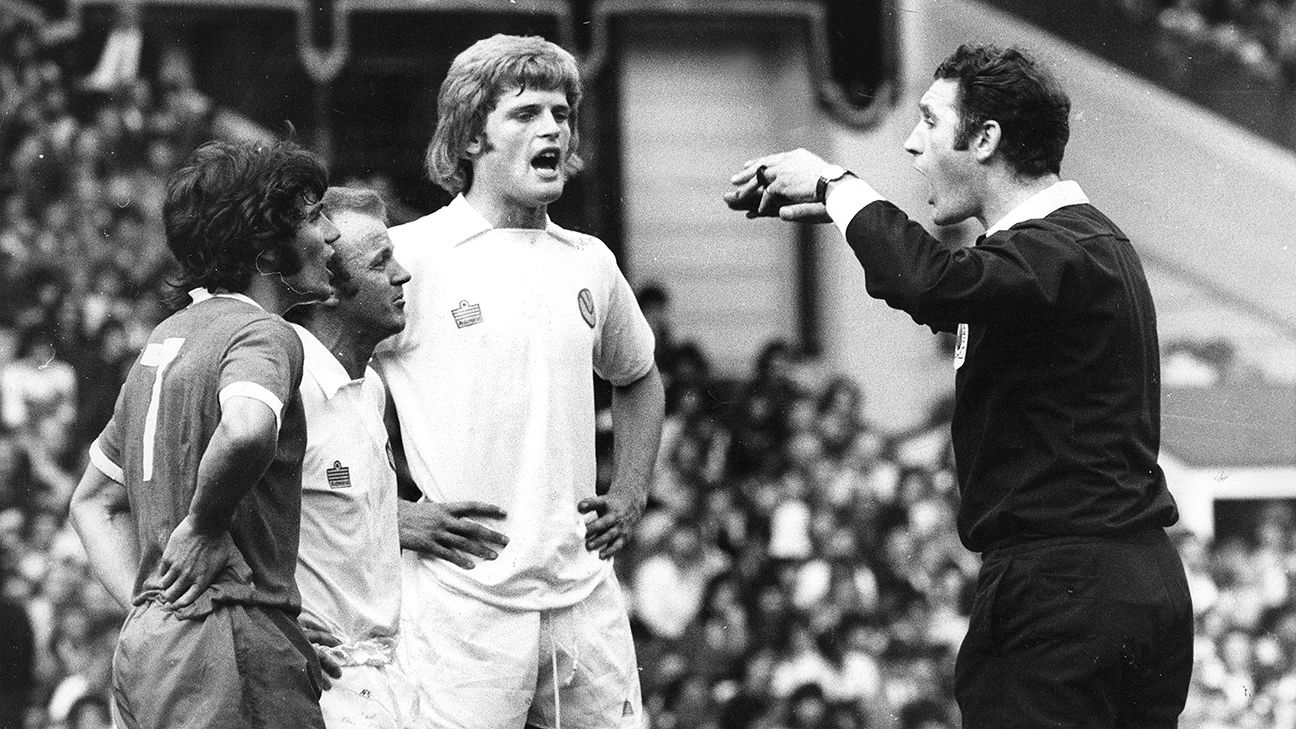
1 month agoJudge in rugby brain injury lawsuit tells legal teams to hurry up as cases drag on
A judge overseeing rugby brain injury litigation cases rebuked both legal teams for slow progress on claims now over five years old, requiring written updates and identification of 28 lead claimants by October.

Snowboarding
fromFast Company
1 month agoThis genius helmet sticker helps protect athletes' brains
The Crash Patch, a helmet sticker technology developed by Klick Health and The Snow League, detects major head impacts and could make head injury detection accessible to athletes across all helmet-based sports.
fromIndependent
2 weeks ago'Motor neurone disease had never crossed my mind, but in that moment I was told, my life changed forever'
When Lorraine Kelly Donnelly felt a cramp in her left hand at the start of 2025, she didn't think anything of it. But when a week later the pain was still there, she made an appointment to see her GP.
Medicine
.jpg)
Music
fromIndependent
1 month agoHe was told 'We're waiting for an ambulance to take you to Beaumont for brain surgery.' I said, 'What are my chances?' He goes, 'They're not great.'"
Guggi survived a 2021 brain aneurysm and recounts the sudden onset during an evening with his wife, alongside his religious upbringing and friendship with Bono.
fromPsychology Today
2 months agoAI-Decoded Brain Signals May Help Paralyzed Regain Movement
Artificial intelligence (AI) machine learning is making a difference in assistive technology to help restore movement for the paralyzed. A new study in the American Institute of Physics journal APL Bioengineering shows how AI has the potential to restore lower-limb functions in those with severe spinal cord injuries (SCIs) by identifying patterns in brain signals captured noninvasively via electroencephalography (EEG).
Artificial intelligence
fromPsychology Today
2 months agoCellular Memory, Trauma, and Fear
They are known, as it were, from the neck up. The cellular memory of facts and experiences, however, connects mind and body: My body recalls that showing my true feelings in childhood led to a put-down. A slammed door meant that Dad was home and drunk. The specific fact/event may be forgotten, but the bodily reaction remains: Any slamming noise may induce terror.
Mindfulness



fromSnowBrains
2 months agoSnowBrains Podcast Ep. 101 | Dr. Fawad Mian - Neurologist Specializing in Head Injuries & Concussions - SnowBrains
Untracked powder and perfect corduroy. These are the things that skiers and riders live for. But finding either at the big-name resorts in the Lake Tahoe area can be almost impossible. That's why Tahoe locals have gravitated to Diamond Peak Ski Resort when they're looking to get away from the crowds and find a bit of space. Diamond Peak offers 1,840 vertical feet of steep north-facing groomers, hidden powder stashes, and incredible views of Lake Tahoe from the slopes.
Snowboarding
fromPsychology Today
1 month agoWho Is to Blame for Our Choices?
Do you blame others for the choices you are making? Have you blamed others for the previous choices you have made? To shed more light on these questions, you might also ask yourself: "What am I responsible for, and what power do I have?" From there, you might agree with this self-reflective response: "I am responsible for, and I've got the power over what I think, do, say, learn, and choose" (Purje, 2014).
Philosophy
fromBig Think
1 month agoThe brain after blindness: How newly-sighted people build a visual world
If we told them to look at the face, they could usually manage it. But they were mostly looking at the hands. The Prakash children eventually learn to look at faces when spoken to - usually a few months after their surgeries. Their experiences reveal that seeing doesn't come naturally the moment a person is cured of blindness. Newly-sighted people must learn to see.
Science
fromwww.standard.co.uk
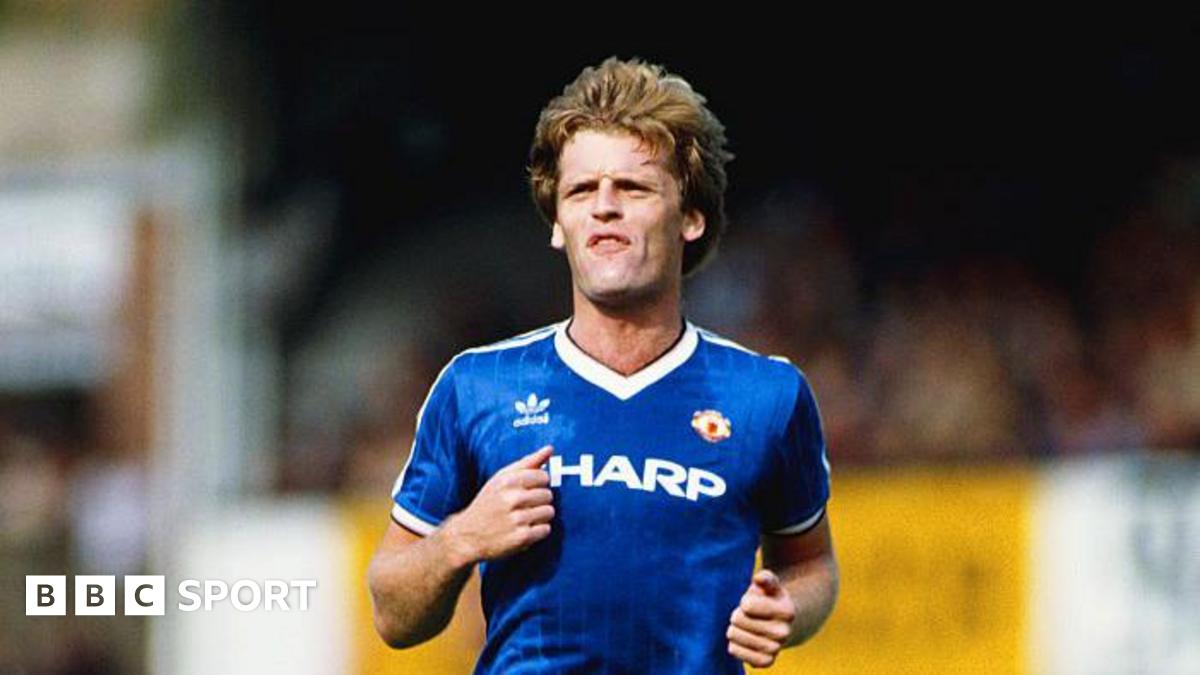
2 months agoHeading ball likely' contributed to Scotland star's brain injury, coroner finds
That frailty was due to a combination of vascular dementia and chronic traumatic encephalopathy (CTE), coroner Jon Heath said. The coroner gave a narrative conclusion on Monday, finding that McQueen died from pneumonia as a consequence of mixed vascular dementia and CTE. He said: It is likely that repetitive head impacts sustained by heading the ball while playing football contributed to the CTE.
Soccer (FIFA)
fromNature
2 months agoExercise rewires the brain - boosting the body's endurance
Betley and his colleagues were curious about what happens in the brain as people get stronger through exercise. They decided to focus on the ventromedial hypothalamus, a brain region that regulates appetite and blood sugar. The team then zeroed in on a group of neurons in that region that produce a protein called steroidogenic factor 1 (SF1), which is known to play a part in regulating metabolism. A previous study found that the deletion of the gene that codes for SF1 impairs endurance in mice.
Science
fromFast Company
2 months agoHow to train your brain like your muscles, according to a neurologist
It might come as a surprise to learn that the brain responds to training in much the same way as our muscles, even though most of us never think about it that way. Clear thinking, focus, creativity, and good judgment are built through challenge, when the brain is asked to stretch beyond routine rather than run on autopilot. That slight mental discomfort is often the sign that the brain is actually being trained, a lot like that good workout burn in your muscles.
Science
fromPsychology Today
2 months agoWhen Memory Worries Deserve Attention
Most people will forget a name, misplace their phone, or lose track of a conversation at some point. Usually, those moments pass without much thought. But for many adults, especially as they age, small lapses can trigger a much deeper fear: Is this the beginning of cognitive decline? As a neurologist, I hear this concern often. And as a researcher, I have learned something important: Worry about cognition and cognitive disease are not the same thing.
Mental health
Medicine
fromenglish.elpais.com
2 months agoBrain implant restores vision to a man blinded by an optic nerve injury
A 4x4 mm microneedle implant in the visual cortex restored partial vision in a NAION patient, enabling light perception, movement detection, object identification, and reading large characters.
[ Load more ]