#charles-rennie-mackintosh
#charles-rennie-mackintosh
[ follow ]
#interior-design #design #gardening #home-design #architecture #kettal #home-renovation #vintage-decor
Paris food
fromCN Traveller
1 day agoThe famous Fife Arms hotel in the Scottish Highlands just revealed a hidden room inspired by none other than Coco Chanel - I got a first look
The secret room at the Fife Arms showcases Chanel's influence through decor and art, creating a unique immersive experience.

#interior-design



Remodel
fromApartment Therapy
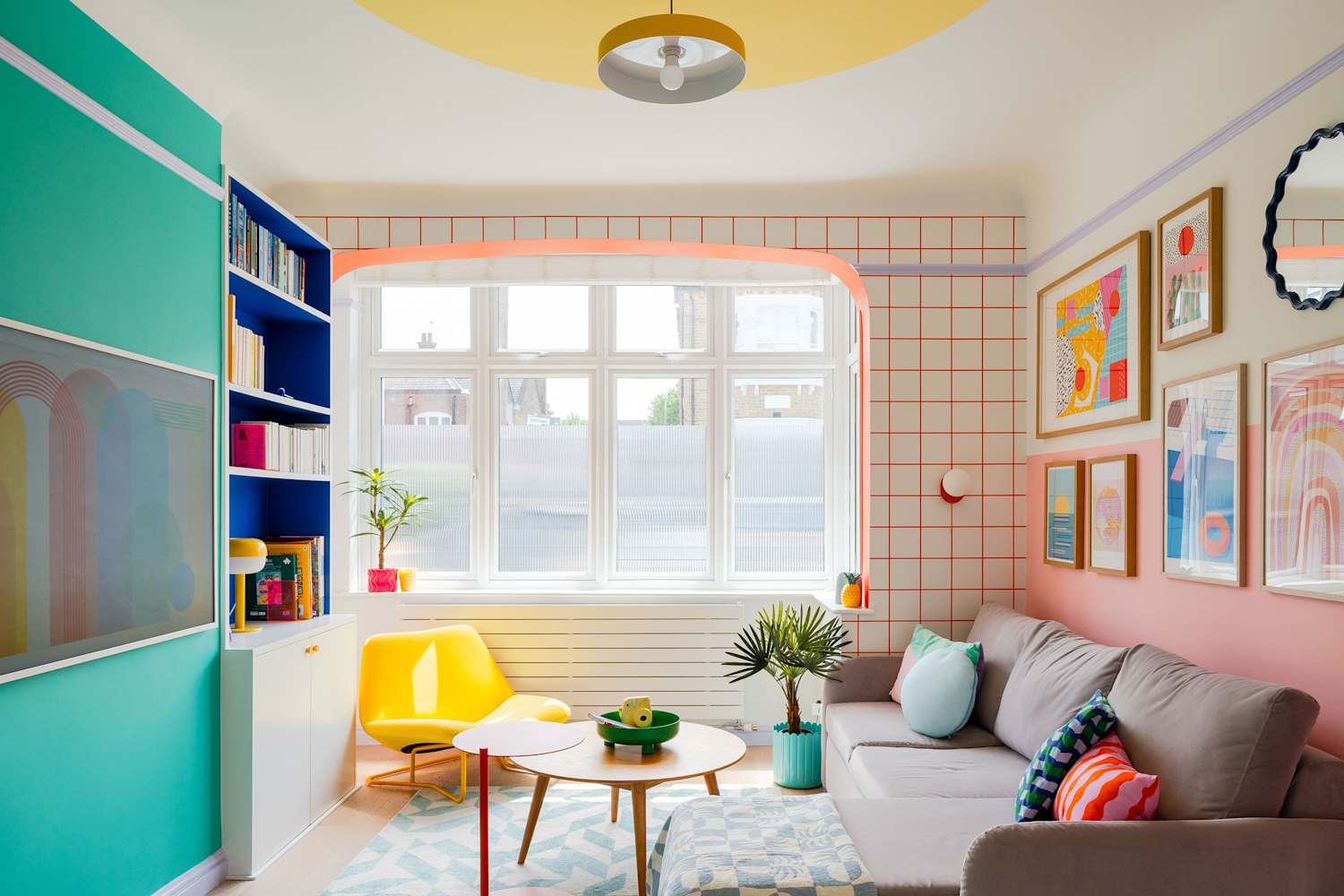
1 month agoThis London House Was All Gray - But a Bright, Joyful Color Refresh Changed Everything
A London family transformed their gray, uninspiring 1,300-square-foot home into a vibrant, joyful space through strategic color-forward interior design without structural renovation.
#home-design

NYC real estate
fromLos Angeles Times
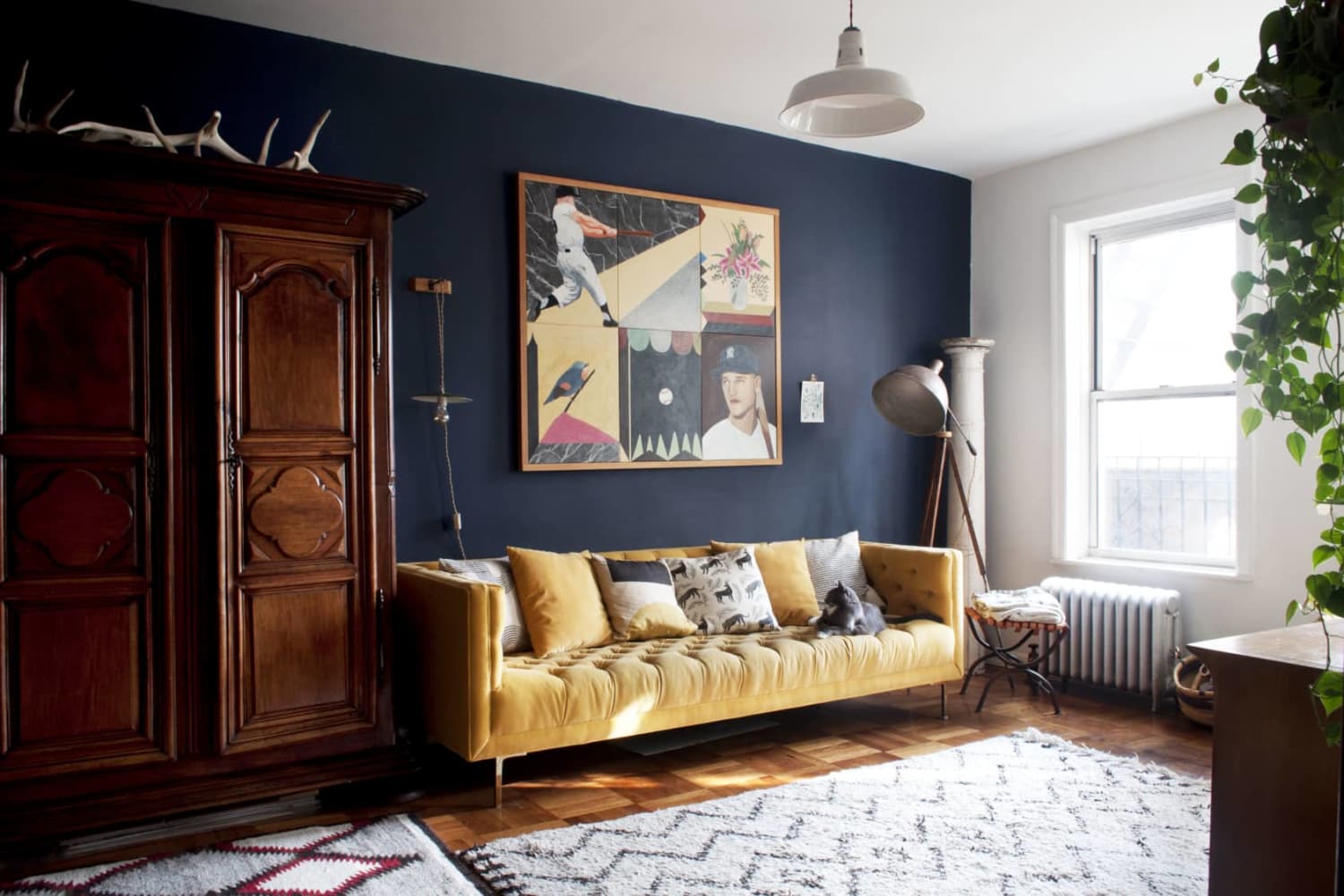
8 years agoMy Favorite Room: Val Chmerkovskiy lets the past lead in New York-inspired space
Val Chmerkovskiy designed his West Hollywood condo with New York aesthetics, incorporating Brooklyn elements and Manhattan loft-style features to maintain connection to his childhood home.


fromArchitectural Digest
1 month agoHow Alexander Widener Turned His Vintage Obsession Into a Career
In the digital world that we're in, you know, negative videos are what goes viral. People are always knocking people down a peg and it's really easy to fall into that. If something bad happens-which, when you own your business, something bad happens every day- it's easy to circle in despair. But my challenge is to look for the positive and figure out how to pivot, and if something isn't working then figure out a different way to get it done.
Digital life
fromFast Company
2 weeks agoYou can finally buy an Eames house. Sort of
"It has been estimated that one million five hundred thousand houses each year for a period of 10 years will be needed to relieve the urgent housing problem of this country. The enormity of such a need cannot even be partially satisfied by building techniques as we have known and used them in the past."
Renovation
fromColossal
1 month agoHistoric Architecture Emerges from Stone in Matthew Simmonds Ethereal Sculptures
From unassuming hunks of Carrara marble and limestone, Matthew Simmonds carves realistic, miniature gothic cathedral arches, stairwells, and colonnades. Often based on architectural details of real places, such as cities around Tuscany and Germany's Bamberg Cathedral, the sculptures portray intimate details of corners, vaulted ceilings, arcades, and stairwells that can sometimes be peeked through additional apertures.
Berlin music
Arts
fromHyperallergic
1 month agoMid-Century Modernism Goes Rogue in "Chair-ish"
Artists Alex Chitty and Norman Teague deconstruct and reimagine iconic design furniture pieces, transforming them into experimental sculptural objects that challenge conventional notions of functionality and design heritage.
Design
fromYanko Design - Modern Industrial Design News
1 month agoA Chair Shaped by the Soft Curves of a Classic British Scally Cap - Yanko Design
The Scally Chair translates the familiar form of a British scally cap into furniture through subtle design details that create comfort and character without literal representation.
fromwww.theguardian.com
1 month agoIs Glasgow losing the spaces that made it an arts powerhouse?
The event was the following day: we had 250 tickets sold, we'd done so many rehearsals, and inside there were lighting rigs, performers' equipment, shop stock. It was truly heartbreaking. So many businesses lost so much money and time, and now the loss of the space itself is having a huge impact on the wider community.
London politics
Design
fromArchitectural Digest
3 years agoArt Deco Interior Design: Everything You Need to Know About This Opulent Style
Art Deco, a defining early 20th-century American style characterized by geometric patterns, bold jewel tones, and opulent materials, originated in France but flourished in America during the 1920s and 1930s.
Renovation
fromArchitectural Digest
1 month agoA Victorian House in East London Reinterprets French Style Through Rose-Colored Glasses
Soft curves, mirrors, and architectural details transform a narrow Victorian house into a sophisticated, fluid living space with carefully curated furnishings and artistic touches.
fromCurbed
2 months agoSentimental Value Is an Excellent Lamp Movie
Sentimental Value is very much a film about a house - a Victorian " dragestil," or "dragon style," home in Oslo where generations of the same family have lived for more than a 100 years. Director Joachim Trier, who found the house in Oslo's Frogner neighborhood, called its role in the film "a witness of the unspoken ... a witness of the 20th century."
LA real estate
fromLos Angeles Times
9 years agoMy Favorite Room: Robert Patrick's focus on the visuals makes for a great room
Actor Robert Patrick transformed his Hollywood Hills dream from living in his car in 1984 to building a custom contemporary home with his wife Barbara through persistence and success.
Arts
fromThe Art Newspaper - International art news and events
1 month ago'Everyone can talk about a cabinet or a chair': Ryan Preciado on his show at Hollyhock House in Los Angeles
Ryan Preciado merges functional craft with sculptural inquiry, creating works that blur boundaries between utility and art while engaging with architectural and material histories.
fromApartment Therapy
1 month agoI Tried the 3-Step Method That Makes Vintage Lamps Look Fancy (Not Thrifted!)
First, you probably have to rewire the lamp. Unless the seller already did it for you, it's best to rewire any vintage finds so you know they've been safely updated. The process isn't that hard, but you will need to buy the supplies and spend the time to do it correctly.
Design
fromElite Traveler
1 month agoFirst Look: Mackintosh and CP Company Reimagine the Goggle Coat in New Collaboration
Both are made in Scotland with Mackintosh's most famous innovation, waterproofed cotton, with the inclusion of CP Company's equally recognizable goggles in the hood. The coats are handmade, with panels being sewn, attached and sealed in Mackintosh's Scottish factory in North Lanarkshire, where seams are coated in water repellent to provide protection from both wind and rain. The two styles, the longer goggle car coat and waist-length goggle jacket, come with raglan sleeves, hidden fastenings, and adjustable cuffs.
Fashion & style
fromArtforum
1 month agoField Conditions
Like the chambered nautilus, its shell was a logarithmic spiral. A wall of rough sandstone and aquamarine glass cullet twisted up fifty feet to an oil-drill-stem mast from which a floating roof was hung by the stainless-steel struts of World War II biplanes. You slid in with the humid air from the ravine outside to stroll a terraced garden of pools and plants, over which suspended and carpeted pods for living and sleeping drifted like clouds.
Miscellaneous
Los Angeles
fromLos Angeles Times
7 years agoMy Favorite Room: Sam Richardson is never far from 'nerd' culture
Actor Sam Richardson's Hollywood Hills den combines panoramic views of Universal Studios with an extensive collection of fantasy memorabilia, custom shelving, and vinyl records, creating a personalized sanctuary that reflects his passion for fandom and audio collecting.
LA real estate
fromLos Angeles Times
32 years agoGolden Statement : The Arts and Crafts movement from the turn of the century gave us a distinct design identity, and the style has gained favor in recent years. The Laguna Beach house of the Eliel family reflects this California heritage.
Early California design featured Craftsman bungalows and regional styles adapted to the climate, but few authentic examples remain; one Laguna Beach home deliberately revives these original California Arts and Crafts principles.
fromYanko Design - Modern Industrial Design News
2 months agoThese Lace-Shade Lamps Transform Family Heirlooms Into Memorable Floor Lighting - Yanko Design
In Lana Launay's Kinship series, light does more than illuminate space. It acts as a living archivist, revealing, preserving, and narrating stories embedded within inherited textiles. Through works such as Kinship I and Kinship II, the artist transforms antique doilies, lace fragments, and stockings passed down through generations into sculptural lighting forms that do not simply display history but actively project it into the present.
Arts
Renovation
fromArchitectural Digest
1 month agoHow to Renovate a Midcentury Bathroom (Without Sacrificing Its Soul)
Midcentury bathroom renovations can preserve period character while meeting modern needs by respecting original design palettes, repurposing adjacent spaces, and maintaining authentic architectural details.
fromLos Angeles Times
15 years agoModern notes grace a historic pedigree
Designed by noted residential architect Roland E. Coate, the home was built in 1926 for Annie Wilson, daughter of pioneering Southern California businessman and politician Benjamin Wilson, for whom Mt. Wilson is named. The gently sloping 1-acre-plus property was once part of the vast holdings of George S. Patton, father of the famed U.S. general.
LA real estate
fromArchDaily
2 months agoFrom Industry to the Living Room: Metal Furniture in Interior Architecture
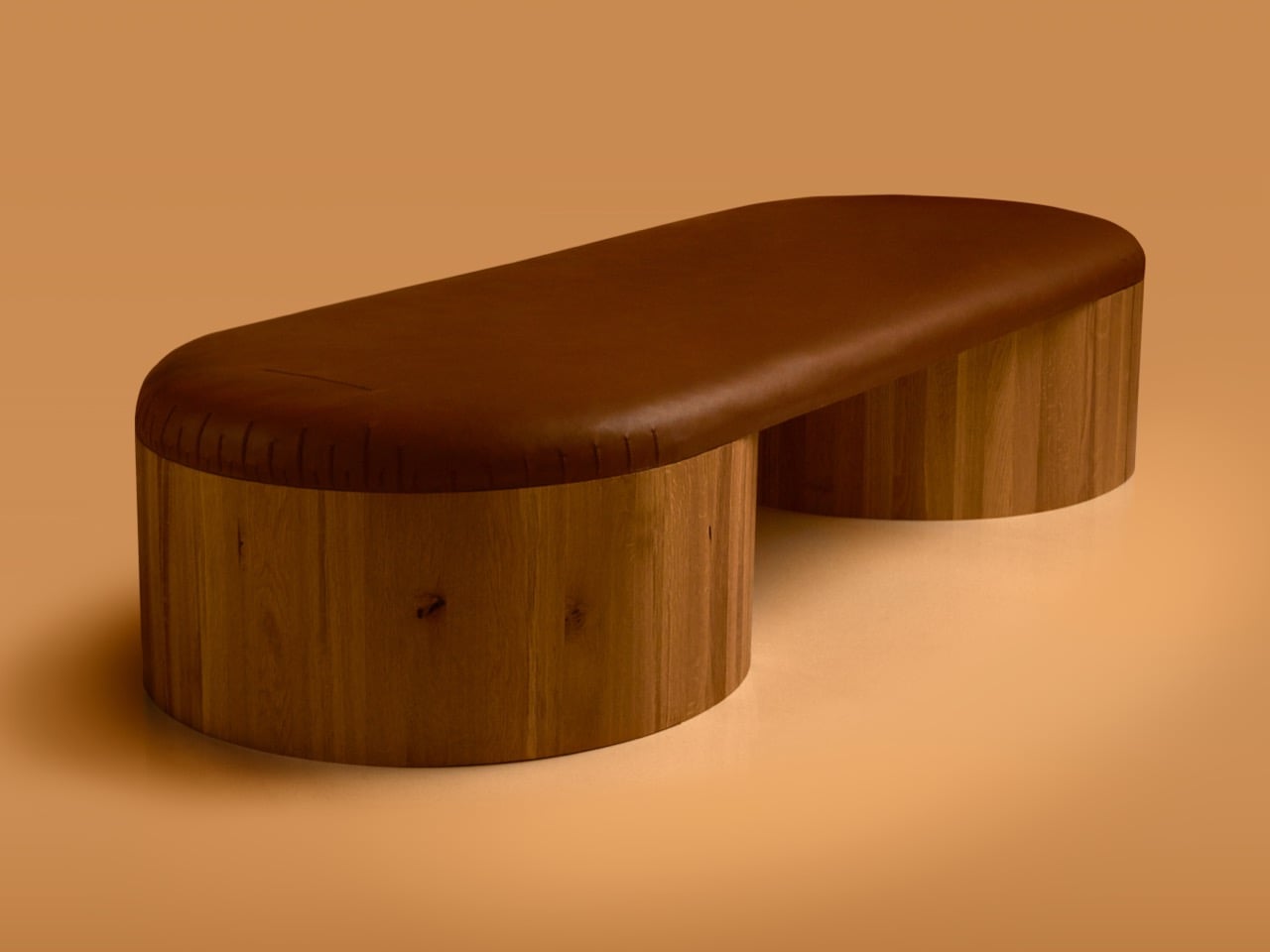
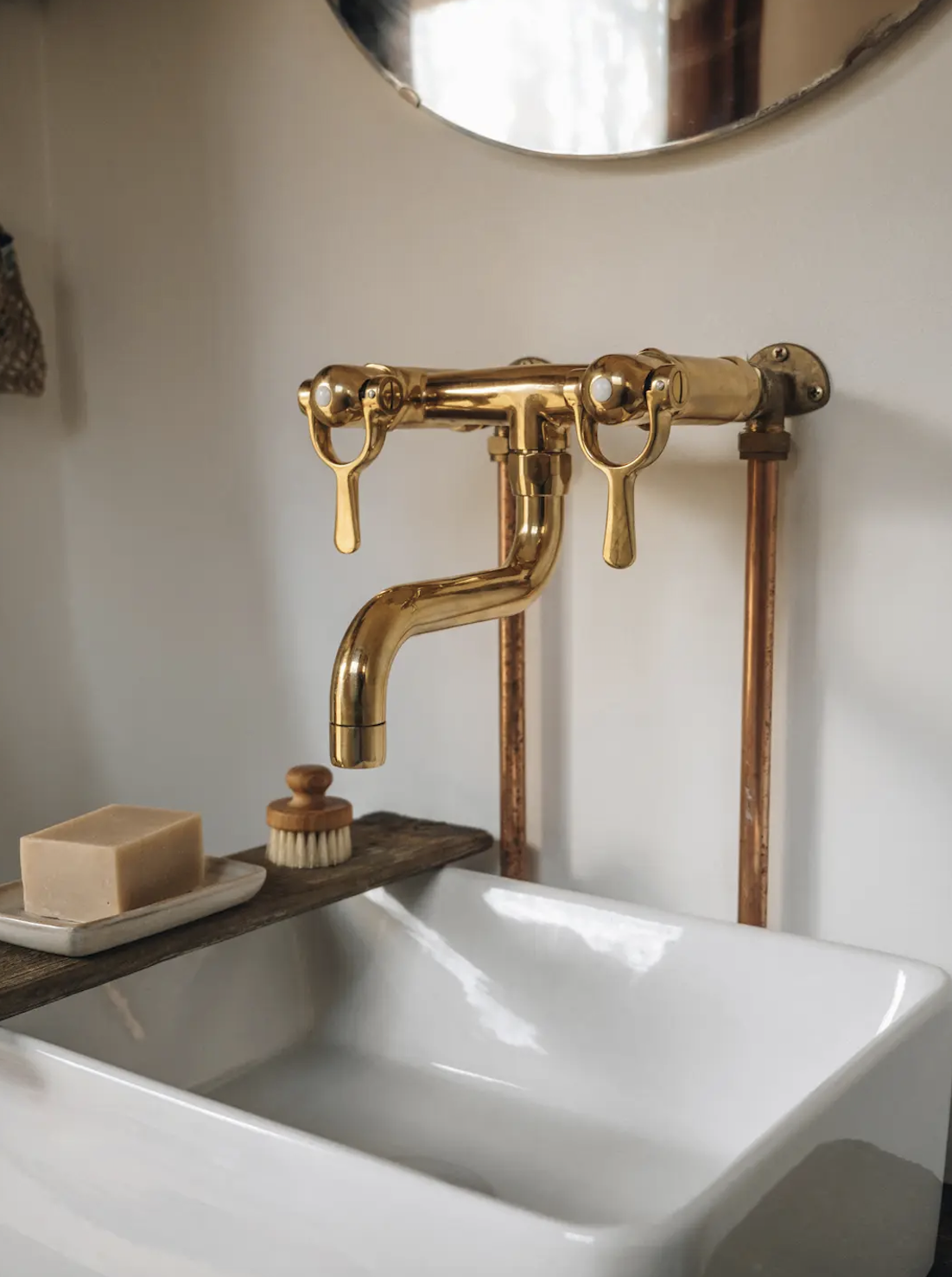
How did a material conceived for bridges, factories, and large-scale structures make its way to the living room bench, the apartment bookshelf, the café table? For centuries, metal was associated with labor, machinery, and monumentality-from the exposed structures of 19th-century World's Fairs to the productive logic of modern industry. Its presence in domestic interiors is not self-evident but rather a cultural achievement: the transformation of an industrial material into an element of everyday, intimate use, in close proximity to the body.
Design
Renovation
fromLos Angeles Times
36 years agoArchitectural Antiques Used as Home Decorating Elements
Architectural antiques from salvage houses and demolition sites are increasingly used as distinctive building and decorating elements in new home construction, driven by renewed historical interest and their status as art forms.
fromRemodelista
2 months agoThe Brass Tacks: A Secret Source For Flush-Mount Fixtures - Remodelista
Such was the case when John MacLaren started making porcelain light fixtures. MacLaren had been making custom furnishings for 20 years when his gaze drifted upwards: While visiting the home of a friend in Sagaponack, his pal noted that he'd n ever seen contemporary flush-mount light fixtures as beautiful as the antique ones in his historic home. MacLaren wondered if he might be able to make some.
Renovation
Renovation
fromdesignboom | architecture & design magazine
2 months agoglass paste details tie together 1966 paris apartment renovation by cyrus ardalan
A 1966 Paris apartment is reframed with continuous plywood surfaces, glass-paste frames, and integrated storage to create a modernist, functional two-bedroom layout.
fromRemodelista
2 months ago'Romanticism of the Ruin': Leila El-Kayem and Sophie Mayer's Art-Filled Devon Home and Studio - Remodelista
Inspired by Margot's post last week on the stellar, nontraditional kitchens she spotted on the websites of European real estate firms, I found myself perusing the listings of my favorite U.K. agency, The Modern House, and there, I came across an especially dreamy offering: a rambling two-acre, multi-building property purchased by a pair of artists, Leila El-Kayem and Sophie Mayer, who lovingly transformed the dilapidated Victorian walled garden into a stylish retreat that's appealingly rough around the edges.
Renovation
[ Load more ]