#climate-risks
#climate-risks
[ follow ]
#climate-change #fossil-fuels #renewable-energy #global-warming #extreme-weather #climate-policy #energy-crisis

fromwww.theguardian.com
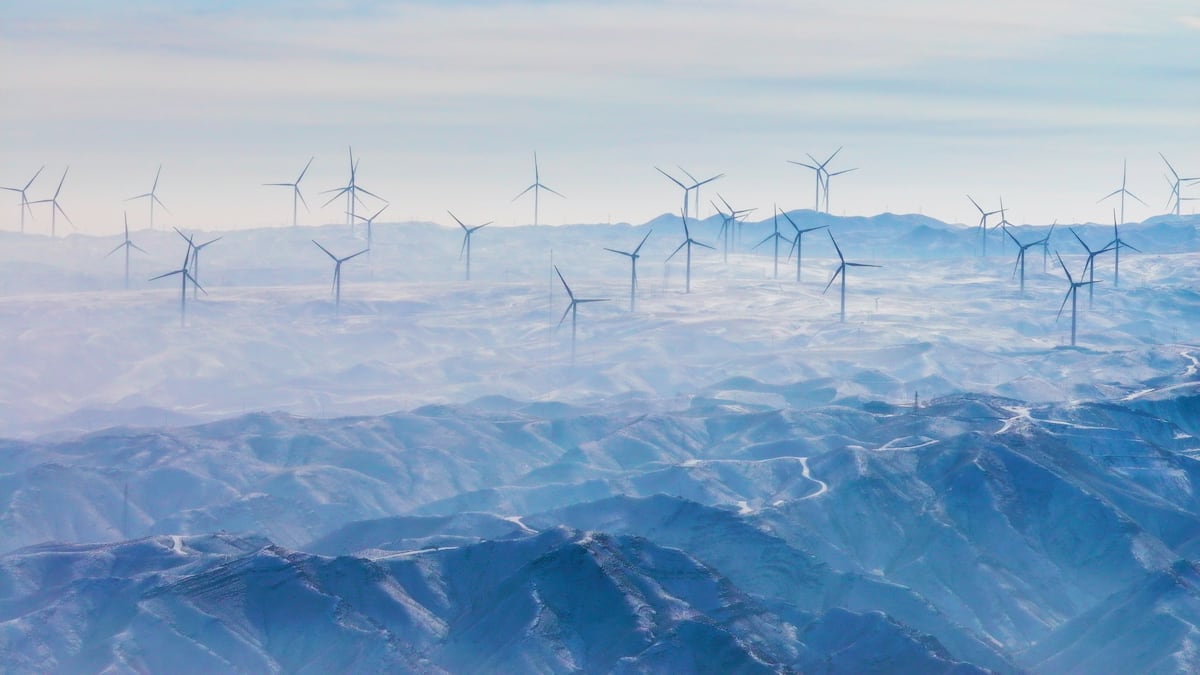
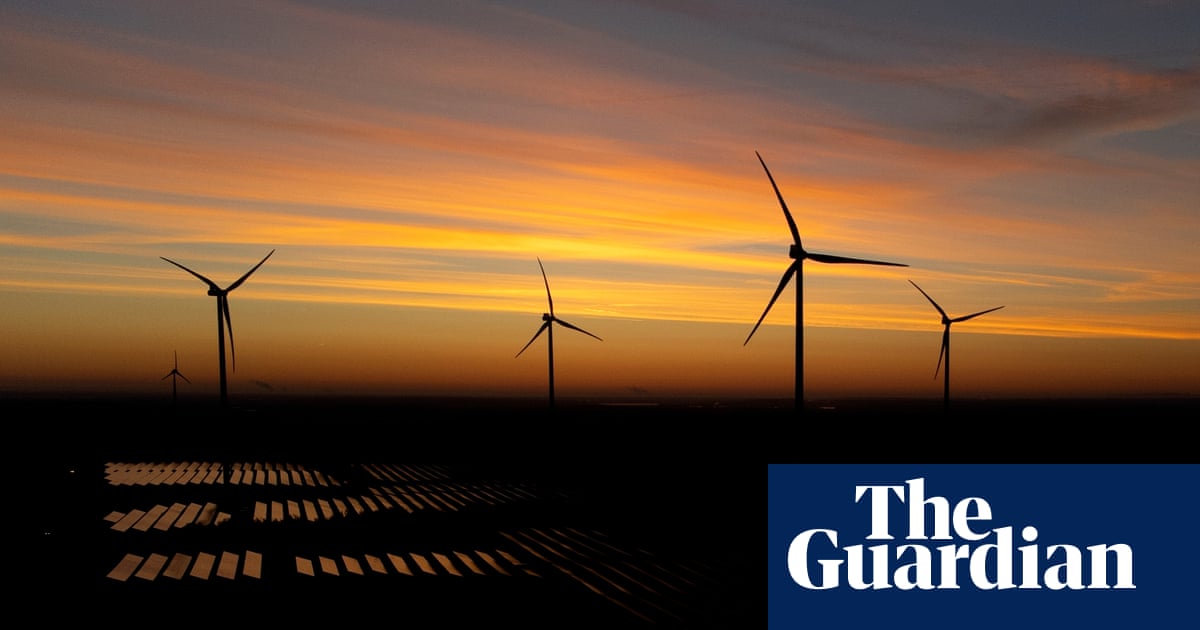
10 hours agoHow South Korea plans to use the Iran crisis to spur a renewables revolution
The village deliberately chose to spend solar income on welfare rather than individual dividends, a decision Jeon says residents made themselves rather than being persuaded. If you divide money as individual income, people feel disconnected.
Agriculture
fromwww.dw.com
1 day agoIndia walked away from its bid to host COP33 here's why
One of the key reasons for India's withdrawal appears to be the steadily declining relevance of COP in driving meaningful global climate action. The complete erosion of trust among countries at the Belem summit in Brazil, where several nations reneged on previously agreed commitments, seems to have contributed significantly to this decision.
World politics
UK politics
fromLondon Business News | Londonlovesbusiness.com
2 days agoReeves hails mini nuclear deal as UK seeks energy security amid global turmoil - London Business News | Londonlovesbusiness.com
Accelerating the development of small modular nuclear reactors is crucial for Britain's energy security amid global market instability.
fromwww.kaltblut-magazine.com
1 month agoThe Climate Crisis
At a young age, I learned quickly how oil wealth and power could burn the land while people struggled. I saw heat rise off the streets, the Nile strained, and the air thickened with injustice. In my teenage years, through Aotearoa, being on the edge of the Pacific, I felt the ocean breathing heavy, swallowing the shores of islands that have done the least to cause this harm.
Photography
fromNature
1 week ago'Net zero' isn't madness: the staggering economic costs of climate change
The overarching message of The Economics of Climate Change: The Stern Review was that failing to invest in mitigating climate change would exact an alarmingly high price, estimated between 5% and 20% of global GDP per year.
Environment
fromwww.theguardian.com
1 month agoDaunting but doable': Europe urged to prepare for 3C of global heating
as the EU's climate advisory board urges countries to prepare for a catastrophic 3C of global heating. Maarten van Aalst, a member of the European Scientific Advisory Board on Climate Change (ESABCC), said the continent was already paying a price for its lack of preparation but that adapting to a hotter future was in part common-sense and low-hanging fruit. It is a daunting task, but at the same time
Europe politics
fromwww.theguardian.com
1 month agoExtreme heat lab: enduring the climate of the future
"So whenever people think about hot weather, they always talk about the temperature," he says. "There's two issues with that. First of all, most people don't realise that the temperature is measured in the shade. So if you're in direct solar radiation, the amount of heat stress you're exposed to is much greater as it will stress your body out a lot more."
Public health
Environment
fromState of the Planet
4 weeks agoClimate Finance Has Failed Africa Twice Over. Here's How To Fix It.
Africa faces immediate climate crisis requiring both massive adaptation investment and urgent global emissions cuts, yet receives inadequate financing while adaptation focus overshadows critical decarbonization efforts.
fromThe Nation
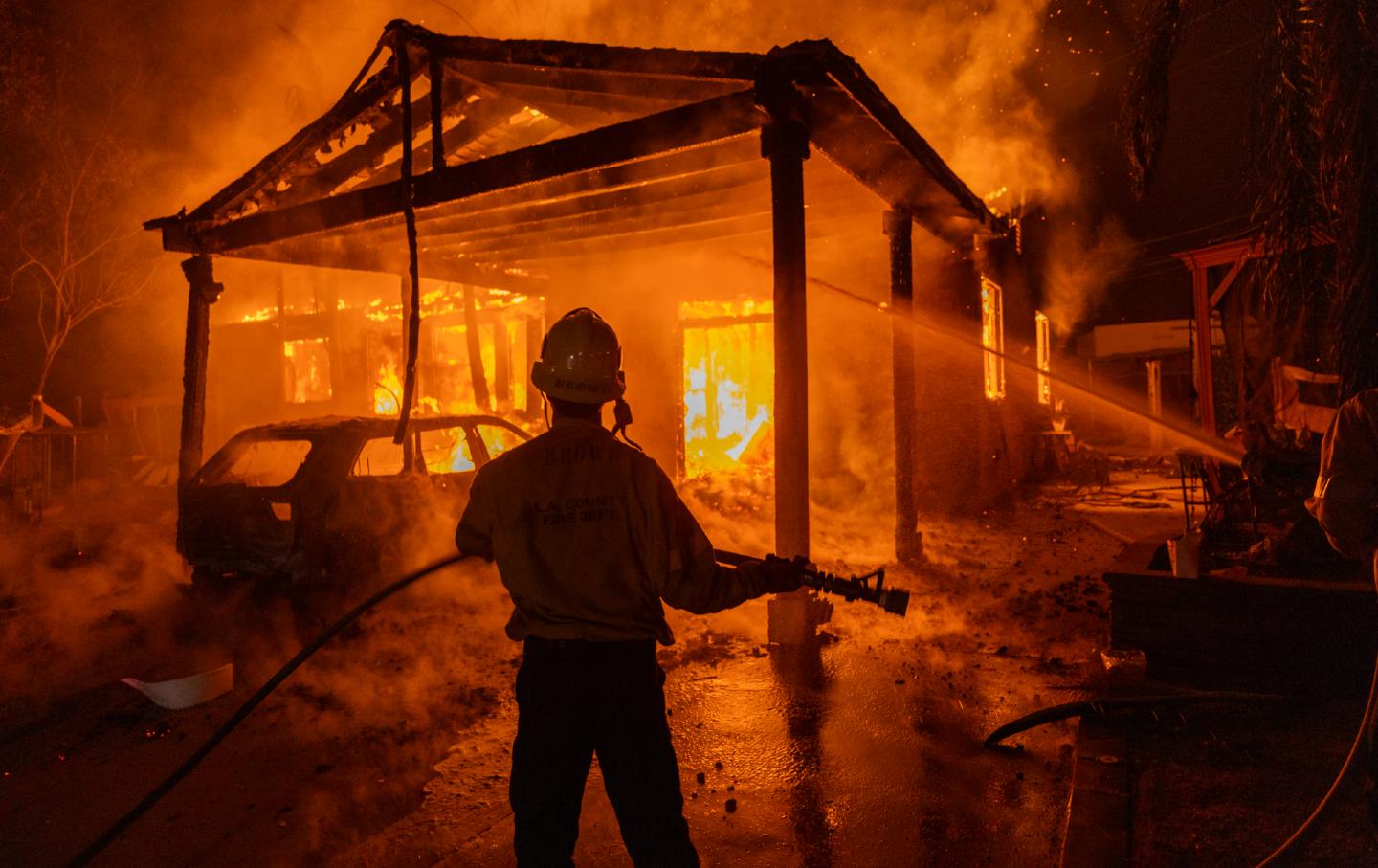
1 month agoA World on Fire Needs More Climate Reporting-Not Less
Covering Climate Now was formed in 2019 in response to the climate silence that then prevailed in much of the press, especially in the United States. Over the years that followed, hundreds of newsrooms joined our effort, and press coverage of the story began to reflect the scale of the crisis. Newsrooms beefed up their climate reporting teams; they confronted misinformation that sought to play down the problem; they thought creatively about how to find the climate connection on every beat.
Environment
fromNature
1 month agoThe world is getting hotter faster - its pace nearly doubled in the past decade
Because the past three years have shattered temperature records, researchers have been exploring whether global warming is accelerating, and if so, why. Many scientists agree that the rate at which it is increasing has picked up. This is mainly because of a reduction in air pollution following the introduction of fuel regulations for international shipping (which has resulted in fewer pollutant particles that reflect sunlight into space and seed insulating clouds).
Environment
Environment
fromNature
1 month agoClimate change and geopolitics threaten water supplies - but disaster is not inevitable
Global water systems face crisis from overuse, pollution, and climate change, requiring urgent strengthening of international water-sharing treaties with dynamic monitoring systems.
fromwww.aljazeera.com
1 month agoUN approves first carbon credits under Paris Agreement market mechanism
The UN-run market allows companies and countries to offset their excess emissions by financing projects that cut greenhouse gases in other nations. The new initiative involves a clean cooking project in Myanmar, which distributes efficient cookstoves that reduce pressure on local forests. Implemented in partnership with a South Korean company, the project will generate credits that will count towards the climate targets of South Korea and Myanmar.
Environment
fromWIRED
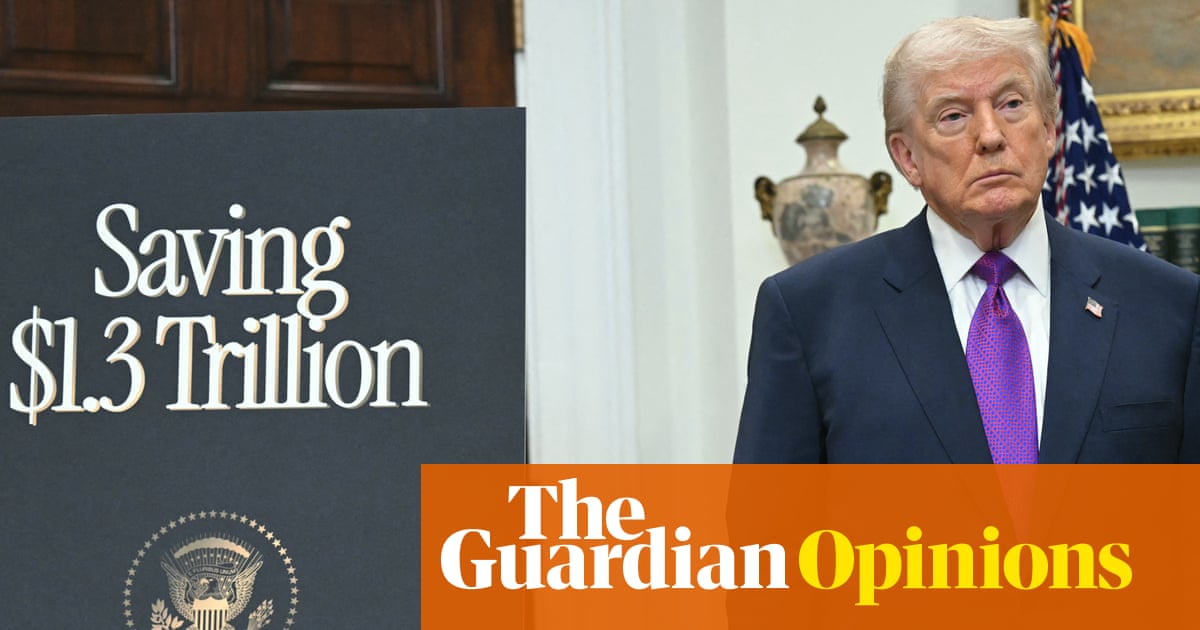
2 months agoThe Fight Over US Climate Rules Is Just Beginning
On Thursday, the Environmental Protection Agency is expected to roll back the endangerment finding, which underpins the US's ability to regulate the greenhouse gases that cause climate change. The rollback, the result of more than 15 years of work from right-wing special interest groups, represents the most aggressive move against climate regulation in the US to date-and will introduce a lengthy fight that's almost certain to wind up in front of the Supreme Court.
Environment
[ Load more ]