#diagnostic-inflation
#diagnostic-inflation
[ follow ]
#inflation
NYC parents
fromFortune
2 days agoIf the economy feels even worse for you than inflation data is showing, that might be because childcare isn't deemed a 'necessity' | Fortune
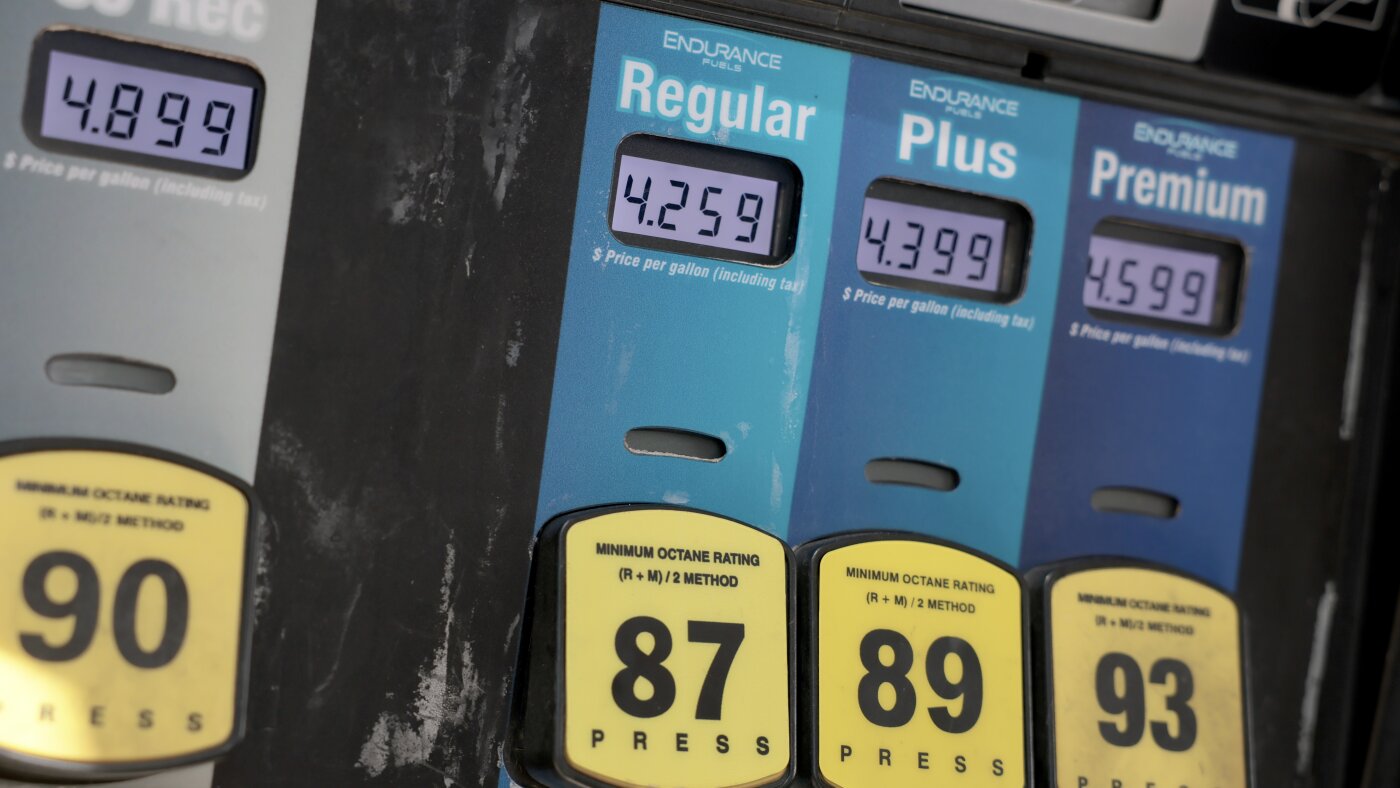
Inflation has risen to 3.3%, driven by commodity prices, particularly gasoline, affecting household affordability and economic perceptions.



NYC parents
fromFortune
2 days agoIf the economy feels even worse for you than inflation data is showing, that might be because childcare isn't deemed a 'necessity' | Fortune
Inflation has risen to 3.3%, driven by commodity prices, particularly gasoline, affecting household affordability and economic perceptions.


Europe news
fromLondon Business News | Londonlovesbusiness.com
1 week agoGlobal inflation stable but energy and food pressures build - London Business News | Londonlovesbusiness.com
Year-on-year inflation across the OECD remained steady at 3.4% in February 2026, with varying trends among member countries.

World politics
fromwww.theguardian.com
2 weeks agoA third inflationary shock in less than a decade is coming: who will pay the price this time around? | Aditya Chakrabortty
Daniel Yergin highlights the vulnerability of global oil supplies through the Strait of Hormuz and the consequences of military actions against Iran.
fromwww.mediaite.com
2 weeks agoBad News All Around!' Fox Business Host Stunned By Highly Inflationary' Prices in Total Bummer of an Economic Analysis
High energy prices are kryptonite for the housing market. Affordability, especially for those first-time home buyers, is now an elusive dream until oil prices come down and interest rates come down.
SF real estate
World news
fromLondon Business News | Londonlovesbusiness.com
1 month agoUS inflation held at 2.4% in February, but significant price pressures loom in March - London Business News | Londonlovesbusiness.com
US inflation stabilized at 2.4% year-on-year in February, but Middle East disruptions to energy supplies create uncertainty about future Fed rate cut decisions.
fromConde Nast Traveler
1 month agoWhy International Flight Tickets Could Get More Expensive Soon
According to the International Air Transport Association (IATA), the global average price of jet fuel jumped 58.4% week-on-week to $157.41 a barrel, far above the $88 average the industry had expected for 2026.
Travel
E-Commerce
fromRetail Brew
1 month agoConsumers say they're financially worse off and it's changing how they shop
One in four Americans report worsening financial situations, driving widespread cost-cutting across groceries, personal care, dining, travel, and discretionary spending, with consumers increasingly favoring budget retailers and value-focused options.
US politics
fromFast Company
2 months agoInflation fears in the U.S. are running high, especially for this demographic, a survey shows
Asian Americans, Pacific Islanders and Native Hawaiians show greater anxiety about costs and prioritize government action on inflation and living expenses than U.S. adults overall.
fromSilicon Canals
2 months ago10 "normal" expenses that quietly wreck middle-class budgets - Silicon Canals
Remember that moment when you check your bank account and wonder where all your money went? Last month, I had one of those wake-up calls. After getting laid off and freelancing for four months, I thought I'd gotten pretty good at budgeting. But there I was, staring at my statement, realizing I'd somehow spent $847 on things I couldn't even remember buying. That's when it hit me: The problem was all those "normal" expenses that everyone just accepts as part of life.
Digital life
fromFast Company
1 month agoWhat the gas station test reveals
When you work in the operating world, you are in the weeds of your business. For example, at SoFi I knew all the nuances of different types of student loan forbearance programs and at Brex I knew the minutiae of the Mastercard transaction chargeback rules. This contrasts with my experience as a private equity investor where I look at purchasing a business ranging from a chain of laundromats to Ancestry.com within the same month.
Business
fromwww.npr.org
2 months agoHospitals are posting prices for patients. It's mostly industry using the data
The idea echoes a policy implemented during his first term, when Trump suggested that requiring hospitals to post their charges online could ease one of the most common gripes about the health care system the lack of upfront prices. To anyone who's gotten a bill three months after treatment only to find mysterious charges, the idea seemed intuitive. "You're able to go online and compare all of the hospitals and the doctors and the prices,"
US news
Business
fromFortune
2 months agoMiddle-class Americans are paying for the data center and AI boom with higher electric bills and even food costs, Goldman Sachs warns | Fortune
Rising electricity demand from AI-focused data centers will increase business production costs and consumer prices, disproportionately burdening small businesses and lower-income households.
fromFast Company
2 months agoConsumer confidence in the U.S. economy falls to lowest level since 2014
The Conference Board said Tuesday that its consumer confidence index cratered 9.7 points to 84.5 in January, falling below even the lowest readings during the COVID-19 pandemic. A measure of Americans' short-term expectations for their income, business conditions and the job market tumbled 9.5 points to 65.1, well below 80, the marker that can signal a recession ahead. It's the 12th consecutive month that reading has come in under 80. Consumers' assessments of their current economic situation slid by 9.9 points to 113.7.
US news
fromSitePoint Forums | Web Development & Design Community
2 months agoIs there a significant cost difference between In-House vs Outsourced Billing Services for medical practices?
When analyzing the operational costs of a healthcare facility, the debate between In-House vs Outsourced Billing Services always comes up. Many business owners find that managing billing internally requires constant training and expensive software, whereas the best medical billing companies often provide a more streamlined, result-oriented approach for a percentage of the collections.
Healthcare
from24/7 Wall St.
2 months agoThe CVS Earnings Bombshell That Has Investors Scrambling Right Now
CVS Health ( NYSE: CVS) delivered a solid revenue beat in Q4 2025, though adjusted earnings declined year-over-year despite exceeding Wall Street expectations. The 8.2% revenue increase to $105.69 billion marked the company's strongest quarterly top-line growth of the year. However, adjusted EPS of $1.09 declined from $1.19 in Q4 2024, pressured by Medicare Part D headwinds from Inflation Reduction Act seasonality changes.
Business
[ Load more ]