#diesel-fuel
#diesel-fuel
[ follow ]
#electric-vehicles
Alternative transportation
fromThe Atlantic
4 days agoA New Kind of Hybrid Car Is About to Hit America's Streets
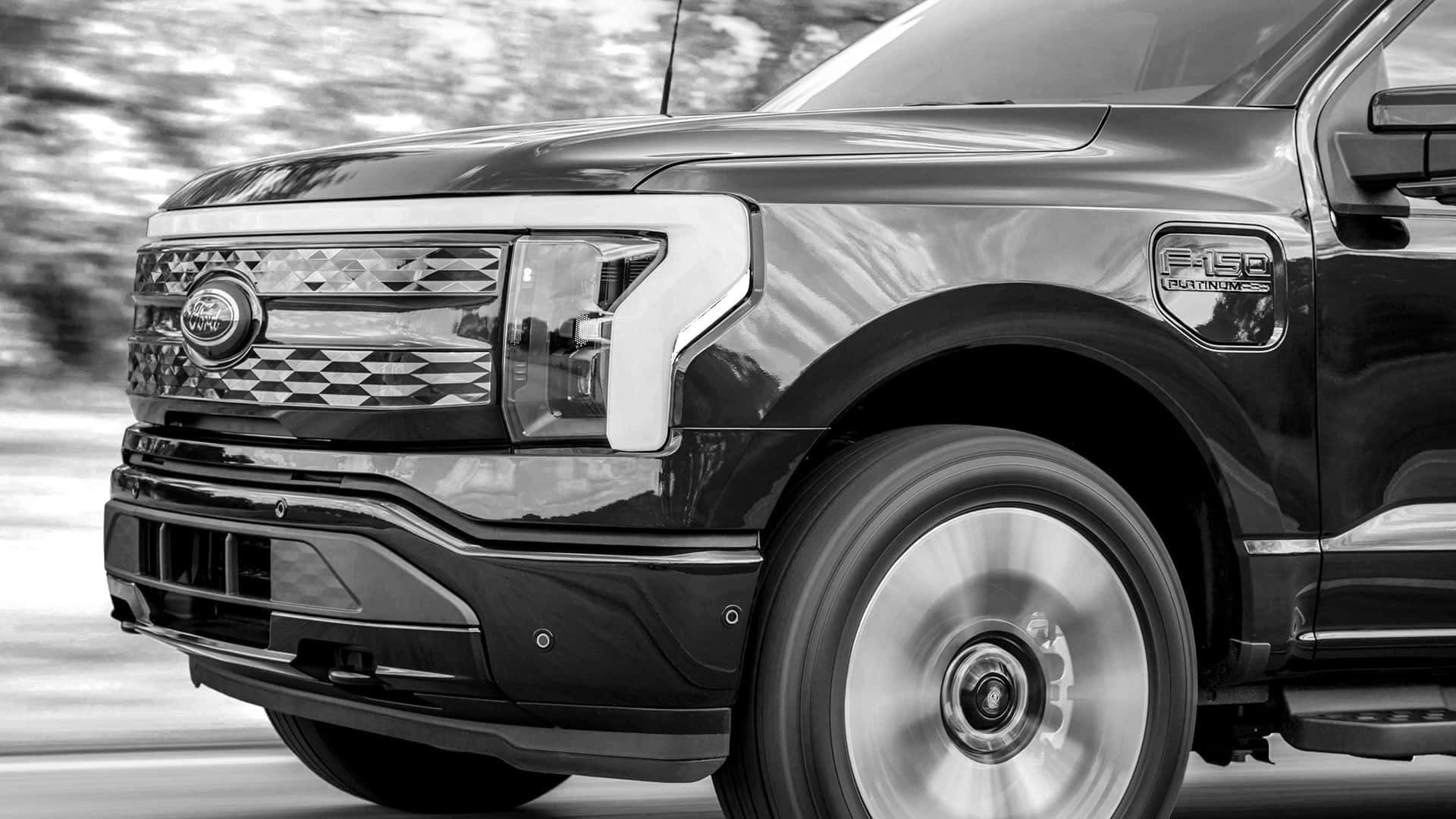
The Ram 1500 REV addresses range anxiety by using a gas engine to recharge its battery, allowing for extended travel without frequent stops.
Cars
fromFortune
1 month agoThis 55-year-old supply chain management professor took a gamble last year: he bought an electric vehicle | Fortune
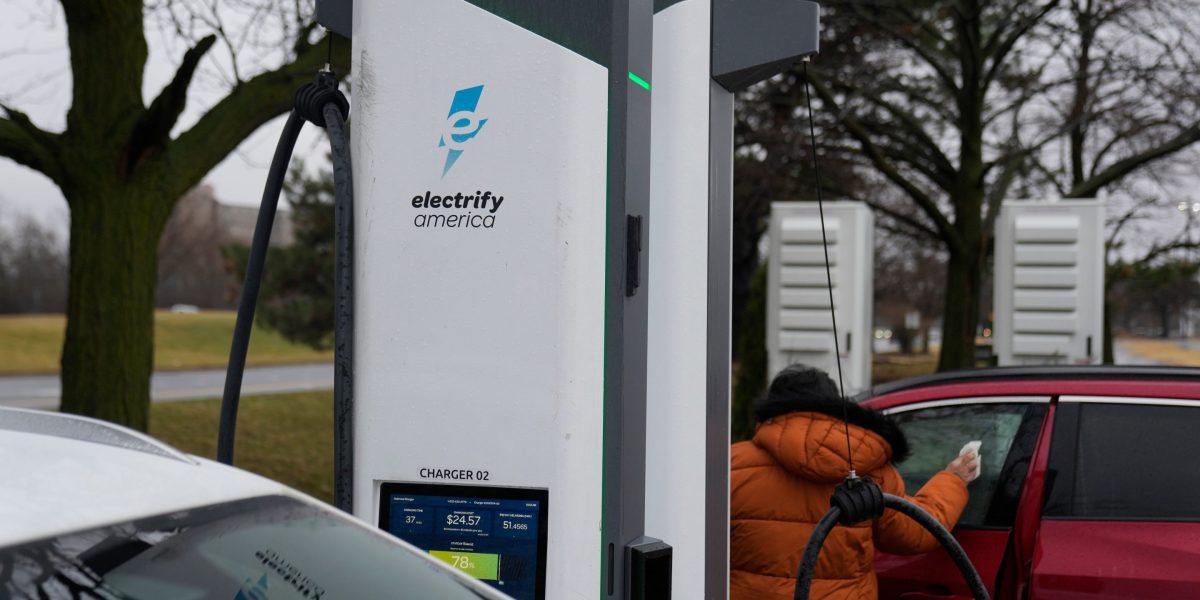
EV owners face less price volatility than gas vehicle drivers during global conflicts, though electricity rates are rising from multiple factors including data center demand.



fromLondon Business News | Londonlovesbusiness.com
3 days agoUK car industry warns EU plan could hit EV trade and jobs - London Business News | Londonlovesbusiness.com
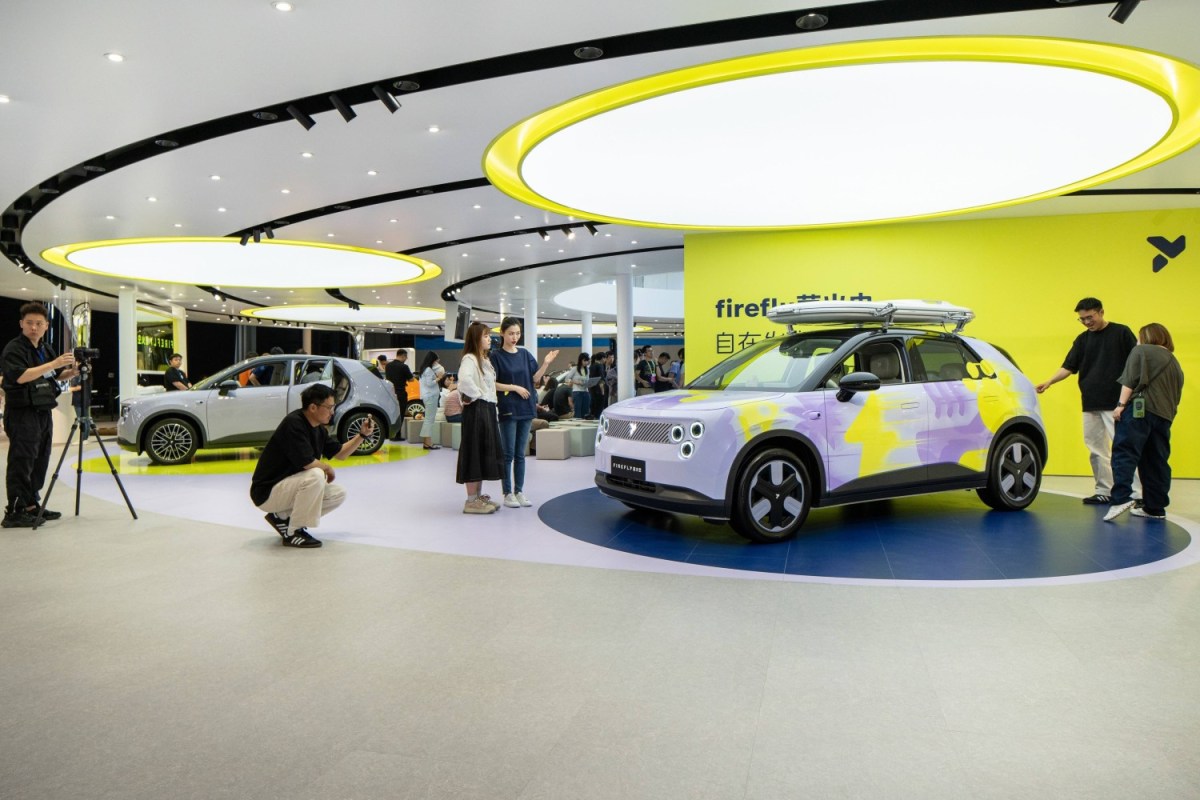
The Society of Motor Manufacturers and Traders is calling for UK-built vehicles, components and batteries to be granted equivalent status to EU-made products under the proposed 'Made in Europe' framework, arguing that the current draft risks undermining a deeply integrated cross-border industry.
Europe politics
fromwww.npr.org
1 week agoDrive slower, go electric, don't drive at all? Americans weigh options for saving gas
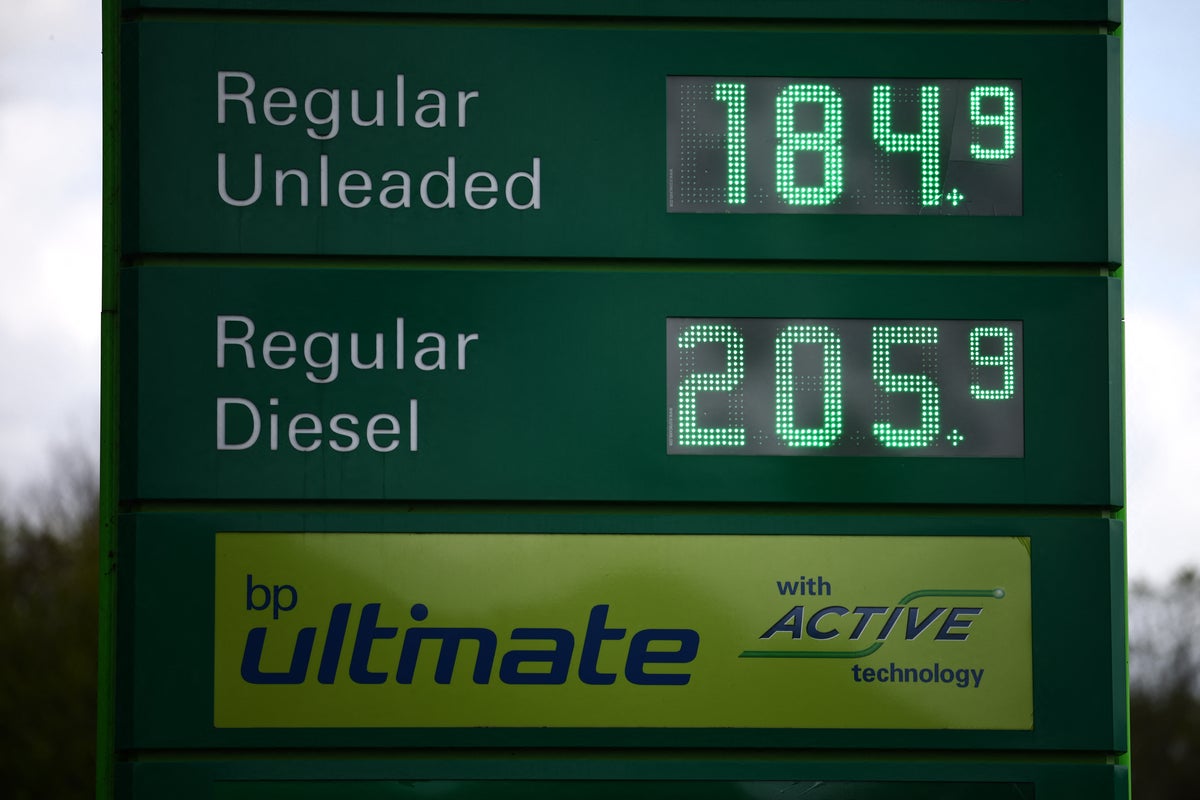
The key to getting the most miles out of each gallon is driving efficiently. That means smooth acceleration, soft braking and slowing down. Cars tend to be the most fuel efficient when driven at about 50 miles per hour.
US news
fromwww.dw.com
6 days agoDieselgate: Audi bosses, engineers fail to reach plea deal
The trial, which began in Munich in February, sees two former Development Board chairs and two leading engineers facing charges for their alleged role in the massive environmental and business scandal that first made global headlines over a decade ago.
Germany news
fromwww.thelocal.de
1 week agoWill travellers in Germany be affected by Europe's looming jet fuel crisis?
Airlines in Europe are bracing for fuel supply shocks caused by the war in the Middle East. The severity of the impacts on passengers will be determined in the coming days and weeks depending on whether a recently announced ceasefire between the United States and Iran holds.
Germany news
Europe news
fromLondon Business News | Londonlovesbusiness.com
3 days agoIEA warns Europe has 'maybe six weeks or so of jet fuel left' - London Business News | Londonlovesbusiness.com
Europe may face flight disruptions due to jet fuel shortages linked to ongoing conflicts, with only six weeks of supply remaining.
fromSustainable Bus
3 days agoBerlin's BUS2BUS 2026 gathers 40 buses with focus on electrification and minibuses - Sustainable Bus
The event features approximately 40 vehicles alongside a conference program addressing topics such as autonomous driving, on-demand transport and operational concepts, including a Sustainable Bus session on intercity bus electrification.
Alternative transportation

fromwww.theguardian.com
1 month agoWork from home and slow down on the road: world's energy watchdog advises emergency measures as oil prices rise
The International Energy Agency has advised member countries to take emergency measures to curb oil demand, following military strikes on Iran that have triggered significant supply disruptions.
World news
fromwww.nytimes.com
1 week agoVideo: Soaring Fuel Prices Squeeze China's Frugal Truckers
Many long-haul truckers in China have a tight budget and live frugally on the road, sleeping and cooking in their vehicles. The pain at the pump is forcing some drivers to rethink their lives.
Alternative transportation
fromEngadget
2 weeks agoToyota's still trying to make hydrogen fuel cells happen
"We are deeply grateful for the opportunity to soon be joining Daimler Truck and Volvo Group as partners in building a hydrogen society," Toyota President and CEO Koji Sato said. "cellcentric which possess deep expertise in commercial fields together with Toyota's over 30 years of fuel-cell development in the passenger car sector, can combine their strengths to deliver one of the world-leading fuel cell systems for heavy commercial vehicles."
Cars
fromWIRED
1 month agoHigher Jet Fuel Prices Could Melt Your Summer Travel Plans
Jet fuel alone accounts for somewhere between 25 and 35 percent of airlines' costs. The next stop is higher ticket prices. It's already happening, to some degree. Several airlines, including Air Asia and Hong Kong Airlines, have explicitly said they're adding to their usual fuel surcharges.
Travel
fromYahoo News
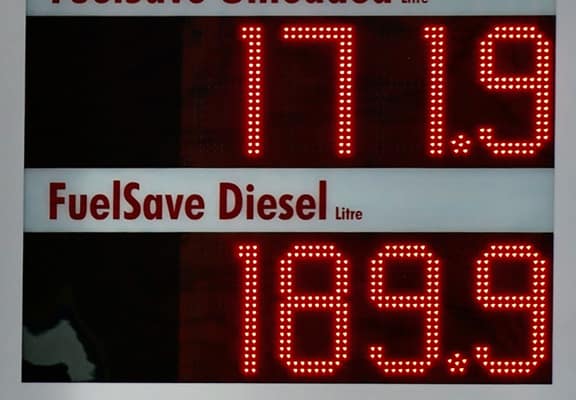
3 weeks agoRadical road rule change to keep cars running amid Aussie petrol crisis: 'Can help'
"Lowering speeds does reduce fuel consumption, especially at highway speeds, because aerodynamic drag increases rapidly as speed rises. A reduction of around 10 km/h can realistically lead to fuel savings in the order of 5-10 per cent, depending on the vehicle and driving conditions."
Alternative transportation
Alternative transportation
frominsideevs.com
1 month agoFive Underrated Used EVs To Help You Through The Impending Gas Crisis
Rising gas prices and EV depreciation create opportunities to purchase affordable used electric vehicles under $30,000, with an expanding market as leases end and fleet vehicles turn over.
Alternative transportation
fromNature
1 month agoAffordable mobility for all: why we need smaller, cheaper electric vehicles
Low-speed electric vehicles offer affordable, practical decarbonization for underserved populations but remain overlooked due to bias toward expensive, high-tech solutions and nationalist trade policies.
fromStreetsblog
1 month agoWhat If The Rising Costs of Car Dependency Were As Visible As Gas Prices? - Streetsblog USA
Because so many American cities are so heavily car-dependent, most U.S. residents have no choice but to pony up the cash and drive anyway. Indeed, even when gas prices climbed above $5 a gallon in 2022, driving did not plummet; a Time magazine analysis at the time found that 'the only time that fuel consumption really took a hit in the last 23 years was during the pandemic.'
Alternative transportation
fromThe Verge
1 month agoThe uncomfortable truth about hybrid vehicles
Plug-in hybrids can offer 20-60 miles of electric-only driving for daily use, plus a gas engine for longer trips or when they can't recharge. And as EV growth slows down, many automakers clearly see hybrids - and more specifically, plug-in hybrids (PHEV) - as a better fit for America's fluctuating tastes.
Cars
fromBusiness Matters
1 month agoHeavy Duty Diesel Engines for Transport and Service Businesses
Diesel remains the backbone for moving massive loads across long distances. It provides the torque needed for heavy hauling that other fuel types just cannot match. Investment in diesel tech leads to better fuel systems and longer lifespans for newer models.
Alternative transportation
Alternative transportation
fromFast Company
1 month agoWe need to rethink our love affair with big vehicles
Larger vehicles like SUVs and pickup trucks pose significantly greater safety risks to pedestrians and cyclists than standard passenger cars, with research showing they are 45% deadlier and children are eight times more likely to be killed by them.
fromwww.theguardian.com
1 month agoFerries emit more sulphur pollution than cars' in several EU capitals
Europe's ageing fleet of nearly 2,000 ferries are a large but overlooked source of foul air in coastal cities. Emissions of sulphurous oxides toxic gases that smell like burnt matches and rotten eggs react to form tiny particles that penetrate the lungs, ride the bloodstream and damage organs throughout the body.
Europe news
[ Load more ]