#electronics-warranty
#electronics-warranty
[ follow ]
#technology #smartphones #apple #advertising #social-media #data-privacy #meta #mental-health #right-to-repair
fromPopular Science
2 days agoHow to stop your smart TV from tracking you
Smart TVs are capable of tracking user data, including viewing habits and app usage, which can lead to personalized advertising and content recommendations. Users may prefer to limit this tracking to protect their privacy.
Privacy technologies




fromBig Think
1 week agoWhy fixing your gadgets often costs more than replacing them
The fix, he told me, was temporary - he didn't have the right part and couldn't get it. This experience revealed a broader shift in how modern products are designed, sold, and owned - one that increasingly treats repair as optional and replacement as inevitable.
Renovation



#iphone-fold
Apple
fromYanko Design - Modern Industrial Design News
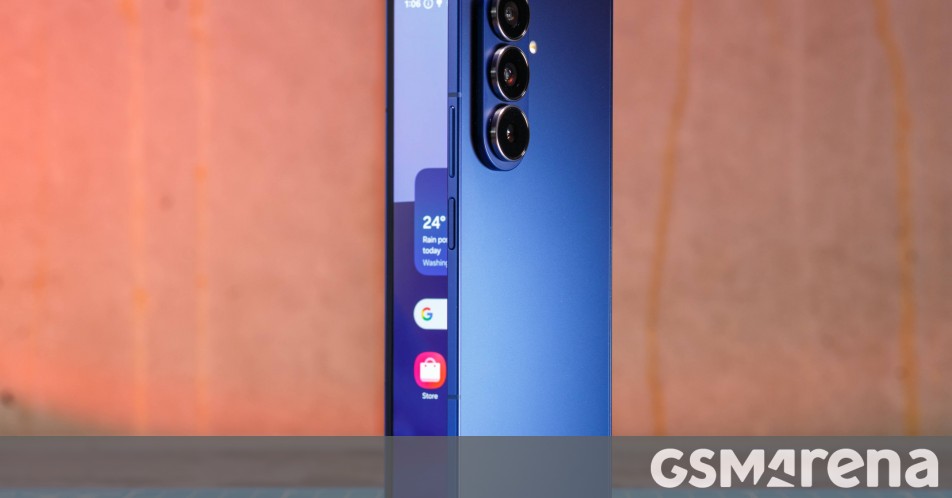
5 days agoPictures of iPhone Fold appear online, just before Apple's supposed foldable hits engineering challenges - Yanko Design
Apple's anticipated foldable phone, the iPhone Fold, is expected to launch in 2026, but engineering setbacks may delay its release.
fromElectronic Frontier Foundation
2 weeks agoUS Tech Companies Must be Accountable in US Courts for Facilitating Persecution and Torture Abroad, EFF Urges US Supreme Court
Texas deputies queried Flock Safety's surveillance data in an abortion investigation, contradicting the narrative promoted by the company and the Johnson County Sheriff that she was 'being searched for as a missing person.'
Privacy technologies
E-Commerce
fromTasting Table
1 month agoThis Is What Happens When You Buy Your Appliances Straight From The Manufacturer - Tasting Table
Buying appliances directly from manufacturers online eliminates middlemen markups, offers expert support, and provides easier problem resolution compared to retail stores.
fromEarth911
1 month agoFind Your Fix: Tech Brands Are Embracing Right to Repair
By January 2026, over a quarter of Americans will live in states with right-to-repair laws, and that number should rise to more than 35% by fall 2026 when Connecticut and Texas join in. The European Union also passed a Right to Repair Directive in 2024, which will apply to all EU countries by July 2026. These rules make manufacturers give consumers and independent repair shops the tools, parts, manuals, and software needed to fix their own products.
Environment
Privacy technologies
fromThe Queen Zone
1 month ago13 ways your smart tv may be tracking you and what you can do about It
Over 80% of U.S. households own internet-connected televisions that track viewing habits, voice commands, and app usage, converting entertainment devices into behavioral tracking tools for advertising and analytics networks.
fromIPWatchdog.com | Patents & Intellectual Property Law
1 month agoBritish Consumer Association Withdraws Competition Claim Against Qualcomm
A British consumers' organization has withdrawn its competition claim against Qualcomm after it determined the Competition Appeal Tribunal was likely to find Qualcomm was not at fault. The consumers' organization, Which?, filed the claim in February 2021 on behalf of around 29 million British consumers, alleging that Qualcomm had "breached UK competition law by taking advantage of its dominance in the patent-licensing and chipset markets."
UK news
fromSilicon Canals
2 months ago8 products that used to last decades but now seem to break after the warranty expires - Silicon Canals
My grandmother's refrigerator ran for forty years. The washing machine she bought in the 1970s? Still spinning when she passed away. Meanwhile, I'm on my third coffee maker in five years, and don't get me started on the laptop that mysteriously died two weeks after the warranty expired. This isn't just bad luck or nostalgia talking. There's something fundamentally different about how products are made today versus decades ago.
Gadgets
fromTelecompetitor
1 month agoPre-owned smartphone market showing its age: Report
The age of smartphones that were traded in reached a record high during the 2025 upgrade cycle, according to a new report from Circana and B-Stock. Most of the devices traded in were at least three generations old, yet even older phones are in high demand on a global basis. As of October 2025, nearly 11% of U.S. consumers own a pre-owned smartphone, with almost one-third (30%) of those being certified pre-owned (CPO) models.
Gadgets
Gadgets
fromwww.wired.com
1 month agoDon't Fall for the Crappy Laptops Amazon Promotes. Buy One of These Instead
Avoid cheap off-brand laptops and misleadingly marketed budget 'gaming' models; choose reputable manufacturers or better-value Snapdragon-equipped options for longer battery life and reliable performance.
[ Load more ]