#elevator-design
#elevator-design
[ follow ]
fromArchDaily
21 hours agoWhy Do We Want to Float? The Psychology of Lightness in Architecture
In 1962, the architect Buckminster Fuller envisioned a floating city that would free humanity from its dependence on the Earth. The speculative project consisted of enormous geodesic spheres that would naturally levitate in air warmed by the sun and be anchored to mountaintops.
Design
#architecture


Renovation
fromYanko Design - Modern Industrial Design News
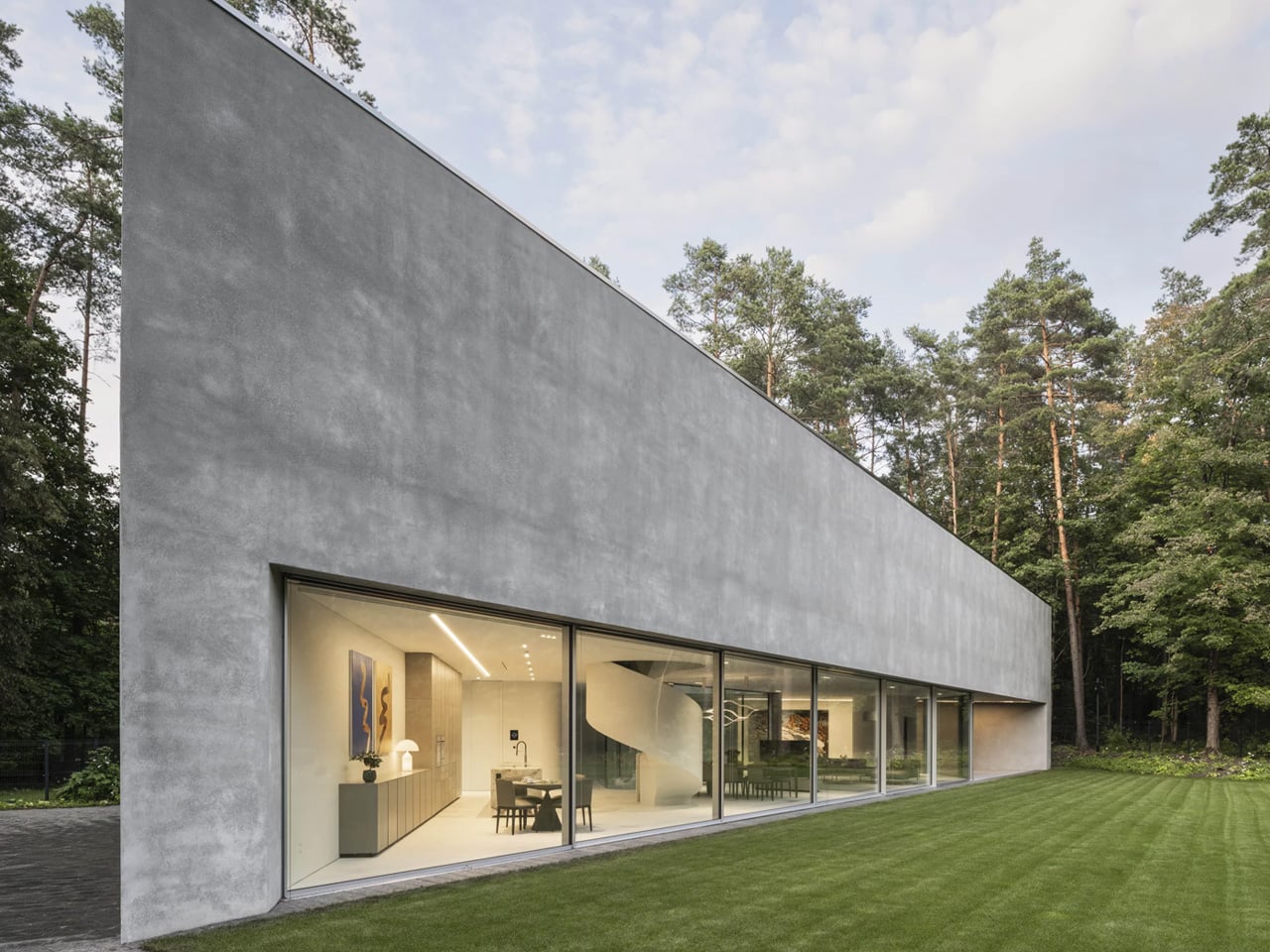
2 days agoThis Sharp-Cornered Lithuanian Home Only Exists Because Planning Rules Wrecked the Original Design - Yanko Design
The Trim House by KWK Promes adapts to new planning regulations, resulting in a unique triangular design that enhances its architectural interest.
UX design
fromdesignboom | architecture & design magazine
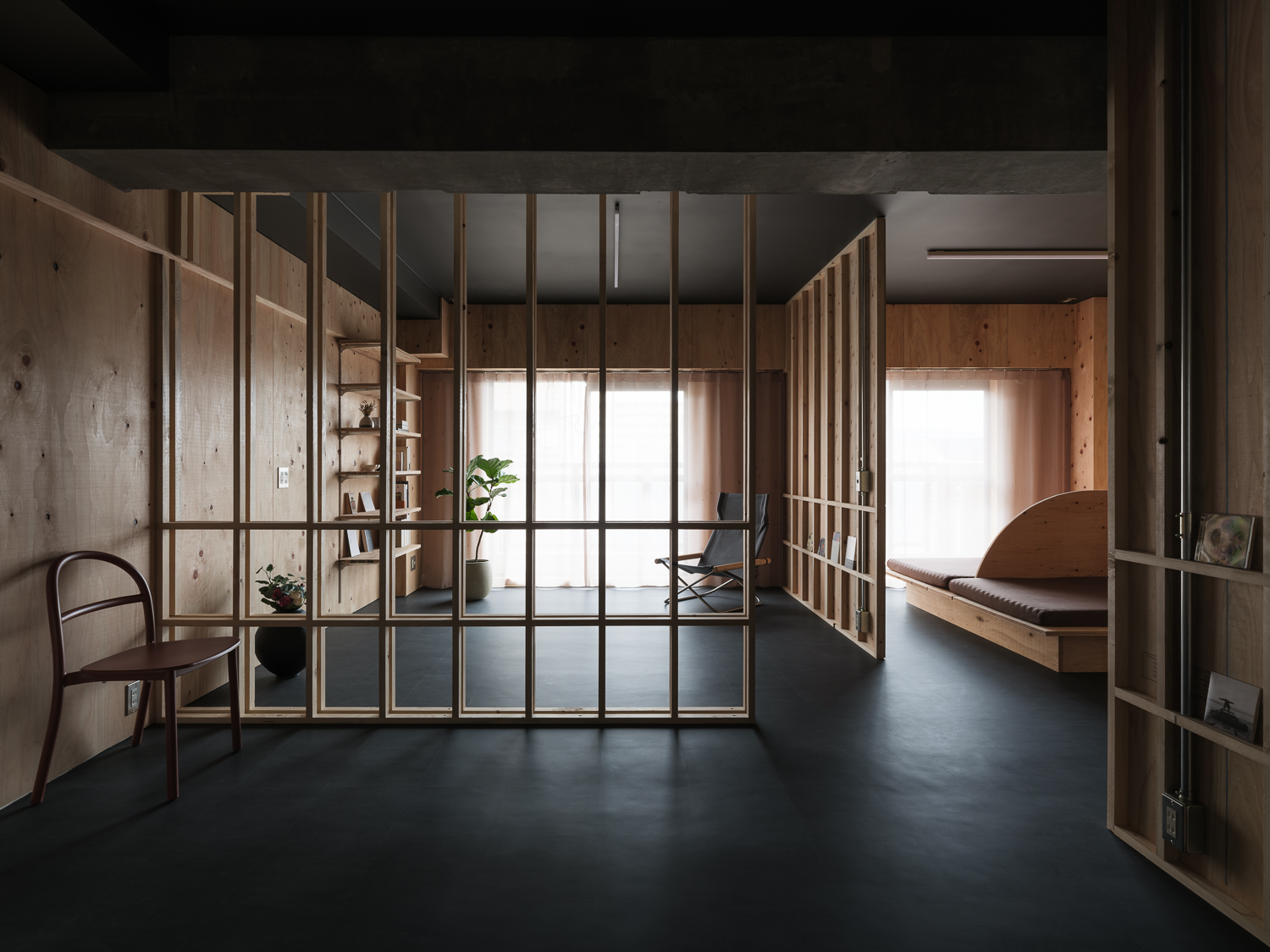
6 days agohow wutopia lab's 'magical realism' turns everyday spaces into ethereal interior atmospheres
Wutopia Lab creates immersive architectural experiences that transform ordinary spaces into imaginative environments, enhancing perception through design elements like light and geometry.
Design
fromYanko Design - Modern Industrial Design News
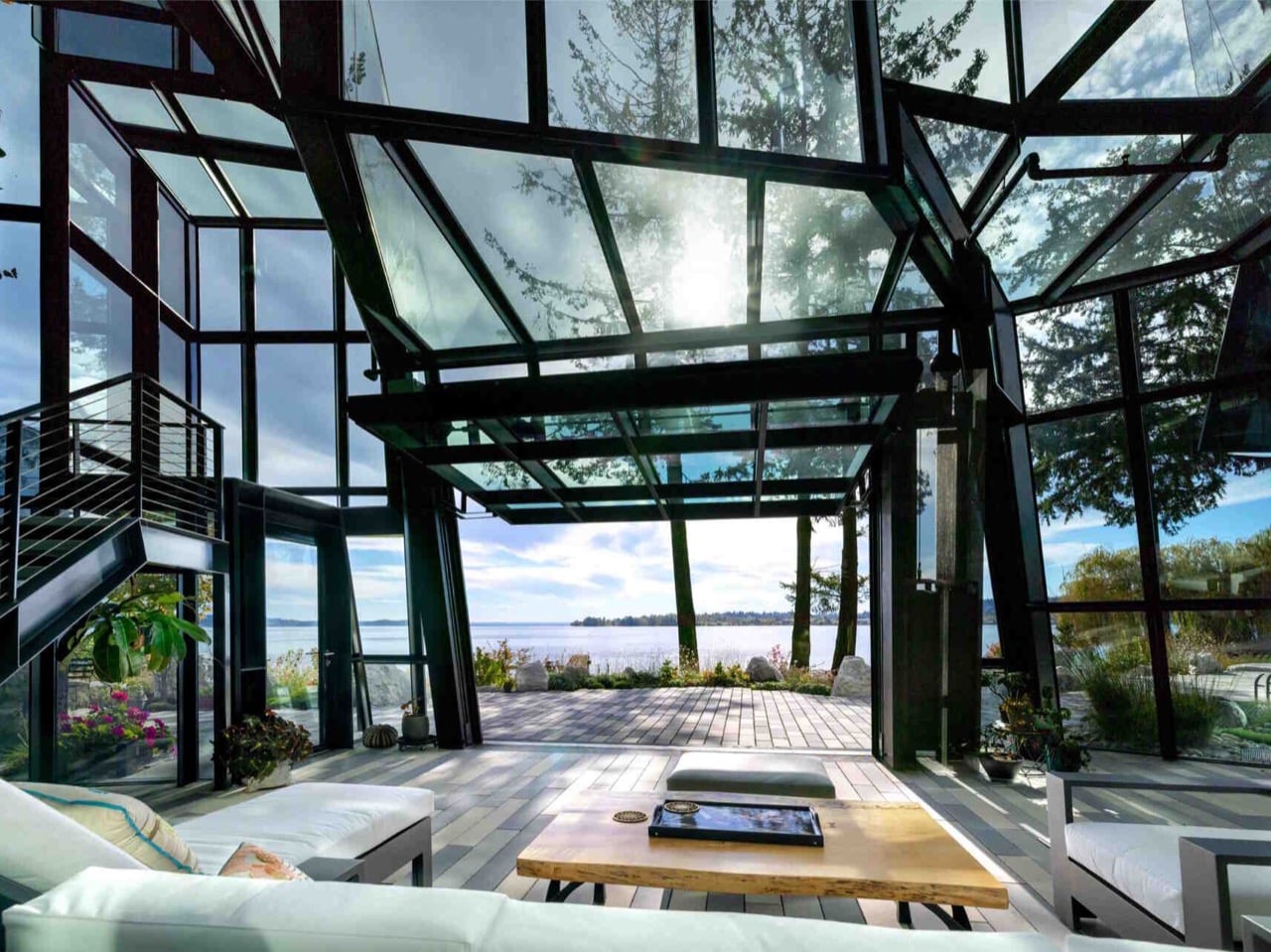
2 days agoA Gaming Executive Said "Build Me a Crystal House." This Is What 7,300 sq. ft. of Pure Glass Looks Like - Yanko Design
Glass architecture creates a unique interplay of presence and absence, exemplified by F-House's all-glass design that challenges conventional residential norms.
fromdesignboom | architecture & design magazine
18 hours agonuma immersive projection system rethinks elevator as responsive spatial environment
NUMA introduces a visual layer that operates independently of the existing structure, allowing it to be implemented across different elevator types without structural intervention.
UX design



Berlin music
fromdesignboom | architecture & design magazine
5 days agobjarke ingels unveils tennessee performing arts center with billowing aluminum facade
Nashville's Tennessee Performing Arts Center, designed by Bjarke Ingels Group, will connect urban spaces and enhance cultural engagement along the Cumberland River.
California
fromStreetsblog California
1 week agoLegislation Moving to Make It Easier to Build High-Rises Near Transit in CA's Seven Largest Cities - Streetsblog California
Assembly Bill 2074 aims to facilitate high-rise housing near transit hubs in California's largest cities by streamlining approval processes.
fromwww.amny.com
5 days agoBig reveal! The Flatiron Building is back after nearly a decade of being covered in scaffolding
Crews have begun shedding layers of scaffolding that kept the Flatiron Building covered since before the COVID-19 pandemic, allowing New Yorkers and visitors to once again bask in its glory.
NYC real estate
fromsfist.com
2 weeks agoPerson Injured After 100-Year-Old Russian Hill Elevator Falls Three Floors
The elevator fell multiple floors with someone inside and abruptly stopped when the emergency brakes were activated. While the brakes fortunately kept the elevator from crashing into the bottom of the elevator shaft, the sudden stop caused the person to sustain moderate to severe injuries.
San Francisco

fromFuturism
3 weeks agoChina Built the World's Largest Outdoor Escalator, and It's a Modern Marvel That Looks Like It Never Stops Rising Into the Sky
The Goddess escalator, which takes almost 21 minutes to ascend, is almost certainly the world's largest of its kind, cutting through the center of Wushan and rising straight into the sky.
Skiing
fromdesignboom | architecture & design magazine
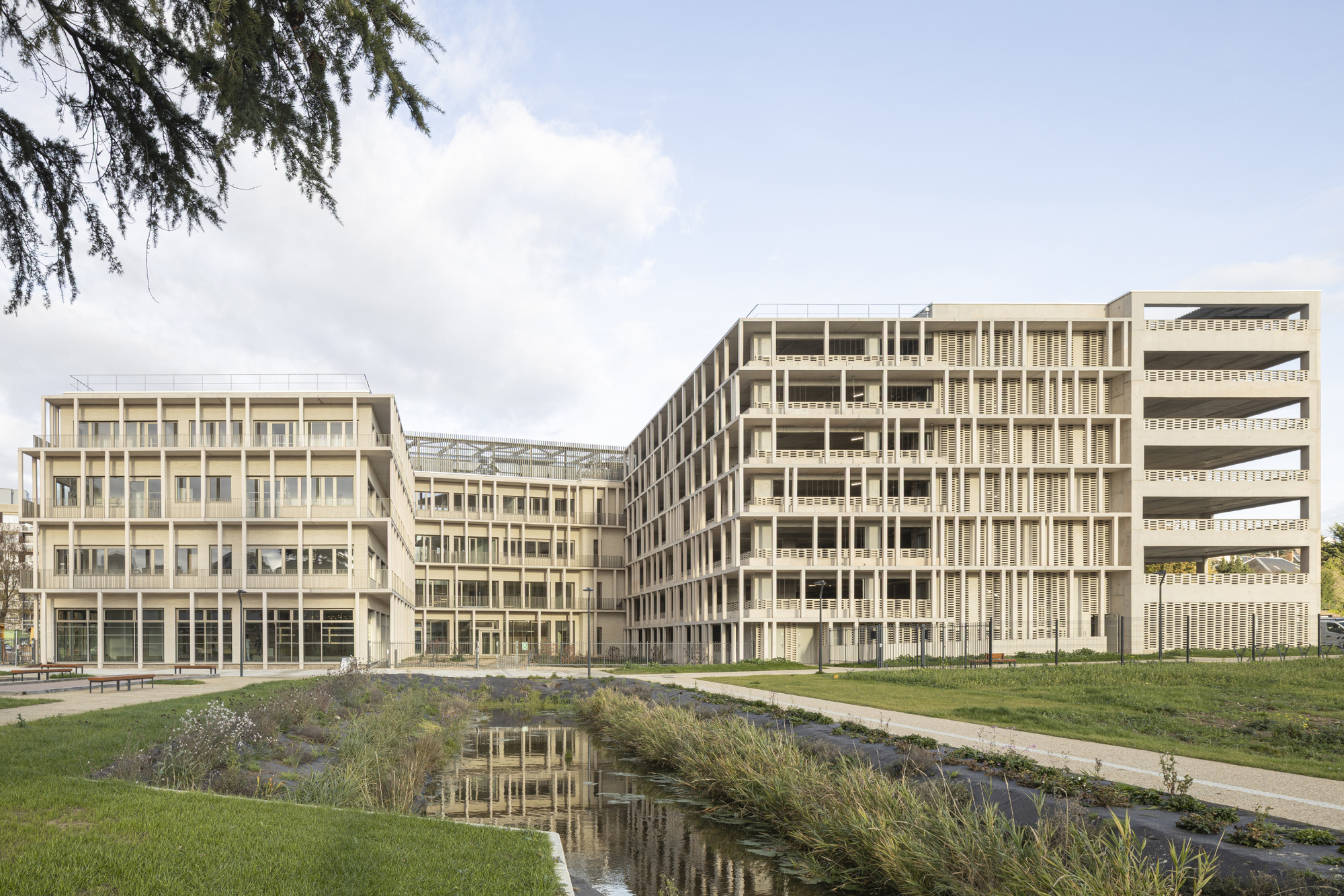
1 day agoglazed facade cuts through monolithic brick community center within paris park
The architectural approach emphasizes simplicity, durability, and contextual integration, with brick as the primary material for its structural capacity and long-term performance.
Renovation
fromFast Company
1 month agoWhy urban planners should strive for 'the photo album standard'
My family had Slide Show Night when I was growing up. Not every Saturday, but a whole bunch of Saturdays. Either my sister or I would be in charge of setting up the projector, the screen, and loading the carousel. During the show, there'd be a few landscapes or skylines taken during vacations, but almost all the shots were up close. Like most dads, mine wasn't a professional photographer, but he did a good job of capturing memory triggers: faces, gestures, and decorations.
Photography
fromThe Architect Elevator
2 months agoThe Mighty Metaphor
The Architect Elevator is a metaphor-in reality, the company leadership may be sitting on the same building floor as you; my car metaphors could fill an entire book; and " Architecture is Selling Options " has become the anchor of many architecture keynotes. So, at least my world of architecture is full of metaphors.
Software development
Real estate
fromYanko Design - Modern Industrial Design News
2 months agoThe Mile-High Tower That Grows Food, Harvests Clouds, and Heals Chicago - Yanko Design
A mile-high mixed-use tower integrates vertical farms, water harvesting, schools, housing, and parks to eliminate urban food deserts and create an ecological city ecosystem.
fromArchDaily
2 months agoWhen Light Meets Energy in Glass Ceilings
From the large industrial roofs and galleries of the 19th century to the contemporary atriums of museums and public buildings, glass has been a recurring material in shaping large and monumental interior spaces. More than a technological or engineering solution, these horizontal glazed planes introduce a distinct luminous quality: light that comes from above. Unlike lateral daylight entering through façades, zenithal light is more evenly distributed, reduces harsh shadows, and lends spaces a sense of continuity and openness that is difficult to achieve otherwise.
Design
Design
fromwww.archdaily.com
1 month agoArchitecture as a Platform: What Makes a Building Evolve?
Architecture increasingly adopts product design principles, prioritizing operational clarity, performance, and scalability over novelty, making buildings accountable for functionality and consistent user experience.
Design
fromFast Company
2 months agoTop architects on the biggest challenges they'll face in 2026
Architects must prioritize collaboration, community-centered design, faster delivery without quality loss, clear high-performance standards, streamlined approvals, and AI-enabled workflows to address housing and infrastructure crises.
[ Load more ]