#entry-level-jobs
#entry-level-jobs
[ follow ]
#remote-work #job-market #ai-automation #high-paying-jobs #virtual-assistant #work-from-home #ai-impact






#ai-automation
Artificial intelligence
fromFortune
1 month agoServiceNow CEO predicts Gen Z college graduates will face at least 30% unemployment in just the next couple of years as AI takes over | Fortune
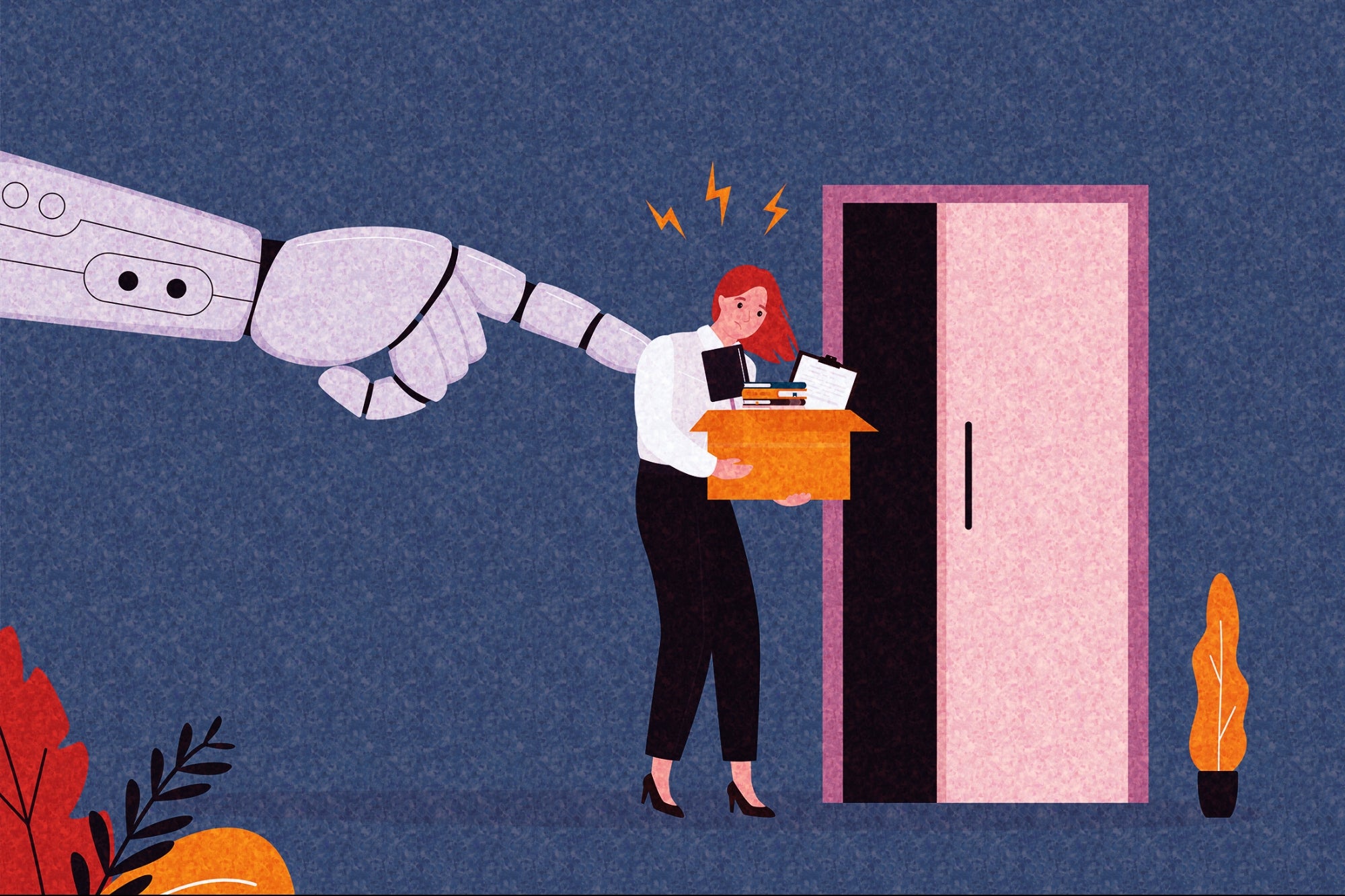
AI agents are expected to automate entry and mid-level jobs, potentially pushing Gen Z unemployment from 9% to mid-30s within years, making it harder for young graduates to differentiate themselves in the workforce.

Artificial intelligence
fromFortune
7 months agoCEOs really are putting a pause on hiring 'first timers,' career coach to the Fortune 500 warns-here's how Gen Z grads can still land work | Fortune
CEOs are pausing first-time hires as AI automates entry-level tasks; Gen Z must demonstrate problem-solving and AI literacy to secure remaining roles.
Artificial intelligence
fromMarTech
7 months agoAI threatens entry-level marketing jobs-and the future talent pipeline | MarTech
AI automation and budget cuts are reducing entry-level marketing roles, jeopardizing the future talent pipeline and increasing recent-graduate unemployment and underemployment.
Artificial intelligence
fromFortune
1 month agoServiceNow CEO predicts Gen Z college graduates will face at least 30% unemployment in just the next couple of years as AI takes over | Fortune
AI agents are expected to automate entry and mid-level jobs, potentially pushing Gen Z unemployment from 9% to mid-30s within years, making it harder for young graduates to differentiate themselves in the workforce.


Artificial intelligence
fromBusiness Insider
1 month agoAtlassian's CEO spelled out 3 types of employees spared in his layoffs - and it's good news for graduates
Atlassian retained recent graduates during layoffs, prioritizing high performers, graduates, and employees with transferable skills to build an AI-first workforce.
Careers
fromBusiness Insider
1 month agoBobbi Brown's advice to young grads: 'Don't just sit there watching TV and expect the doorbell to ring.'
Recent graduates should not worry about uncertainty, take available entry-level opportunities in fields of interest, and remain open to trying different roles to discover their career path.
fromBusiness Insider
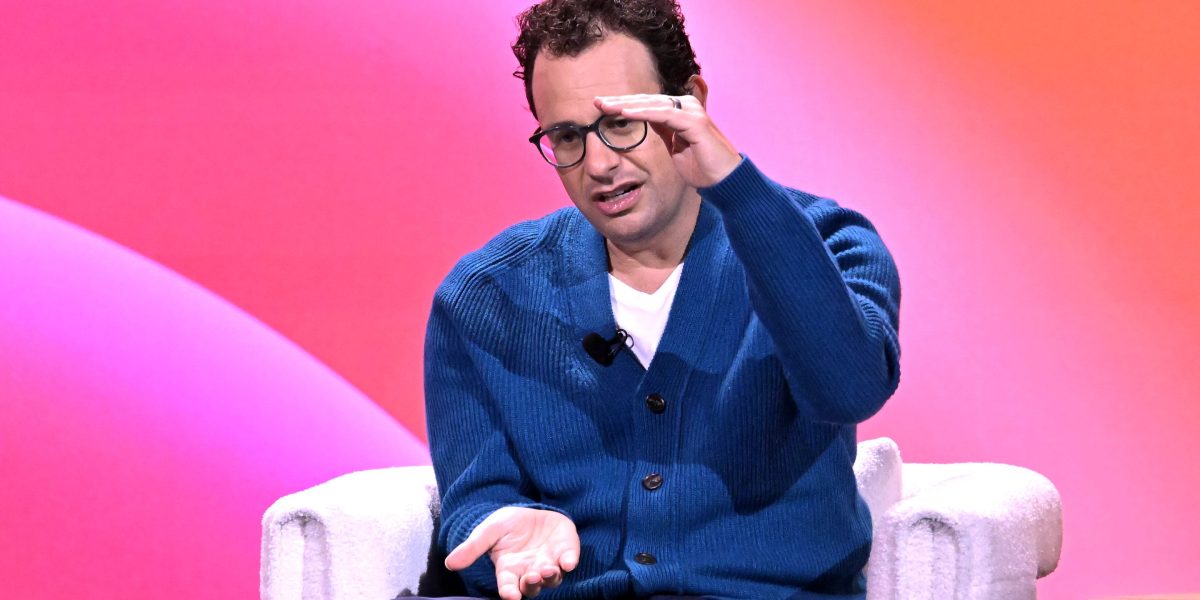
2 months agoFigma CEO Dylan Field says he has a 'bias' for hiring young workers because they're likely AI natives
"Does AI mean that you should hire senior people or middle-level, or junior, or are all the jobs going to go away because AI will replace them all?" Field asked. "I've heard that last one a bunch of times, and it hasn't come true yet. All the people have said that. They continue to hire."
Artificial intelligence
fromwww.cnbc.com
3 months agoThis is LinkedIn's No. 1 piece of advice for entry-level job seekers in 2026: 'The best way to start'
Small companies account for a large proportion of the workforce domestically and globally. The World Bank Group estimates small and medium enterprises constitute roughly 90% of all businesses and are responsible for more than 50% of global employment, as LinkedIn notes in its prediction. Entry-level and early-career workers also tend to make up a higher proportion of the workforce at small businesses than at larger firms.
fromBusiness Insider
4 months agoAI is triggering a quiet hiring comeback for some entry-level talent, say public company CEOs
AI may be blamed for this year's layoffs, but a new global survey says the technology could fuel a rebound in some entry-level hiring next year. Public-company CEOs say AI is creating more jobs in 2026, according to an annual outlook survey conducted by advisory firm Teneo released this month. Sixty-seven percent of theCEOs surveyed said they expect AI to increase entry-level hiring in 2026, and 58% said they plan to add senior-leadership roles as well.
Artificial intelligence
Artificial intelligence
fromIT Pro
6 months ago"Do not sacrifice your entry-level jobs": Salesforce might be all in on AI, but it isn't giving up on junior workers yet - despite Marc Benioff's job replacement claims
Salesforce will continue hiring and training junior employees, urging companies not to eliminate entry-level roles so people can manage and collaborate with AI.
fromwww.socialmediatoday.com
6 months agoFacebook Launches Updated Job Listings in the US
Finding a job should be easy and accessible. Whether you're looking for your first real job or a part-time gig, Facebook's new job tool helps you find and apply for the kind of work you want. You can easily search for new jobs via our dedicated tab in Marketplace. Job listings will also appear across Groups and Pages, and you can filter and sort jobs on the Marketplace Jobs subtab by category, distance, and job type.
Social media marketing
fromTheregister
6 months agoStaff, schmaff: Business leaders racing to adopt unproven AI
BSI published a report this week that surveyed business leaders from eight countries around the world - including the UK and US - that found 39 percent of business leaders have already reduced junior and entry-level headcount in favor of more AI adoption. And it's not stopping there. The study found that a further 43 percent of business leaders expect to further reduce entry-level roles (which includes both cutting existing roles and not hiring new people) in the next year in favor of AI. A full 50 percent "specifically" said AI is helping them reduce headcount.
Artificial intelligence


fromFortune
6 months agoThe Gen Z hiring nightmare is real, but AI is a 'lightning strike' not a 'house fire,' Yale economist says | Fortune
Especially alarming to many has been AI's effect on entry-level jobs. A blockbuster Stanford study in August was especially rattling, as it claimed to find a "significant and disproportionate impact" on entry-level jobs most exposed to AI automation-like software development and customer service-have seen steep relative declines in employment. This came out close to the MIT study that said 95% of generative AI pilots were failing and the somewhat sudden realization that AI could be building toward a bubble.
Careers
fromFortune
7 months agoI'm chief legal officer at a $4 billion IT unicorn and I've got Gen Z advice for leaders looking to reimagine entry-level work in the age of AI
LinkedIn's chief economic opportunity officer recently warned that AI is "breaking" entry-level jobs that have historically served as stepping stones for young workers. As Aneesh Raman wrote in The New York Times, "Breaking first is the bottom rung of the career ladder." AI tools are performing simple coding and debugging tasks that junior software developers once did to gain experience, along with work that young employees in the legal and retail sectors traditionally handled.
Artificial intelligence





[ Load more ]