Psychology
fromPsychology Today
52 minutes agoHow We Learn to Be Wrong Together
Agreement often feels safer than the pursuit of truth, leading to a conflict between belonging and clarity.
On the morning of the Unite the Right rally, I lumbered down the staircase of a Catskills Airbnb rented for a bachelor party to learn that only hours before, a gang of white nationalists stormed the University of Virginia campus wielding Tiki torches and chanting, 'Jews will not replace us.'
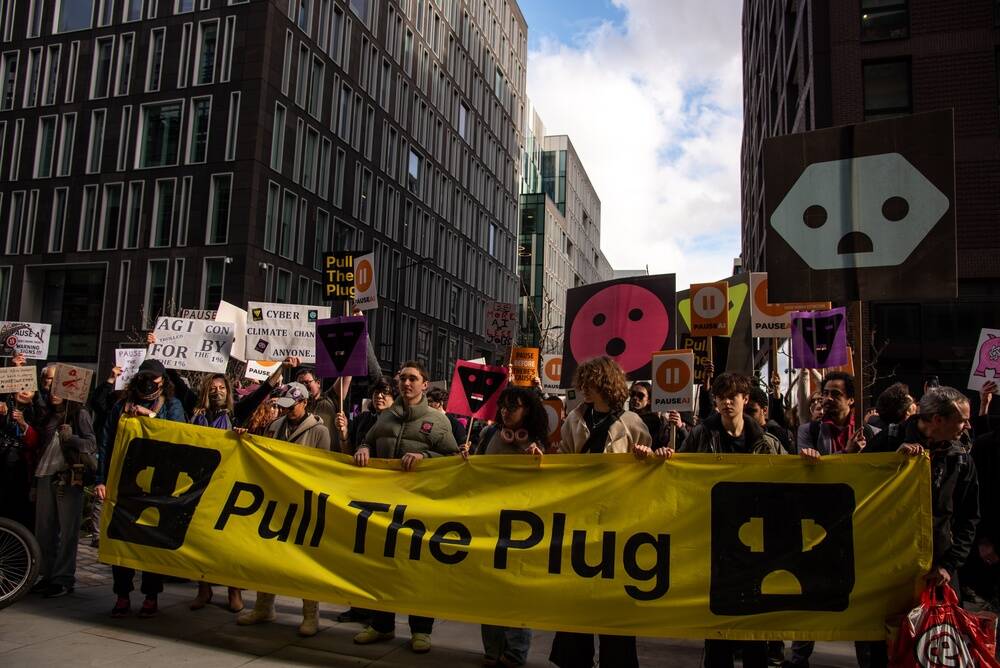
"That requires a bunch of people to go take things that folks here are figuring out and [explain them] to the rest of the world," said Jeffrey Ladish, emphasizing the need for effective communication about AI risks.
A whole vocabulary of mediaspeak terms applied to real life has gradually emerged. Included here, among others, are: collateral damage, neutralized, canceled, surgical strike, playbook, rules of the game, high-value target, and gamechanger.
Faiz Shakir, executive director of More Perfect Union, stated, 'We're hoping that an economic populist movement for the next generation will start through More Perfect Union on campuses.' This reflects the organization's goal to mobilize students around economic issues.
Mistakes are almighty: you can't ever guarantee that the next moment will host no manifestation of a mistake. According to evolution theory, the diversity of life on Earth entirely emerges from copying mistakes of DNA polymerase.
Charlie Warzel opens with what it means to live in 2026, when our phones can drop us into graphic, real-time violence without warning-and when documenting that violence can be both traumatizing and politically consequential. Using recent footage out of Minneapolis as a lens, he explores the uneasy collision of algorithmic feeds, misinformation, and the moral weight of witnessing. Charlie also traces how viral documentation can puncture official narratives, pushing stories beyond political circles and even into "apolitical" corners of the internet.
The average American checks their phone over 140 times a day, clocking an average of 4.5 hours of daily use, with 57% of people admitting they're "addicted" to their phone. Tech companies, influencers, and other content creators compete for all that attention, which has incentivized the rise of misinformation. Considering this challenging information landscape, strong critical reading skills are as relevant and necessary as they've ever been.
The principle of intellectual charity is fundamental to constructive political conversations. This principle states that, in any discussion, we should accept the best version of an opponent's ideas, not a distorted version or a "straw man." Exaggeration and distortion of opposing opinions (always present, to some degree, in political debates) have become the standard form of political argument in contemporary America.
It's common knowledge that we are awash in misinformation that can have severe negative consequences for society. When people hold false beliefs about the safety of vaccines, the outcomes of elections, or the causes of climate change, it is much more difficult for them to make responsible decisions on behalf of their families and communities. It is tempting to respond to this challenge by insisting that expert scientists know best and to dismiss those who challenge the experts.