#export-business
#export-business
[ follow ]
#tariffs #trade-policy #free-trade-agreement #geopolitics #eu-mercosur #us-india-trade #china-exports
#tariffs
US Elections
fromwww.businessinsider.com
5 days agoExecutives expect to keep dealing with tariffs for years no matter who is in the White House, a new survey says
86% of US executives expect tariffs to be a permanent aspect of business planning.
Artificial intelligence
fromAbove the Law
2 months agoWhat If Tariffs Go Away - Or Don't? How You Can Protect Your Bottom Line With Contract Intelligence - Above the Law
AI-powered contract visibility enables organizations to quickly locate tariff-related terms, manage price and renegotiation provisions, and mitigate supply-chain and cost volatility.
US Elections
fromFortune
4 days agoTrump's tariffs dealt economic blows in all 50 states-hurting farmers, exporters and shoppers alike | Fortune
Tariffs implemented by the Trump administration in 2025 affected all U.S. states, revealing diverse trade vulnerabilities and leading to widespread economic consequences.
European startups
fromFortune
4 days agoTariffs are the new normal, and now most CEOs expect the import taxes to outlast the Trump administration, PwC report finds | Fortune
CEOs are treating tariffs as a permanent aspect of business planning, expecting them to remain for years despite legal uncertainties.


London startup
fromBusiness Matters
1 month agoCan the New Trade Agreement Between the UK and China Spur Business Activity in the UK: The Businesses' Perspective in 2026
UK Prime Minister Keir Starmer's January 2026 visit to China established trade agreements aimed at boosting economic growth, expanding market access, and creating investment opportunities for British companies across multiple sectors.
#eu-mercosur
Europe politics
fromFortune
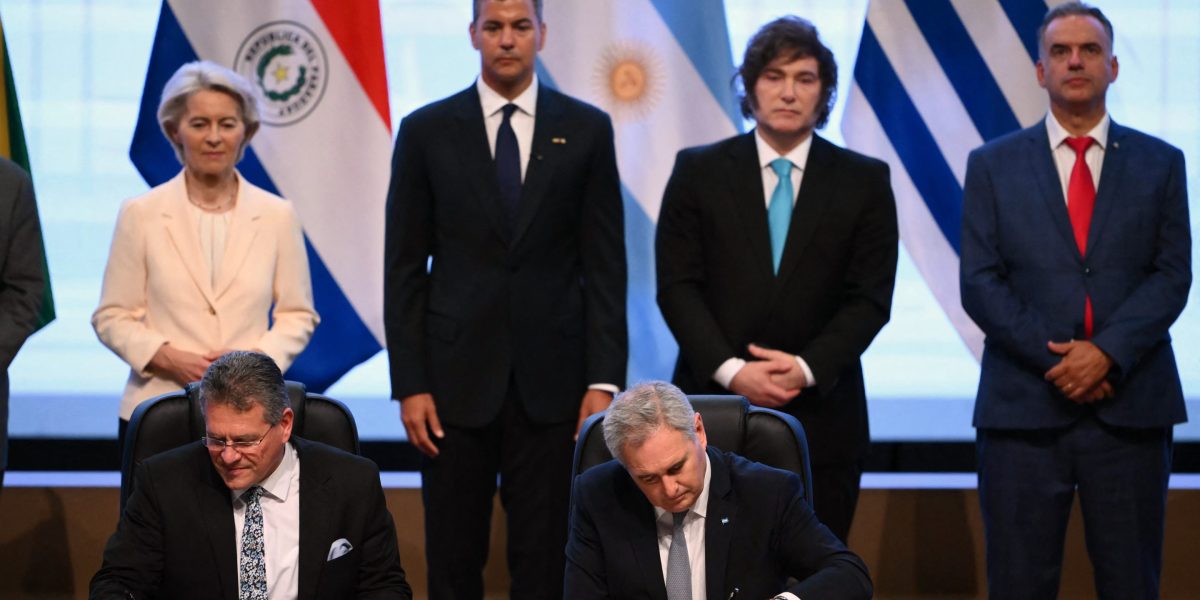
3 weeks agoAfter 25 years of negotiations, the EU finally signs the EU-Mercosur deal, the biggest trade deal in history linking 700 million people | Fortune
The EU-Mercosur free trade deal will begin on May 1, enhancing trade among 700 million people and reducing dependency on China and the US.

Europe politics
fromFortune
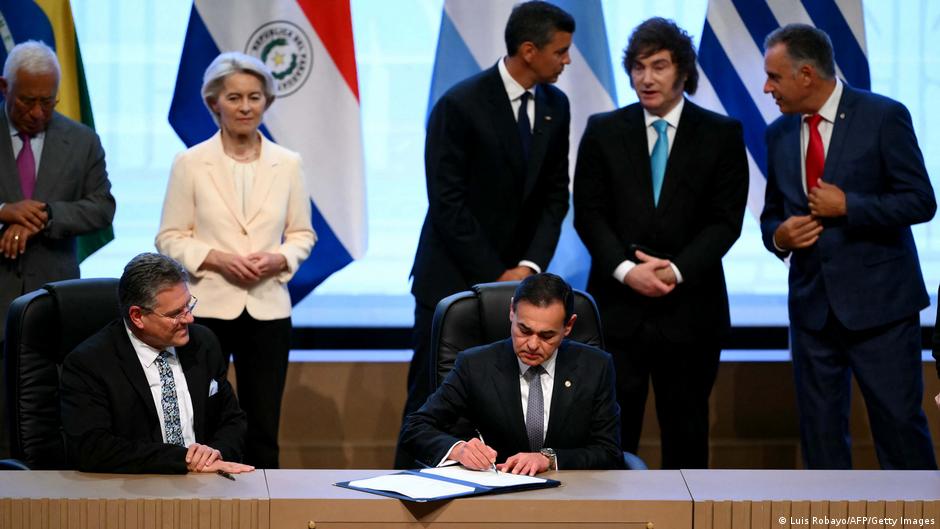
3 weeks agoAfter 25 years of negotiations, the EU finally signs the EU-Mercosur deal, the biggest trade deal in history linking 700 million people | Fortune
The EU-Mercosur free trade deal will begin on May 1, enhancing trade among 700 million people and reducing dependency on China and the US.
US politics
fromwww.npr.org
1 month agoChina slams Trump's trade investigation, as it approves a 5-year economic plan
China's Foreign Ministry opposes a U.S. investigation into trade practices, calling it political manipulation, while Beijing approves a five-year economic plan emphasizing technological self-reliance amid U.S.-China tensions.
fromBusiness Insider
1 month agoPaid IEEPA tariffs on overseas purchases? Here is what shipping companies are saying about refunds
After Trump ended the de minimis exemption last year, purchasing an item straight from an international vendor, regardless of the item's value, meant incurring International Emergency Economic Powers Act tariffs. Now, thanks to a ruling by the Supreme Court that overturned Trump's IEEPA tariffs, and a ruling by the Court of International Trade ruled that all tariffs paid under IEEPA must be returned, buyers may be able to collect a refund.
European startups
European startups
fromwww.dw.com
1 month agoUS trade probes could lead to new tariffs for EU, China
The US launched two trade investigations targeting excess industrial capacity and forced labor imports, potentially leading to new tariffs on major trading partners after the Supreme Court limited Trump's tariff authority.
US politics
fromBusiness Matters
1 month agoUS likely to introduce 15% global tariff as Trump administration revives trade strategy
The Trump administration plans to raise global tariffs to 15 percent this week using a new legal mechanism after the Supreme Court struck down previous emergency-based tariffs.
fromwww.independent.co.uk
2 months agoThe EU is seeking new trade partnerships. Here's why
Whether it's investigating the financials of Elon Musk's pro-Trump PAC or producing our latest documentary, 'The A Word', which shines a light on the American women fighting for reproductive rights, we know how important it is to parse out the facts from the messaging. At such a critical moment in US history, we need reporters on the ground. Your donation allows us to keep sending journalists to speak to both sides of the story.
France news
Intellectual property law
fromPatently-O
1 month agoForthwith, Part II: CIT Orders Refunds for All Importers, Not Just Litigants
After the Supreme Court invalidated IEEPA tariffs, CBP continued collecting unlawful duties without issuing refunds until a federal judge ordered comprehensive relief for all affected importers regardless of litigation status.
fromFortune
2 months ago'The Chinese have invaded us in terms of merchandise': Mexico and Argentina lead Latin America's struggles with flood of imports | Fortune
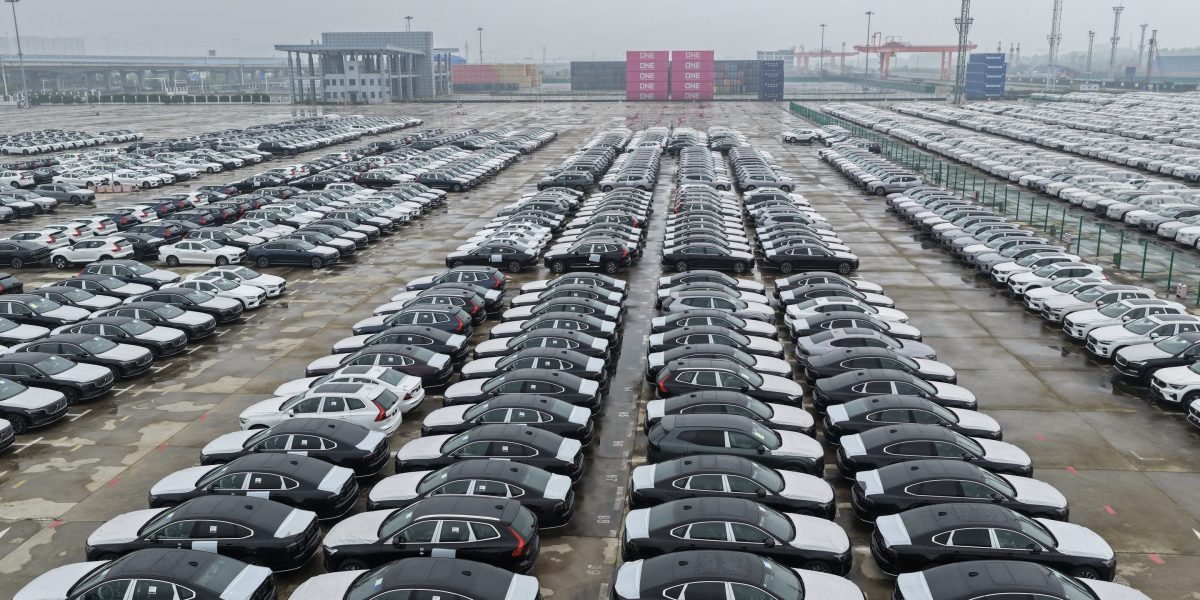
China has been flooding Latin American markets with low-priced exports, especially autos and e-commerce goods, as its exporters adjust to U.S. President Donald Trump's tariffs and geopolitical moves. The world's second-largest economy has become a major trading partner for many Latin American nations, seeking access to their abundant natural resources and growing markets while expanding its influence in a region Trump views as America's Backyard.
E-Commerce
Business
fromLondon Business News | Londonlovesbusiness.com
2 months agoStrategies for expanding your business internationally
Strategic, research-driven international expansion unlocks new markets and revenue while requiring cultural adaptation, regulatory compliance, and local partnerships to ensure sustainable growth without overextension.
fromThe Local France
3 months agoEU to ink long-awaited trade deal with South American bloc
The European Union will on Saturday sign a deal 25 years in the making with the South American trade bloc Mercosur, creating one of the world's largest free trade areas at a time of growing protectionism and volatility. The long-awaited agreement comes amid the sweeping use of tariffs and trade threats by US President Donald Trump's administration, which has sent countries scrambling for new partnerships.
France news

fromFortune
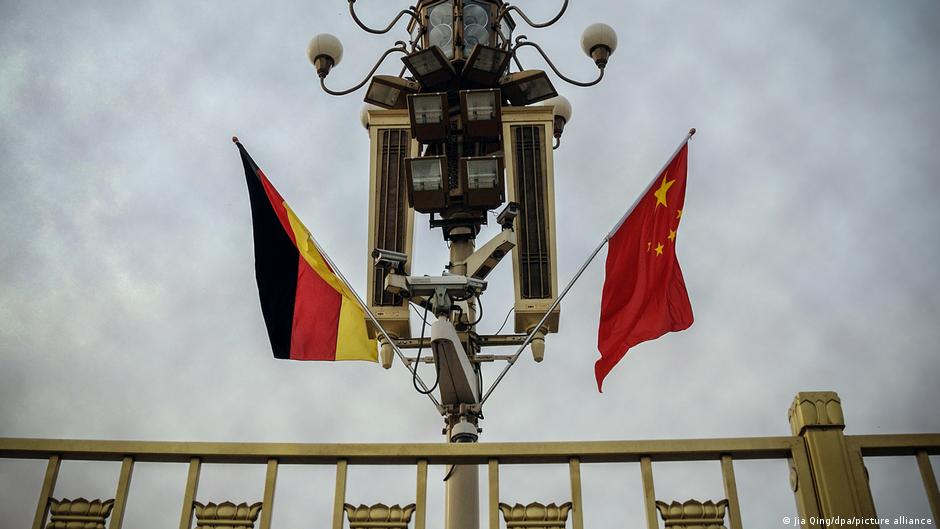
2 months agoA spectre is haunting Europe - the spectre of Trump. Cue the Asian trade deals | Fortune
Stability. Consistency. Ever-changing complexity. With language like that, deployed in separate meetings in three Asian capitals this week, government leaders forged closer ties driven in part by a figure halfway around the world: the president of the United States. And much of the time, they didn't even mention Donald Trump's name. IN BEIJING: The U.K. and Chinese leaders called Thursday for a "long-term, stable, and comprehensive strategic partnership" between their two countries. The important words are long-term and stable. The two countries committed a decade ago to building a comprehensive strategic partnership but progress has been halting at best.
World politics
World news
fromFortune
2 months agoBRICS could become a new pillar of global governance-if its rapid growth doesn't erode its newfound clout | Fortune
BRICS' rapid expansion risks internal incohesion and failure to reform global governance despite its vast population, resources, and strategic potential.



fromFortune
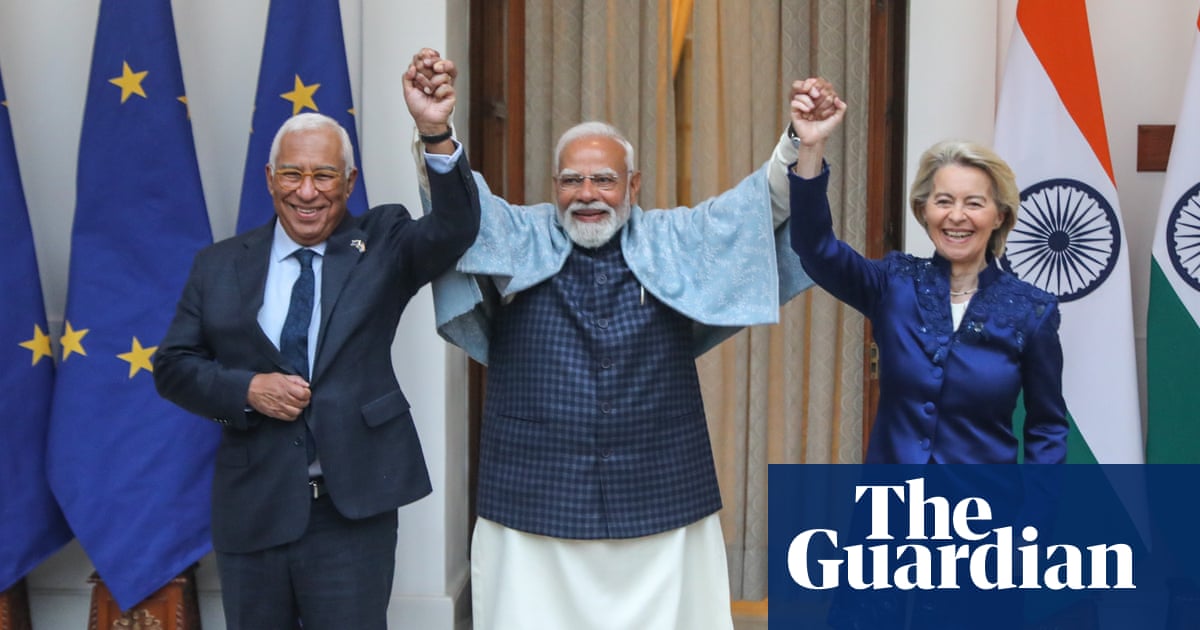
2 months agoIndia, EU reach 'mother of all' trade agreements after nearly 20 years of talks | Fortune
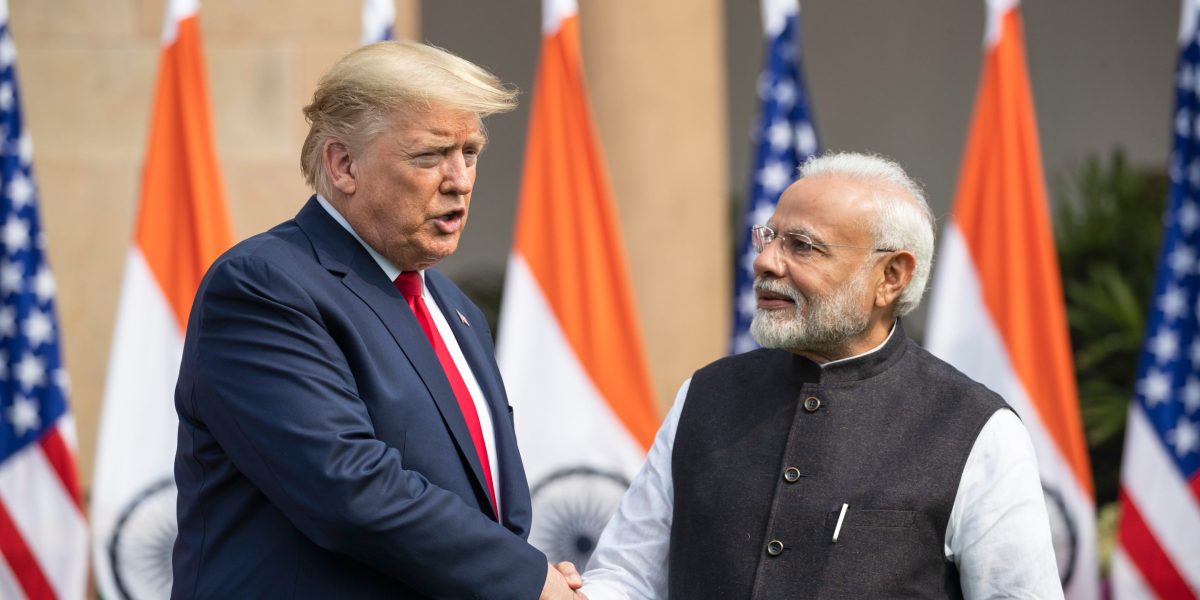
After nearly two decades of negotiations, India and the European Union announced Tuesday they have reached a free trade agreement to deepen economic and strategic ties. The accord, which the EU chief described as the "mother of all deals," could affect as many as 2 billion people. The deal between two of the world's biggest markets comes as Washington targets both India and the EU with steep import tariffs, disrupting established trade flows and pushing major economies to seek alternate partnerships.
Miscellaneous

fromwww.theguardian.com
2 months agoIMF warns tariffs and geopolitical tensions threaten markets and global growth
The International Monetary Fund has warned mounting geopolitical tensions and an escalation of Donald Trump's tariff war could hit global economic growth and trigger a backlash in financial markets. In an update as Trump threatens to impose tariffs on Nato allies opposed to his ambitions in Greenland, the Washington-based fund said a renewed eruption in trade tensions was among the biggest risks to global growth in 2026.
World news
World news
fromwww.theguardian.com
2 months agoAs US influence wanes, the Chinese trade surplus strangles manufacturing across the globe
China's massive trade surplus and export surge are destabilizing the global trading order and straining other countries' manufacturing and international economic institutions.
fromwww.dw.com
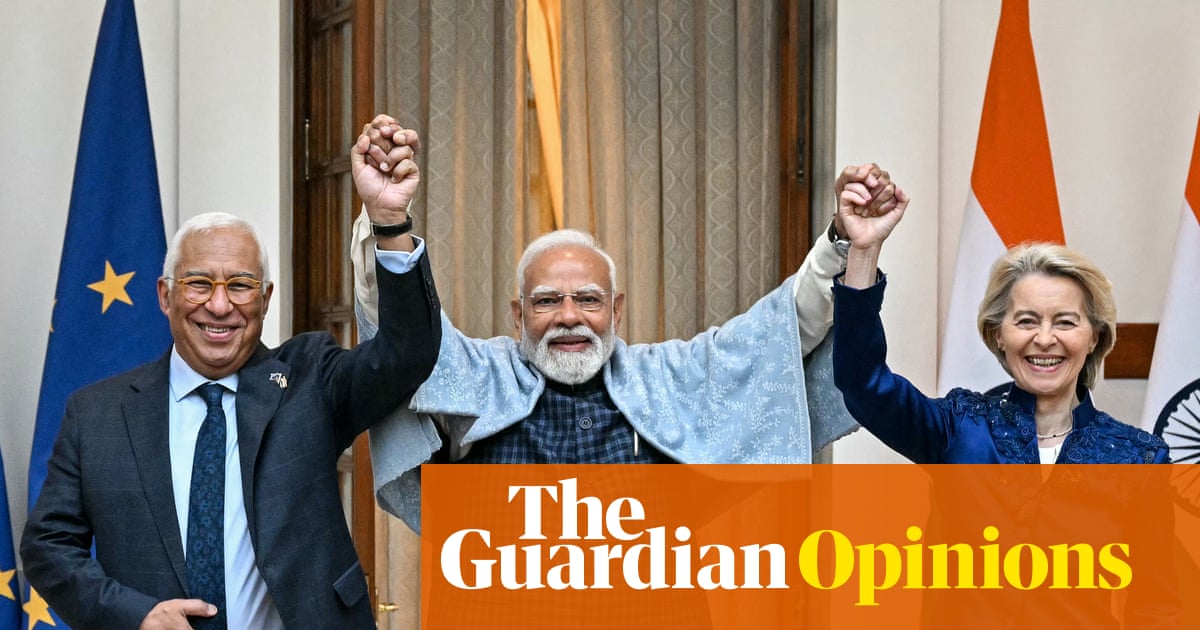
2 months agoEU, India secure historic free trade agreement
The deal would forge a market of two billion people and nearly a quarter of global GDP, according to the European Commission. Follow DW for more. EU and India conclude trade negotiations after nearly two decades of on-off negotiationsImage: Altaf Hussain/REUTERS Skip next section What you need to know EU and India have finalized a trade deal after nearly two decades of negotiations
Miscellaneous
[ Load more ]