East Bay food
fromKqed
13 hours agoThese Workers Keep Produce Moving In the Golden State | KQED
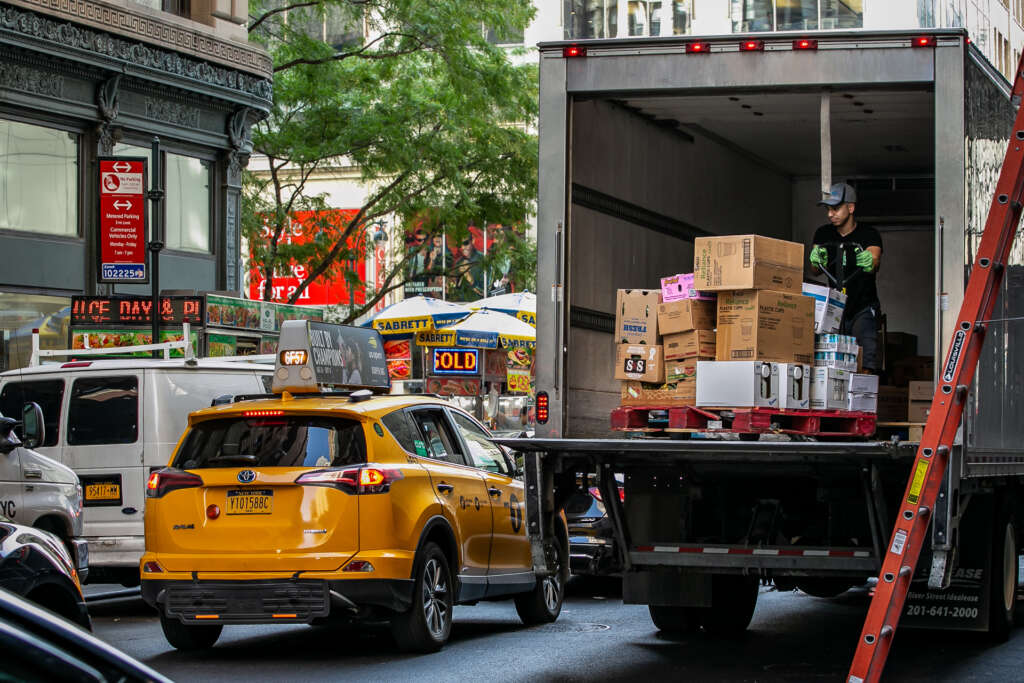
California's food supply relies on the Oakland Produce Market and the maintenance of irrigation canals by Big Valley Divers.
Gasoline doesn't have a particularly high profit margin, which is partly why most gas stations double as convenience stores or offer fresh food. If chains like Buc-ee's and Sheetz can make more money by selling food, they can afford to lower their margins on gasoline.
Chef Robotics has recently reached a remarkable milestone by completing 100 million servings in production, underscoring the company's commitment to innovation and the importance of automation in food manufacturing.
Fresha, born Frescia Belmar, is nominally a jazz bassist, but her artistry transcends the form, moving effortlessly between jazz, rock, fusion, and R&B.
The expense, return on investment, and volume of investors needed to make it a reality did not make sense. I thought, 'maybe it's time to do something new.' The amount of money you need to run a restaurant in Brooklyn or Manhattan at this point is so crazy. If you fail, the loss is massive. Here, we were able to do a major renovation, we have a 100 bottle wine list, and we can use the ingredients we want and serve them at a decent price point because our overhead is not as bad.
These leadership changes are not just about new faces; they signify a shift towards culinary creativity that prioritizes sustainability, local sourcing, and unique flavor profiles. As industry leaders, these chefs are setting the stage for a culinary renaissance that will engage diners and elevate their dining experiences.
Chef Violet Witchel, creator of the now-viral "dense bean salad," didn't build a 3 million strong social media following by chasing virality. She built it by solving a problem. At a time when protein goals were trending and food prices were rising, she noticed something simple: beans were affordable, high-protein, and meal-prep friendly.
Since the duo got together as fellow students at Goldsmiths Centre for Research Architecture in 2013, they have been using the production and consumption of food as the focus for numerous long-term, site-specific projects that address how we should live-and eat in particular-in the face of climate change. As they put it: "Food is both deeply connected to the environment and to ecology but at the same time is also intersectional: every living organism on this planet is invested and preoccupied with processes of metabolism, ingestion and the acquisition of nutrients."
For someone aiming to end the global livestock industry, Bruce Friedrich begins his new book called Meat in disarming fashion: I'm not here to tell anyone what to eat. You won't find vegetarian or vegan recipes in this book, and you won't find a single sentence attempting to convince you to eat differently. This book isn't about policing your plate.
Food policy across much of the world is changing. But not in Britain. That may be a costly mistake as the prices of essentials rise because of the climate emergency, geopolitical tensions and the fragility of just-in-time supply chains. Many capitals are now reviving their strategic food reserves. European nations such as Sweden, Finland, Norway and Germany are rebuilding stocks dismantled after the cold war.
Food waste in America is a significant and persistent problem that often goes unnoticed. According to a 2010 USDA study, 30-40% of our country's entire food supply winds up in landfills each year - almost 70 million tons. That's about $161 billion worth of food, meaning the average family's food waste totals around $3,000 a year. And while an enormous portion of our food supply is simply thrown away, roughly 48 million Americans - including one in five children - experience food insecurity.
Food trends are changing and evolving constantly, with yesterday's textures, flavors, and ingredients moving aside or inspiring the ones we expect to see in 2026. We expect the upcoming year to be influenced by health trends, as well as politics, and the need for comfort in our food offerings. People's ever-expanding palates and health needs are also colliding with their budgets, but that doesn't mean they plan to sacrifice their food experiences.
Whole Foods shelves sit empty after a data breach shut down its wholesale distributor. Meat packers working for JBS Foods are paralyzed as an $11 million ransomware attack takes out their processing facilities. Some 2.2 million workers at Stop & Shop and Hannaford have their personal data exposed as the result of a cyberattack on parent company Ahold Delhaize USA. These scenarios, straight from a William Gibson novel, are becoming increasingly common in supply chains across the world.
Many of us take the simple, everyday task of grocery shopping for granted. You walk through the doors, grab a cart, throw in the things you need, pay the (ever-increasing) bill, and then go on your way. In theory, it should be simple. But actually, grocery shopping can be challenging, especially when the things you need aren't on the shelves.
When you think of farming, what ingredients do you generally associate with a successful harvest? The basics certainly come to mind: fertile soil, plenty of sunlight and lots of water. But there are other variables that can also mean the difference between a crop of healthy fruits and vegetables and a large heap of organic waste. And it turns out that one of those variables is a very small hawk.