#fossil-fuel-demand
#fossil-fuel-demand
[ follow ]
#oil-prices #strait-of-hormuz #energy-crisis #climate-change #us-iran-relations #iran-conflict #inflation #iran
#oil-prices
World news
fromLondon Business News | Londonlovesbusiness.com
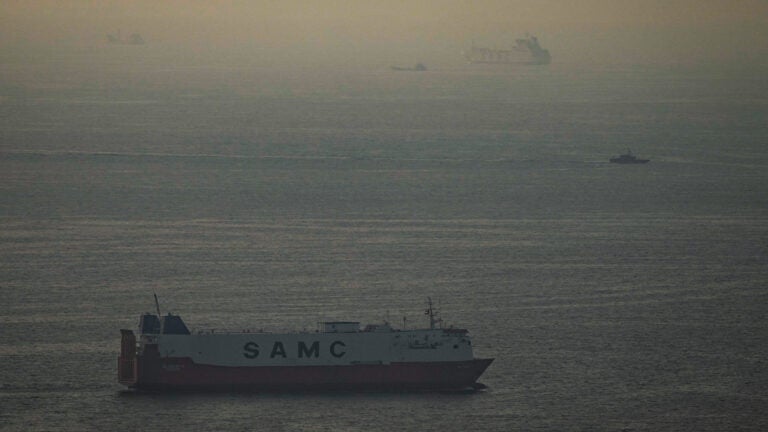
14 hours agoOil dip masks looming supply crunch as Gulf disruption works through system - London Business News | Londonlovesbusiness.com
Oil prices are influenced by sentiment, but real supply strain is due to delays in global supply chains and geopolitical tensions.
#bp
Business
fromLondon Business News | Londonlovesbusiness.com
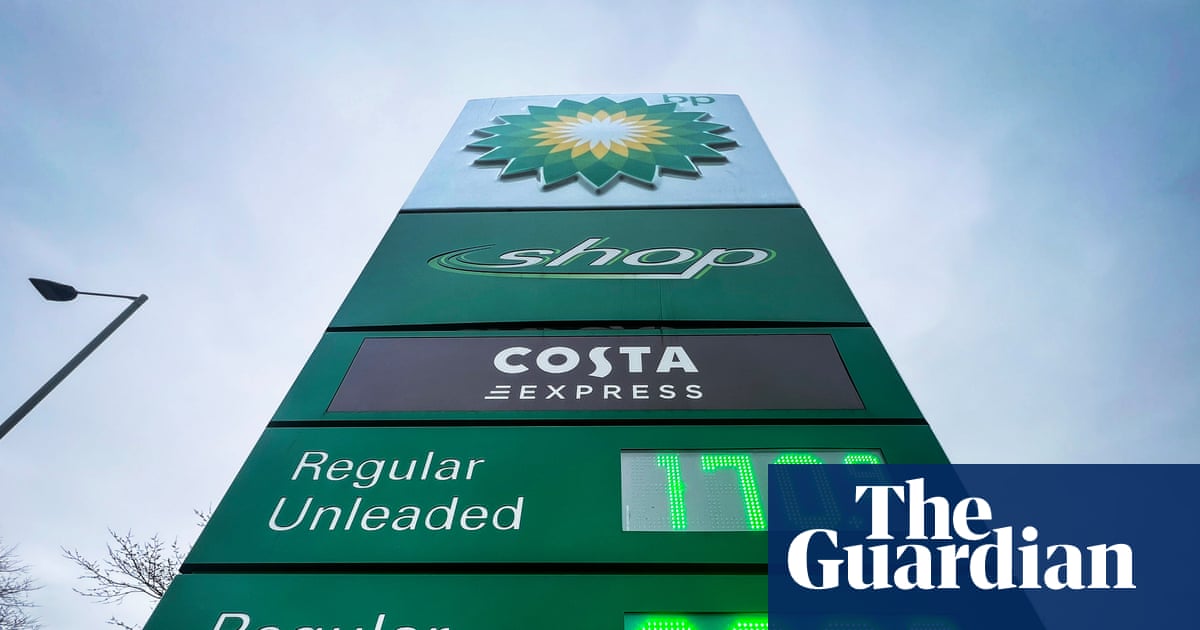
13 hours agoBP signals trading windfall as oil volatility surges on Middle East tensions - London Business News | Londonlovesbusiness.com
BP anticipates exceptional performance in oil trading due to heightened market volatility, despite challenges in upstream production and rising net debt.
Business
fromLondon Business News | Londonlovesbusiness.com
13 hours agoBP signals trading windfall as oil volatility surges on Middle East tensions - London Business News | Londonlovesbusiness.com
BP anticipates exceptional performance in oil trading due to heightened market volatility, despite challenges in upstream production and rising net debt.
.jpeg?width=1200&height=800&crop=1200:800)

London politics
fromwww.theguardian.com
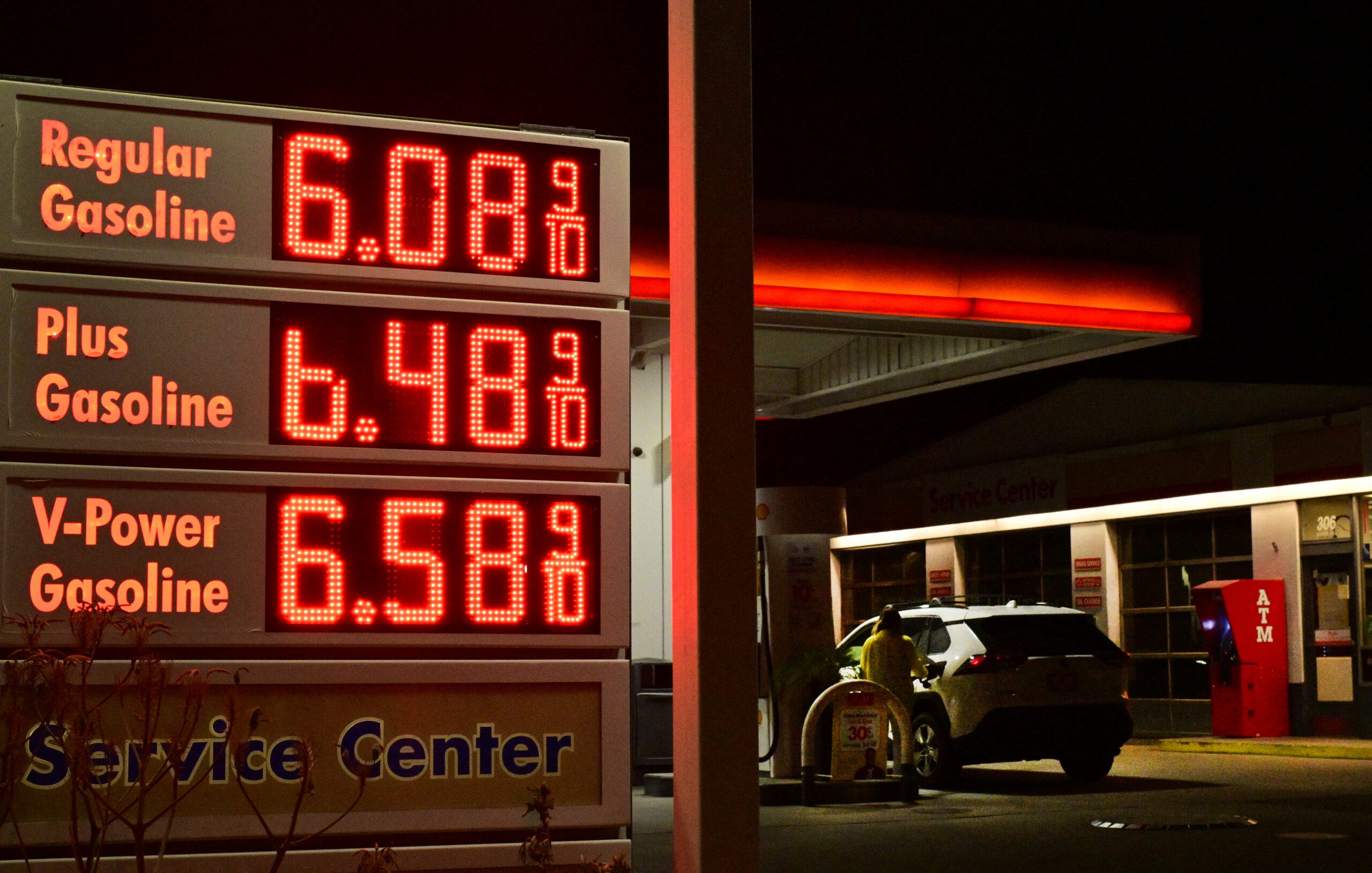
19 hours agoOn the streets of Dublin I met fuel protesters and the people who support them yet our leaders still don't get it | Caelainn Hogan
Fuel protests in Ireland highlight the impact of high fuel taxes on farmers and the broader population, emphasizing the need for a transition to clean energy.

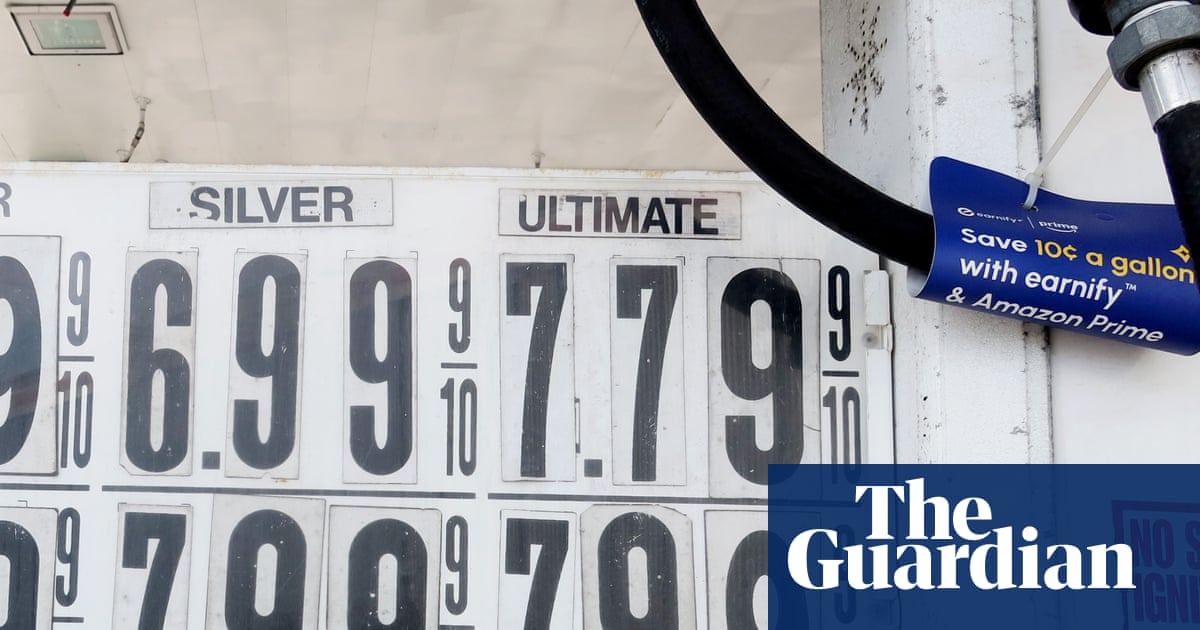
#iran-war
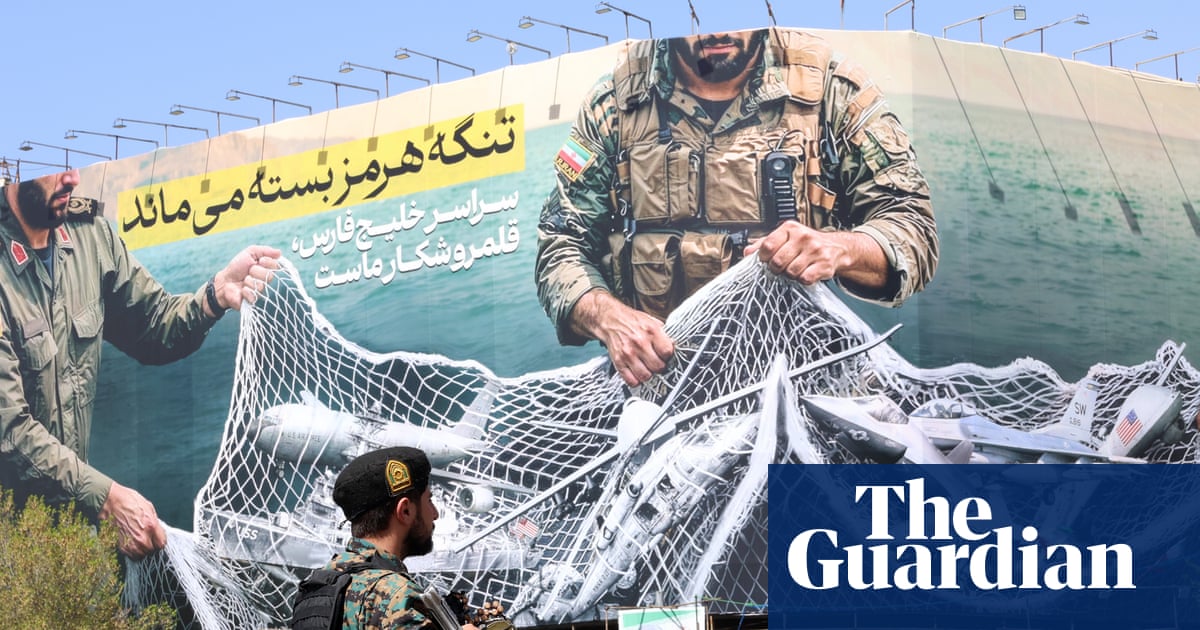
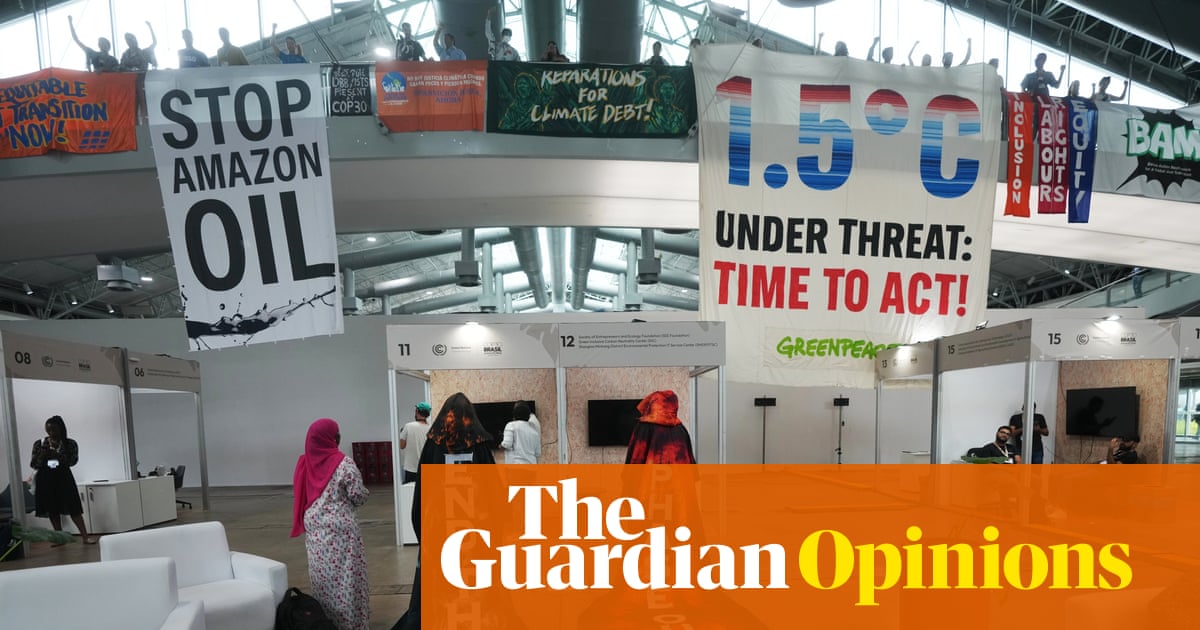
World politics
fromwww.theguardian.com
1 week agoA new economic superpower could spark a global retreat from fossil fuels | Mark Hertsgaard and Kyle Pope
The Iran war exacerbates climate change by increasing fossil fuel reliance and greenhouse gas emissions, highlighting the urgent need for a transition to sustainable energy.
fromBusiness Matters
1 day agoRising energy costs from Middle East conflict set to leave UK households 480 worse off this year
The thinktank warned on Monday that surging gas, electricity and petrol prices had fundamentally altered the outlook for living standards in 2026. Before the Iran war erupted in late February, working-age households were tracking towards modest income growth of 0.9 per cent. That figure has now swung to a projected decline of 0.6 per cent, a turnaround worth £480 per household.
UK news
fromLondon Business News | Londonlovesbusiness.com
6 days agoMiddle East oil and gas recovery faces months-long process despite ceasefire - London Business News | Londonlovesbusiness.com
A 'workable system' of transit and shipowner confidence in the security of the transiting vessels is essential. This includes availability of insurance for transiting vessels, facilitating commercial trade financing, and sustained outbound vessel transits through the Strait of Hormuz.
Environment



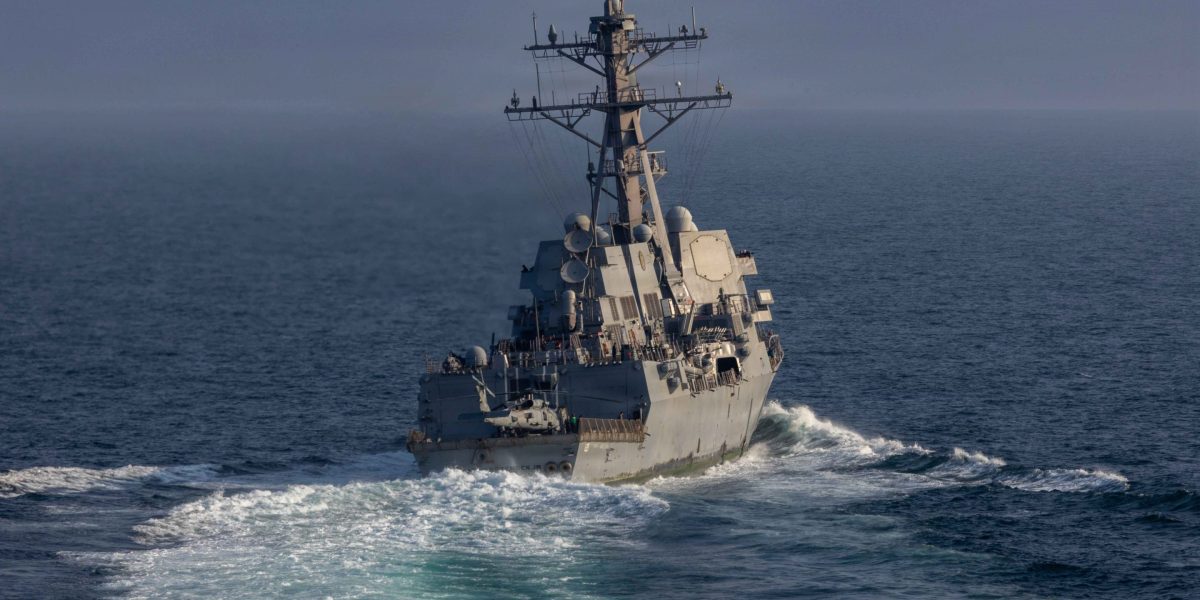
fromwww.aljazeera.com
3 hours agoIMF cuts global growth forecast during Hormuz blockade
The International Monetary Fund (IMF) has lowered its global economic growth forecast as tensions between the United States and Iran have driven up energy and food costs globally. The IMF expected the global economy to grow by 3.1 percent this year, a slowdown from its earlier forecast of 3.3 percent.
World news



fromwww.aljazeera.com
1 day agoEnergy prices rise despite Jones Act suspension by Trump
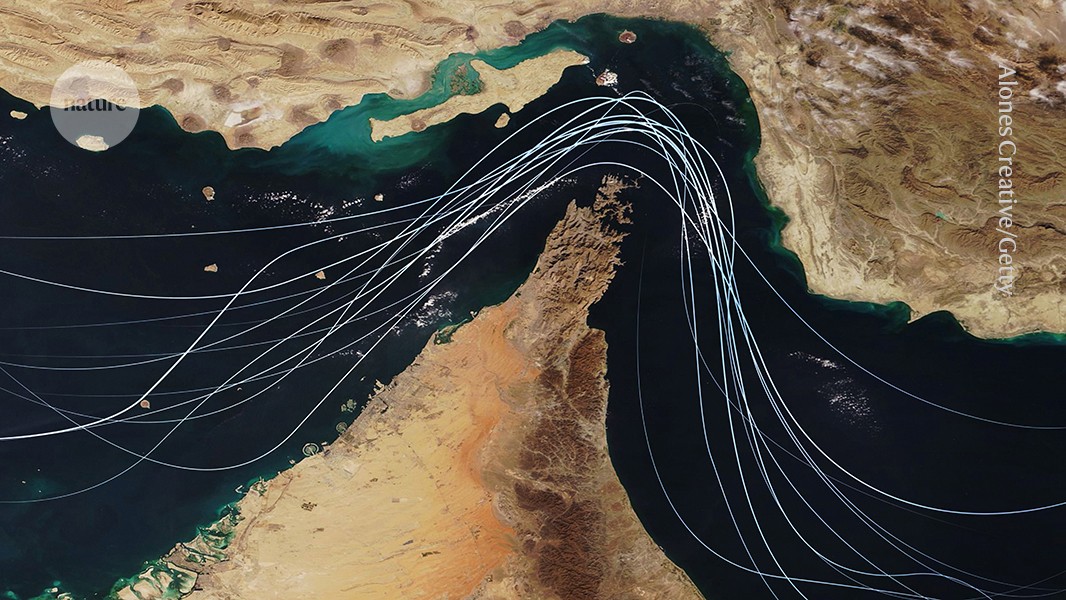
Shipping costs have increased by more than 10 percent in the past month due to the US-Israel war on Iran. The 60-day waiver for the Jones Act aimed to lower energy costs but has had little impact on oil prices, which continue to rise amid the ongoing conflict.
World news
Environment
fromwww.theguardian.com
1 week agoAsia ramps up use of dirty fuels to cover energy shortfall triggered by Iran war
Asian governments are increasing coal use to address energy shortages caused by geopolitical conflicts, raising environmental concerns and calls for renewable energy investment.
fromwww.aljazeera.com
5 days agoGlobal energy crisis is the mother of all crises': Turkish energy minister
We are going through what we might call the mother of all crises. The world has witnessed many oil crises in the past 50 years, such as the post-COVID-19 crisis and following geopolitical tensions.
Europe news
World politics
fromLondon Business News | Londonlovesbusiness.com
1 day agoDollar rebounds as US Hormuz blockade revives inflation concerns and lifts yields - London Business News | Londonlovesbusiness.com
The dollar index rose due to escalating geopolitical tensions in the Middle East and concerns over inflation.
Europe news
fromLondon Business News | Londonlovesbusiness.com
4 days agoNorth Sea oil hits record high as Hormuz fears spark supply scramble - London Business News | Londonlovesbusiness.com
North Sea oil prices have reached record highs due to supply fears amid ongoing Middle East conflict and uncertainty over the Strait of Hormuz.


fromThe New Yorker
3 weeks agoThe Iran War Is Another Reason to Quit Oil
In the first two weeks of the war, there has been a surge in the number of Americans looking to save money on energy-by asking for quotes on home solar systems and looking up electric vehicles online. We can expect similar trends in other countries. In India, where many kitchens depend on increasingly scarce and costly liquefied petroleum gas cylinders, consumers are racing to buy induction stoves.
Environment
World politics
fromLondon Business News | Londonlovesbusiness.com
6 days agoMiddle East energy shock could reshape global system by 2050 - London Business News | Londonlovesbusiness.com
Prolonged disruption to Middle East energy supplies could halve oil and gas import dependence by 2050, shifting demand towards electrification and renewables.

fromwww.aljazeera.com
2 days agoOil tankers exit Strait of Hormuz amid fragile US-Iran ceasefire
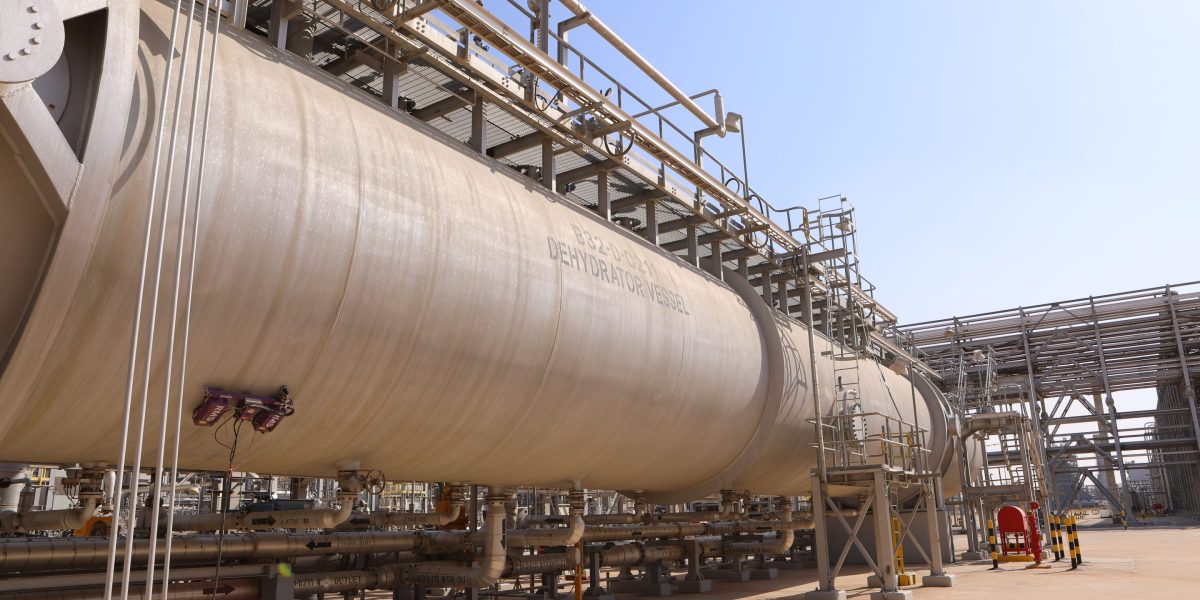
Three supertankers laden with oil have passed through the Strait of Hormuz amid the fragile truce between the United States and Iran, according to shipping data. Iran's blockade of the strait has disrupted global energy supplies and sent oil prices soaring since the start of the US and Israel's war on Iran.
World news
fromwww.aljazeera.com
6 days agoEmpty ships and shut wells: Why the Iran war oil crisis is not over yet
After 40 days of fighting, the United States and Iran agreed to a two-week ceasefire, with negotiations expected to begin in Islamabad. One key point in Iran's proposal is allowing shipping to resume through the Strait of Hormuz, which has been closed since the war began, causing global oil prices to soar.
World news
fromwww.aljazeera.com
1 week agoOPEC+ agrees to hike oil output, warns of slow recovery after attacks
The war has effectively blocked the Strait of Hormuz, the world's most important oil route, since the end of February and cut exports from OPEC+ members Saudi Arabia, the United Arab Emirates (UAE), Kuwait and Iraq.
World news
fromwww.aljazeera.com
1 month agoWho wins and loses in the global energy crisis?
The war in the Middle East is exposing how dependent the world is on a handful of strategic chokepoints. The Strait of Hormuz a narrow waterway in the Gulf is closed. The longer this goes on, the faster the global energy map could be reshaped.
World politics
World politics
fromTruthout
1 month agoWorld's Dangerous Reliance on Oil Transforms Fossil Fuels Into Weapons of War
Oil prices exceeded $100 per barrel as U.S.-Israeli military actions against Iran threaten global energy supplies, with Iranian officials blocking Middle East oil exports until bombardment ceases.
[ Load more ]