#gity-razaz
#gity-razaz
[ follow ]
#architecture #infrastructure #urban-design #urban-planning #cultural-heritage #brooklyn #urban-development
#adaptive-reuse
Renovation
fromwww.archdaily.com
3 weeks agoRepeat Wellness Club / MEAN* (Middle East Architecture Network)
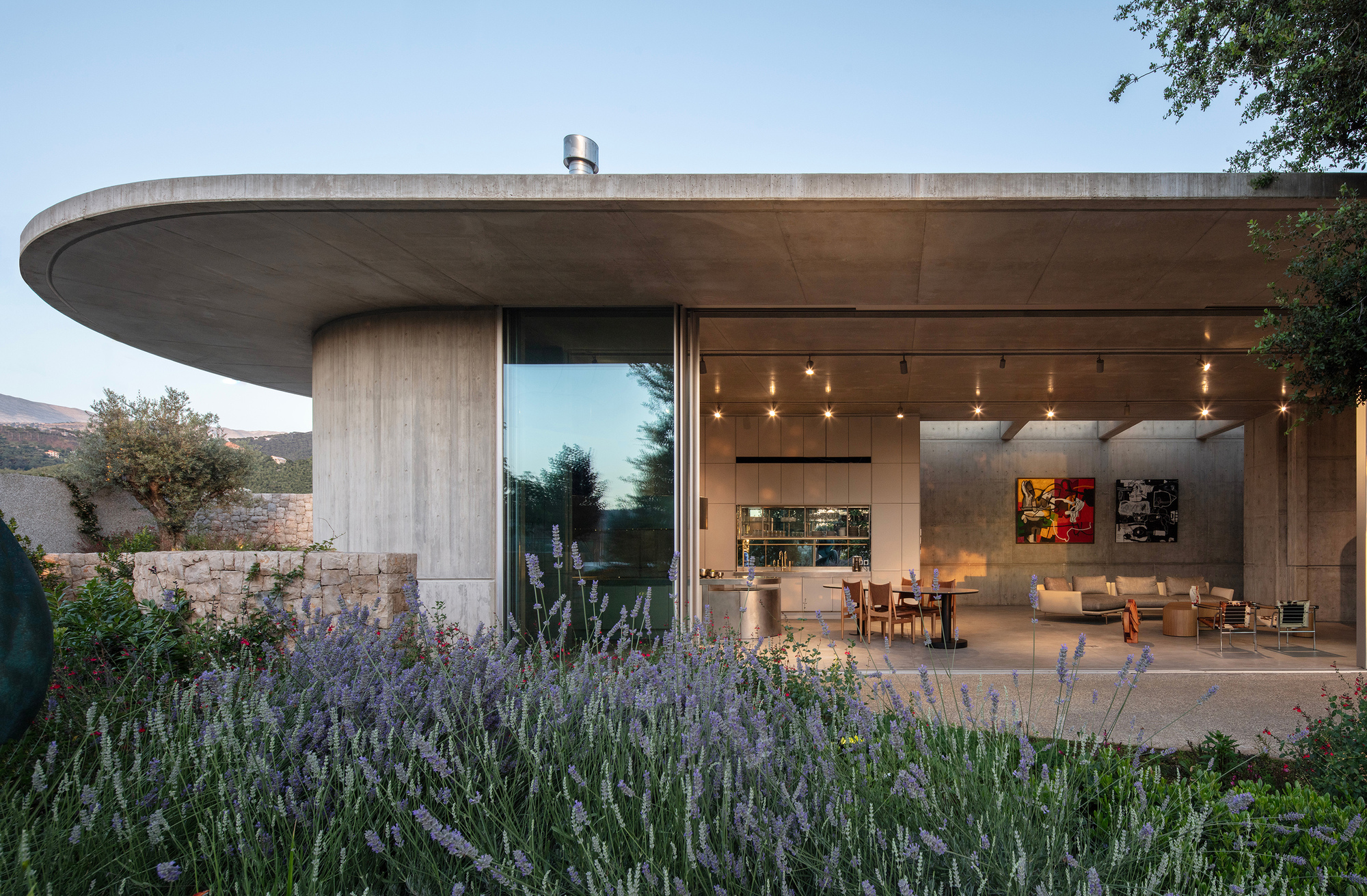
A former commercial space with accumulated traces of previous tenants was transformed into a continuous spatial sequence through architectural rehabilitation while preserving the historic facade.
London startup
fromComputerWeekly.com
22 hours agoDatacentre developers tout benefits to local communities, but do they deliver? | Computer Weekly
Datacentre developments are causing challenges for local businesses, raising concerns about energy consumption and community impact despite potential local benefits.


fromTruthout
6 days agoIsrael Has Buried Gaza in Rubble, But Our Love for the Land Will Always Survive
"I have never chosen to adopt the title of 'refugee,' yet it keeps haunting me. It is scribbled on my Palestinian national identification card and follows my name in human rights conferences."
Social justice
fromtherealdeal.com
6 days agoThe Daily Dirt: Meet the new head of City Planning
I understood at a very early age how much place matters and how impactful government services can be on one's life. The Mayor's Office of Equity and Racial Justice was really focused on working with agencies to think about how they're addressing inequity, whether it's through budget as a lever or personnel as a lever, procurement, policymaking. But land use is a lever as well.
NYC politics
fromThe Art Newspaper - International art news and events
1 week agoUnesco grants enhanced protection to 39 Lebanese heritage sites as war escalates
The designation prohibits the sites from being targeted or used for military purposes, with violations potentially constituting serious breaches of the 1954 Hague Convention and grounds for criminal responsibility.
Arts
fromEarth911
2 weeks agoEarth911 Inspiration: The First Step To Sustainability
The first step to sustainability is seeing that there is no boundary between you and nature. When we see this essential connection and reverse the artificial disconnections created over millennia, people can imagine a future where we all thrive with a regenerated ecosystem.
Environment
World news
fromSilicon Canals
6 days agoThe Middle East's real vulnerability isn't oil - it's the desalination plants that supply 90% of its drinking water - Silicon Canals
The Middle East's reliance on desalinated water exposes significant vulnerabilities, particularly due to concentrated infrastructure and ongoing military conflicts.

fromwww.bbc.com
3 weeks agoCampaigners celebrate after new town plans dropped
Campaigner Aysha Hawcutt stated that residents were 'not anti-homes', but believed the Adlington plan was 'the wrong proposal in the wrong place'. She expressed pride in the community's resilience against the development threats.
London politics
fromBrooklyn Paper
6 days agoWhere are Brooklyn's "recreation deserts," and what can be done to fix them? * Brooklyn Paper
"Brooklyn has always been a place where movement is part of daily life. But today, Brooklynites, like all New Yorkers, are moving less, feeling more isolated and dealing with elevated rates of chronic diseases."
Brooklyn
France politics
fromwww.aljazeera.com
1 month agoResidents of this Beirut neighbourhood felt safe. Then Israel attacked it.
An Israeli airstrike on Beirut's Aicha Bakkar neighbourhood on March 11 destroyed residential buildings, injuring four people and damaging nearby homes, escalating conflict after a ceasefire breakdown.
fromArchDaily
1 month agoMobility Justice: Urban Equity in an Era of Innovation
Every city contains two transportation systems. One is the visible network of roads, rail lines, sidewalks, and bus routes mapped in planning documents. The other is the invisible geography of privilege and exclusion embedded within it: the neighborhoods that received highways instead of parks, the communities whose bus routes were cut, the sidewalks that abruptly end at the edge of a district.
Alternative transportation
Miscellaneous
fromArchDaily
1 month agoSetbacks as Courtyards: How Civil Architecture Reimagines the Gulf House in Bahrain
Civil Architecture reinterprets the traditional Gulf courtyard house model for contemporary suburban development by transforming underutilized peripheral spaces into functional gardens that serve both environmental and domestic purposes.
World politics
fromArchDaily
1 month agoCultural Heritage Sites in the Middle East Damaged as War Strikes Historic Urban Areas
US-Israeli military attacks on Iran in February 2026 initiated a new Middle East conflict zone, joining multiple global armed conflicts causing widespread destruction of cultural and infrastructure assets.
Startup companies
fromYahoo Life
1 month agoMy city was filling up with digital nomads, so I converted my family home into a business
Hana Nguyen built a coworking business in Da Nang, Vietnam after discovering the concept through a foreign friend, starting in a hotel space before launching her own venture in her family home.
World news
fromwww.theguardian.com
1 month agoThere's no safe place any more': inside Tehran under attack photo essay
Iran faces escalating military conflict with the US and Israel, resulting in over 1,200 deaths including Supreme Leader Ali Khamenei, widespread destruction in Tehran, and retaliatory strikes across the Middle East.
fromArchDaily
2 months agoHealth, Habitat, and Civic Infrastructure: Designing the City as a National Park
Cities around the world share a common goal: to become healthier and greener, supported by civic infrastructure that restores ecosystems and strengthens public life. The question is how to reach this. Global climate targets, local building codes, and municipal standards increasingly guide designers and planners toward better choices. Still, many cities struggle to translate these frameworks into everyday, street-level comfort and long-term ecological protection.
Environment
fromwww.dw.com
2 months agoThe city that swapped parking for green space
Though they're individually tiny, parking spots quietly play a dominant role in shaping urban landscapes. Most US cities dedicate at least 25% of their developable land to them. Some, even more. That land usage doesn't only determine the way a city looks. It also means covering large swathes of urban areas in heat-absorbing asphalt, which contributes to making summers hotter and heightens the risk of flooding since it prevents drainage during storms and heavy rainfall.
Miscellaneous
Miscellaneous
fromArchDaily
1 month ago7 Unbuilt Masterplans Reimagining Urban Futures Through Ecology and Collective Space
Unbuilt urban masterplans explore adaptive spatial frameworks that recalibrate mobility, ecology, and collective life through climate-responsive design and public space integration across diverse global contexts.
World news
fromThe Art Newspaper - International art news and events
2 months agoSyria's Hasakah Museum-occupied by military for more than a decade-to finally open
Al-Hasakah now has a completed archaeological museum, previously used by military forces, poised to open and aid social healing after regime forces withdrew.
fromArchitectural Digest
2 months agoDesigning When Your City Is Under Siege
Life doesn't pause for grief or fear. You might be going through something devastating but you're still packing lunches, still driving your kids to baseball practice, still showing up to work. One minute I find myself prepping for a whole home presentation and the next minute I'm checking the news, hoping and praying that no one has been killed on the streets today.
Design
fromArchDaily
2 months agoCivic Architecture Opens to the City as Global Attention Turns to Africa: This Week's Review
Across this week's broader architecture news landscape, a central theme emerges around the advancement of civic architecture conceived as open, publicly engaged infrastructure, with cultural and institutional projects increasingly designed to strengthen their relationship with the city and everyday urban life. At the same time, renewed global attention turns toward Africa, where large-scale transport infrastructure and the conservation of modernist landmarks reflect interests in the region and the reassessment of the continent's architectural heritage.
Design
fromArchDaily
1 month agoHeritage Without Permanence: When Architecture Endures by Disappearing
A Gothic cathedral can take centuries to complete. A world exposition pavilion may stand for six months. A ritual structure in Kolkata rises and vanishes within five days. Yet each draws pilgrimage, shapes collective memory, and reorganizes urban life. If heritage has long been defined by what endures, architecture repeatedly shows that cultural authority can also belong to what gathers people.
Design
fromArchDaily
1 month agoShaping Architectural Continuity: 25 Revitalization Projects Across Historic, Industrial, and Natural Sites
Heritage sites constitute complex spatial archives in which architecture, history, and collective memory converge. They encompass a wide spectrum of contexts-from archaeological remains, ancient and historic townscapes, UNESCO-listed landscapes, to early modern civic structures and industrial infrastructures. Yet these environments confront challenges: climate change, urban transformation, disaster, shifting social needs, and the gradual erosion of material fabric. Revitalization and restoration projects respond to these conditions by positioning architectural and spatial practice as an active mediator between preservation and the contemporary topologies.
Renovation
Design
fromArchDaily
2 months agoRojkind Arquitectos Selected for Tirana Multifunctional Development as Part of Broader Citywide Renewal
Rojkind Arquitectos won the mixed-use masterplan for Tirana's Zyber Hallulli redevelopment featuring three connected towers, a civic podium, and an integrated 'Urban Choir' façade.
[ Load more ]