Design
fromArchDaily
11 hours agoArchitecture of Water: Disappearing Fixtures in Contemporary Wellness
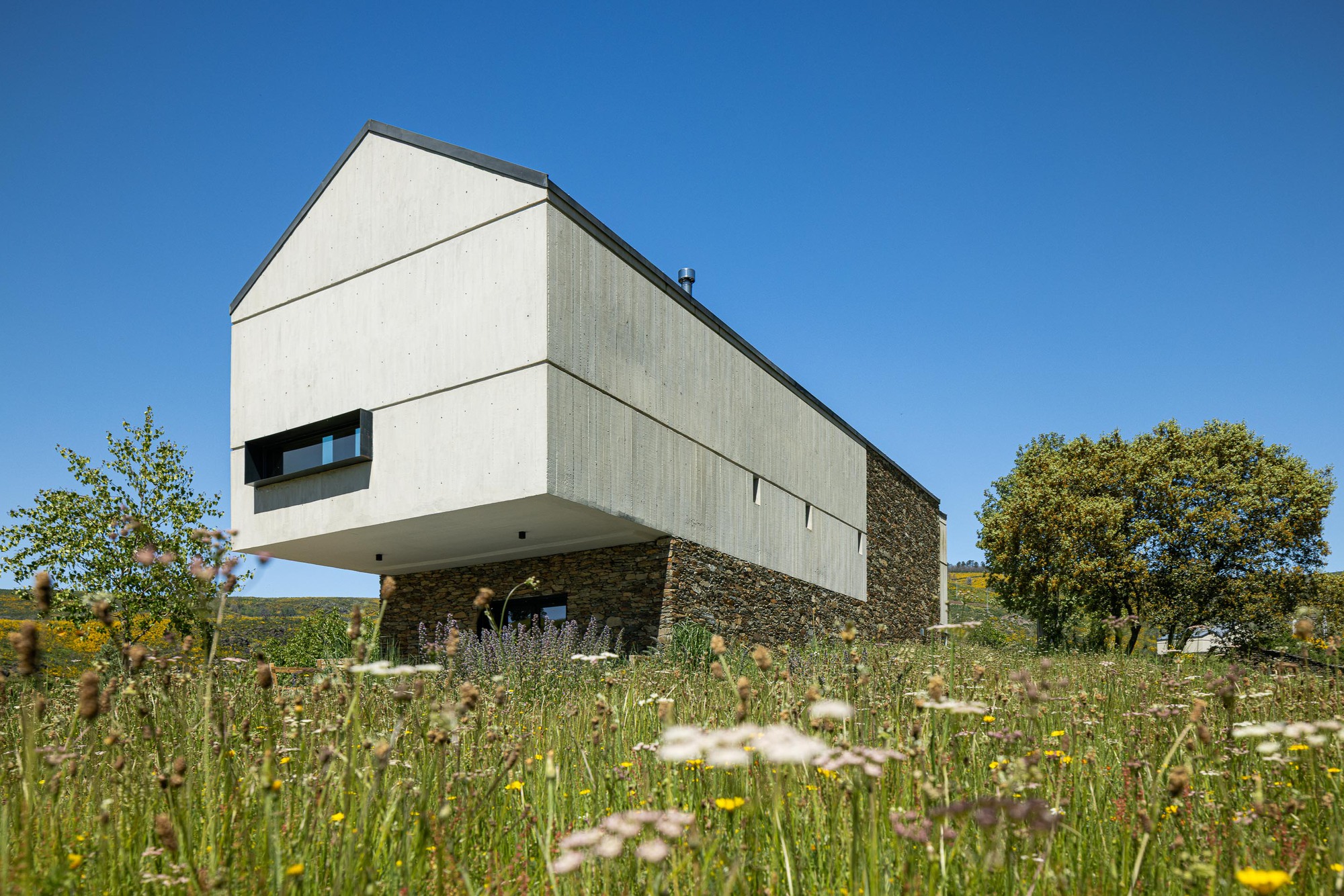
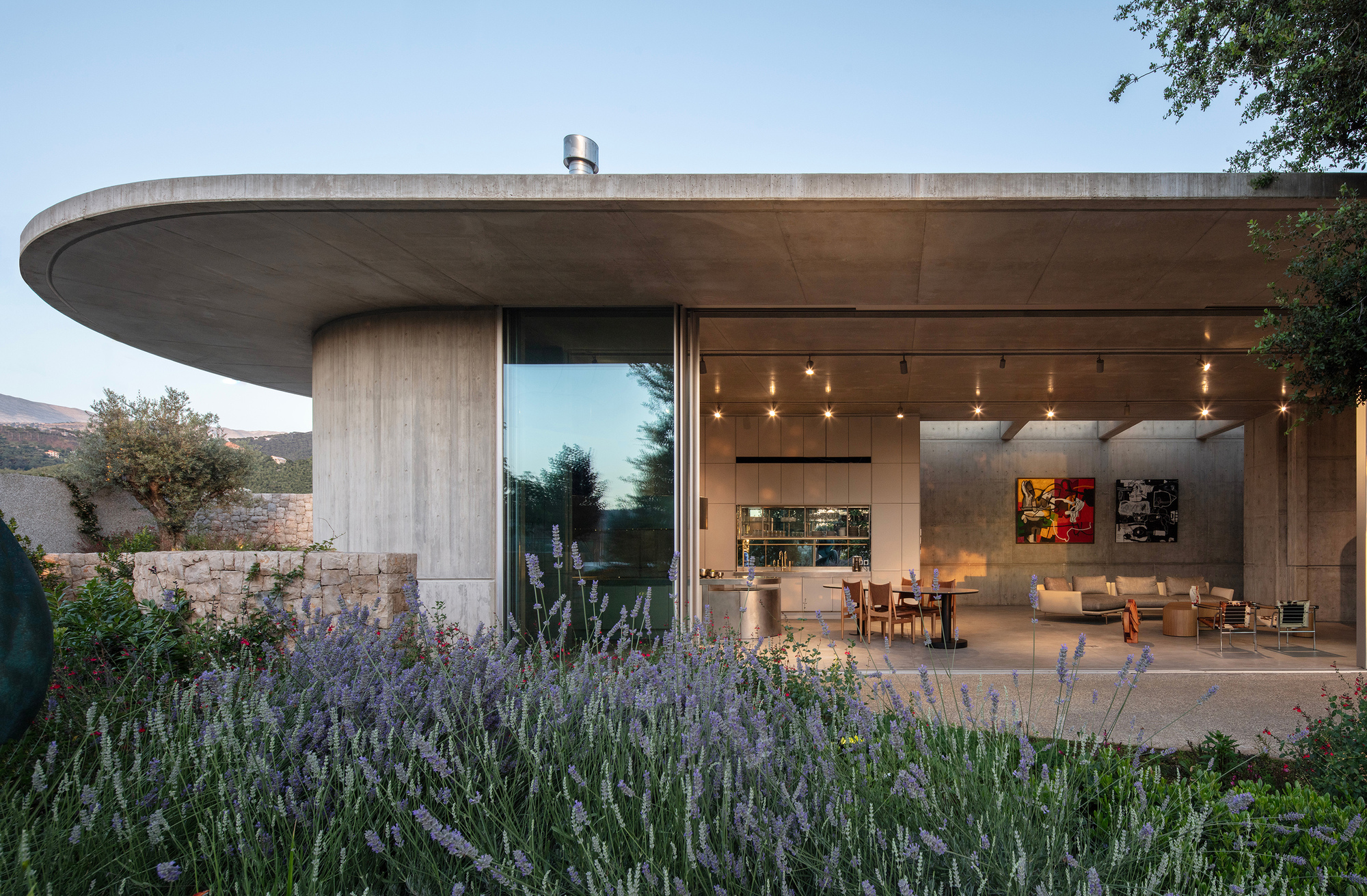
Advanced bathroom design emphasizes minimalism by making fixtures less visible, allowing water and light to shape the experience.
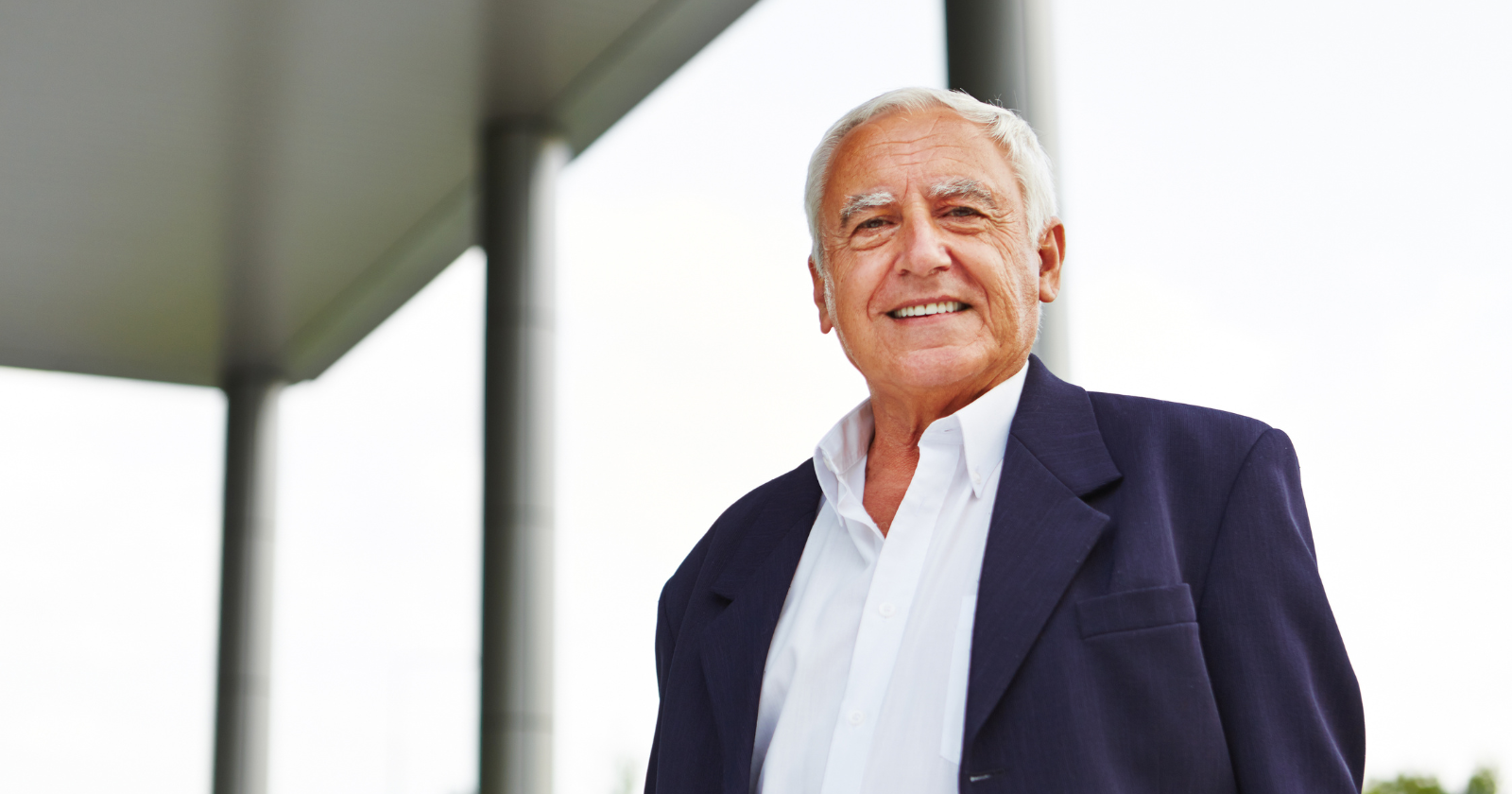
"The PTSD, the depression, the hyper vigilance no longer affected me to the same degree... I thought psychedelics could help prevent more deaths."
"Monteverde has one of the few cloud forests left in the world, as they are one of the first forests to disappear due to global warming," said Rodrigo Valverde, co-founder of Sky Adventures. "It [contains] 2.5 percent of all the world's biodiversity, which makes it one of the few places in the world where you can see the most exuberant flora and fauna."
Branded residences have become the luxury hotel industry's favorite revenue strategy, characterized by recognizable names and a 30% premium for the brand badge, often resulting in real estate that borrows a brand's reputation without its design philosophy.
The Sanctuary of Dreams operates as a collective framework for imagining futures, developed within the universe of Toguna World to reactivate dreaming as a shared cultural practice rather than an individual act.
Tanah Gajah means Land of Elephant, inspired by the nearby Goa Gajah Temple. This luxurious 5-star resort sits approximately 35-40 km from Bali's Ngurah Rai International Airport, a 60 - 90-minute drive, though it can take longer due to Bali traffic.
Sensei Porcupine Creek, located in the Santa Rosa Mountains, offers a tranquil environment with luxurious accommodations, a private golf course, and a world-class tennis facility, all designed to promote wellness.
A true wellness gathering is something far more ancient and far more urgent: it's any intentional space where humans are invited to arrive whole, body, mind, spirit, and leave more alive than when they walked in. That's it. That's the whole definition.
Barlochan cottage, featured in episode six of the romantic drama, officially opens to guests on 3 March. Tucked away in a serene part of Muskoka, Canada, the villa sports three bedrooms, each with king-size beds, an open-plan kitchen, and a beautiful view of the Canadian wilderness.
Well-being has never been more at the forefront of our minds than now, and there have never been more excuses to practice wellness on a daily basis. From sound baths in the Maldives to recovery lounges in Napa Valley, 2026 is set to see boundary-pushing wellness trends in the travel world.
The question of whether mental health retreats allow social media access does not have a universal answer. Different facilities approach digital connectivity in varying ways, reflecting their treatment philosophies and therapeutic goals. Most mental health retreats limit or completely restrict social media use during the initial phases of treatment, though specific policies can range from total digital detox to supervised access at designated times.
As we plan our next break, research suggests we should look not to far-flung destinations, but to our own backyards. The staycation offers a compelling new model for deep mental restoration. This is not merely staying home, but a curated, intentional break grounded in the psychological science of recovery-one that challenges the notion that distance equals escape. In doing so, it provides a practical approach for rebuilding our cognitive and emotional reserves right where we are.
Playfulness is at the heart of the Art and Play holiday, based on a farm outside the Bay of Kotor. A family-friendly retreat designed to reignite joy and reconnect with the inner child, it's one for solo travellers and couples as well as parents with kids. There are creative sessions on everything from dance to painting, as well as time to enjoy the farm feeding the animals, collecting eggs or helping harvest vegetables for farm-fresh meals.
No doubt a response to the extreme digital connectivity of the world, but small and secret hotels have never felt more appealing than right now. The ultimate antidote to the 'see and be seen' scene. Extreme exclusivity is the name of the game here - where there's no waiting times for check-in, no scrounging around for a sun lounger, and staff greet you like family.
On a cool, rainy afternoon in the wilds of Laikipia, Kenya, I am lying in savasana, or corpse pose, beside a log fire in the pool house of Enasoit Camp. The teacher, Laura Bunting, gently intones a yoga nidra to our small, all-female group, during which I slip in and out of a hypnotic half-light state, only vaguely aware of the sound of rain on the thatched roof and the percussive efforts of a nearby woodpecker.
If you are exhausted and yearn to rest, like nearly everyone I know, you may be interested in what's arguably the most radical wellness trend of 2026 - an ancient practice called "dark retreat." This powerful experience, touted by celebrities as the latest way to achieve self-realisation and peace, involves no drugs (unlike, say, ayahuasca), no intense physical work, and no strict diet - just staying in absolute darkness in a comfortable room for 24 hours a day, for several days.
On my first day at Canyon Ranch's $20,000 four-day Longevity8 retreat in November, the schedule sounded dauntingly packed: I received a list of appointments with doctors and wellness specialists across a range of fields, from fitness to flexibility, meditation to mental health. In between electrocardiograms, carotid ultrasounds, and DEXA scans, I would attend spa appointments, fitness classes, and group hikes through the Santa Catalina Mountains;

.jpg)


:max_bytes(150000):strip_icc()/TAL-header-exterior-huus-quell-HUUSQUELLFIRSTIN0126-f223b438eed04cbca31cf6698440353f.jpg)


:max_bytes(150000):strip_icc()/TAL-lead-image-bhutan-50STRIP0326-4b78e16af094433f80c98f9c4f846bc3.jpg)
:max_bytes(150000):strip_icc()/TAL-hot-springs-buena-vista-del-rincon-pacaya-waterfall-costa-rica-RELAXINGDEST0326-8fce86da696547b48c180cd93085c7c0.jpg)

:max_bytes(150000):strip_icc()/TAL-switzerland-EXPNSVWELLNESSDEST0126-2c434973c0cb4cd8a0adac0d7cf28328.jpg)

:max_bytes(150000):strip_icc()/TAL-rishikesh-india-ARFDWELLNESSDEST0126-91c1e94cd2834be99e443a09db92bdd9.jpg)
