#homogenization-of-creativity
#homogenization-of-creativity
[ follow ]
#creativity #mental-health #innovation #art #ai #contemporary-art #architecture #ai-impact #creative-industry
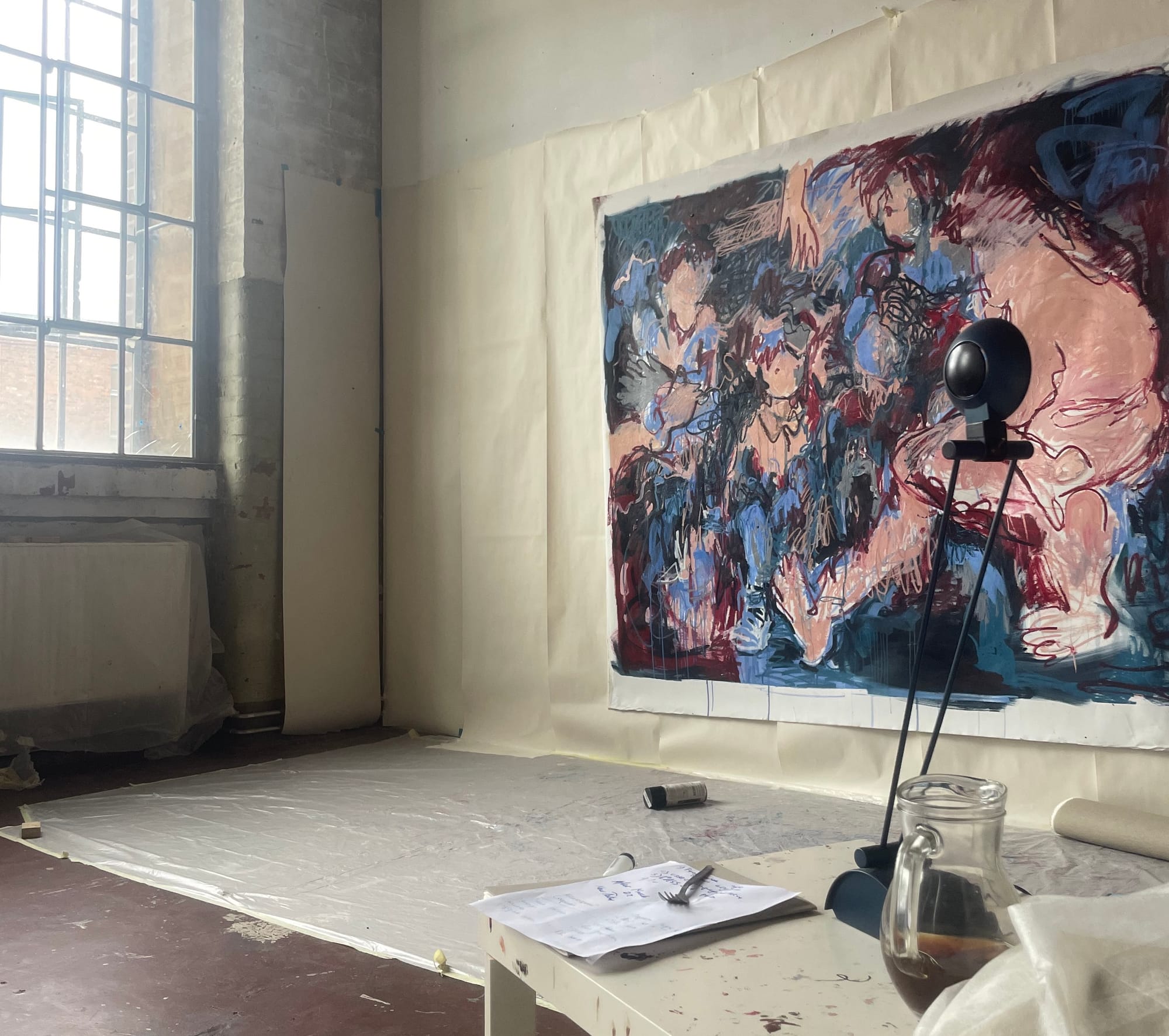
Renovation
fromIrish Independent
2 hours agoSelf-build story: 'It awakened something in me; I probably did it in a past life. But I've finally found a really creative career that I love'
A West Cork bungalow combines Irish and French design elements, focusing on light and texture to create a Mediterranean-inspired family home.
fromOregon ArtsWatch * Arts & Culture News
2 days agoSpecial series: -Ism Storytellers, mixed race * Oregon ArtsWatch
In 2025, Dmae Lo Roberts embarked on a statewide storytelling experience focusing on personal stories from both artists and community members. These stories are a form of living oral history.
Portland
fromdesignboom | architecture & design magazine
3 days agosanctuary of dreams: toguna world's digital temple for collective visioning
The Sanctuary of Dreams operates as a collective framework for imagining futures, developed within the universe of Toguna World to reactivate dreaming as a shared cultural practice rather than an individual act.
SOMA, SF
Psychology
fromSilicon Canals
4 days agoI realized recently that I've spent years becoming whoever the room needed me to be - and now I honestly can't tell the difference between what I actually enjoy and what I've just been pretending to for so long it stuck - Silicon Canals
Constantly adapting to others' expectations can lead to losing touch with one's authentic self and preferences.
fromArchDaily
4 days ago"Material Is Where the Story Begins": Studio NEiDA on Building Through Craft and Context
Studio NEiDA operates at the intersection of architectural practice, research, and curatorial work, focusing on how buildings emerge from the material and cultural conditions of a place.
Design
fromBusiness Matters
1 week agoMara Naaman on Culture, Career, and Creative Work
Mara Naaman's academic career includes serving as Assistant Professor of Comparative Literature and Arabic at Williams College from 2007 to 2014, and she has held teaching positions at Columbia University, New York University, Hofstra University, and Hunter College.
Women in technology
fromChrbutler
5 days agoCraft is Untouchable - Christopher Butler
Craft is often defined as skill in making things by hand, but this interpretation is being challenged by AI. Craft transcends physical interaction; historical figures like Mozart and Beethoven exemplify mastery without traditional methods.
Intellectual property law
Social media marketing
fromBuffer: All-you-need social media toolkit for small businesses
5 days agoYes, You Can Create Content: A Neurodivergent's Guide to Getting Started
Developing a personalized system for content creation can help neurodivergent individuals maintain consistency and overcome challenges associated with ADHD and autism.
Design
fromdesignboom | architecture & design magazine
5 days agoadam haar horowitz crafts devices that turn sleep state into space for design and creativity
Dormio transforms sleep into a creative medium by detecting the hypnagogic state and guiding thought processes during the transition from wakefulness to sleep.
Music
fromPsychology Today
1 month agoArt as a Biological Bedrock of Shared Humanity
Humans are biologically wired for shared artistic experiences, which serve as essential connective tissue for our nervous systems and cultural identity, transcending the perceived obsolescence of performing arts in the digital age.
Women in technology
fromPsychology Today
1 month agoCreative Potential Is Equal; Recognition Is Not
Research demonstrates no gender differences in creative thinking ability, yet women receive significantly less recognition and support for creativity across industries, creating unequal outcomes despite equal potential.
fromThe Art Newspaper - International art news and events
5 days agoPressing issues: the vital role of printmaking in the history of art
Yale came to me and said there isn't an overarching book about the history of printmaking; they wanted it to be about the printed image. There are a lot of books about printing-about the history of journalism or the history of books, the printing press and the printed word-but not so much about the printed image and its processes. So that was my challenge.
Arts
fromPsychology Today
1 month agoGo Deeper, Learn More
On the first hike, about half-way up the mountain, I reached a point where the path was too slippery, steep and scary. Even though my wonderful guide talked me through the tough parts, I finally realized I'd have to do the same thing going back downhill. So, I stopped. I sat on a moss covered rock. I enjoyed the forest flowers and tree bark and birds and ferns and more.
Travel


fromMedium
3 months agoAI and Creativity: Why Human Imagination Still Matters in an Algorithmic World
As AI systems become more capable, more accessible, and more embedded in everyday workflows, creativity is emerging as one of the most important human skills in AI development and deployment. Not creativity as decoration or aesthetics, but creativity as problem framing, decision-making, and human judgment. In an era where many organizations are using the same models, tools, and platforms, creative thinking is what separates meaningful outcomes from generic ones.
Artificial intelligence
fromNature
3 months agoAI can spark creativity - if we ask it how, not what, to think
When a scientist feeds a data set into a bot and says "give me hypotheses to test", they are asking the bot to be the creator, not a creative partner. Humans tend to defer to ideas produced by bots, assuming that the bot's knowledge exceeds their own. And, when they do, they end up exploring fewer avenues for possible solutions to their problem.
Artificial intelligence
Arts
fromwww.theguardian.com
1 month agoWith the advance of AI, I feel my work as an artist is no longer respected. Should I just give up? | Leading questions
Reconnect with the intrinsic motivation that drew you to art initially, separate from external measures of success, money, or cultural validation.
Arts
fromThe Art Newspaper - International art news and events
2 months agoComment | Art and science rely on freedom of thought-and on each other
Art and science are complementary, interconnected ways of understanding the world that inspire each other and require mutual support, especially amid funding cuts.
[ Load more ]