#infrastructure-strategies
#infrastructure-strategies
[ follow ]
#infrastructure #new-york-city #transportation #urban-planning #urban-development #san-francisco #urban-design
#logistics
Business intelligence
fromLondon Business News | Londonlovesbusiness.com
14 hours agoHow contact centre outsourcing drives faster deliveries in logistics - London Business News | Londonlovesbusiness.com
Call center outsourcing is now a core strategy for logistics companies to enhance delivery performance and operational efficiency.
London startup
fromLondon Business News | Londonlovesbusiness.com
5 days agoHow digital technology is making road freight operations more efficient - London Business News | Londonlovesbusiness.com
Digital technologies enhance operational efficiency and transparency in UK logistics, addressing rising costs and customer expectations.

fromianVisits
20 hours agoSeven shades of green: the DLR's quietly complicated network
The DLR first opened in 1987, it had two lines: Red - Stratford to Island Gardens and Green - Tower Gateway to Island Gardens. Within just a few years, as the DLR extended out to Beckton and later Lewisham, they turned the whole map green.
London
fromSnowBrains
1 day agoEfforts Underway to Upgrade Infrastructure at Park City, UT, Ahead of 2034 Olympics - SnowBrains
The Silverlode Express Lift, built in 1996, is known for having long lines, servicing many popular runs and being the closest lift to the Quicksilver Gondola. The new proposal aims to upgrade it from a six-chair to an express eight-chair lift, increasing uphill capacity from 3,000 to 3,600 skiers per hour.
Snowboarding

California
fromStreetsblog California
1 week agoLegislation Moving to Make It Easier to Build High-Rises Near Transit in CA's Seven Largest Cities - Streetsblog California
Assembly Bill 2074 aims to facilitate high-rise housing near transit hubs in California's largest cities by streamlining approval processes.
#transportation

SF politics
fromStreetsblog USA
1 week ago"Why Do We Do This Bill?": Preparing Congressional Staff for Surface Transportation Reauthorization - Streetsblog USA
Federal surface transportation reauthorization lacks institutional knowledge, leading to skepticism about its effectiveness and the need for reevaluation.
Alternative transportation
fromStreetsblog San Francisco
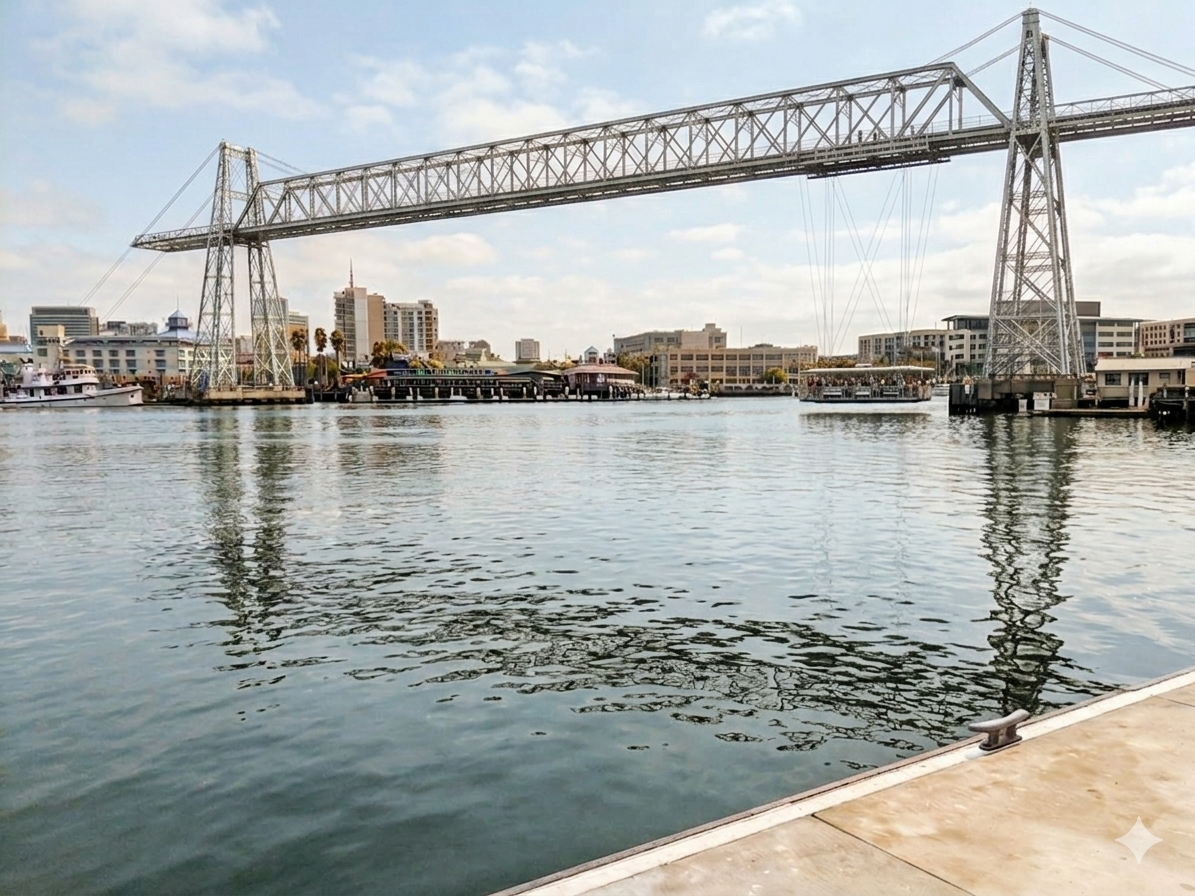
6 days agoCommentary: Is a Transporter Bridge the 100-Year-Old Solution for the Estuary Crossing We've all been Looking for? - Streetsblog San Francisco
A transporter bridge could provide a cost-effective solution for pedestrian and cyclist access between Western Alameda and Jack London Square.
Alternative transportation
fromStreetsblog USA
22 hours ago'Best Bikeshare in America': An Unexpected Community Launches Free, All-Electric Micromobility For Residents - Streetsblog USA
Heartland Bikeshare in Omaha offers free unlimited 60-minute rides for residents, promoting biking and challenging other communities to enhance their micromobility initiatives.

#fifa-world-cup
New York City
fromwww.amny.com
5 days agoPublic festivals and more bathrooms: The City Council seeks to score big economic goals with the FIFA World Cup | amNewYork
City Council legislation aims to prepare NYC for the 2026 FIFA World Cup, focusing on small businesses, public amenities, and tourism management.
fromSustainable Bus
1 day agoMarket, policy and operations in focus for zero-emission intercity buses, at Sustainable Bus Tour session in Bus2Bus - Sustainable Bus
Intercity bus transport in Europe is characterized by a fragmented operator landscape, including a high number of small and medium-sized companies, alongside less standardized operational patterns and frequent dual-use vehicle profiles.
Alternative transportation


#e-bikes
New York City
fromwww.amny.com
4 days agoFIRST ON amNY | DOT opens asks New Yorkers to weigh-in on e-bike charging cabinet locations with new portal | amNewYork
An online portal will gather public feedback on 50 potential locations for e-bike battery swapping cabinets, aiming to enhance safety and accessibility.
fromwww.bbc.com
3 days agoHow the London 2012 Olympics changed Stratford
The area was previously dubbed "London's scrapyard" by Sowmya Parthasarathy, urban designer at Arup who worked on the Olympic Park for more than a decade. The site was home to light industry, dominated by overhead powerlines, and was broken up by rivers, roads and railways.
London
fromSustainable Bus
1 day agoFrom Mauritius to Mumbai-Pune: Switch Mobility delivers 100 urban buses and 25 intercity coaches - Sustainable Bus
The delivery follows an initial batch of 10 buses introduced in August 2025, bringing the total number of vehicles supplied under the programme to 100. The buses have been integrated into the NTC fleet, which has historically operated an ageing vehicle base.
Alternative transportation
fromFast Company
4 days agoThis stunning new bridge in Helsinki is designed for cyclists, pedestrians, and trams-but no cars
"We're looking at quite large new numbers of residents that will be in this part of town. And the decision was made that we need to connect those parts of town across the water to downtown, but that we need to do it in a way that won't increase congestion."
Alternative transportation
Business intelligence
fromLondon Business News | Londonlovesbusiness.com
3 weeks agoWhy GIS matters in modern infrastructure and urban planning: Building smarter, future-ready cities - London Business News | Londonlovesbusiness.com
GIS is essential for effective urban planning, enabling data-driven decisions that enhance infrastructure and quality of life in rapidly growing cities.
Alternative transportation
fromStreetsblog USA
5 days agoFlorida Town Gives New Residents Free Golf Carts to Replace Their Cars - Streetsblog USA
Babcock Ranch incentivizes residents to drive less by offering free golf carts with new home purchases, promoting a community focused on alternative transportation.
New York City
fromwww.businessinsider.com
4 days agoNYC's first rest area for delivery workers isn't open 10 days after a flashy ribbon-cutting. I dug into why.
The City Hall Deliverista Hub is a new rest stop for NYC delivery workers, but it remains locked due to electrical issues since its unveiling.
fromBusline News
6 days agoENC Named To Washington State DES Statewide Transit Bus Contract - Busline News
Being named to the Washington State DES contract is a significant milestone for ENC and a testament to the strength of our product portfolio. This contract gives transit agencies across the region a streamlined path to American-made, Altoona-tested heavy-duty buses in every major propulsion category.
Alternative transportation
Real estate
fromInc
1 month agoWhy Connectivity Is the New 'Location' in Commercial Real Estate
Digital infrastructure and connectivity now rival or surpass traditional location as the primary factor determining real estate value for business properties, with 96% of U.S. business leaders willing to pay premium prices for reliable connectivity.
fromwww.housingwire.com
1 month agoHow Public Financing Wins Projects Before You Build
Through Community Facilities Districts (CFD), Municipal Utility Districts (MUD), Public Improvement Districts (PID), Community Development Districts (CDD) and reimbursement districts (RD), builders can potentially shift infrastructure costs off their balance sheets and onto special districts that homebuyers ultimately absorb through property taxes without potentially adding debt to the builder's books.
LA real estate
Artificial intelligence
fromArchDaily
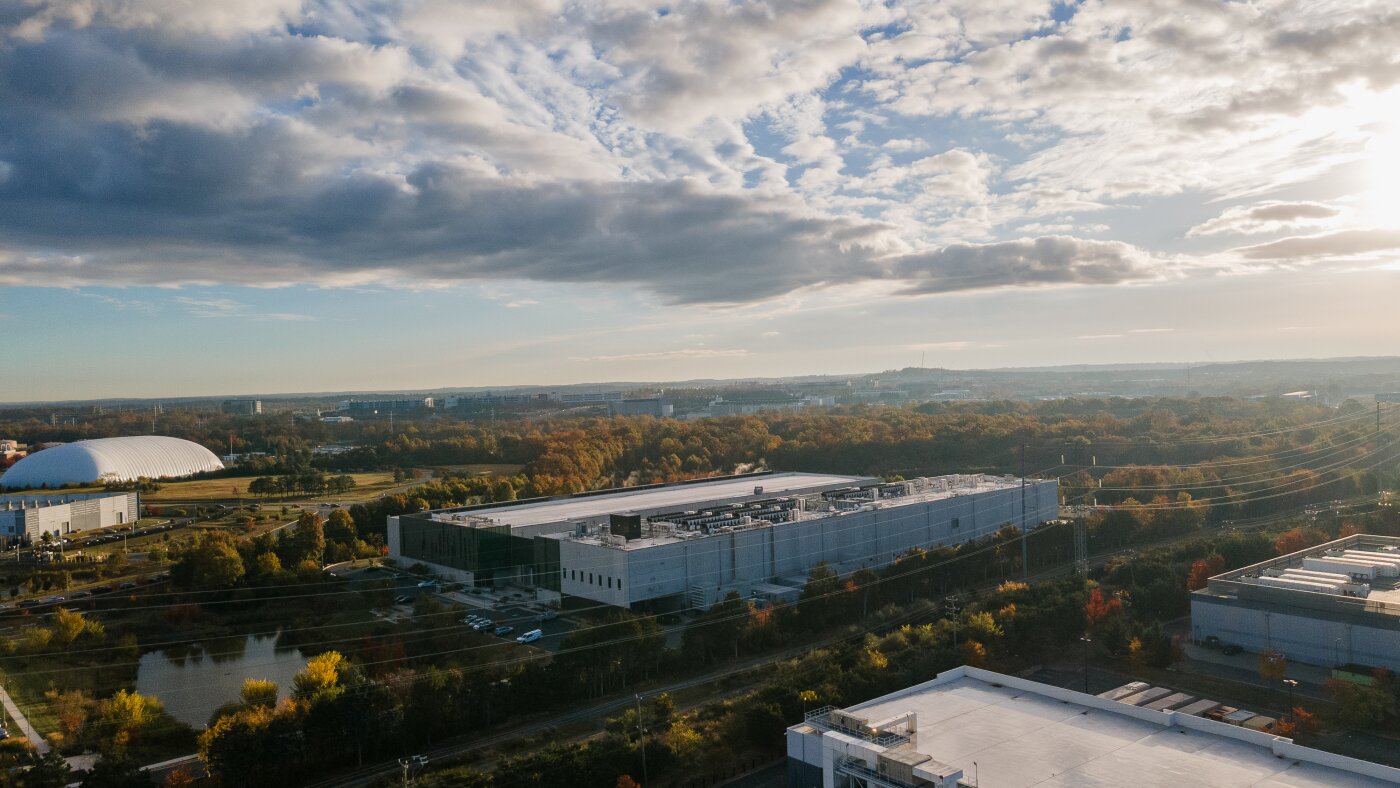
1 month agoCompute Isn't Weightless: AI Infrastructure and the Architecture of the City
AI development is reshaping urban infrastructure and spatial planning in the Greater Bay Area through government-led initiatives that translate computational needs into physical zones, data centers, and specialized districts.
fromArchDaily
2 months agoMoving Capitals Across Global Contexts: From Strategic Planning to Environmental Necessity
Across history, the relocation of capital cities has often been associated with moments of political rupture, regime change, or symbolic nation-building. From Brasília to Islamabad, new capitals were frequently conceived as instruments of centralized power, territorial control, or ideological projection. In recent decades, however, a different set of drivers has begun to shape these decisions. Rather than security or representation alone, contemporary capital relocations are increasingly tied to structural pressures such as demographic concentration, infrastructural saturation, environmental risk, and long-term resource management.
World news
Alternative transportation
fromStreetsblog
1 month agoWhy Some Congresspeople Want to Go Big on Greenways - Streetsblog USA
The Parks to People Act proposes $300 million in federal funding for walking and biking infrastructure as essential transportation tools, despite political opposition dismissing them as distractions.
fromForbes
1 month agoTransit-Oriented Housing On Track For Continued Growth
Once a nice-to-have niche urban design concept, TOD has become an essential part of many urban neighborhoods. It has helped address the shortage of housing by enabling the development of higher-density residential communities near transit stations. It has helped revitalize countless once-deteriorating or static urban enclaves near transit hubs by activating sidewalks near the developments. And it has spurred walking and transit use, enabling residents of TODs to reduce or eliminate automobile dependency.
Real estate
fromArchDaily
1 month agoMobility Justice: Urban Equity in an Era of Innovation
Every city contains two transportation systems. One is the visible network of roads, rail lines, sidewalks, and bus routes mapped in planning documents. The other is the invisible geography of privilege and exclusion embedded within it: the neighborhoods that received highways instead of parks, the communities whose bus routes were cut, the sidewalks that abruptly end at the edge of a district.
Alternative transportation
Alternative transportation
fromFast Company
1 month agoThe 'time is money' mantra is a terrible starting point for planning and designing infrastructure
Using productivity and time-as-money frameworks to justify transportation planning decisions is economically flawed and oversimplifies the complex nature of traffic congestion and urban mobility.
fromBusiness Matters
1 month agoThe impact of road signs on economic development
When routes are well organized, there are clear directional signs, and speed limits become reasonable. The early installation of warning signs allows transport companies to plan deliveries more accurately and avoid delays. For businesses, time is money. When a truck carrying goods does not spend hours detouring due to an unclear traffic scheme or stuck in traffic where it could have been avoided thanks to competent traffic management, fuel costs, driver wages, and vehicle maintenance costs are reduced.
Alternative transportation
New York City
fromInc
1 month ago140 Cities in Maine, L.A.'s Olympic Committee, and NYC: The Urban Tool That's About to Change Everything
MIT researchers created the first complete pedestrian activity model for New York City, revealing movement patterns and crash vulnerabilities, applicable to any U.S. city and enabling better infrastructure funding allocation.
[ Load more ]