#inventory-crisis
#inventory-crisis
[ follow ]
#supply-chain #inflation #amazon #walmart #iran-war #retail-strategy #operational-efficiency #middle-east-conflict

fromBusiness Matters
3 days agoTesco urges ministers to ease cost burden as Iran conflict clouds outlook
Ken Murphy stated, 'In terms of tax pressures, industry and energy in particular, anything the government can do to help us to keep prices low for customers is welcome.' This highlights the urgent need for government intervention to support retailers.
London food
World politics
fromLondon Business News | Londonlovesbusiness.com
6 days agoSupply chain fears surge as UK firms warn of lasting Iran conflict disruption - London Business News | Londonlovesbusiness.com
Businesses in the transport & storage sector show heightened concern over global conflict impacting supply chains and shipping disruptions.
fromABC7 San Francisco
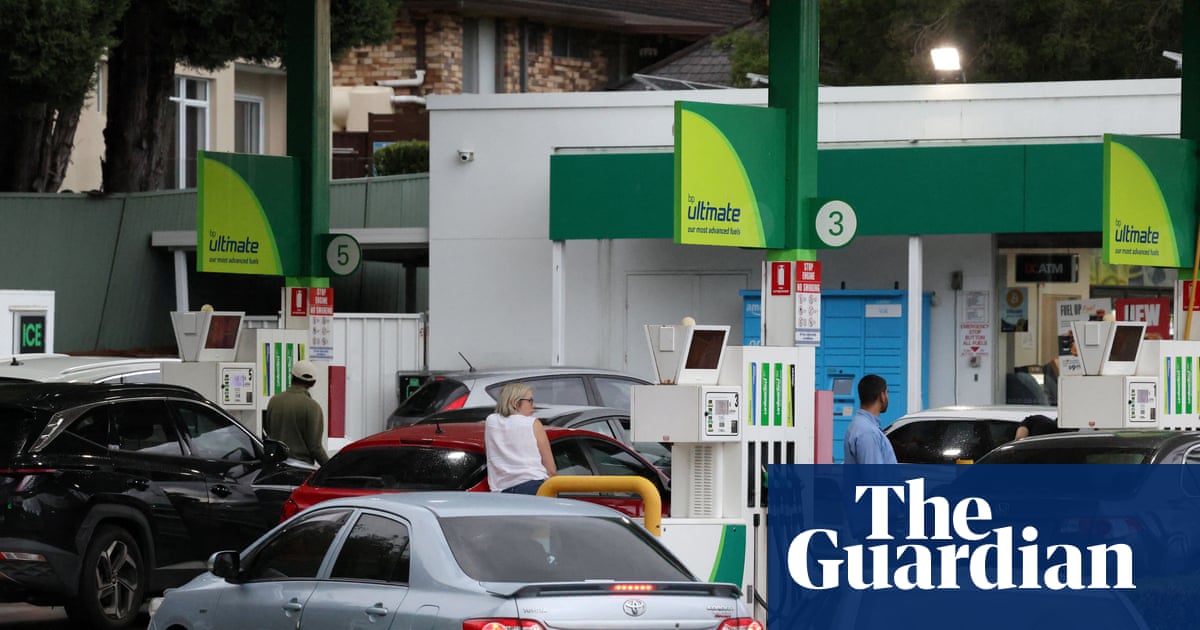
2 weeks agoAmazon, UPS, FedEx, USPS add temporary fuel surcharges to offset extra costs
"Transportation costs are a big factor there. Every company that is involved and has logistics and they have to pay for gas, either they have to absorb this cost, or they will charge the third party that will provide this service. I'm not surprised this is happening, because at some point, Amazon will say we cannot absorb all this cost."
Alternative transportation

Information security
fromSecuritymagazine
1 month agoThreat Actors Target the Entire Retail Supply Chain
Threat actors exploit shared supply chain vulnerabilities between wholesalers and retailers, with over 70% of retailers and 60% of wholesalers having exposed credentials, enabling widespread initial access.
#amazon
E-Commerce
fromwww.businessinsider.com
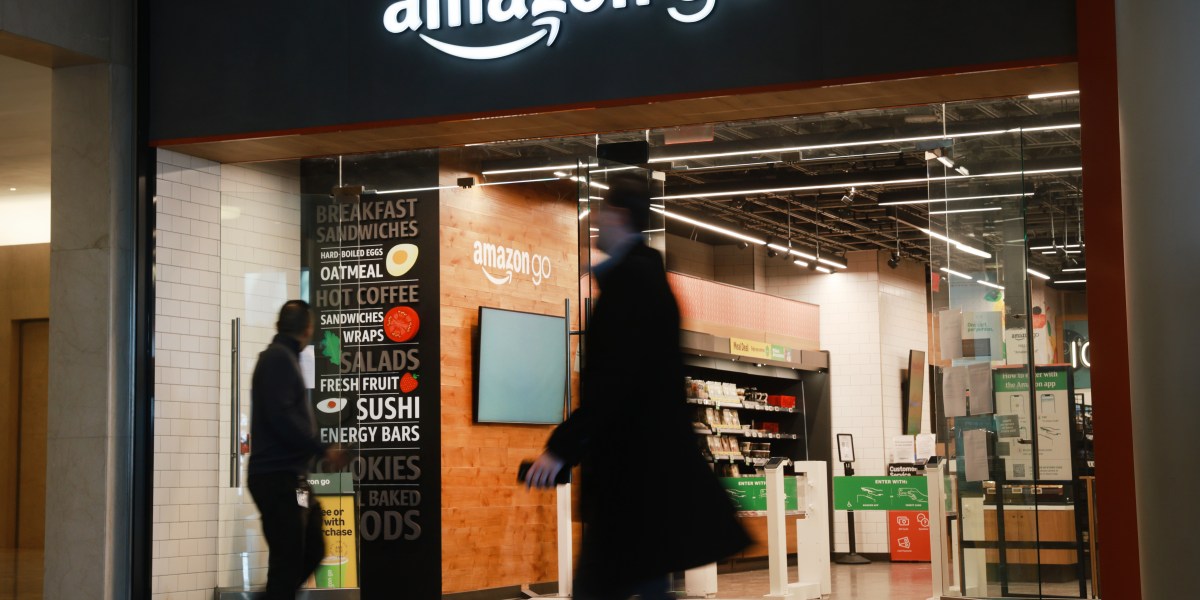
3 weeks agoInside Project Kobe: Amazon's plan to build Walmart-style supercenters powered by warehouse robots and AI
Amazon is developing large-format supercenters that integrate grocery, general merchandise, and robotics-powered fulfillment centers to compete with Walmart.
E-Commerce
fromwww.businessinsider.com
3 weeks agoInside Project Kobe: Amazon's plan to build Walmart-style supercenters powered by warehouse robots and AI
Amazon is developing large-format supercenters that integrate grocery, general merchandise, and robotics-powered fulfillment centers to compete with Walmart.
fromLondon Business News | Londonlovesbusiness.com
4 weeks agoThe world is 'dealing with an enormous supply shock' as oil soars - London Business News | Londonlovesbusiness.com
We're dealing with an enormous supply shock. The paper markets have entirely disconnected from the physical markets, reflecting a mismatch that is affecting the global economy.
World news
Washington DC
fromEntrepreneur
1 month agoAmazon Plans to Slash USPS Shipments by Two-Thirds. Here's What That Means for the Postal Service.
Amazon plans to reduce USPS package shipments by two-thirds by fall, threatening the financially struggling postal service that delivered over one billion Amazon packages last year.
London startup
fromLondon Business News | Londonlovesbusiness.com
1 month agoHow UK manufacturers can build supply chain resilience in uncertain times - London Business News | Londonlovesbusiness.com
Supply chain resilience requires real-time visibility and diversified suppliers across multiple geographic locations to quickly recover from disruptions.
Agriculture
fromLondon Business News | Londonlovesbusiness.com
1 month agoBrits warned supermarket shelves could be left empty as war drives energy costs - London Business News | Londonlovesbusiness.com
UK supermarket shelves face potential empty stock within weeks due to rising energy costs from Iran conflict pressuring glasshouse vegetable producers to halt operations.
World politics
fromwww.theguardian.com
1 month agoHow high could oil go, and what might the global economic fallout be?
Oil prices surpassing $100 per barrel due to US-Israel conflict with Iran threaten global economic stability through inflation, market volatility, and potential central bank rate increases.
US politics
fromFortune
1 month agoPentagon officially defines Anthropic as 'supply chain risk' | Fortune
The Trump administration designated Anthropic as a supply chain risk, forcing government contractors to stop using Claude AI due to national security concerns over surveillance and autonomous weapons capabilities.
E-Commerce
fromRetail Brew
1 month agoConsumers say they're financially worse off and it's changing how they shop
One in four Americans report worsening financial situations, driving widespread cost-cutting across groceries, personal care, dining, travel, and discretionary spending, with consumers increasingly favoring budget retailers and value-focused options.
fromFuturism
1 month agoAI Is Destroying Grocery Supply Chains
Whole Foods shelves sit empty after a data breach shut down its wholesale distributor. Meat packers working for JBS Foods are paralyzed as an $11 million ransomware attack takes out their processing facilities. Some 2.2 million workers at Stop & Shop and Hannaford have their personal data exposed as the result of a cyberattack on parent company Ahold Delhaize USA. These scenarios, straight from a William Gibson novel, are becoming increasingly common in supply chains across the world.
Food & drink
Artificial intelligence
fromFortune
1 month agoI help manage one of the world's most constrained supply chains, up close to the defining energy bottleneck of the decade | Fortune
Power transformer shortages are the critical bottleneck limiting AI infrastructure expansion and corporate electrification globally.
fromFortune
2 months agoHow Walmart is using AI to reroute essential supplies ahead of Winter Storm Fern | Fortune
From a meteorological perspective, the winter storm sweeping across the country this weekend is a supply chain disruption in its own right: A high-pressure system from the north is smashing into a low-pressure system from the south, belting large swaths of the US with heavy snow, sleet, and freezing rain. While the snarl in the upper atmosphere could trickle down to the real supply chain on the ground, some retailers are taking steps to anticipate the impact of the storm and position their products accordingly.
Data science
Miscellaneous
fromLondon Business News | Londonlovesbusiness.com
1 month agoInventories Surge Sharply Amid Geopolitical Price Risks - London Business News | Londonlovesbusiness.com
Crude oil inventories surged 16.0 million barrels, but geopolitical tensions between the U.S. and Iran dominate pricing, preventing expected price declines despite supply surplus conditions.
US news
fromwww.mediaite.com
2 months agoGrocery Stores Across the Country Emptied Out As Americans Panic Buy Ahead of Massive Winter Storm
Panic buying has emptied grocery shelves nationwide as Winter Storm Fern threatens two-thirds of the U.S., prompting emergency declarations and extreme cold warnings.
US politics
fromBusiness Insider
2 months agoTarget's problems go much deeper than the national economic blackout brewing in its backyard
A nationwide blackout aims to halt work, school, and shopping to protest fatal shootings by immigration officers and pressure institutions, including Target, amid local unrest.
fromArs Technica
2 months agoDIY PC maker Framework has needed monthly price hikes to navigate the RAM shortage
AI-driven memory and storage price hikes have been the defining feature of the PC industry in 2026, and hobbyists have been hit the hardest-companies like Apple with lots of buying power have been able to limit the price increases for their PCs, phones, and other gadgets so far, but smaller outfits like Valve and Raspberry Pi haven't been so lucky.
Gadgets
E-Commerce
fromBusiness Matters
1 month agoSupplier Verification: A Practical Guide for Smarter Global Sourcing
Supplier verification is a strategic necessity in global trade, requiring thorough assessment of legal status, production capability, quality systems, financial stability, and regulatory compliance before establishing business relationships.
Information security
fromTheregister
1 month agoMemory scalpers hunt scarce DRAM with bot blitz
Web scraping bots are systematically targeting DRAM inventory across e-commerce sites, submitting millions of requests to identify stock for resale at inflated prices, with operators increasingly using AI tools to enhance their scraping effectiveness.
fromTasting Table
1 month agoThese 9 Grocery Items Might Be More Difficult To Find In 2026 - Tasting Table
Many of us take the simple, everyday task of grocery shopping for granted. You walk through the doors, grab a cart, throw in the things you need, pay the (ever-increasing) bill, and then go on your way. In theory, it should be simple. But actually, grocery shopping can be challenging, especially when the things you need aren't on the shelves.
Agriculture
fromThe Business of Fashion
2 months agoHow Integrated Technology Is Reshaping Retail Operations
The technology underpinning retail operations is under scrutiny in 2026 as fashion executives look to streamline systems with the aim to unlock efficiency, cut costs and meet consumer expectations for speed and personalisation in the shopping journey. At the retail event Lightspeed Edge on 12 January, Lightspeed - the unified point-of-sale (POS) and payments platform for SMEs such as Apricot Lane Boutique and Neal's Yard Remedies - convened industry leaders to explore the strategic imperative for integrated technology ecosystems over siloed systems.
E-Commerce
[ Load more ]