Renovation
fromDesign Milk
1 day agoCircularity Cements Memory in Cast Concrete
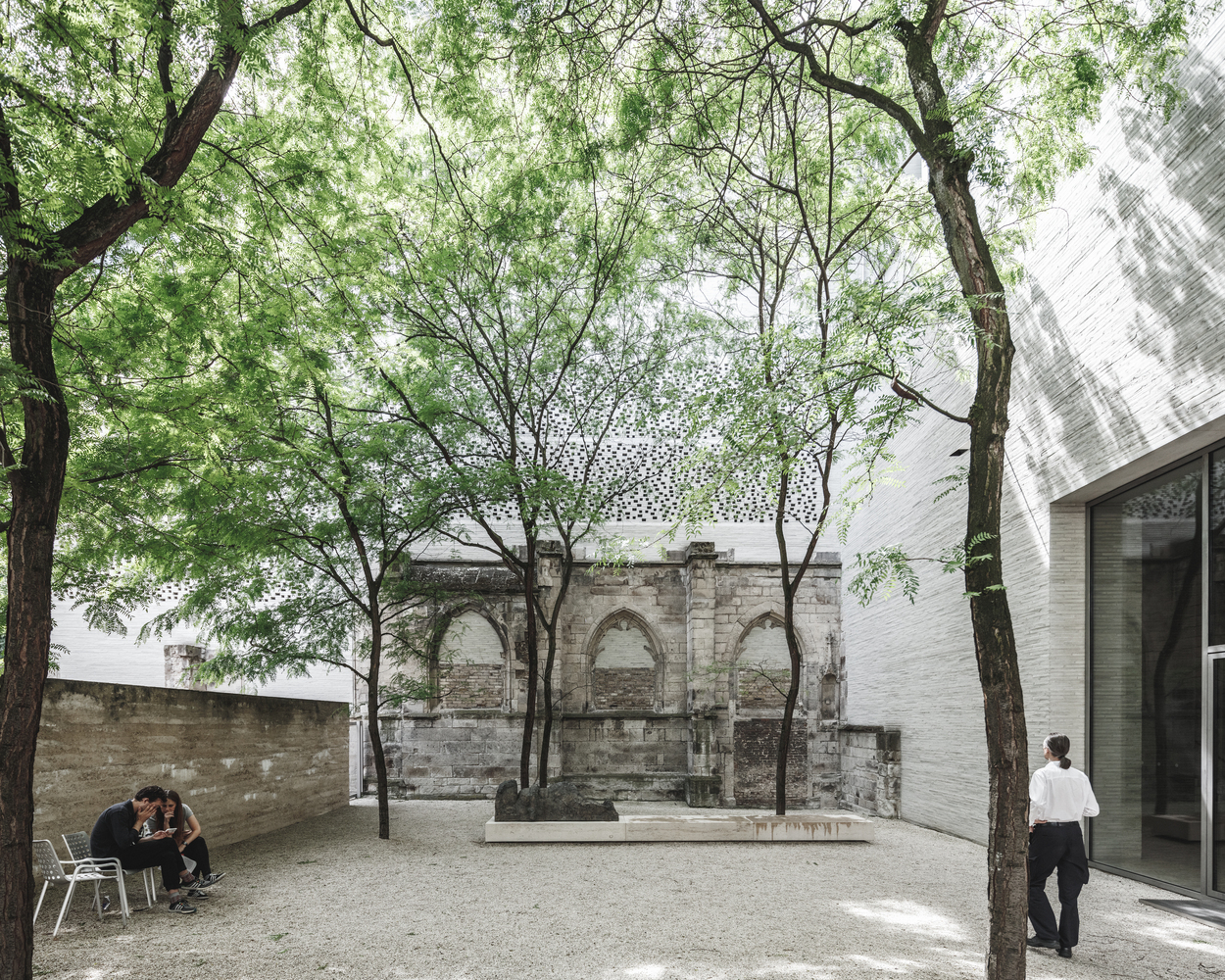
True ingenuity in architecture lies in negotiation with the past rather than erasure, as demonstrated by the Trace project in London.
Craft is often defined as skill in making things by hand, but this interpretation is being challenged by AI. Craft transcends physical interaction; historical figures like Mozart and Beethoven exemplify mastery without traditional methods.
The financial accounts kept by the fabrique for Girona Cathedral provide exceptionally detailed records, allowing historians to calculate the total number of workers and the average employed per year.
From unassuming hunks of Carrara marble and limestone, Matthew Simmonds carves realistic, miniature gothic cathedral arches, stairwells, and colonnades. Often based on architectural details of real places, such as cities around Tuscany and Germany's Bamberg Cathedral, the sculptures portray intimate details of corners, vaulted ceilings, arcades, and stairwells that can sometimes be peeked through additional apertures.
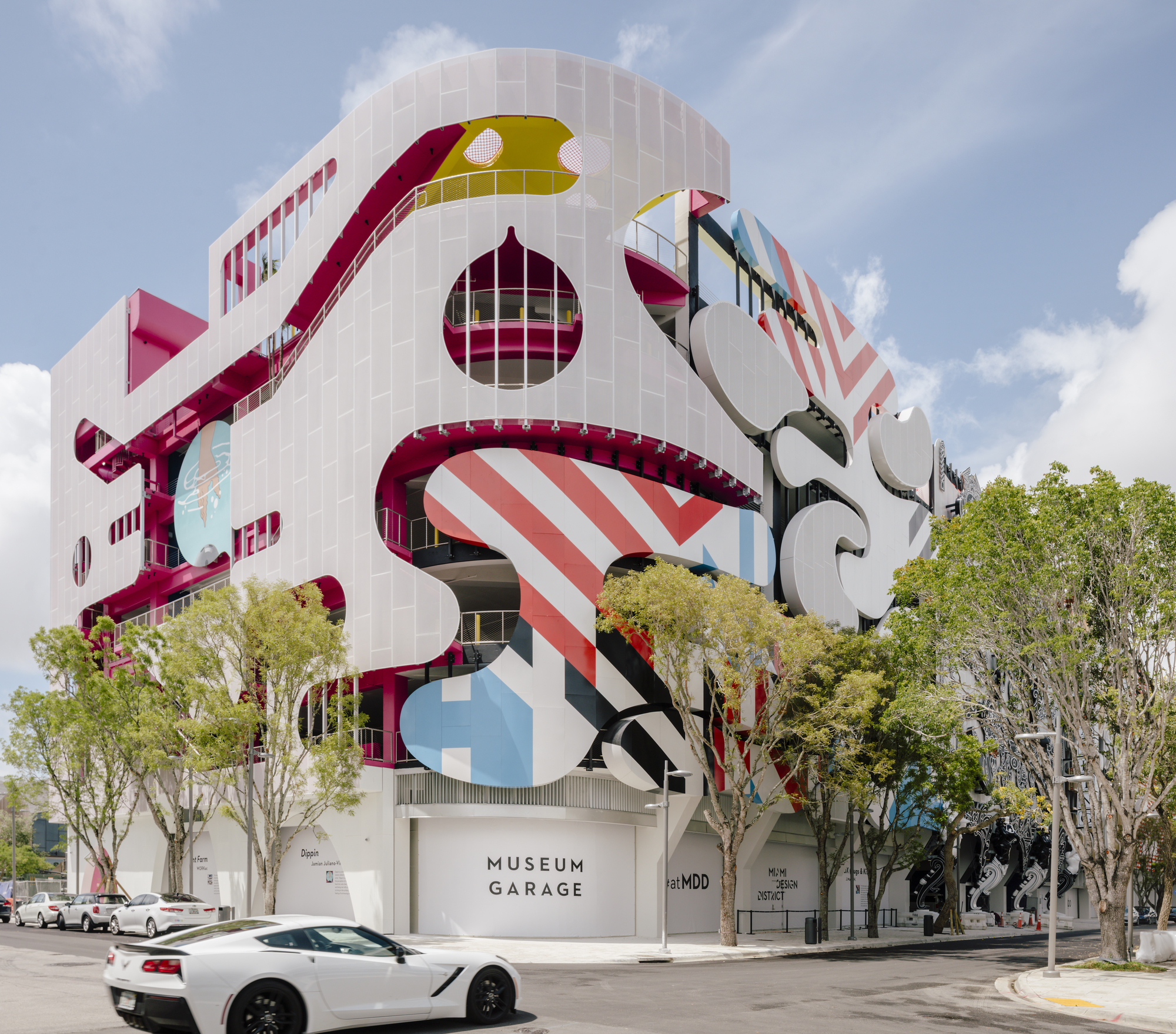
The contemporary technology museum has emerged as a performative participant in the systems it seeks to document. The architecture of these institutions has become increasingly fluid and bold, often mirroring the velocity and complexity of the systems it houses. They operate as mediators between the human, the ecological, and the technological realms, transforming from encyclopedic warehouses into active educational engines.
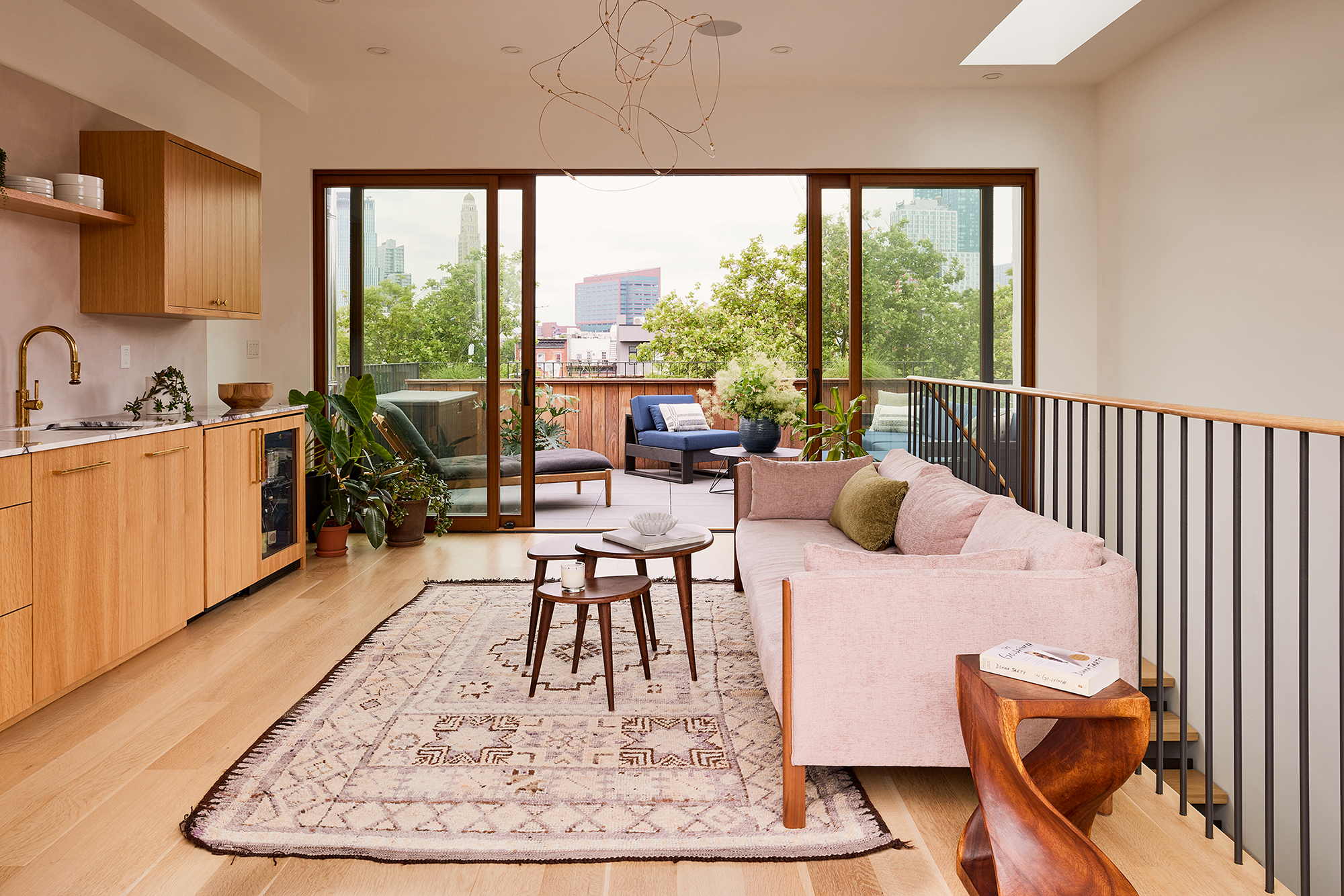
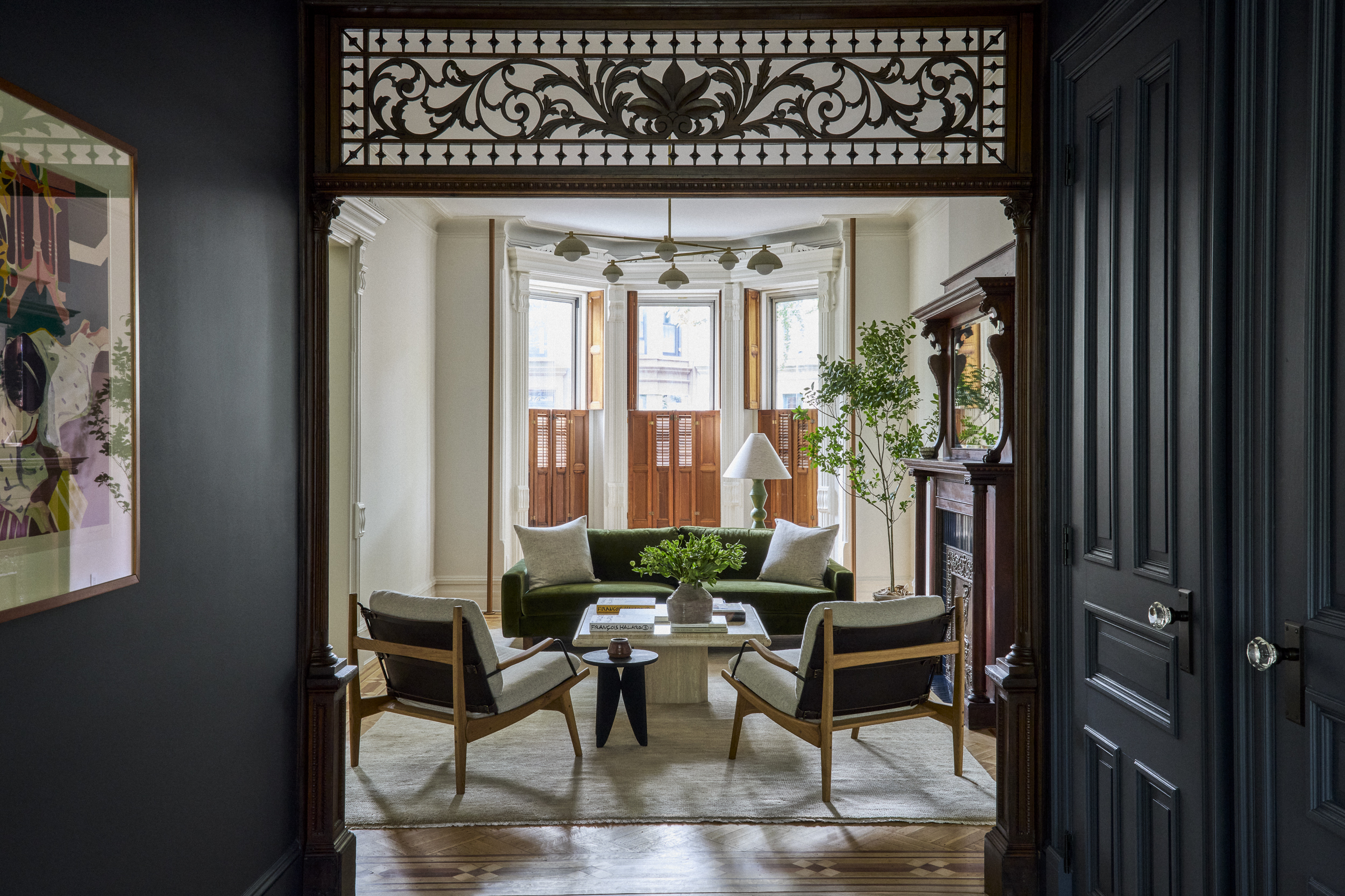
Our first step was coming up with a floor plan based on our clients' lifestyle. We saw that we could create a guest room/den in the front and a generous primary suite and nursery in the back, with two full bathrooms in the middle within the same footprint where there had been one large central bath.
When the Woolworth Building was constructed in 1910, owner Frank Woolworth and architect Cass Gilbert wanted to make the structure fireproof. With the recent tragedy of the Triangle Shirtwaist Fire and the memory of the Great Fire of New York City in 1835 in mind, every precaution was taken to ensure that the "Cathedral of Commerce" would not succumb to a similar fate.
Designed by noted residential architect Roland E. Coate, the home was built in 1926 for Annie Wilson, daughter of pioneering Southern California businessman and politician Benjamin Wilson, for whom Mt. Wilson is named. The gently sloping 1-acre-plus property was once part of the vast holdings of George S. Patton, father of the famed U.S. general.
Heritage is usually catalogued by what can be drawn, not by what changed temperature. In heat, buildings are learned first through skin, only later through sight. Generations learn, through their bodies, what works. Shade reduces glare and radiant heat. Air movement shifts perception by several degrees. Thick walls slow temperature swings.
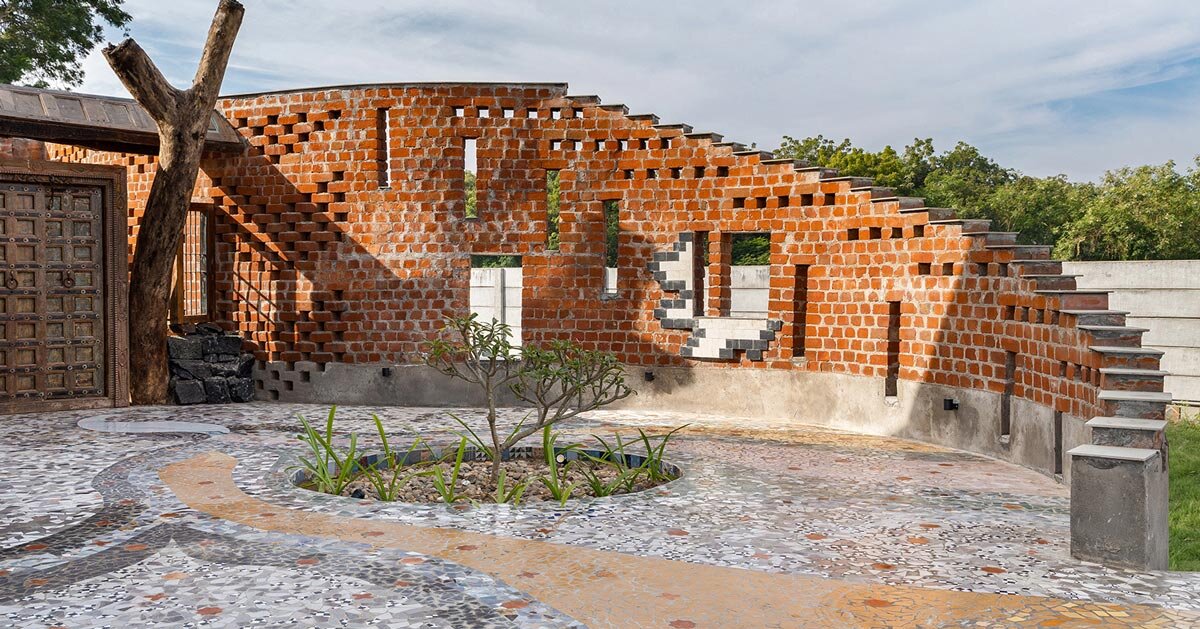
Rather than representing a simple return to the past, this renewed interest reflects a broader reconsideration of how architecture engages with materials, local resources, and environmental conditions.
In a white and sterile office that could belong to any one of the warehouses that dot this industrial strip between Brisbane's airport and horse-racing precinct, a young woman is engrossed in a puzzle. Only this puzzle comprises, perhaps, three different sets, each almost (but not quite) identical to the other and none likely to be completed. Emily Totivan wears blue plastic gloves. She is an archaeology student helping to catalogue artefacts.
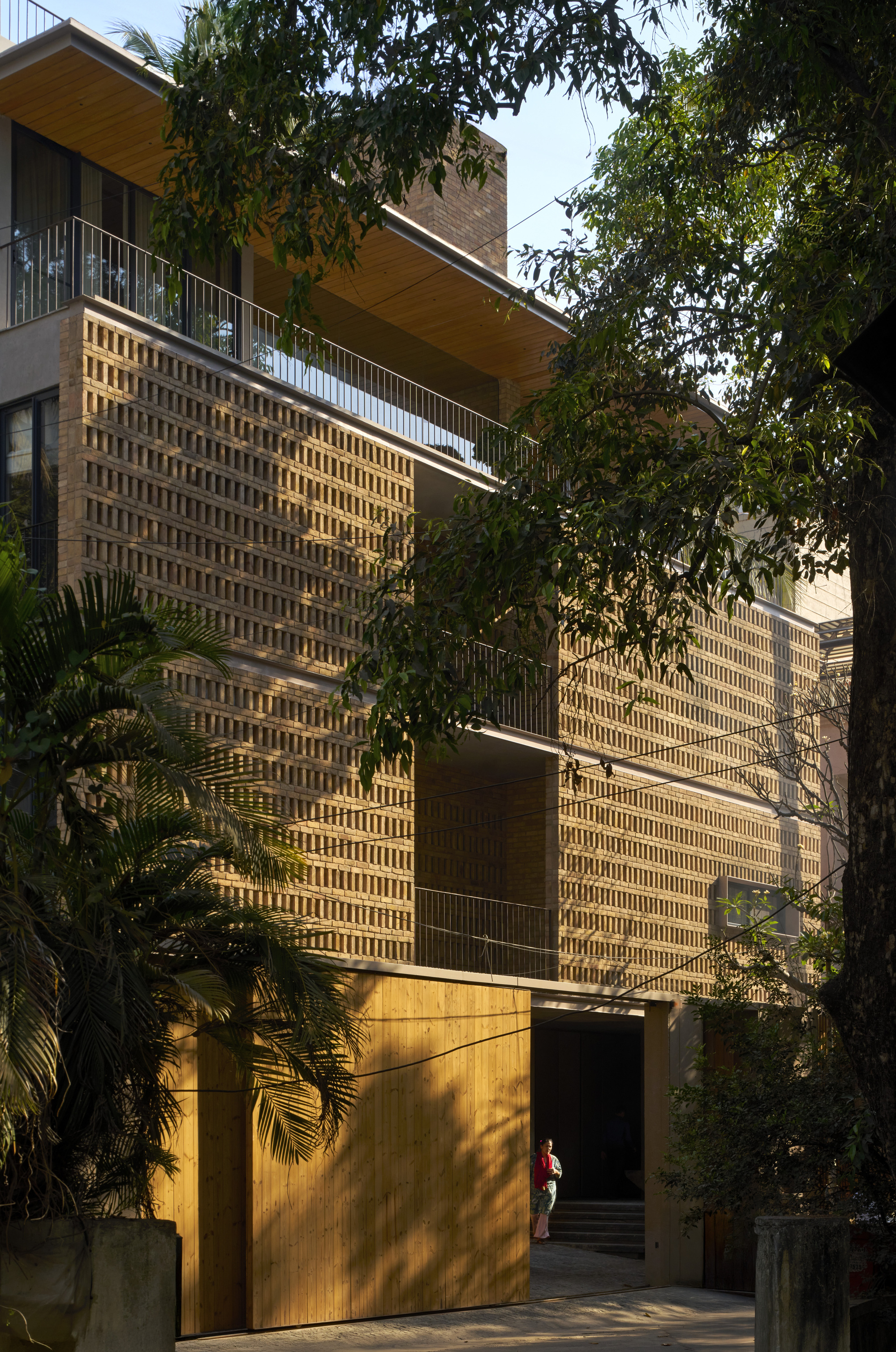
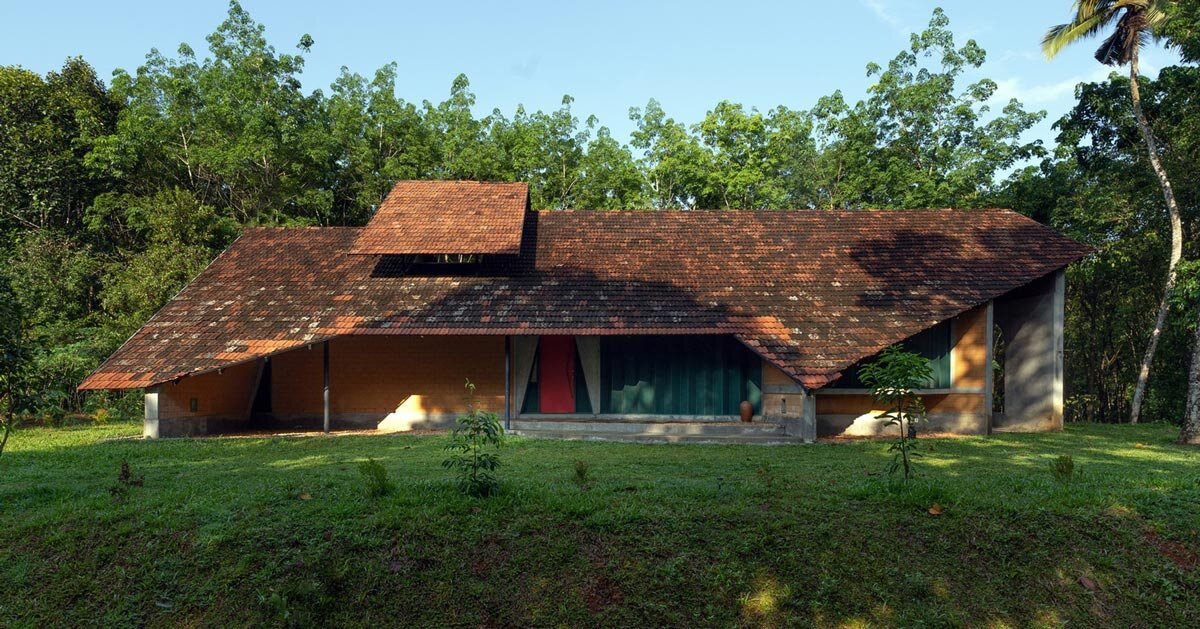
Rural construction is mostly spontaneous, giving rise to a rich diversity of built forms. Within this organic complexity, our strategy is not to assert ourselves through contrast, but to inhabit the context with quiet modesty.
Over decades, concrete, block, stone, and brick foundations naturally weaken as mortar joints decay, tie-rod holes rust out, and block cavities collect moisture, creating new leak paths that didn't exist when the home was built. When looking at a concrete foundation, it isn't a matter of IF it will leak, but WHEN it will leak.
As the weights touch, they get a bit musical and there's a kind of harmonic ring in your wall. It's like the house is alive. But with soulful age come other sounds: rattles, wind whistling through gaps and a homeowner's curses because the blasted contraptions won't open and close properly.
Located on the outskirts of Mayiladuthurai in Tamil Nadu, , Paati Veedu by Koodu Architecture is a compact rural developed under financial constraint and material limitation. Built on a 1,200-sqft site within a neighborhood of small houses and agricultural fields, the project is defined by , adaptation, and resource-conscious construction. The house was constructed using 10,000 accumulated over time by the client, forming the primary material basis for the design.
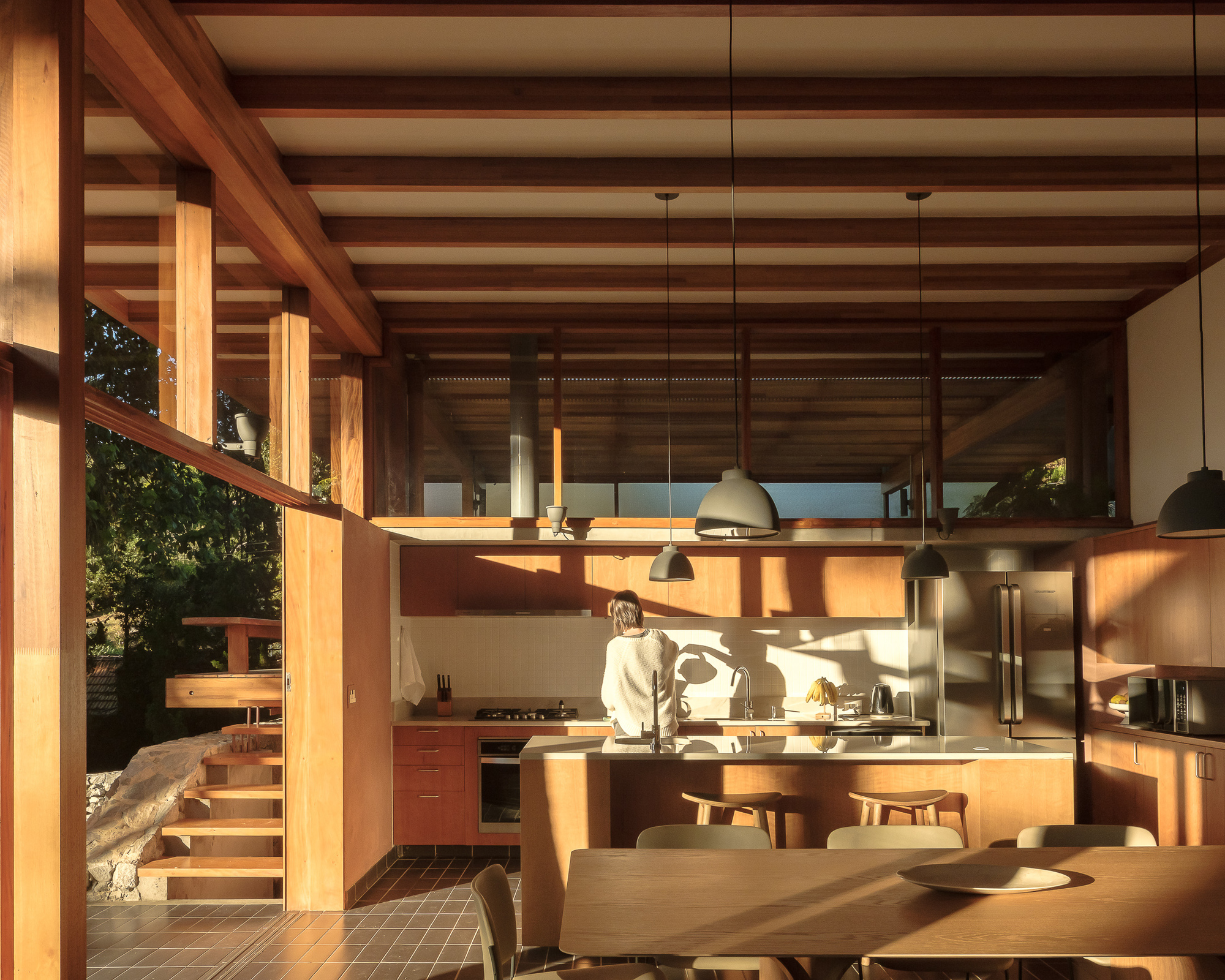
When we first visited the site, what struck us the most was that after emerging from a narrow alley, an extraordinary view opened up toward one of the slopes of the Tepozteco mountain range. These rock formations are emblematic of the region, and the land ends precisely at the base of this dramatic topography. From the very beginning, one of our main concerns was to ensure that every room-whether for gathering or resting-could enjoy this privileged view.
When Sean Spellman opened Dawnlands in Westerly, Rhode Island, last year, it was more than just a new address on the map. Conceived as an art gallery and gathering place, Dawnlands was built entirely by Sean and his family-no contractors, no designers, no outside help. Each board and bench was made with intention, using local pine and sensibility shaped by Japanese, Scandinavian, and coastal Californian influences.
Heritage sites constitute complex spatial archives in which architecture, history, and collective memory converge. They encompass a wide spectrum of contexts-from archaeological remains, ancient and historic townscapes, UNESCO-listed landscapes, to early modern civic structures and industrial infrastructures. Yet these environments confront challenges: climate change, urban transformation, disaster, shifting social needs, and the gradual erosion of material fabric. Revitalization and restoration projects respond to these conditions by positioning architectural and spatial practice as an active mediator between preservation and the contemporary topologies.
Picture this: you're knee-deep in renovation dust, crowbar in hand, when something unexpected tumbles from behind century-old plaster. A yellowed envelope? A strange metal box? That moment when your heart skips because you realize you might have just found something extraordinary. For some lucky homeowners, these discoveries turn out to be worth thousands of dollars, transforming a simple home improvement project into an unexpected treasure hunt.
Ba-rro: "Our starting point is always the context and what already exists." We are interested in recognizing the value of things simply because they are there, without assuming that everything must be preserved as a matter of principle. The question isn't what can be kept, but what deserves to be kept in each specific project. The decision to preserve, reveal, or remove doesn't stem from universal values or a nostalgic impulse, but from a situated interpretation: