#meater-thermometer
#meater-thermometer
[ follow ]
#kitchen-appliances #cooking-tips #kitchen-gadgets #food-safety #food-preparation #air-fryer #grilling
fromTasting Table
1 day agoWhy The 60/40 Rule Is Important For Steak That's Cooked To Perfection - Tasting Table
The 60/40 rule helps achieve those goals. It states you need to cook your steak for 60% of the full cooking time on one side, then flip and cook the other side for the remaining 40%.
Cooking
fromTasting Table
1 day agoStop Chicken From Sticking On The Grill And Lay It On The Grates Like This - Tasting Table
To prevent chicken from sticking to the grill, ensure the grate is hot and greased. Preheating the grill allows for a good sear, which helps the chicken contract and release from the grate.
Everyday cooking
Remodel
fromTasting Table
1 month ago'Burping' Isn't Just For Infants. Turns Out It Benefits Your Kitchen, Too - Tasting Table
House burping, a trend of regularly ventilating homes by opening windows and doors, originated in Germany centuries ago and may help reduce mold and improve indoor air quality.
Marketing tech
fromSearch Engine Roundtable
1 month agoGoogle Testing AI Mode Recipe Widget That Sucks Searchers Into AI Frankenstein Recipes
Google is testing an AI Mode widget in search results that redirects users to AI-generated recipes containing errors, unauthorized content usage, and improper citations.
Gadgets
fromLondon Business News | Londonlovesbusiness.com
2 months agoUsing instant read thermometers for better meal prep - London Business News | Londonlovesbusiness.com
An instant-read meat thermometer delivers fast, accurate internal temperature readings to ensure safe, consistent, and perfectly cooked meats and other foods.

fromTasting Table
2 months agoThe Prime Rib Rule Experienced Cooks Swear By For Perfect Results - Tasting Table
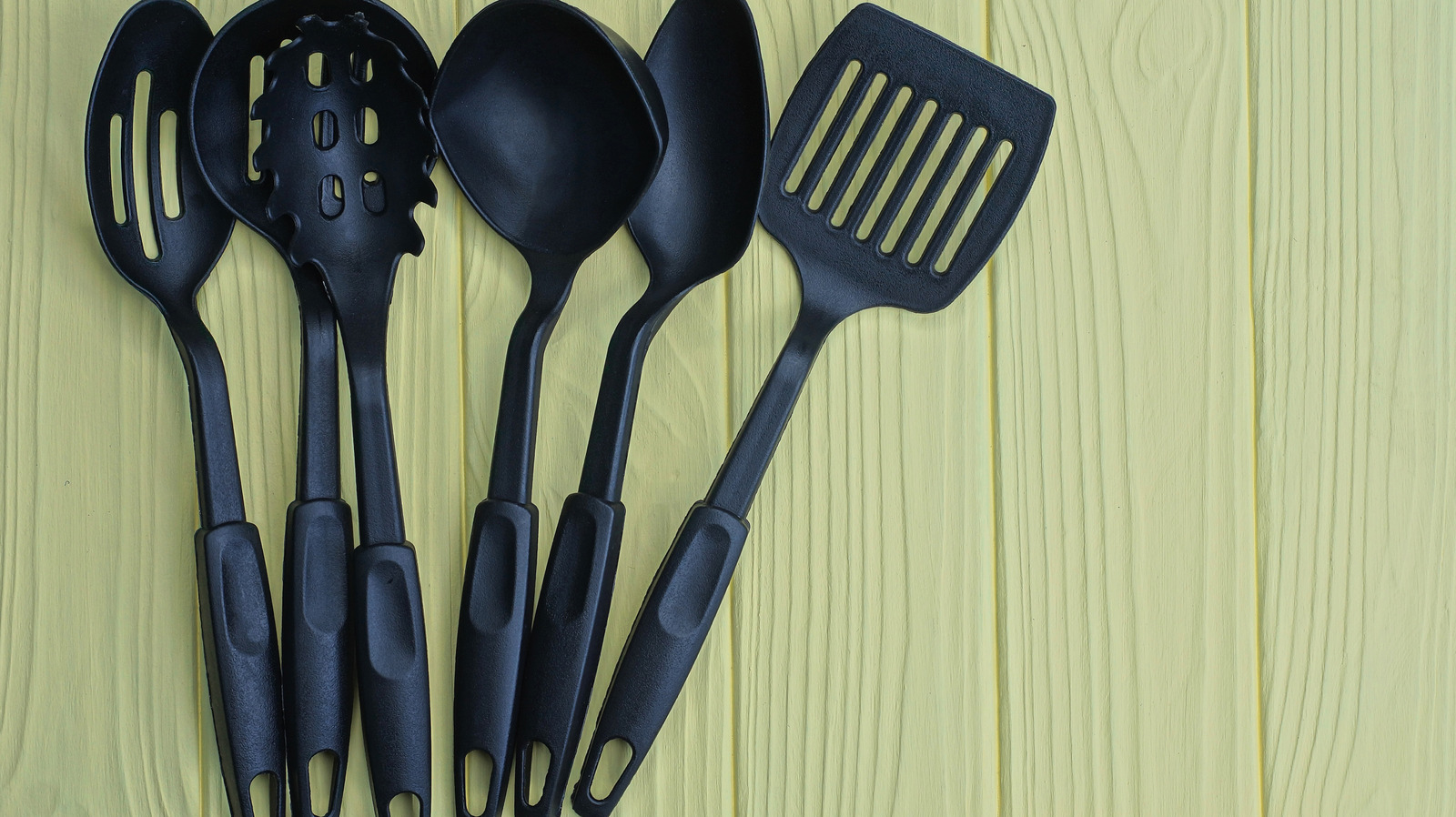
Prime rib is one of those dishes usually reserved for special occasions and holiday meals, and for good reason. The cut of beef from atop a cow's rib bones is known for its undeniably tender and juicy texture. However, large cuts of beef can easily turn chewy or overcooked if you're not vigilant while they cook in the oven. This means watching factors like time and temperature.
Food & drink
Productivity
fromSilicon Canals
2 months agoMy most effective work tool isn't on my computer-it's a device designed for cooking - Silicon Canals
A kitchen timer enables focused, distraction-free work by providing a simple, single-purpose tactile cue that increases commitment during timed work sessions.
Cooking
fromZDNET
2 months agoStop gambling with your food: This $130 gadget put an end to cooking anxiety for me
Meater Pro's multi-sensor wireless probe and app deliver precise internal and ambient temperature readings, enabling consistently juicy, perfectly cooked meats with rechargeable and AAA power.
Everyday cooking
fromTasting Table
1 month agoSkip The Microwave And Reheat Leftovers This Way For Even Heating - Tasting Table
Convection ovens reheat leftovers more effectively than microwaves by circulating hot air for even heating and crispy exteriors, and air fryers function as accessible convection ovens for home kitchens.
Everyday cooking
fromwww.mercurynews.com
1 month agoThese dual fuel ranges offer the ultimate cooking precision
Dual fuel ranges combine gas stovetops with electric convection ovens, offering precise temperature control and versatile cooking capabilities including roasting, baking, air frying, and broiling.
fromYanko Design - Modern Industrial Design News
2 months agoDigital Cookbook Stand Weighs Ingredients and Checks Temperature - Yanko Design
Recipe apps live on screens while the physical tools that actually make food better are scattered across drawers and cupboards. Your phone is propped against a mug, your scale is buried somewhere, and you are guessing at temperatures because the thermometer is never where you left it. Most digital cooking tools ignore the reality that kitchens are crowded, messy spaces where the tools you need for precision are rarely connected to the guidance telling you what to do.
Cooking
fromTasting Table
2 months agoIkea's 3-In-1 Microwave Can Grill, Cook, And Air-Fry (And It's Not As Pricey As We Thought) - Tasting Table
This 37-pound, 900-watt microwave is just a hair over 11 inches tall and 19 inches wide, making it convenient for tucking away underneath overhead cabinets or in small kitchens where multiple bulky appliances wouldn't fit. It air-fries, microwaves, and grills - and perhaps best of all, costs under $200. Each purchase comes with a 5-year limited warranty, as well as an air-frying grid, grill grid, and 10 cooking presets, making it an excellent value for the price.
Gadgets
fromTasting Table
1 month agoYour Candle Warmer Could Be Warming Up Sauces, Tea, And Chocolate Too - Tasting Table
A candle warmer can provide much slower, steadier heat. Just place your bowl onto the warmer and stir the chocolate gradually until it reaches your desired consistency. You'll get smooth results every time because you can control every second of the process. This also avoids any potential of the chocolate coming into contact with water, which can turn chocolate into a gritty mess.
Cooking
fromTasting Table
1 month agoA Personal Chef Explains The Problem With Eggs And Cast Iron - Tasting Table
Whether donning an apron at home or in a Michelin-starred restaurant, pretty much everyone agrees on the merits of cooking with cast-iron pans. They've been around for generations, passed down like an heirloom and fired up for all kinds of meals, from everyday comfort food to special company-is-coming fare. But there's one thing that needs to be acknowledged: it's not ideal for everything - specifically, cooking eggs.
Cooking
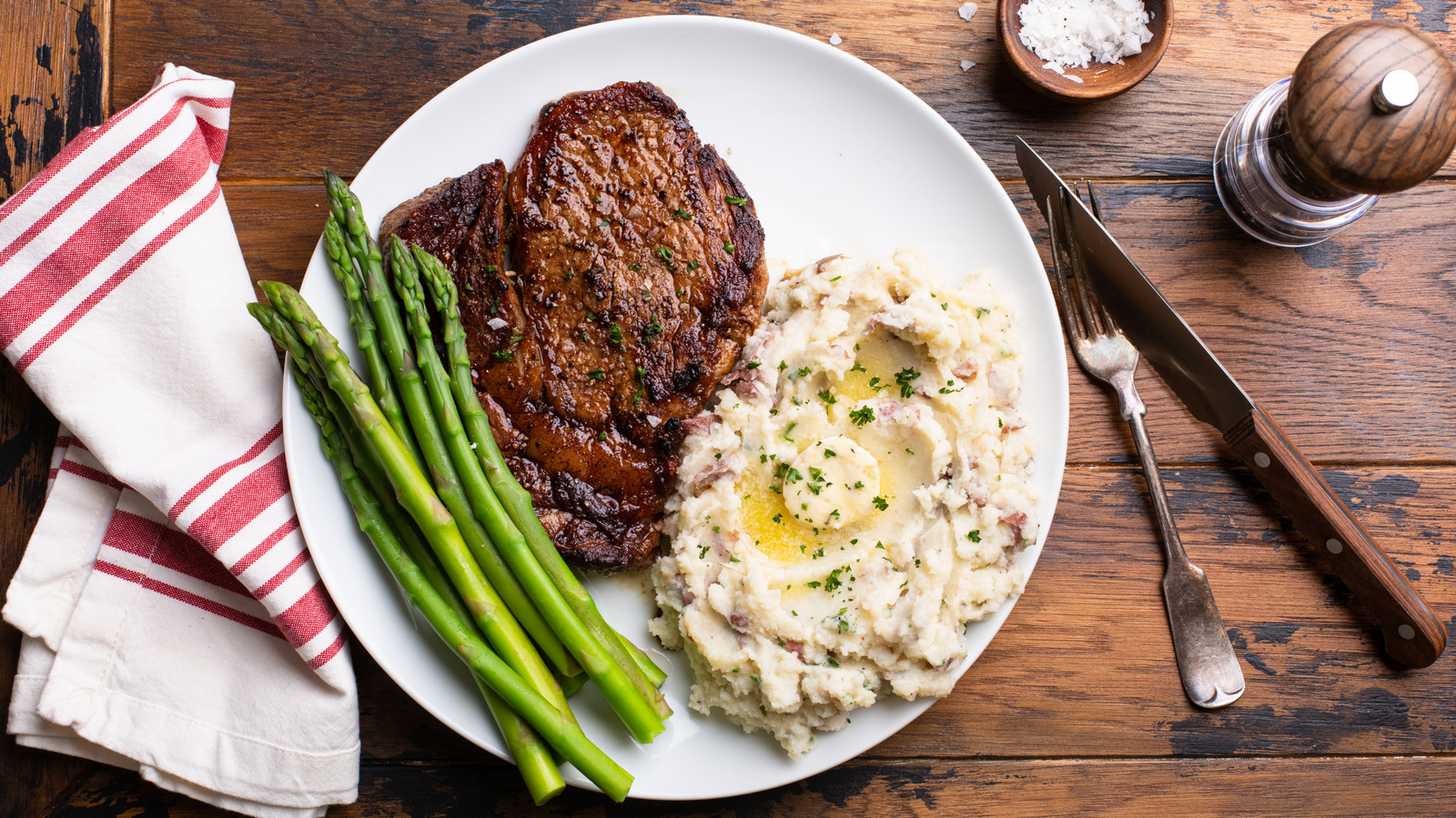
fromTasting Table
1 month agoThis Genius Tool Solves The Mixing Bowl Problem Every Cook Knows - Tasting Table
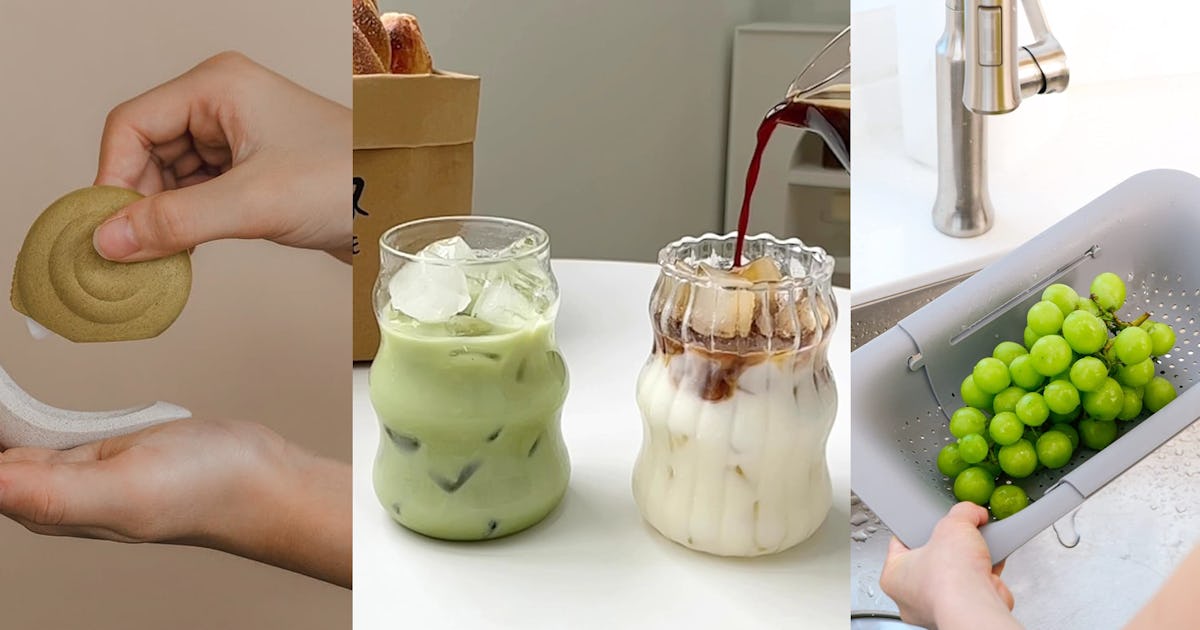
If you've ever mixed something vigorously in a large bowl during a cooking project, you have probably experienced the universal frustration of a tilting, wobbly bowl. Maybe you're whipping cream by hand, whisking a vinaigrette, or even just beating eggs for a casual, but perfect, omelette, and notice the bowl starts migrating across the counter. There are some low-tech workarounds, like a damp towel or a silicone mat slipped underneath the bowl. Neither works terribly well, especially with super-slippery granite countertops.
Cooking
fromTasting Table
1 month agoA Complete Guide To Steak Marbling - Tasting Table
For many beef lovers and chefs, marbling is one of the most important aspects of steak quality. Unlike the thick fat cap found on the outside of a piece of steak, marbling refers to the streaks of intramuscular fat dispersed within the lean muscle of beef. This is integral to an elevated steak-eating experience. As the steak cooks, the fat melts, basting the meat from the inside, leaving you with a flavorful and tender piece of meat.
Cooking
fromTasting Table
1 month agoWhy You Should Salt Your Chicken A Day Before Grilling - Tasting Table
Among the many tips for making the absolute best grilled chicken, one vital step is to salt your chicken at least a day prior to grilling. Known as dry brining, this technique is important to let the flavors and tenderizing effects of the salt fully permeate your chicken to give it an optimal taste and texture when grilled. Though similar to a marinade or wet brine, the difference with dry brining is that it's considerably less messy than a liquid-based brine.
Cooking
fromTasting Table
2 months ago10 Mistakes You Might Be Making With Silicone Lids - Tasting Table
Whether you've lost the lid to your favorite pan or you're trying to use less plastic wrap in your kitchen, silicone lids can play an important role in your kitchen routine. Some of these lids are large enough to cover a pan on the stove, preventing excess moisture from escaping. Others are smaller and are ideal for covering cups, bowls, and food storage containers that don't have tops.
Cooking
[ Load more ]