#pink-bracket
#pink-bracket
[ follow ]
#design #typography #ai #user-experience #design-systems #creativity #product-design #graphic-design #art
Bicycling
fromYanko Design - Modern Industrial Design News
4 days agoThis Bike Cargo System Gives Your Bike a Face With 12 Color Zones - Yanko Design
Chamelion offers a modular, customizable cargo system for bikes that enhances aesthetics and functionality, treating cargo gear as part of the bike's identity.

Web design
fromYanko Design - Modern Industrial Design News
1 week agoPixel 10a Just Proved a Smartphone Color Can Actually Mean Something - Yanko Design
Google's Pixel 10a Isai Blue celebrates individuality through a unique color and exclusive designs by artists with disabilities, marking a significant cultural expression.

#graphic-design
Graphic design
fromdesignboom | architecture & design magazine
6 days ago100 hand-traced coastal stones form a graphic identity system before returning to the sea
Wenbin Li's project transforms collected stones into a unique graphic identity system through hand-traced silhouettes and various visual treatments.


Graphic design
fromdesignboom | architecture & design magazine
6 days ago100 hand-traced coastal stones form a graphic identity system before returning to the sea
Wenbin Li's project transforms collected stones into a unique graphic identity system through hand-traced silhouettes and various visual treatments.
Design
fromdesignboom | architecture & design magazine
3 weeks agoa rich palette of saturated hues meet industrial precision in mara's renewed digital identity
Mara enters 2026 as a global interior design protagonist, expanding from office and hospitality into residential markets while strengthening its digital identity and sustainability commitment.
Typography
fromItsnicethat
4 weeks agoEleanor Yang merges the synthetic and organic to make typography you can touch
Synthetic Nature presents three typefaces—DNA, Mesh, and Data—that metaphorically represent life through biological, network, and computational structures, exploring how biology, computation, and culture merge.
Design
fromYanko Design - Modern Industrial Design News
1 month ago5 Floating Designs That Look Like Photoshop (But They're Real) - Yanko Design
Floating design lifts architectural elements from the ground to create visual lightness, spatial clarity, and refined interventions that balance engineering precision with aesthetic intent.

fromSubstack
1 month ago20 Design Reference Platforms Beyond Dribbble
Static images don't show motion. You can't inspect real product structure. You don't see how interfaces evolve over time. You rarely understand what actually works in production. So I decided to go deep. I reviewed every major design reference platform I could find - not just the popular ones - and analyzed how they actually help in real-world work. The conclusion?
Mobile UX
fromMedium
2 months agoDesigning useful ads
We've both fought against needless promotional content before and lamented that frontier AI platforms are falling into the same pattern. As designers and users, we've learned that "free" usually means putting up with interruptive, slightly creepy ads that feel more like a tax than a benefit - a frustration tax that now colors how we approach free‑tier services and now AI tools.
Artificial intelligence
fromItsnicethat
4 weeks agoAbstracted organica: The design trend taking root in Naarm, and the designers doing it best
The ridges of eucalyptus bark, the geometries of shell formations, moss-covered trees, Indigenous grasslands and the hidden networks of fungi beneath the soil. These landscapes produce organic yet abstract patterns - natural systems that quietly shape the way we see and design the world around us.
Graphic design

fromItsnicethat
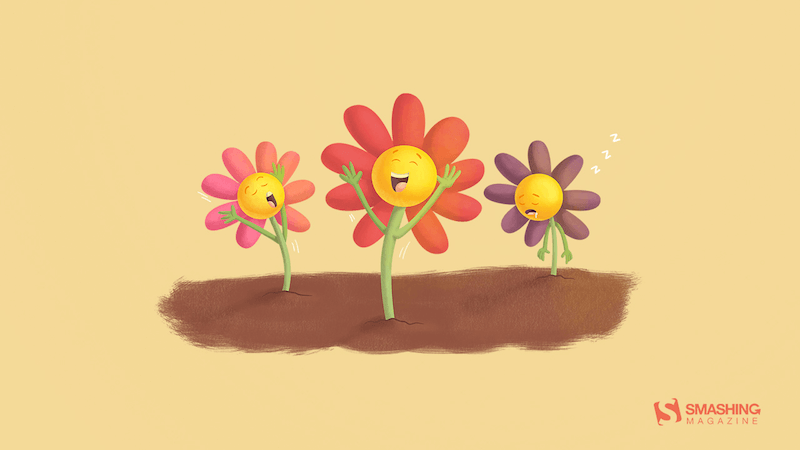
2 months agoThe experimental graphic design work of Ward Goes sits at the intersection of type and materiality
A graphic designer that isn't limited to working in 2D, Ward Goes has been working in aluminium of late. His recent solo show in Rotterdam, Literally Anything, was full of things that moved beyond the screen or printed page, including some wonderful metal signage and archival storage. The exhibition at Alley Space was the result of the designer's decision to pursue more tactical investigations alongside his commissioned work at the start of 2025.
Typography
fromI Love Typography Ltd
5 months agoILT Blog Redesign - I Love Typography Ltd
The main problem with the existing homepage was that, besides the most recent posts, other content, once it aged and 'fell off' the front page, was then difficult to discover. The new design makes more use of available screen 'real estate', is visually much richer, and reorganizes 18 years of posts, so that even older long-forgotten posts are more easily found.
Graphic design
fromItsnicethat
1 month ago"A poster is a bit like a song": Jakub Zasada's geometric works are a thing of beauty
Jakub Zasada creates midcentury-inspired digital posters using minimal software functions and scanned materials, prioritizing functional design for public spaces with universal accessibility.
Design
fromItsnicethat
1 month agoVisual communication that challenges convention: Phantasia on how graphic design can forge true collaboration
Phantasia, a Barcelona-based design studio founded in 2021, prioritizes meaningful projects that serve communities through intentional collaboration, diversity, and accessible communication.
fromdaverupert.com
3 months agoUsing your design system colors with contrast-color()
One predictable pain point with contrast-color() is that it only returns black and white named colors. From a design systems perspective, that's not ideal because you want your colors. You want your harmonious brand and the colors you and your team spent thousands of man hours in meetings deciding on. Those colors. In fact, an earlier version of Safari had color-contrast() (confusing I know, naming is hard) which allowed you to pass in a list of best candidates to choose from. I beleive that proposal got mired in standards discussions, color contrast algorithms, and competing proposals; and contrast-color() is what survived which got simplified down to a binary result.
fromMedium
2 months agoClarity or Conformity? Rethinking the Rules of Content Design
In Andor, I got chills when Mon Mothma warns the senate of a chilling truth: When we let noise, conformity, or fear dominate, we lose sight of what matters. We risk allowing the loudest voices, often the safest, the most predictable, to drown out individuality, identity, and truth. To me, this line... This line echoes a growing tension I feel in content design.
UX design
fromblog.logrocket.com
2 months agoLinear design vs. minimalism, brutalism, and neumorphism - LogRocket Blog
Linear-style UIs look simple, but the theming system has to do real work. Here's how to meet WCAG 2.2 contrast requirements across light, dark, and high-contrast modes whether you're using a UI library or rolling your own tokens.
UX design
[ Load more ]