Medicine
fromwww.scientificamerican.com
2 days agoChronic pain is not just in your head, but it is in your brain
Chronic pain affects 24% of U.S. adults, complicating diagnosis and treatment despite its prevalence.
After 40, stress physiology changes. Recovery slows. Hormonal responses linger longer. Sleep disruption compounds more quickly. Cognitive fatigue accumulates across weeks instead of days. Entrepreneurs, in particular, face chronic cognitive load: constant decision-making, emotional responsibility for teams, financial pressure (from investors, shareholders, and stakeholders), unpredictable stress cycles that follow you home to your family.
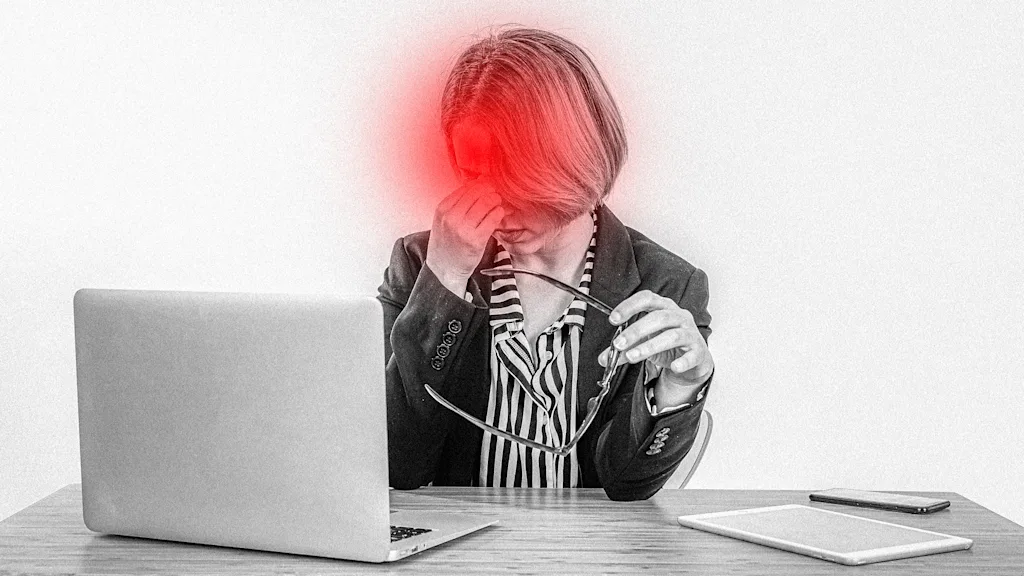
Actually, it makes perfect sense once you understand what's really happening in your brain. After spending months unemployed following media layoffs, I became intimately familiar with this paradox. Days spent scrolling job boards and refreshing email left me more drained than my busiest workdays ever had. The exhaustion wasn't physical-it was something deeper, something that sleep couldn't fix.
Last year, I found myself dragging through my days like I was moving through molasses. Four cups of coffee barely made a dent, and by 3 PM, I'd be fighting to keep my eyes open during meetings. I blamed it on everything - stress from deadlines, maybe not sleeping well enough, or just getting older. But when my doctor ran some routine blood work and mentioned my magnesium levels were surprisingly low, I had one of those lightbulb moments.

Emotional exhaustion is that feeling you get in the lead-up. That sense of dread in the morning... All the things you used to do absolutely fine and in your stride suddenly feel like you can't cope with them. A lot of people talk about this inability to concentrate, which impacts the ability to make even small decisions, like not being able to think of what to wear.
That sounds impressive; however, the devil is in the details that the popular media completely ignored. For example, only 11 of those studies were focused on depression. The authors concluded that exercise had a medium effect on depression. It is impossible to know how a "medium" effect compares with drug therapy since the studies were not head-to-head comparisons. The study also reported that exercise benefited many other health conditions, including HIV or kidney disease, various mental disorders, and cancers.
Healthcare spending in the United States continues its upward climb, approaching $5 trillion annually in 2023. Employer-sponsored family plans now average $27,000 per year, placing mounting pressure on households and businesses. Yet despite this spending, the country's health outcomes remain far from world-leading. The latest OECD data show U.S. per-person spending is roughly twice the OECD average, with Switzerland and Germany trailing behind as the next highest spenders.
Your brain accounts for roughly 2% of your body weight but consumes about 20% of your daily energy. That consumption isn't evenly distributed across all mental activities. Focused, voluntary attention (the kind you use when navigating a rocky trail or solving a puzzle you care about) draws on neural circuits that are remarkably efficient when properly engaged.