#roman-reuse
#roman-reuse
[ follow ]
#architecture #sustainability #adaptive-reuse #residential-architecture #design #public-space #renovation

#architecture

Renovation
fromYanko Design - Modern Industrial Design News
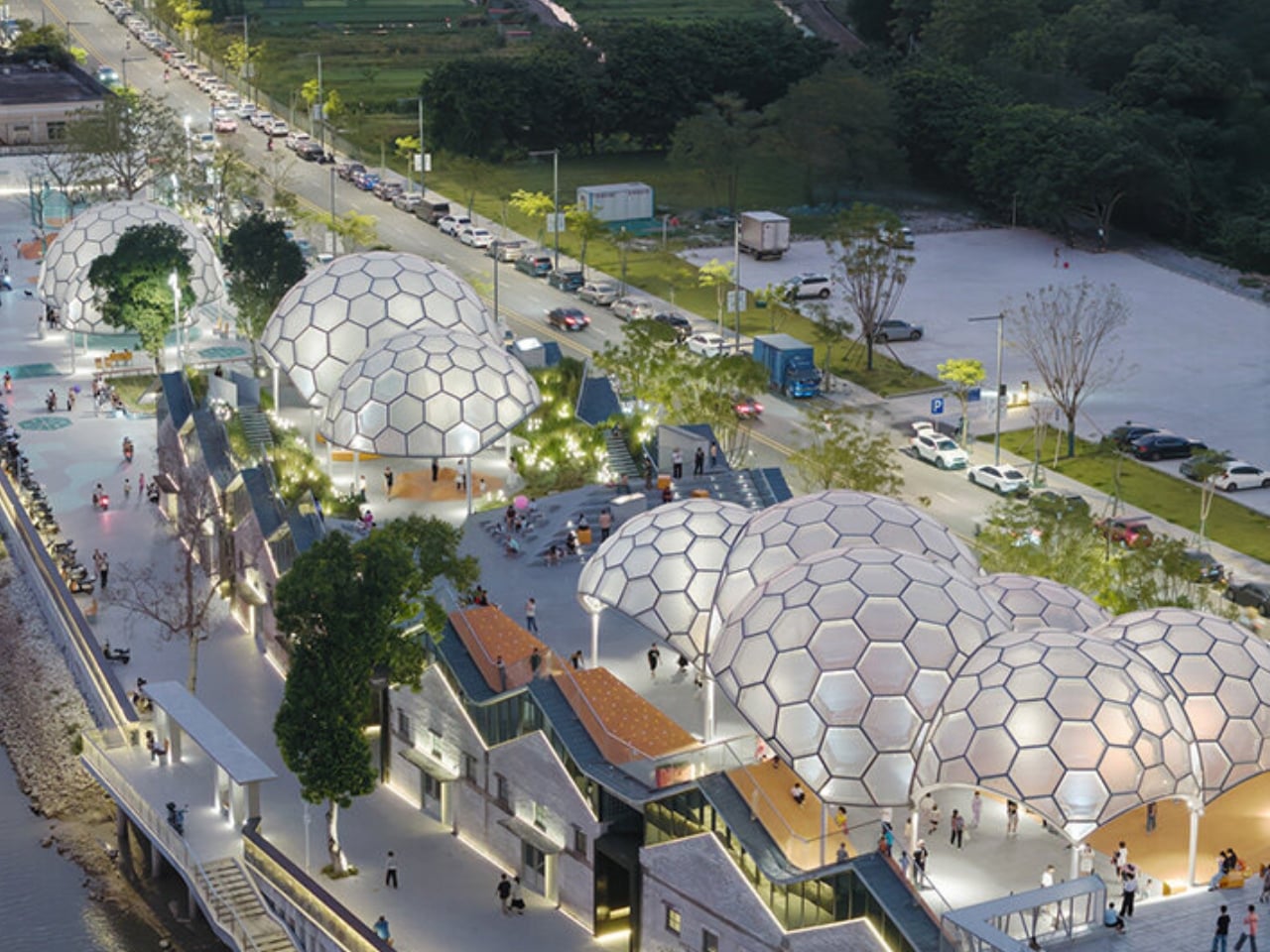
46 minutes agoFoshan's Forgotten Warehouses Got a Rooftop Park Under Floating Domes - Yanko Design
Yongping Warehouse Renovation transforms derelict grain storage into a poetic architectural space with thoughtful design and public accessibility.
fromApartment Therapy
3 days agoAn Interior Designer Spent 11 Years Slowly Renovating This 125-Year-Old Brooklyn Townhouse
When we saw this home - with its east-west exposures and windows that could be seen on both sides - we were immediately sold. It was the third house we looked at, and we were so lucky the owner accepted our offer. It was a very competitive moment for home sales in the neighborhood, and the fact we were able to make it happen felt like a dream.
Remodel

fromConde Nast Traveler
1 week ago7 Rome Airbnbs Where You Can Wake Up to Views of the Colosseum
Only in Rome can you take your morning espresso with a view of one of the Seven Wonders of the World. There's something kind of glamorous-tongue-in-cheek, even-about casually waking up in a cozy Airbnb and opening your eyes to a site where hundreds of thousands of brave gladiators engaged in combat for over 350 years.
Berlin
fromArtnet News
1 week agoColosseum Facelift Restores Ancient Southern Entrance to Its Former Glory
"[The project] has finally restored the perception of the monument's original size and floor level," architect Stefano Boeri said in a statement. "It also offers the public the opportunity to approach its walls and imagine the rhythm and sequence of the ambulatories and arches, now lost. It's a respectful and useful project that completes research carried out by the archaeologists of the Colosseum Archaeological Park."
Arts
fromSustainable Bus
1 month agoThe first of 121 new CAF Urbos trams arrives in Rome for ATAC
The first of the 121 Urbos models that CAF will deliver to ATAC has reached the Italian capital and will transform the city's rail-based public transport. The total investment amounts to more than €450 million. Numbered in the 9300 series and measuring 33.5 meters in length, the new vehicle will be able to carry up to 215 passengers, including 68 seated and two passengers with reduced mobility.
Alternative transportation
fromArchDaily
1 month agoArchiving the Technosphere: How Museum Architecture Mediates Human-Made Systems
The contemporary technology museum has emerged as a performative participant in the systems it seeks to document. The architecture of these institutions has become increasingly fluid and bold, often mirroring the velocity and complexity of the systems it houses. They operate as mediators between the human, the ecological, and the technological realms, transforming from encyclopedic warehouses into active educational engines.
Science
History
fromOpen Culture
1 month agoRome in 1890 Captured in Color Photographs: The Colosseum, Forum, Trevi Fountain & More
English gentlemen completed their education through the Grand Tour of Europe, primarily Italy, which profoundly influenced Romantic poets like Byron and shaped their artistic vision of classical civilization in ruins.

fromArchDaily
1 month agoNaples Architecture City Guide: 15 Projects of History, Density, and Continuity
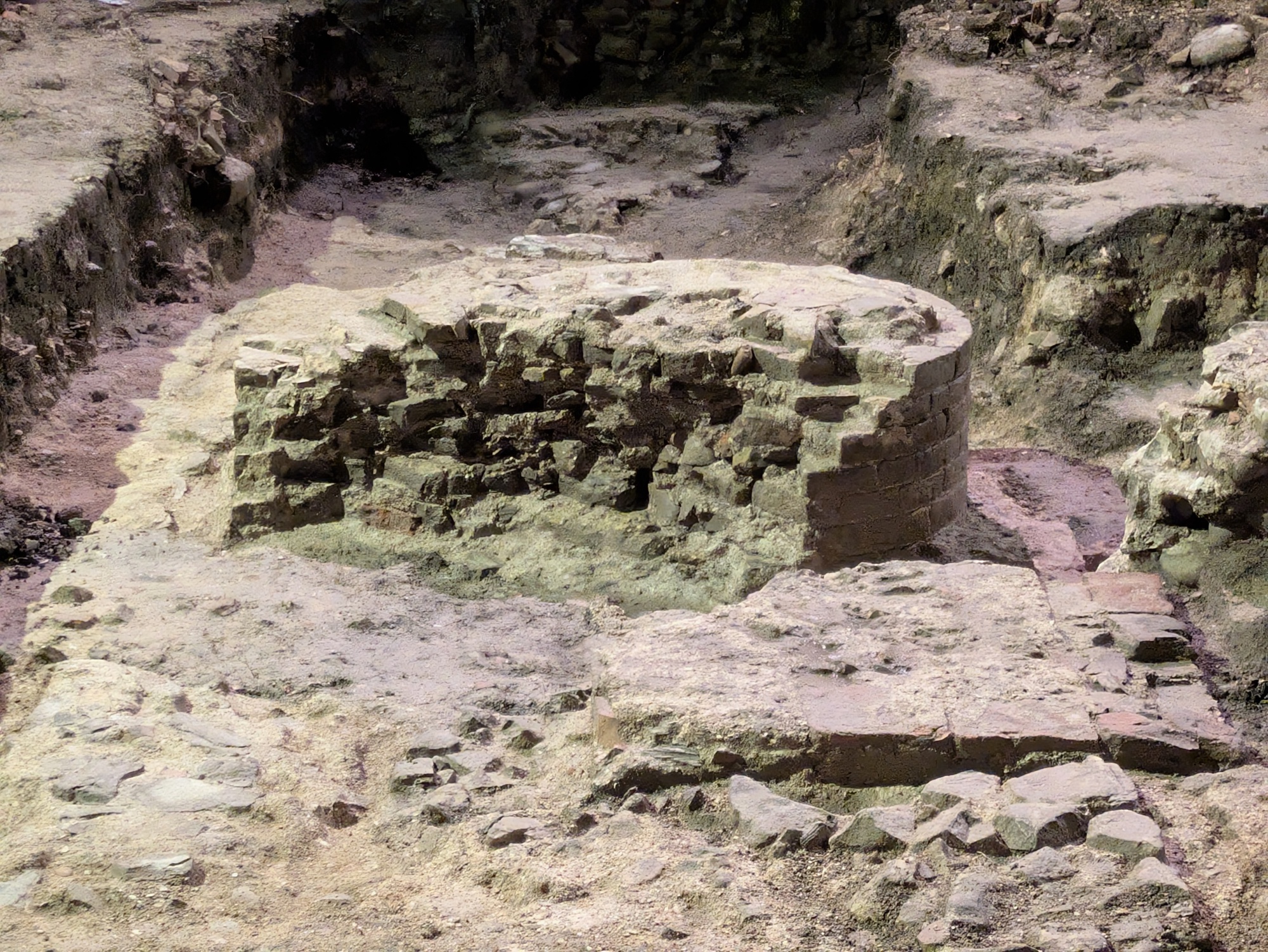
Set on the edge of the Mediterranean and shaped by centuries of continuous occupation, Naples is a city where architecture is inseparable from time. Layers of Greek foundations, Roman infrastructures, medieval churches, Baroque palaces, and Modern interventions coexist within a dense and compact urban fabric. Naples reveals itself as an accumulation of structures, adaptations, and reuse, where buildings are rarely isolated objects and more often part of a larger spatial, social, and historical system.
Miscellaneous
Environment
fromwww.theguardian.com
2 months agoWe can learn from the old': how architects are returning to the earth to build homes for the future
Unstabilised rammed earth provides a low-carbon, locally sourced building method with thermal mass, moisture control and potential for circular construction.
fromdesignboom | architecture & design magazine
1 month agoopen-air museum revives an industrial past through reclaimed materials and sound
The design by 1Y Architects approaches this silence as material rather than absence. Instead of clearing the debris scattered across the site, the team gathered bricks, concrete fragments, and broken tiles from former factory buildings. These remnants form the structural fabric of the sound museum itself.
Design
fromArchDaily
1 month agoThermal Memory: How Climate Shapes Architectural Heritage
Heritage is usually catalogued by what can be drawn, not by what changed temperature. In heat, buildings are learned first through skin, only later through sight. Generations learn, through their bodies, what works. Shade reduces glare and radiant heat. Air movement shifts perception by several degrees. Thick walls slow temperature swings.
Miscellaneous
fromArchDaily
3 weeks agoDesigning for Obsolescence in an Age of Perpetual Upgrades
In the nineteenth century, entire railway networks became obsolete almost overnight, not due to physical deterioration, but because of changes in the technical standards that supported them. The expansion of railroads across Europe and North America adopted different track gauges, and as a dominant standard gradually emerged, these infrastructures became incompatible with one another.
Renovation
fromArchDaily
4 weeks agoStefano Boeri Interiors Restores Southern Ambulatory Areas of the Colosseum in Rome
The intervention 'restored the perception of the monument's original scale and pavement level,' while enabling visitors to approach the structure more directly and understand the sequence of the ambulatory and its arches. This recalibration of levels, based on archaeological findings and geometric studies, also enabled the reorganization of the stormwater drainage system, integrating surface slopes and transitions into the paving design while maintaining coherence with the monument's historical configuration.
Renovation
fromArchDaily
1 month agoCarlo Ratti Associati Designs Buzzi Heritage Cultural Center in Italy With the New Digital Construction System
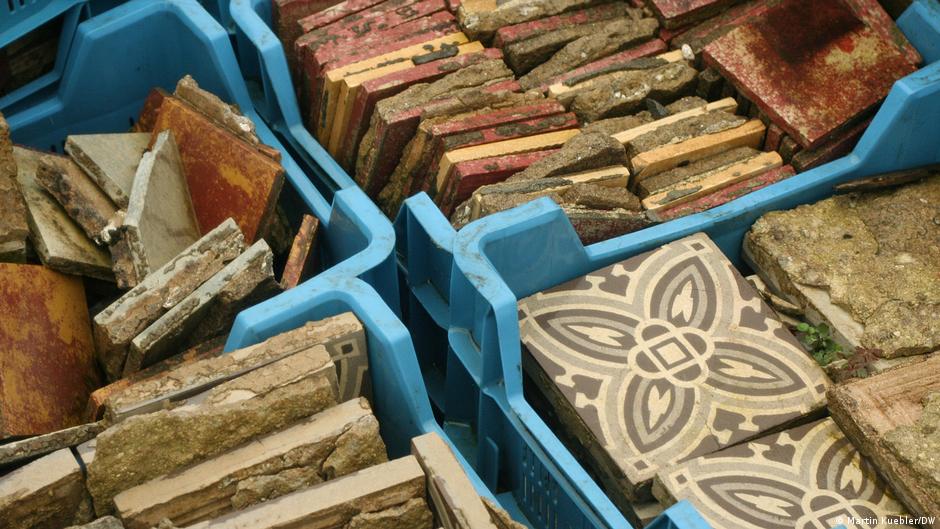
The project examines the integration of digital fabrication processes into reinforced concrete construction, highlighting that while materials such as steel and timber have undergone significant transformation through digital production methods, reinforced concrete has largely retained conventional casting techniques. The proposal aims to address this condition by incorporating digitally fabricated components into the construction system.
Renovation
Design
fromwww.archdaily.com
1 month agoArchitecture as a Platform: What Makes a Building Evolve?
Architecture increasingly adopts product design principles, prioritizing operational clarity, performance, and scalability over novelty, making buildings accountable for functionality and consistent user experience.
fromArchDaily
1 month agoBuilding with Earth: Traditional Knowledge in Contemporary Architecture
Rather than representing a simple return to the past, this renewed interest reflects a broader reconsideration of how architecture engages with materials, local resources, and environmental conditions.
Renovation
fromYanko Design - Modern Industrial Design News
2 months agoThis 3D-Printed Roof Is Saving 2,000-Year-Old Roman Tombs - Yanko Design
What makes this canopy special isn't just that it uses 3D printing technology, though that's certainly impressive. It's the way the designers thought about the entire system. Rather than simply throwing a roof over the tombs and calling it a day, they created what's essentially a climate-control system disguised as architecture. The canopy features a double-layer envelope that does way more than keep rain off ancient stone. Built into this roof are ventilation and air extraction components that actively regulate temperature and humidity.
Design
fromArchDaily
1 month agoHeritage Without Permanence: When Architecture Endures by Disappearing
A Gothic cathedral can take centuries to complete. A world exposition pavilion may stand for six months. A ritual structure in Kolkata rises and vanishes within five days. Yet each draws pilgrimage, shapes collective memory, and reorganizes urban life. If heritage has long been defined by what endures, architecture repeatedly shows that cultural authority can also belong to what gathers people.
Design
Design
fromYanko Design - Modern Industrial Design News
2 months agoThis Volcanic Stone Shelter in Sicily Reimagines 3,000-Year-Old Homes - Yanko Design
Asympta imagines ephemeral domestic architecture near Pantalica using local volcanic stone, charred timber, and traditional materials to evoke vanished everyday life.
fromwww.archdaily.com
2 months agoOlive House / Margine
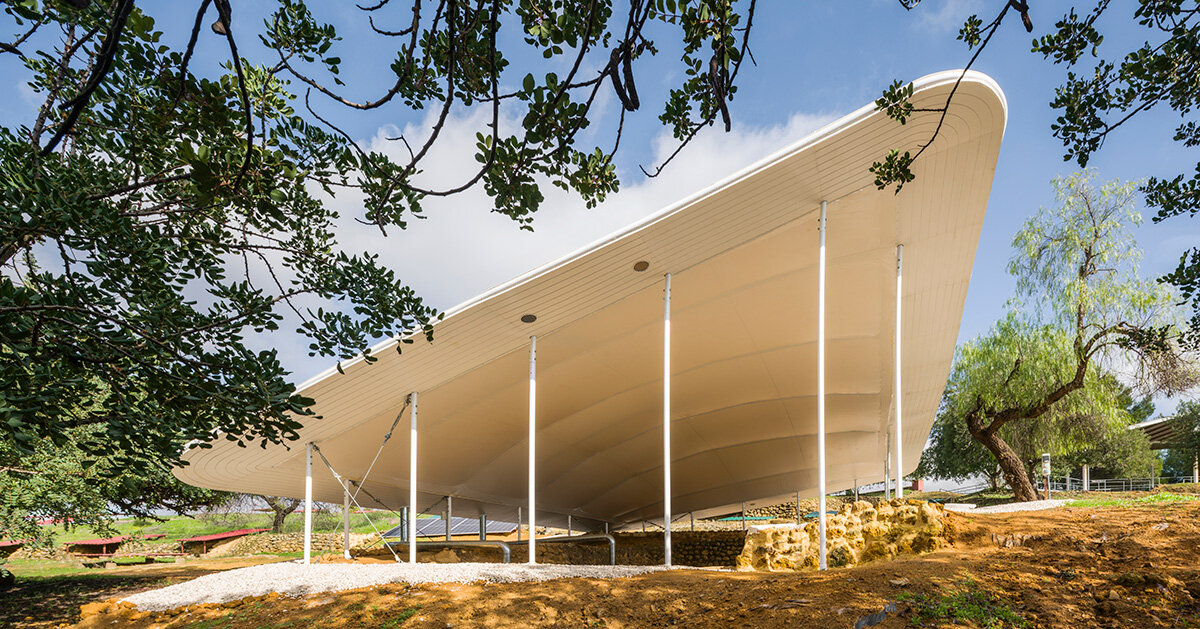
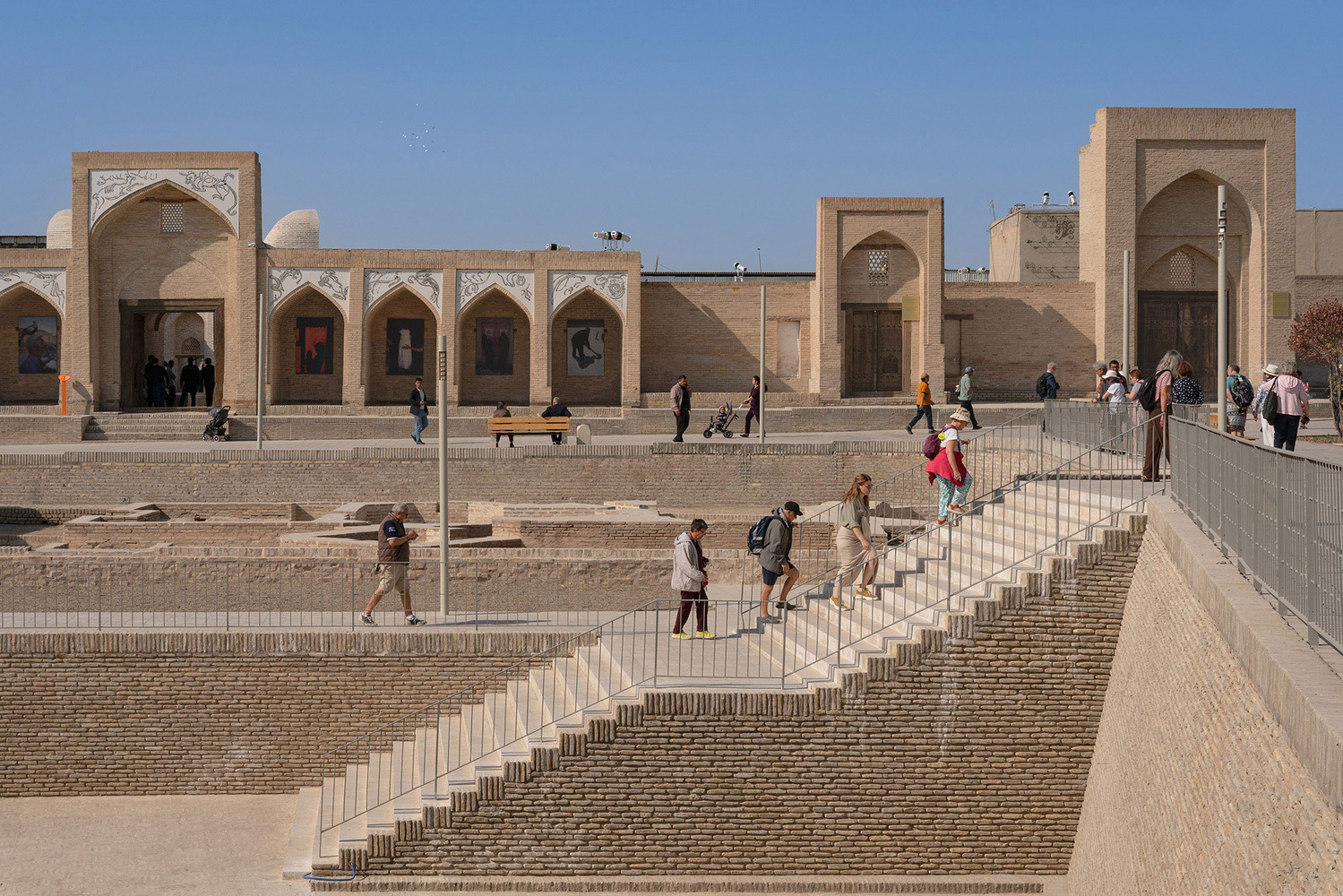
Marcello Mariana + 24 Architects: Margine Area of this architecture project Area: 480 m Completion year of this architecture project Year: 2023 Photographs:Marcello Mariana Brands with products used in this architecture project Manufacturers: Artnova, Ceramica Sant'Agostino, Devina Nais, FRATA, FRATA, Laminam, Laminam, Midj, Potenza e Greco, Sangiacomo, Tuttolegno, Tuttolegno, Vetreria Calasso, Vetreria Calasso Lead Architects: Giulio Ciccarese, Valentina Pontieri Contractor: Aurora Costruzioni SAS Project Team: Enrico Durante
Design
fromdesignboom | architecture & design magazine
2 months agoplay spaces revitalize fluid 1960s home in italy by studio rossettini
Studio Rossettini revitalizes House LB into a contemporary single-family residence with playful spaces that puts functionality and quality of life at its center. The from the early 1960s in Padua, reimagines the existing structure through its renovation, freeing up the perimeter walls and creating a fluid sequence of spaces that flow between the kitchen, dining room, and living room, with furnishings integrated into architectural niches.
Renovation
[ Load more ]