#self-build
#self-build
[ follow ]
#planning-permission #architecture #home-design #sustainability #timber-frame #interior-design #homebuilding
fromIndependent
3 months agoOur self-build story: 'There was no architect designing the house. Every part of it was us'
For the self-build of their modern black barn just 35 minutes from Dublin city centre, interior designer Robert Glynn and his partner used a timber frame that was erected in just three days Studio 31 founder and interior designer Robert Glynn has made a name for himself by doing what many consider the impossible: taking the stress out of the design process. It's a reassuring promise
Remodel
fromYanko Design - Modern Industrial Design News
3 months agoSelf-Built Treehouse Writing Studio Nestles Among Swiss Valley Oaks - Yanko Design
Perched among the towering oaks of Switzerland's Onsernone Valley, the Casetta Tessino emerges as an unconventional solution to a common problem. When a Swiss artist and climate activist sought additional living space on their property, local building regulations stood firmly in the way. Traditional extensions were off the table. Foundation work was forbidden. What remained was the possibility of building upward, anchored not to earth but to the forest itself.
Design
fromHomebuilding
4 months agoTiny Hebridean stonehouse wins Grand Designs top prize
A tiny stone home built by hand on a remote Scottish island has just been named Grand Designs House of the Year for 2025 and it's turned ideas about ambition and architecture on their head. Instead of glass palaces or dramatic loft conversions, this year's winner is modest, elemental and deeply shaped by its place, putting it firmly amongst Grand Design's best houses that we've ever seen.
Renovation
fromThe Good Life France
4 months agoHow do I build my own home in France? - The Good Life France
The vast majority of plots in rural areas are not authorised for construction, with the majority of plots outside the built up part of a village likely zoned as agricultural or natural. Whilst these parcelles of land have an attractive price tag it is, more often than not, very difficult to build on them as they have very strict planning policies attached. You might not even be able to install a cabin or use it for a caravan or motorhome.
France news

Renovation
fromHomebuilding
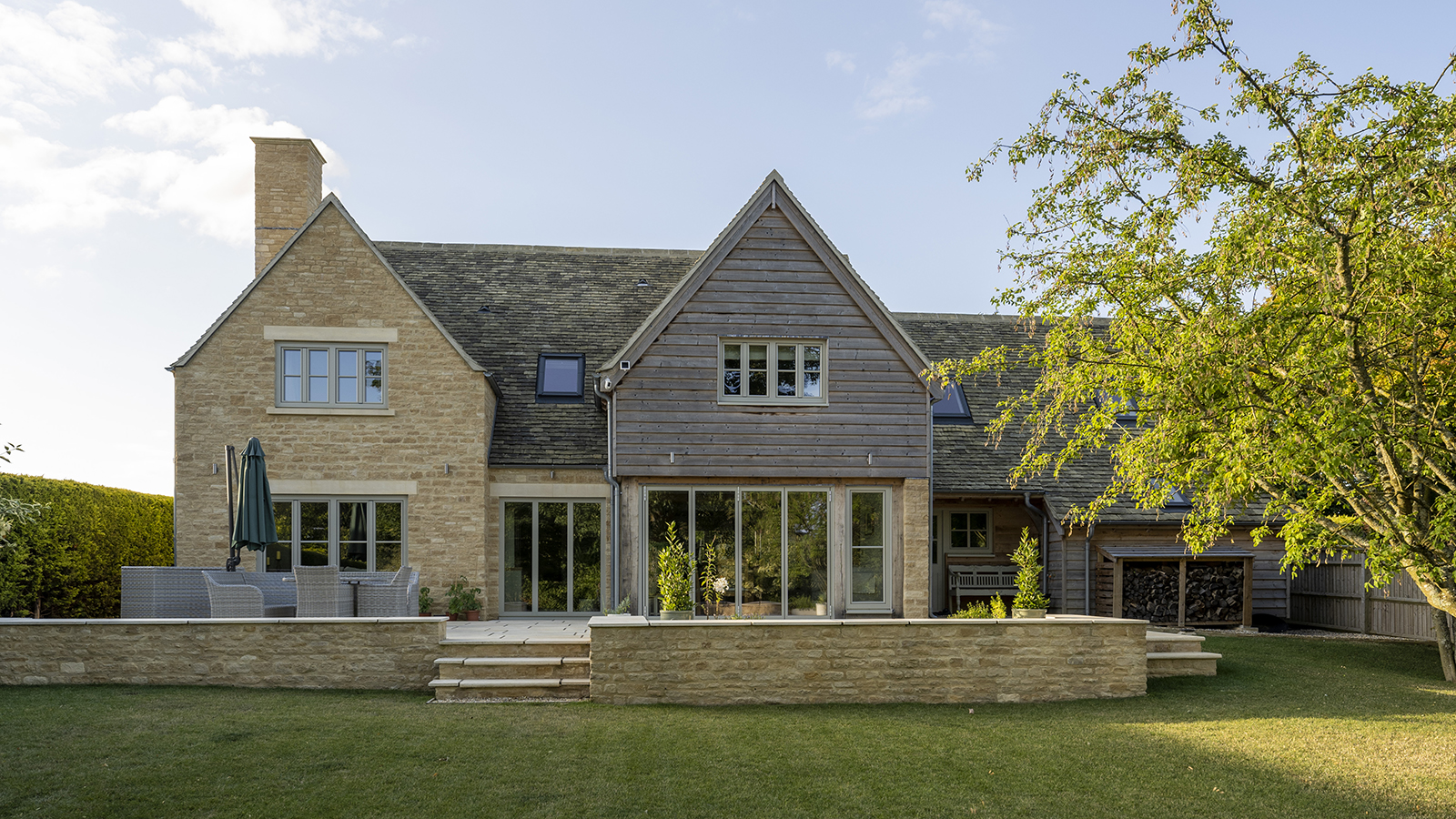
6 months agoTake a tour of this couple's forever home - a stunning oak frame house that blends character with contemporary design
A couple built a bespoke oak-frame home tailored for accessibility, efficiency, and character after finding land and adapting plans with Oakwrights.

Remodel
fromIndependent
7 months agoMy self-build story: 'The design and lightweight materials meant I could work away myself. It was just me, a ladder and a single-storey log cabin'
Deirdre O'Sullivan designed and built a Frank Lloyd Wright–inspired cabin near Blarney Castle, completing much of the construction herself and costing 230k.
fromHomebuilding
7 months agoAvoid potential problems by following these 7 tips for building on brownfield land
Yet, recent changes to national planning policy could unlock new potential avenues for tracking down land; specifically, alterations made to the policy around brownfield sites. In 2024, the government pledged its support for the development of brownfield land - that is, land that's previously been developed for another, usually industrial, purpose. It also released £68 million's worth of funding to select local authorities to help clear empty buildings, former carparks and industrial land for house building, including self and custom build.
Real estate
fromHomebuilding
7 months agoMark Wright's new home gym is a masterclass in functional luxury - it's the ultimate fitness retreat
(Image credit: Getty Images) When television presenter and former footballer Mark Wright began work on his £3.5 million Essex self-build with wife Michelle Keegan, he had one room in mind as a personal priority: a private gym. Several years later, that space is complete - and it's a transformation that blends high-end design with practical training needs. The gym started as an unfinished shell, with wires hanging loosely from the ceiling and walls left bare.
Renovation
fromHomebuilding
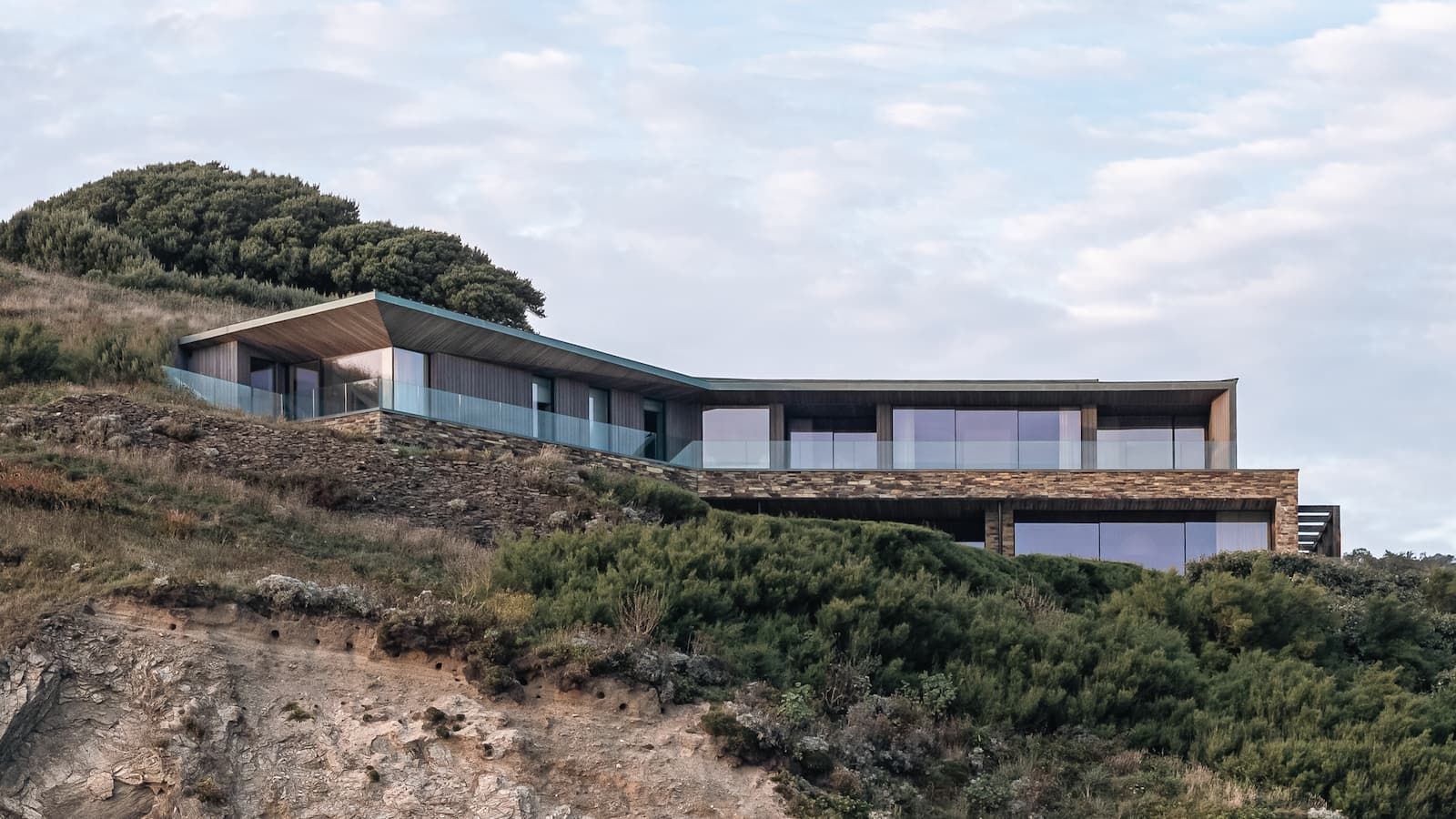
9 months agoHow this stunning cliffside home was a 'mission impossible' task involving digging out part of the rock face
The property that homeowners Heather and Chris discovered was a mid-century detached house, on a steep slope overlooking the beach, damp and barely habitable.
Renovation
fromHomebuilding
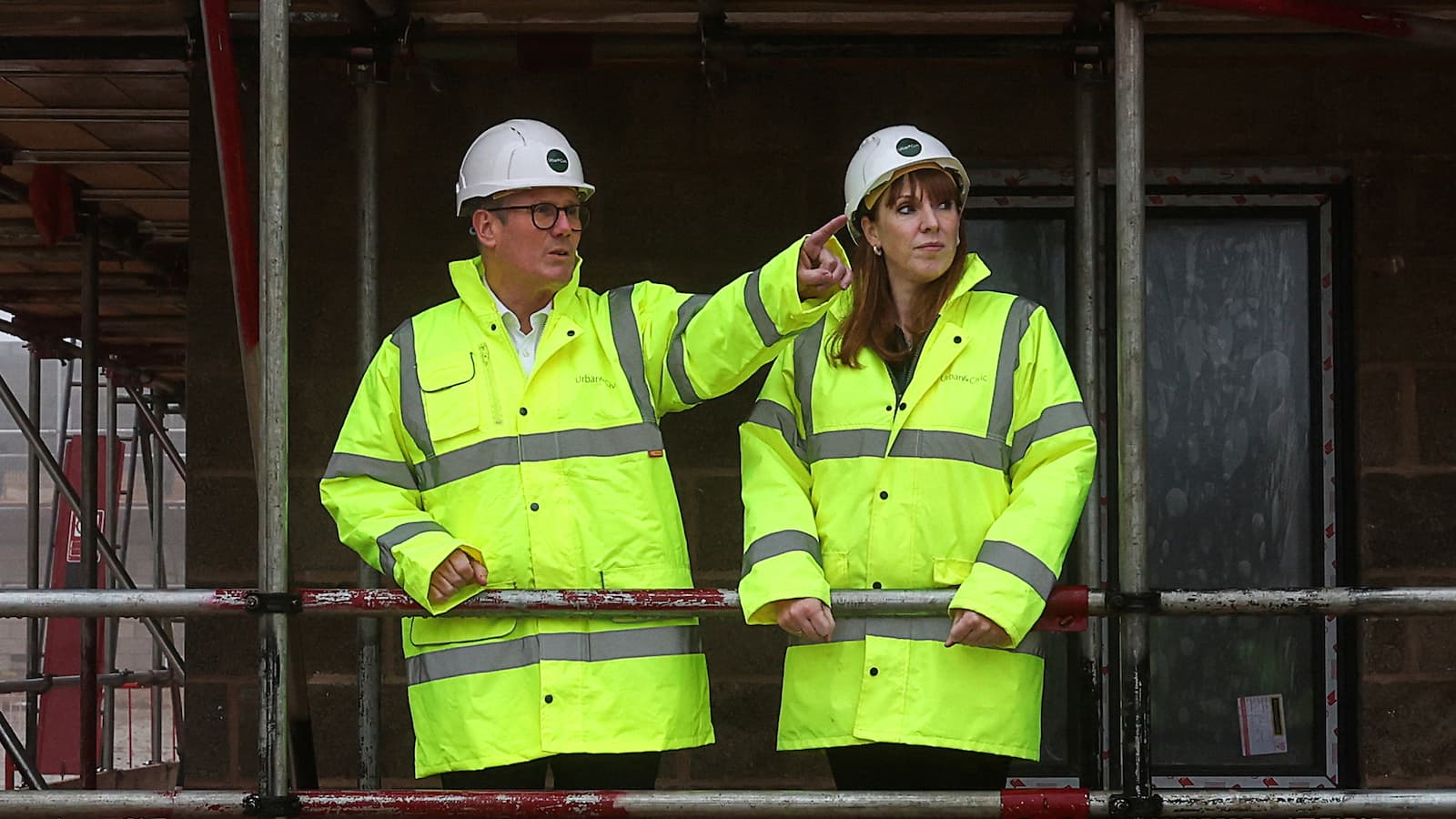
9 months agoThe new planning reforms that could help self-builders fix Britain's broken housing market
The government has committed to supporting self-build and custom housebuilding through a new £16 billion National Housing Bank, helping individuals and small builders get projects off the ground.
Renovation

[ Load more ]