#shuttle-bus
#shuttle-bus
[ follow ]
#public-transportation #public-transit #new-york-city #transportation #infrastructure #mta #public-transport
fromSustainable Bus
1 day agoBerlin's BUS2BUS 2026 gathers 40 buses with focus on electrification and minibuses - Sustainable Bus
The event features approximately 40 vehicles alongside a conference program addressing topics such as autonomous driving, on-demand transport and operational concepts, including a Sustainable Bus session on intercity bus electrification.
Alternative transportation
London startup
fromLondon Business News | Londonlovesbusiness.com
1 day agoHow digital technology is making road freight operations more efficient - London Business News | Londonlovesbusiness.com
Digital technologies enhance operational efficiency and transparency in UK logistics, addressing rising costs and customer expectations.

#transportation

SF politics
fromStreetsblog USA
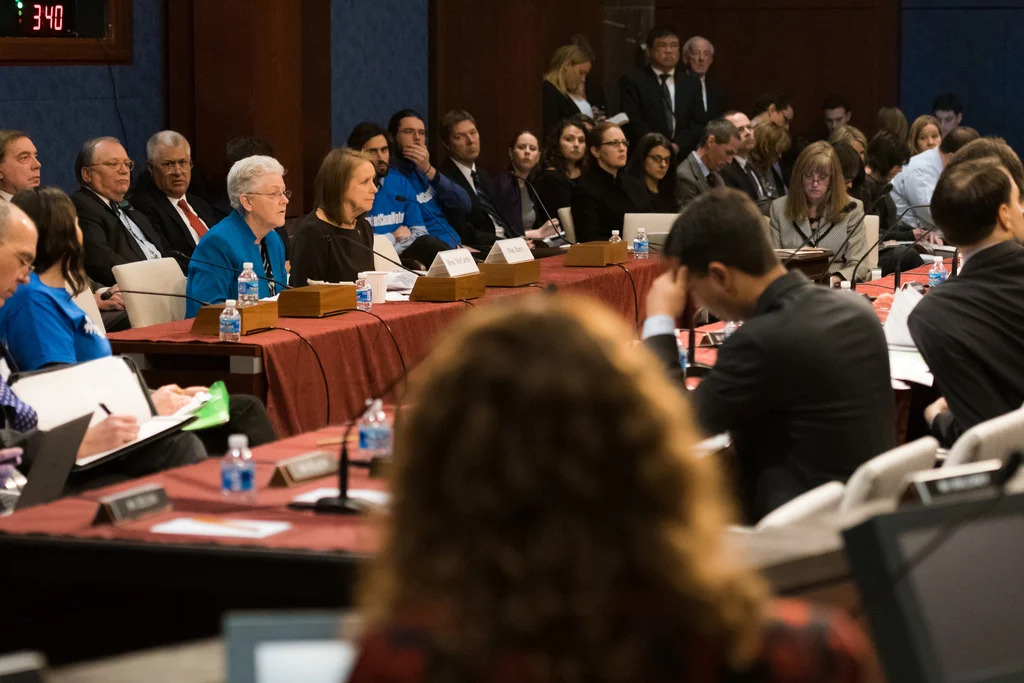
3 days ago"Why Do We Do This Bill?": Preparing Congressional Staff for Surface Transportation Reauthorization - Streetsblog USA
Federal surface transportation reauthorization lacks institutional knowledge, leading to skepticism about its effectiveness and the need for reevaluation.
Alternative transportation
fromStreetsblog San Francisco
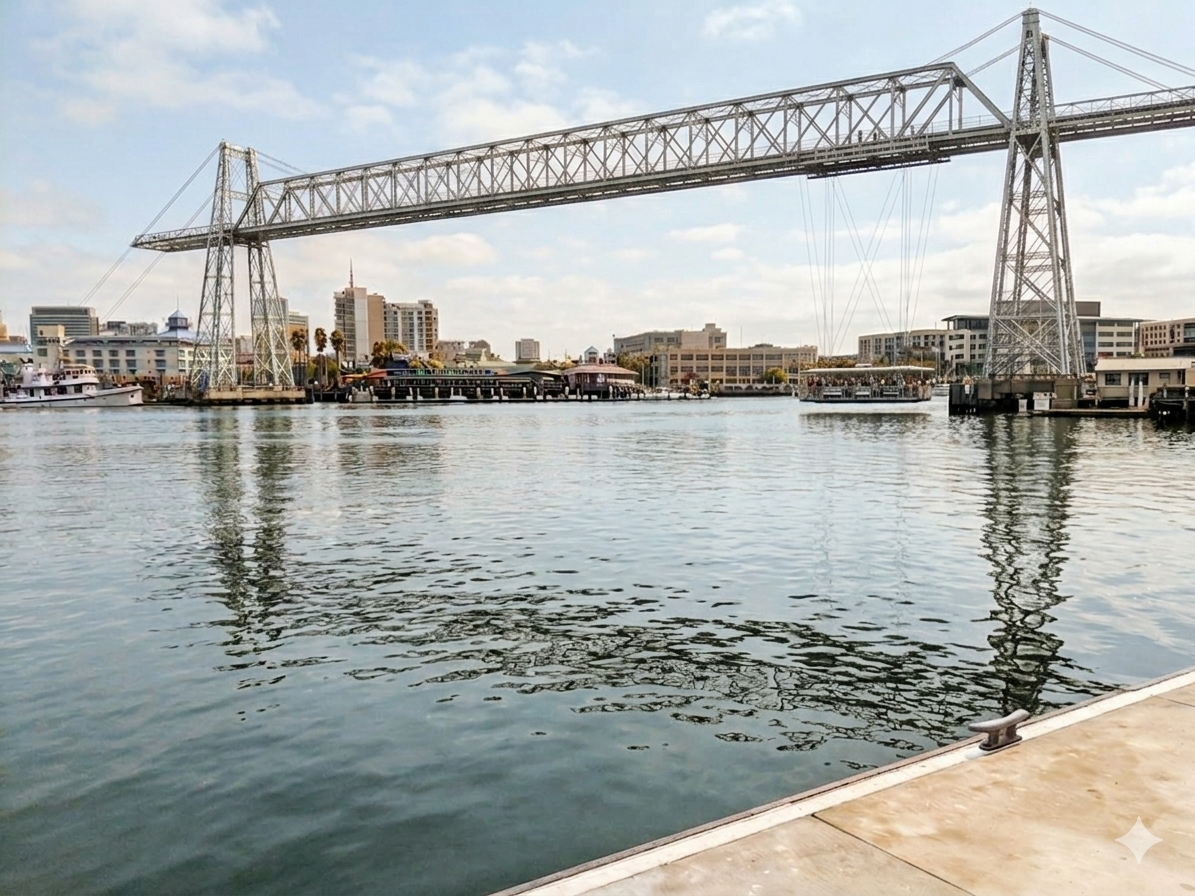
1 day agoCommentary: Is a Transporter Bridge the 100-Year-Old Solution for the Estuary Crossing We've all been Looking for? - Streetsblog San Francisco
A transporter bridge could provide a cost-effective solution for pedestrian and cyclist access between Western Alameda and Jack London Square.

Alternative transportation
fromStreetsblog USA
1 day agoFlorida Town Gives New Residents Free Golf Carts to Replace Their Cars - Streetsblog USA
Babcock Ranch incentivizes residents to drive less by offering free golf carts with new home purchases, promoting a community focused on alternative transportation.

NYC politics
fromStreetsblog Empire State
3 days agoANALYSIS: MTA Example Case For Hochul's Insurance Plan Does Not Hold Up To Scrutiny - Streetsblog Empire State
A driver caused severe injuries to two pedestrians, leading to a liability dispute where the MTA may pay damages due to the driver's lack of insurance.
fromBusline News
2 days agoENC Named To Washington State DES Statewide Transit Bus Contract - Busline News
Being named to the Washington State DES contract is a significant milestone for ENC and a testament to the strength of our product portfolio. This contract gives transit agencies across the region a streamlined path to American-made, Altoona-tested heavy-duty buses in every major propulsion category.
Alternative transportation
#electric-buses
Alternative transportation
fromSustainable Bus
3 days agoTemsa delivers 15 electric buses in Kaunas, Lithuanian fleet to reach 321 units - Sustainable Bus
Temsa delivered 15 electric buses in Lithuania, increasing its fleet to 321 units, supporting the country's transition to zero-emission public transport.
Alternative transportation
fromSustainable Bus
3 days agoTemsa delivers 15 electric buses in Kaunas, Lithuanian fleet to reach 321 units - Sustainable Bus
Temsa delivered 15 electric buses in Lithuania, increasing its fleet to 321 units, supporting the country's transition to zero-emission public transport.
fromSustainable Bus
4 days agoNext Mobility Exhibition 2026: BYD, Iveco Bus, Irizar, Solaris, MAN and Yutong among exhibitors
The event will take place alongside Transpotec Logitec, bringing together passenger and freight transport stakeholders within the same exhibition venue, enhancing collaboration and innovation in the transport sector.
Alternative transportation
fromwww.bbc.com
2 months agoCalls to withdraw fresh floating bus stop guidance
The design, which has a cycle lane between the stop and the kerb, is intended to allow bus passengers to get on and off safely while cyclists continue moving. Sarah Gayton, street access campaign co-ordinator at the National Federation of the Blind of the UK, said: "It does not address the concerns that blind and visually impaired people have and it's totally insulting to think that we'll accept this."
UK politics
Alternative transportation
fromSustainable Bus
2 weeks agoZero-emission buses move beyond cities: intercity transition in Sustainable Bus' session at BUS2BUS - Sustainable Bus
Electrification of intercity and coach segments in Europe is advancing, requiring new infrastructure and operational strategies for zero-emission mobility.

fromSustainable Bus
1 month agoEvolution: the practical path to autonomous buses - Sustainable Bus
It's tempting to frame autonomous driving as a single leap. In public transport, adoption tends to be incremental - because the system is built for reliability, and new capabilities have to fit into daily operations without disrupting service. That is why a practical strategy is evolution, not revolution: introduce autonomy in a defined domain, learn safely in real operations, and expand capability step-by-step.
Artificial intelligence
fromThesanjoseblog
2 months agoNew Transportation Options Enhance Mobility in East San Jose
The Bay Wheels bikeshare program, operated by Lyft, expands into East San Jose this summer. This move links areas like Mayfair and Alum Rock to Downtown San Jose and the Berryessa BART Station, creating seamless routes for work, school, or leisure. Eligible residents can access an annual membership for just $5, with each ride costing $1, making it a practical choice for short trips that also encourage outdoor activity and reduce traffic congestion.
Environment
fromSustainable Bus
2 months agoAutonomous Systems: depot-first autonomy for smartbuses
For more than a decade, autonomous buses have been "almost ready." Demonstrations with safety drivers began around 2015, and ten years later, this is still largely what we see. The reason is not a lack of ambition - it is physics, safety, and economics. Autonomous buses on city streets are inherently difficult. They carry dozens of passengers, operate as heavy vehicles, and move through a chaotic urban environment.
Business
US news
fromSustainable Bus
2 months agoHRT expands on-demand transit services with Via in Hampton Roads, Virginia (USA) - Sustainable Bus
HRT expanded its app-based OnDemand microtransit to Chesapeake and Hampton, extended Newport News service, operating through October 2026 with $2 fares and free launch rides.
fromArchDaily
1 month agoMobility Justice: Urban Equity in an Era of Innovation
Every city contains two transportation systems. One is the visible network of roads, rail lines, sidewalks, and bus routes mapped in planning documents. The other is the invisible geography of privilege and exclusion embedded within it: the neighborhoods that received highways instead of parks, the communities whose bus routes were cut, the sidewalks that abruptly end at the edge of a district.
Alternative transportation
[ Load more ]