#smartphone-investment
#smartphone-investment
[ follow ]
#smartphones #technology #apple #samsung #consumer-electronics #iphone #semiconductors #stock-market #investment

fromTechCrunch
10 hours agoThe 12-month window | TechCrunch
For most companies, there's roughly a 12-month period where the business is at its peak value, and then it crashes out. The companies that capture generational returns are often the ones where someone spies that moment instead of assuming the good times will get even better.
Startup companies

London startup
fromLondon Business News | Londonlovesbusiness.com
2 days agoHow UK fintechs are moving into mobile connectivity with gigs - London Business News | Londonlovesbusiness.com
UK challenger banks are integrating essential services into mobile apps to enhance user retention and reduce churn rates.
from24/7 Wall St.
1 day agoWhy This China Internet ETF Pays Monthly but Caps Your Gains
KLIP does not collect dividends from Chinese companies. The fund runs a 'covered call' or 'buy-write' strategy: it buys shares of the KraneShares CSI China Internet ETF (KWEB) and writes, or sells, corresponding call options on KWEB.
Cryptocurrency
#ai
Startup companies
fromFortune
1 day agoThis founder was an AI layoff 9 months ago. Then he built an instantly profitable company with 2 partners and 12 agents | Fortune
Sam Brown turned a layoff due to AI into an opportunity, co-founding Fathom AI, which achieved significant revenue with minimal investment.
fromEngadget
12 hours agoThe next Mac Studio and MacBook Pro releases could be postponed by several months
At least two of the company's upcoming machines could debut a little later than the company initially planned, referencing the refreshes to Apple's desktop and its laptop that's expected to get a touchscreen.
Apple
fromTechCrunch
2 days agoSources: Cursor in talks to raise $2B+ at $50B valuation as enterprise growth surges | TechCrunch
Cursor is nearing a funding round of at least $2 billion, with returning investors Thrive and Andreessen Horowitz expected to lead the financing at a $50 billion valuation. The deal terms are not final and may still change.
Venture
#apple
Apple
fromZDNET
5 days agoI'm ready for a foldable iPhone, but only if Apple does this right
Apple is rumored to release a foldable iPhone in 2026, requiring significant iOS changes for multitasking capabilities.
Apple
from24/7 Wall St.
1 week agoDelays or Not, Apple's Next Innovations Will Be Worth the Wait for Investors
Apple's stock fluctuates due to potential delays in the launch of its first foldable iPhone, amid conflicting reports about its release schedule.
from24/7 Wall St.
6 days agoGoldman Says It's Time to Buy Tech. I'd Start With These Tech Deals
Goldman Sachs' Chief Equity Strategist Peter Oppenheimer has called the recent sell-off in U.S. tech stocks a rare 'buying opportunity,' suggesting that the current market conditions may favor investment in this sector.
Apple
fromhttps://www.gizbot.com/
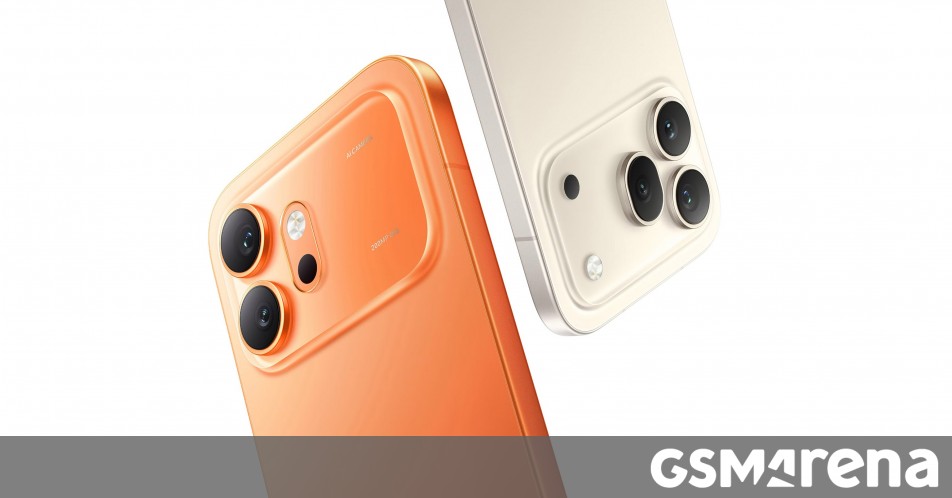
2 years agoSmartphone Shipments Have Been Declining Steadily In The US: How Bad Are Apple, Samsung, And Others Suffering?
Smartphone shipments have been falling for the last nine months in the U.S. The concerning trend has affected the majority of smartphone manufacturers. But despite the downturn, phone makers are optimistic for a few valid reasons. The US smartphone market shrunk by 24 percent year-over-year in Q2 this year. Let's look at how the leading smartphone manufacturers have fared, and how they are trying to wade through the uncertain times.
[ Load more ]