#tantric-traditions
#tantric-traditions
[ follow ]
#yoga #mindfulness #meditation #yoga-retreats #mental-health #sound-healing #rishikesh #stress-relief #spirituality

#mindfulness
Mental health
fromPsychology Today
5 days agoHas Mindfulness Had Its Day?
Mindfulness can effectively support individuals in managing depression, pain, and illness despite critiques about its overselling.

#yoga
Yoga
fromYoga Journal
3 days agoCan't Focus? These 8 Yoga Poses Help Boost Your Mental Clarity.
Yoga can help improve focus by training the mind to stay present during practice.

Parenting
fromSilicon Canals
3 weeks agoI meditated every morning for three years and I was still the most reactive person in every room I walked into - and a monk in Thailand told me the problem wasn't my practice, it was that I was using stillness as preparation for chaos instead of learning to find stillness inside the chaos itself - Silicon Canals
Emotional neglect occurs when parents provide materially but fail to be emotionally present for their children.
Philosophy
fromThe Conversation
1 month agoThe long history of silent meditation retreats and the individuals who helped shape them
Burmese meditation master Sayagyi U Ba Khin's 10-day silent mindfulness retreats became a foundational model for secular meditation practices now widespread in the United States.
Philosophy
fromThe Conversation
1 month ago'The Tibetan Book of the Dead' is actually not just about death
The Tibetan Book of the Dead, originally titled "The Great Liberation by Hearing in the Intermediate States," is the most well-known Tibetan Buddhist text outside Tibet, addressing spiritual liberation through death and rebirth practices.
fromCN Traveller
2 months agoWhat is a "dark retreat" and how did it become 2026's most radical wellness trend?
If you are exhausted and yearn to rest, like nearly everyone I know, you may be interested in what's arguably the most radical wellness trend of 2026 - an ancient practice called "dark retreat." This powerful experience, touted by celebrities as the latest way to achieve self-realisation and peace, involves no drugs (unlike, say, ayahuasca), no intense physical work, and no strict diet - just staying in absolute darkness in a comfortable room for 24 hours a day, for several days.
Wellness
fromYanko Design - Modern Industrial Design News
2 months agoAn Art Retreat in the Himalayas Where Architecture Follows the Mountain's Rhythm - Yanko Design
High above the Naggar valley in Himachal Pradesh, Eila reveals itself slowly. It is not the kind of resort that announces its presence with grand façades or rigid terraces. Instead, it feels as if the architecture has quietly grown out of the mountainside. Soft, organic forms follow the contours of the land, echoing the rhythms of the terrain rather than resisting them.
Design
fromPsychology Today
1 month agoWhat If You're Fundamentally Not Flawed?
But we are all as an unclean thing, and all our righteousness are as filthy rags; and we all do fade as a leaf; and our iniquities, like the wind, have taken us away. It was bracing language for an 8-year-old. Not only was I unclean, but even my best attempt at goodness was filthy.
Writing
fromYoga Journal
1 month agoWTF Is a Wellness Festival? An Antidote to Loneliness, Apparently.
A true wellness gathering is something far more ancient and far more urgent: it's any intentional space where humans are invited to arrive whole, body, mind, spirit, and leave more alive than when they walked in. That's it. That's the whole definition.
Yoga
fromFuncheap
1 month agoSeema Kohli: Samsara & Metamorphosis - The Mystical World of Seema Kohli
Kohli's work is inspired by the generative forces of nature-its cycles of growth, dissolution, and renewal. Central to the artist's visual language is Shakti, the transformative power of the divine feminine. Kohli uses the womb as a potent symbol of creation and possibility, exploring transformation within the eternal cycles of birth and death.
Arts
fromYogaRenew
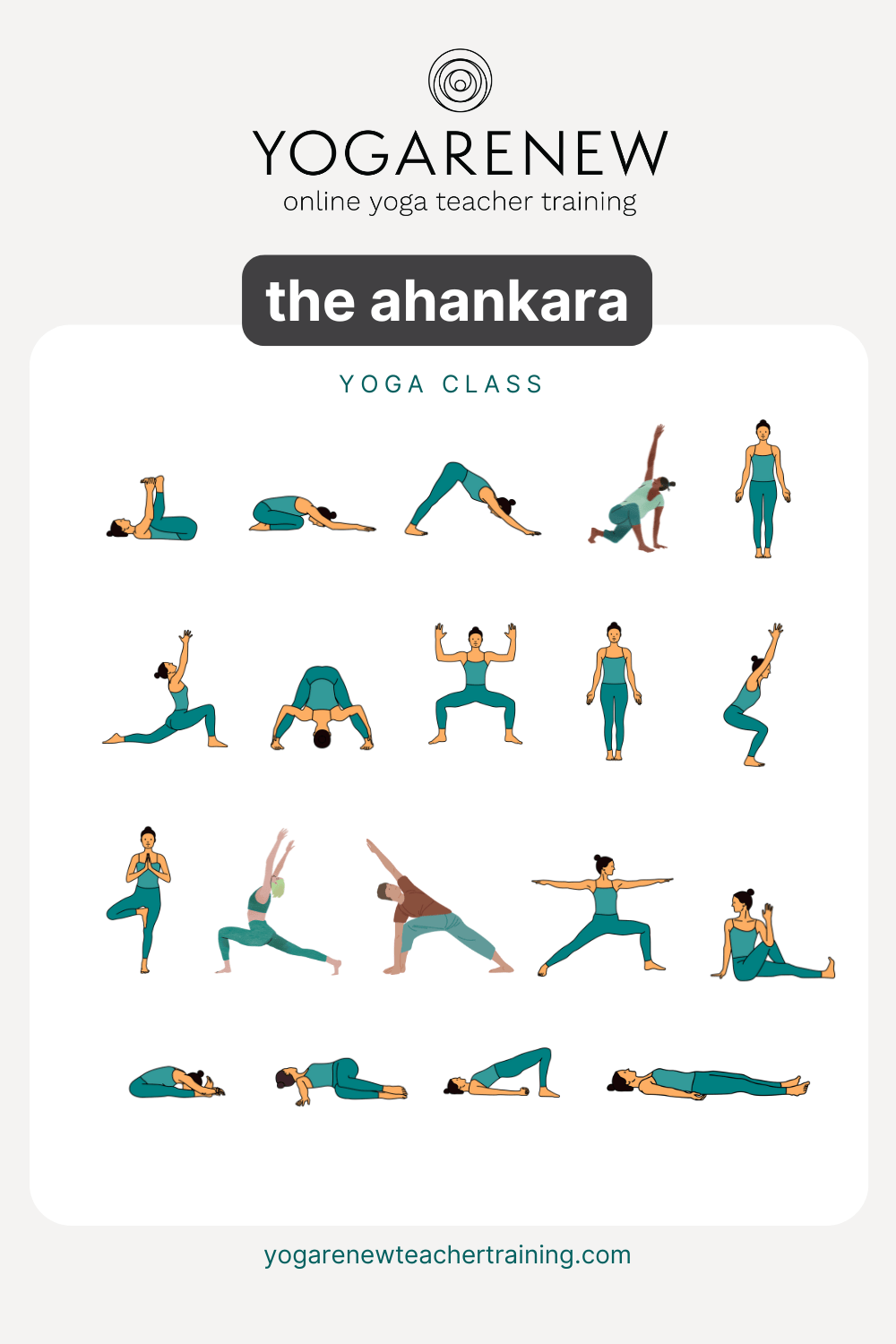
2 months agoThe Ahankara
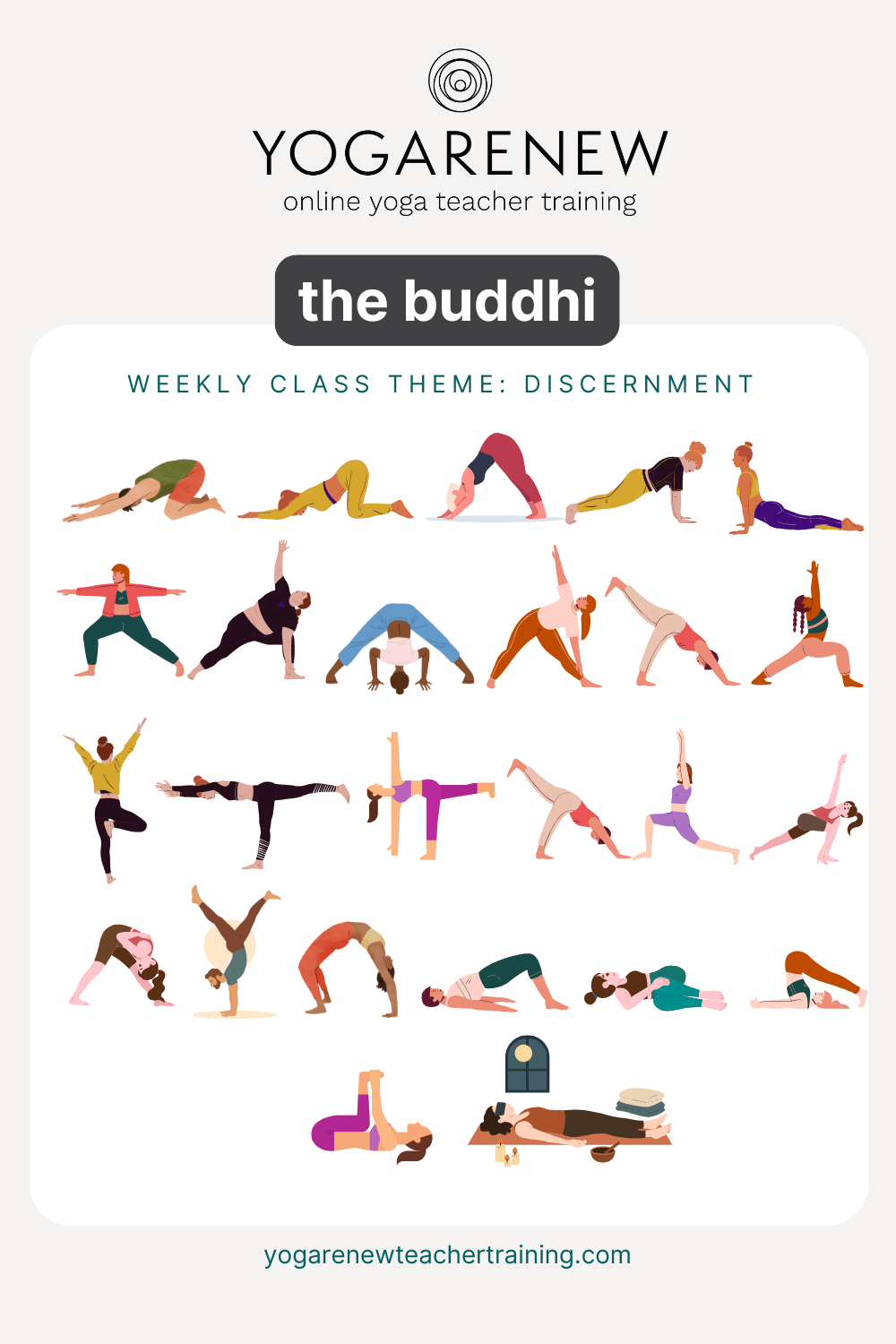
They look nervously at the cameras. The prize, they are told, is beyond description, but "it is what everyone wants!" The first question is asked: "Who are you?" The fastest contestant with the buzzer rings in - "Michelle!" they cry out confidently. BUZZ - the sound for the wrong answer rings out loudly. Another contestant seizes the moment and squeezes their buzzer. "A Man!" he states with utmost confidence. BUZZ - wrong again.
Philosophy
fromDeconstructing Yourself
3 months agoNondual Awakening on the Waking Up App
He wrote Waking Up back in 2014, and the app is based on the insights from that book. What's interesting about Sam is that people mostly knew him as one of the Four Horsemen of New Atheism, but what they didn't know is that he spent much of his twenties going back and forth between Nepal and India studying primarily with Tibetan Buddhist teachers, also Advaita traditions.
Mindfulness
fromhttps://www.arogyayogaschool.com/blog
2 months agoKali Maa: The Fierce Mother and Her Yogic Meaning
To her followers and yogic practitioners, Kali Maa is not a scary goddess. She is the ultimate Mother. She represents the slayer of illusion and the symbol of truth that brings freedom. She is the symbol of the cycle of time, transformation, the loss of self and awakening to the spiritual realm. In yoga, Kali Maa is linked to inner cleansing. She helps awaken the kundalini and gives courage. This courage helps us face our darkest sides.
Yoga
fromYoga Journal
2 months agoHow to Quiet Your Mind, According to Yoga
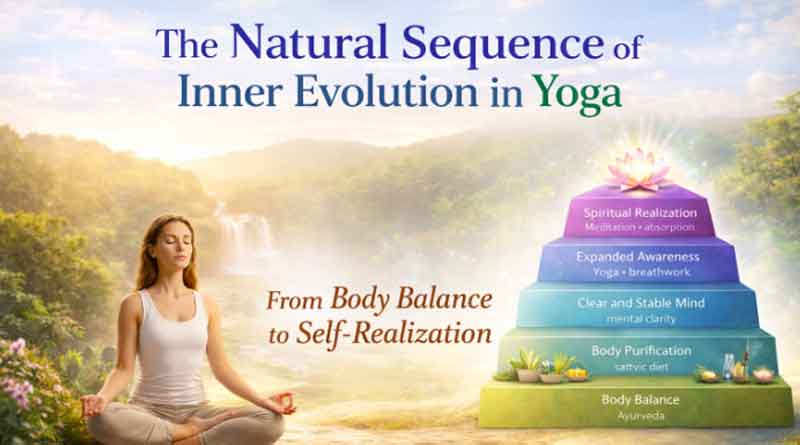
Popular definitions of yoga often include terms such as balance, harmony, health, and peace. While these qualities are certainly desirable, and must be created before one can enter the state of fixity, or yoga, they are not included in the definition Patanjali offers us in his Yoga Sutras, the classic second-century B.C. exposition generally accepted as the bible of yoga.
Yoga
fromClassic Yoga
5 months agoHow I Built a Daily Yoga & Meditation Practice - Classic Yoga
I had no idea what to practice, when to practice, or for how long. As a result, my practice lacked structure, variety, and inspiration. Then, I discovered an online yoga & meditation platform rooted in Himalayan wisdom. It wasn't just about movement; it was about building a relationship with myself. I started with 15 minutes a day. That was it. Sometimes, just breathwork. Other times, meditation. And occasionally, a full-body kriya that left me buzzing with energy.
Yoga
fromhttps://www.arogyayogaschool.com/blog
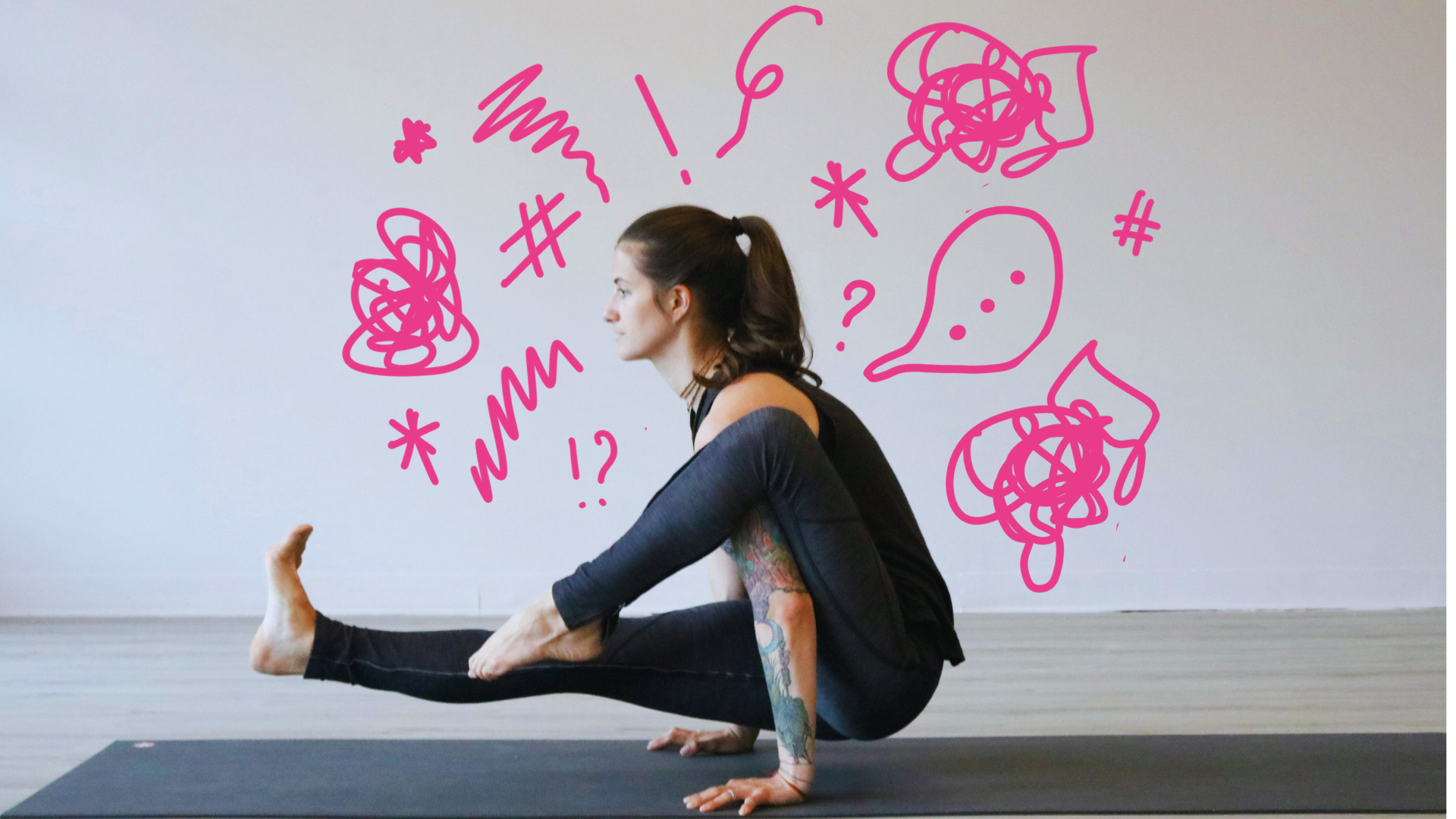
1 month agoThe Overstimulated Mind: What Yoga Philosophy Teaches About Inner Balance
At the heart of yoga philosophy is the belief that stillness is not simply the absence of movement, but a profound engagement with our inner landscape. Practices such as asana (postures), pranayama (breath control), and meditation serve as gateways to this stillness, allowing us to cultivate awareness amidst chaos. Through these disciplines, we learn to quiet the mind's incessant chatter and tune into our true essence.
Yoga
fromYoga Journal
2 months agoYin Yoga to Help Release Your Upper Back and Open Your Heart-Despite It All
Whenever we talk about practicing yoga for the heart chakra, our focus is releasing tension around the heart, including the chest as well as the upper back and shoulders. More than that, the anahata, or heart chakra, has to do with our ability to give and receive love as well as our ability to feel compassion and empathy toward ourselves and others in the world.
Yoga
fromClassic Yoga
5 months agoHow I Built a Daily Yoga & Meditation Practice - Classic Yoga
Like many people, I always wanted to do yoga daily. I'd roll out my mat a few times a week, follow a YouTube video, and feel great... for a while. But between work, life, and mental exhaustion, my practice was inconsistent at best and forgotten at worst. That changed when I discovered the right approach - one that felt more like a cup of calm than a chore on my to-do list.
Yoga
[ Load more ]