#tianjin-summit
#tianjin-summit
[ follow ]
#china #us-china-relations #strait-of-hormuz #iran #geopolitics #diplomacy #iran-war #xi-jinping #pakistan
#strait-of-hormuz
World news
fromLondon Business News | Londonlovesbusiness.com
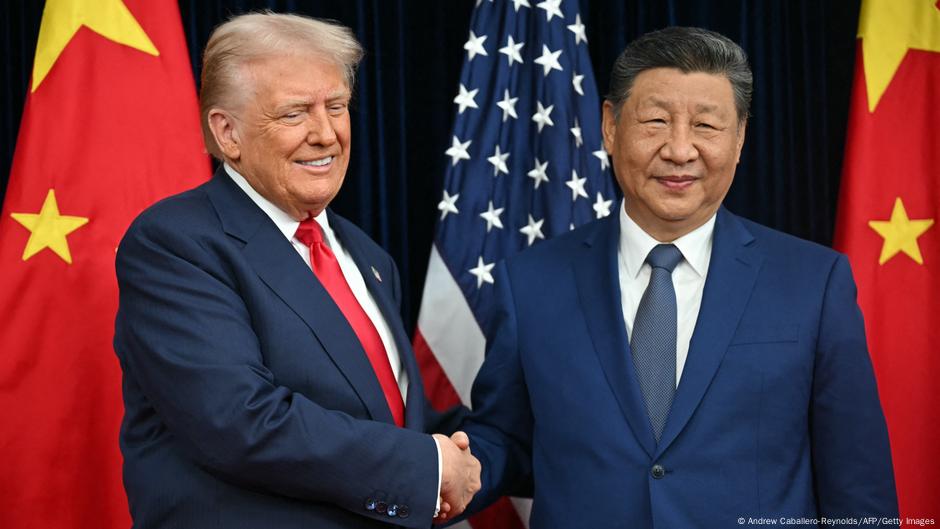
5 days agoChina demands Iran reopen Strait of Hormuz as energy crisis fears deepen - London Business News | Londonlovesbusiness.com
China urges Iran to ensure safe navigation through the Strait of Hormuz, emphasizing its importance for global trade and energy stability.






fromwww.dw.com
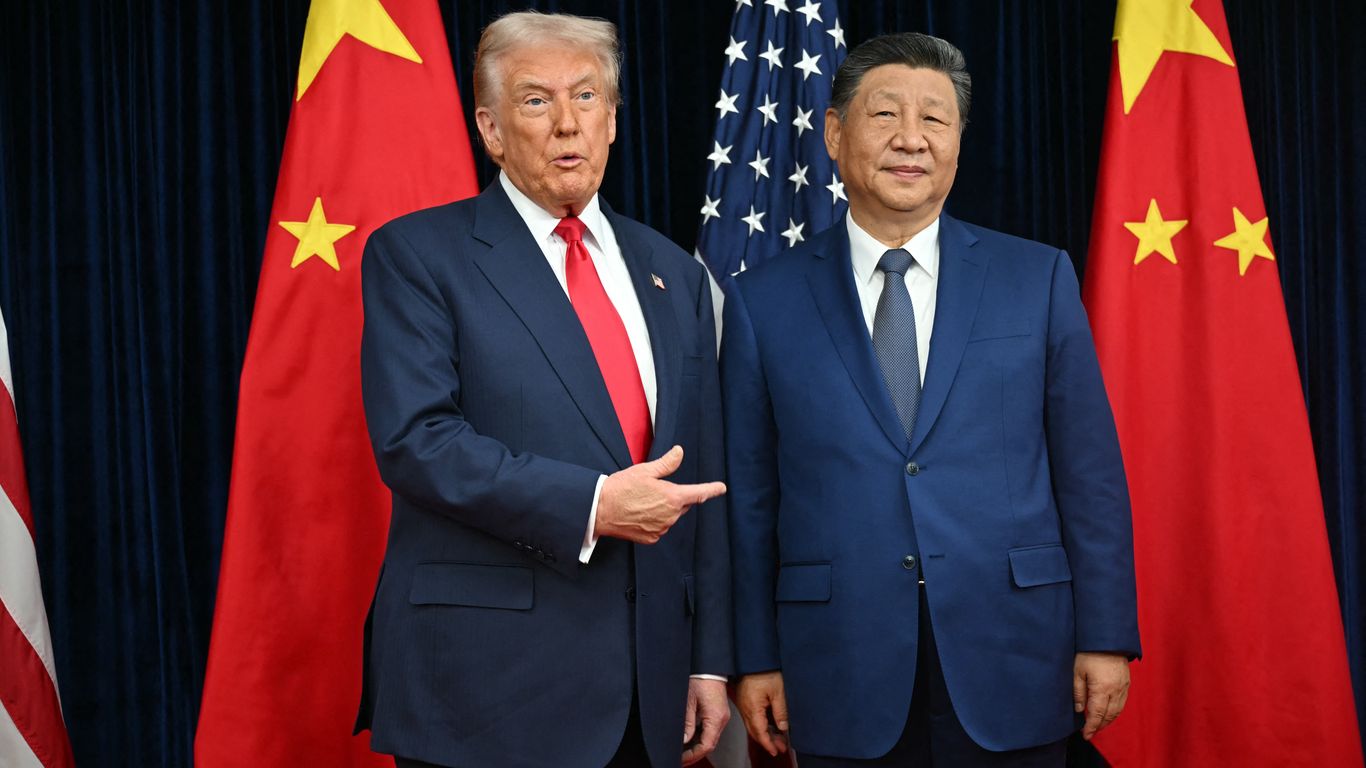
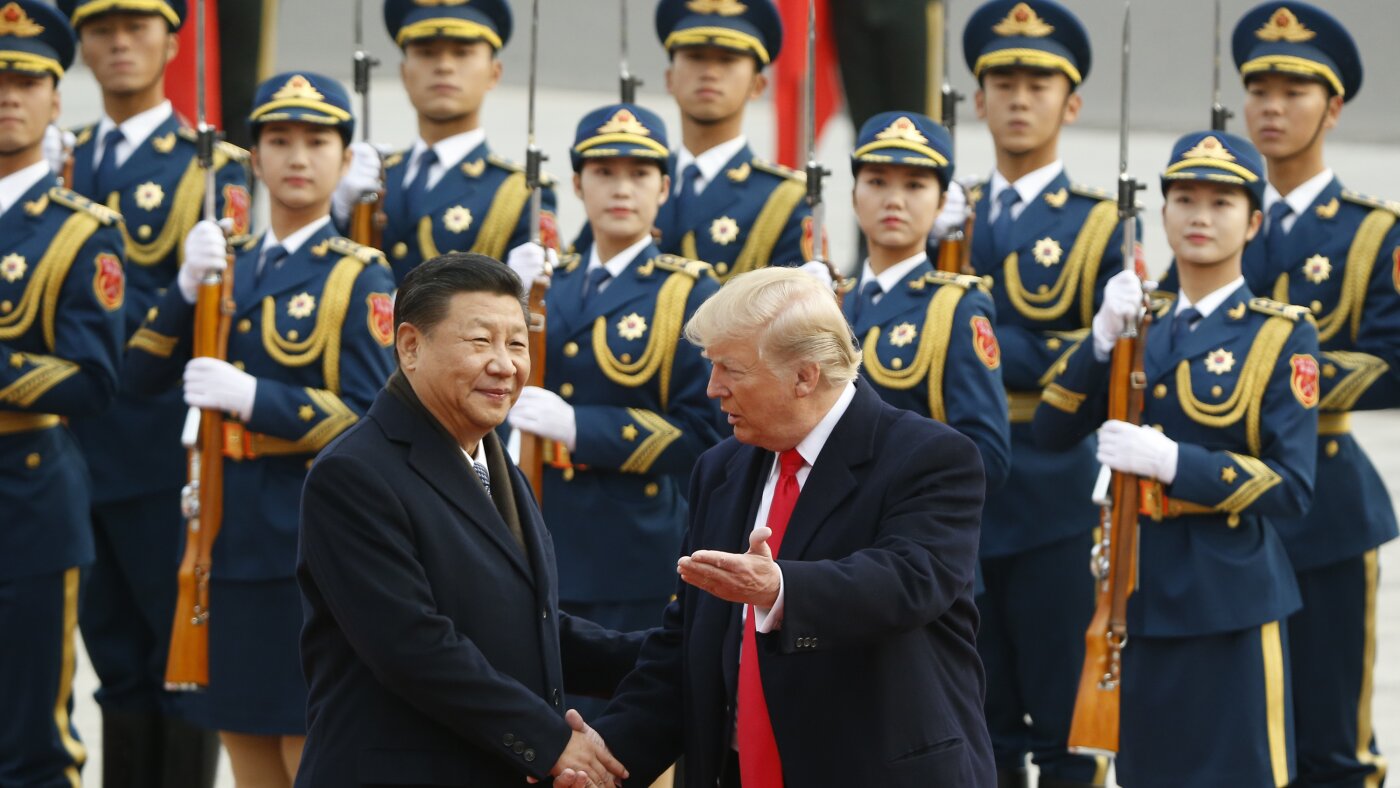
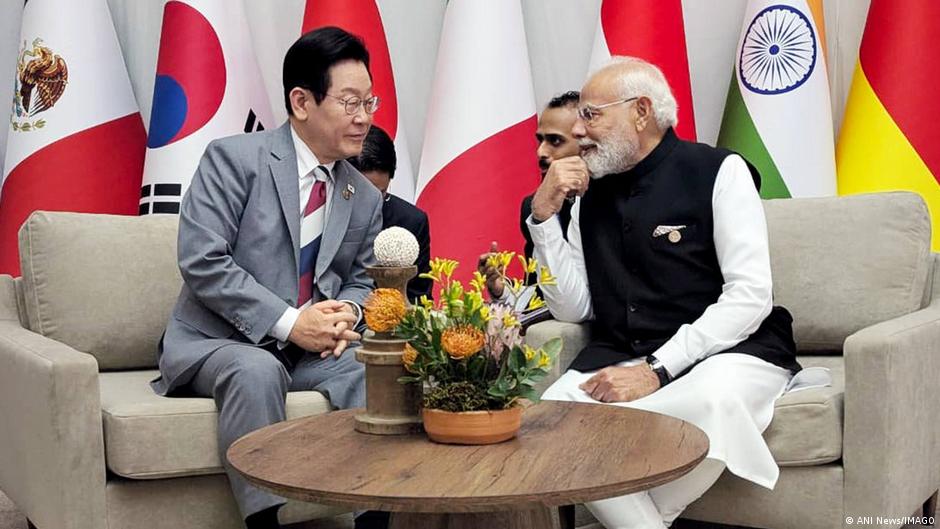
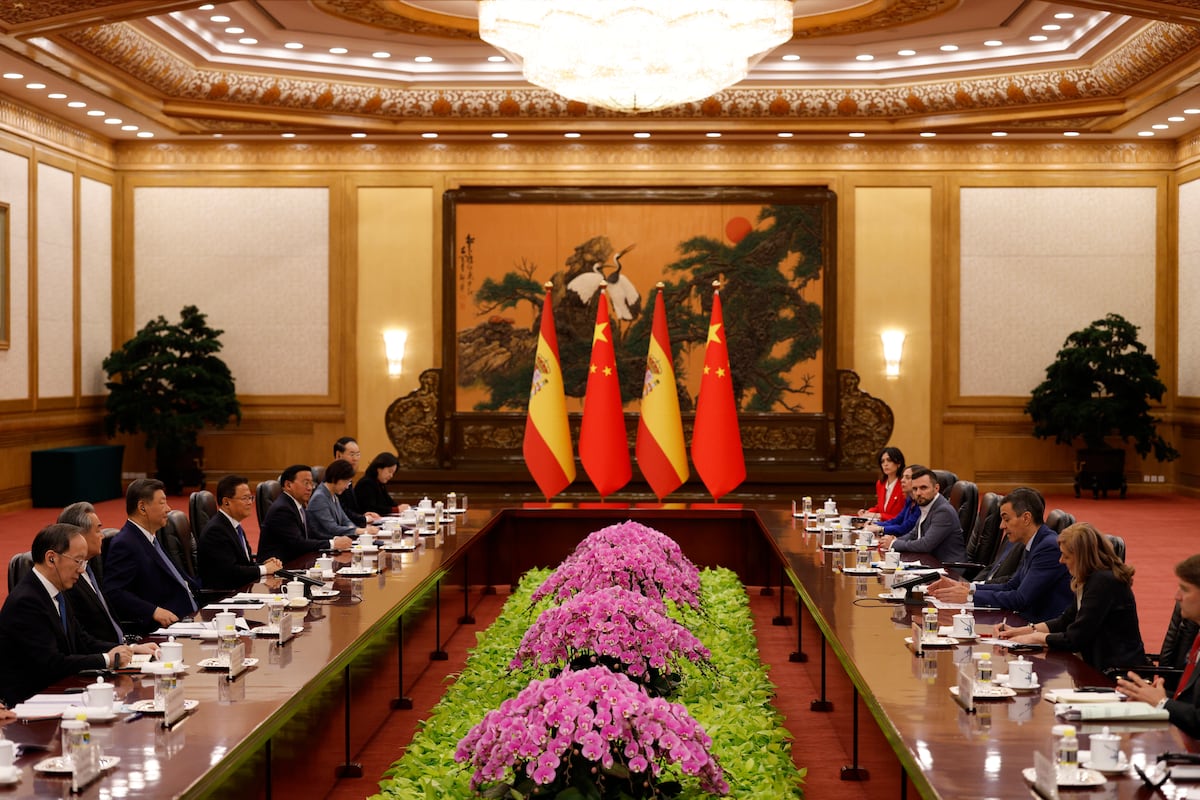
4 weeks agoChina-North Korea transit relaunch points to better ties
"The resumption of train services suggests that exchanges of people and goods are gradually returning to normal. It also appears to send a message to the international community that China and North Korea are strengthening ties amid the current global situation."
Berlin
#china-us-relations
World politics
fromwww.npr.org
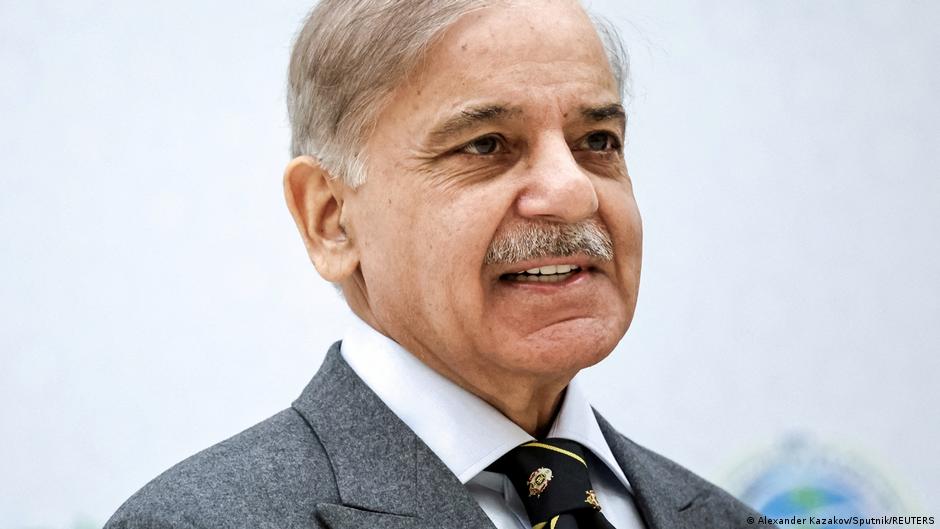
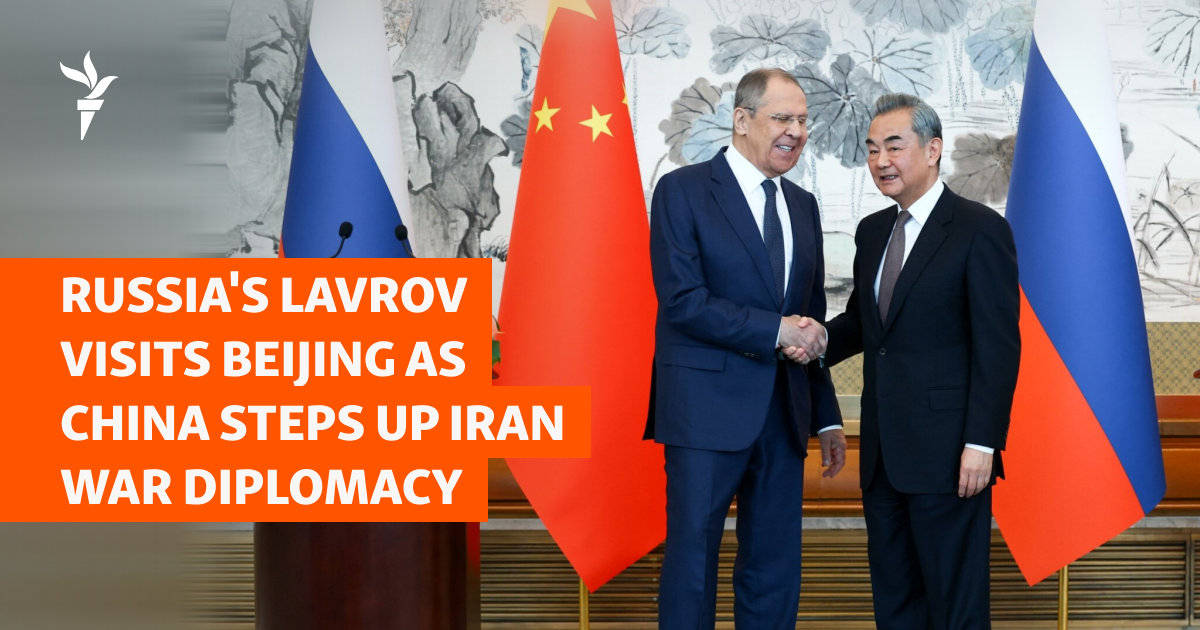
1 month agoFive key takeaways from an annual briefing by China's foreign minister
China's foreign minister Wang Yi criticized the U.S.-Israeli conflict with Iran while signaling openness to a Trump-Xi meeting and advocating for dialogue between the world's two largest economies.




fromWIRED
3 months ago23 Ways You're Already Living in the Chinese Century
A decade ago, China's political leaders laid out an ambitious industrial plan: By 2025, they pledged, their country would be a world capital, with the goal of moving from "Chinese speed to Chinese quality, the transformation of Chinese products to Chinese brands." This is the difference, they wrote, between "Made in China" and "Created in China." At WIRED, we never take what the government (ours or anybody else's) says at face value.
World news
World news
fromFortune
2 months agoBRICS could become a new pillar of global governance-if its rapid growth doesn't erode its newfound clout | Fortune
BRICS' rapid expansion risks internal incohesion and failure to reform global governance despite its vast population, resources, and strategic potential.
fromwww.theguardian.com
2 months agoXi-Starmer meeting: Chinese leader tells PM he hopes both countries can rise above differences'
Your visit this time has drawn a lot of attention. Sometimes good things take time. As long as it is the right thing that serves the fundamental interests of the country and the people, then as leaders we should not shy away from difficulties and we should press ahead. As long as we take a broad perspective, rise above differences and respect each other, then we will prove ourselves able to stand the test of history.
World news
fromwww.aljazeera.com
2 months agoWhat role is China playing in global geopolitical transformations?
China's official discourse centres on the idea of peaceful rise, the commitment to non-interference in internal affairs, respect for sovereignty and territorial integrity, and economic partnerships based on mutual benefit. Beijing insists that relations with Washington should not slide into conflict, calling for a system of global governance built on cooperation rather than confrontation. Yet the geopolitical landscape reveals a wide gap between this discourse and reality. Donald Trump's return to the White House has brought back rhetorical escalation and increased geopolitical pressure.
World politics
World politics
fromwww.theguardian.com
1 month agoChina's Two Sessions to reveal Xi's economic and defence plans as military purge casts shadow
China's Two Sessions convene this week to set annual economic targets and launch the 15th five-year plan for 2026-2030, with the NPC serving as the formal legislative body despite the CCP holding ultimate decision-making power.
[ Load more ]