Health
fromPsychology Today
1 day agoNot All "Plant-Based" Diets Are Equal for Brain Health
Healthy plant foods are linked to lower dementia risk, but not all plant-based diets are beneficial.
The baseline use of plant-based milk prior to instituting oat milk as the default was 16.6%. That jumped to 51.9% when baristas informed guests oat milk was the default option.
The American Heart Association recommendations emphasize eating more plant-based protein instead of meat and drinking less alcohol, contradicting the recent food pyramid updates that suggest increased red meat and whole milk consumption.
Start with the obvious question: how much protein are you actually getting per scoop? Most decent powders fall somewhere around the 20-25 gram range. That's enough to make a real dent in your daily intake, especially if you're trying to push past the 100-gram mark without eating chicken six times a day.
If you don't get your stuff together, you're not going to graduate with your friends. After struggling through high school, the then-17-year-old Ramdass wanted to ensure she would graduate with her friends. Heading to a local Barnes and Noble bookstore, Ramdass had one goal: Buy a book, because at that age, she had never read a novel from start to finish.
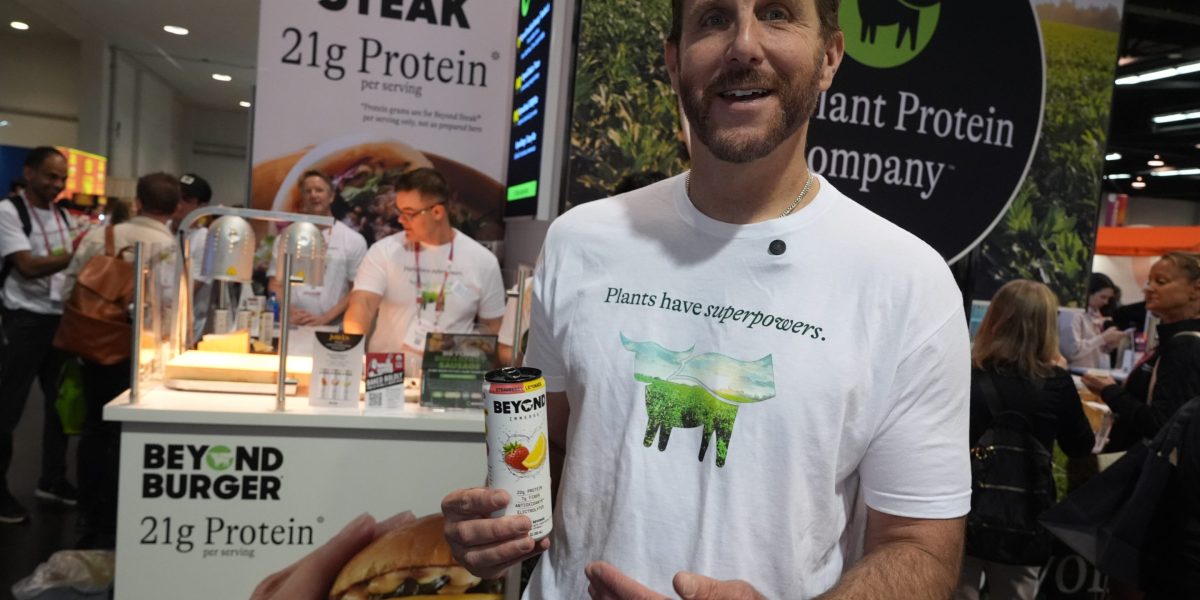
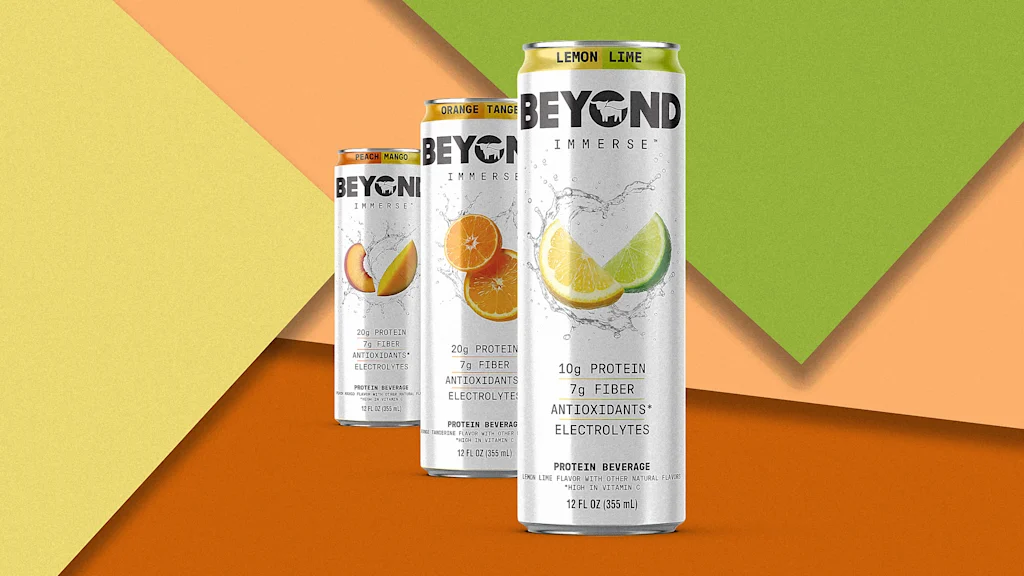
We are not moving away from making plant-based meat. This is a strategic expansion of our portfolio into additional protein categories. We start at the farm with clean and simple, non-GMO ingredients like yellow peas, red lentils and faba beans. We love clean protein and fiber.
These tiny packages pack a nutritional punch-so much so that the advisory committee for the 2025 U.S. Dietary Guidelines recommended upping the daily serving size of legumes and promoting them as a protein source over meat and seafood. Navy beans, for example, are especially fiber-dense, and lentils are protein powerhouses.
Those boxes of store-bought Jell-O-style powders typically use gelatin to achieve the familiar springy, jiggly texture. As it turns out, however, agar agar works just as well and is derived instead from algae. It is a flavorless, odorless, and translucent gelling agent that can be slipped into any recipe, though the preparation and storage requirements are not exactly the same as those of gelatin.
For someone aiming to end the global livestock industry, Bruce Friedrich begins his new book called Meat in disarming fashion: I'm not here to tell anyone what to eat. You won't find vegetarian or vegan recipes in this book, and you won't find a single sentence attempting to convince you to eat differently. This book isn't about policing your plate.
John did not want to give up beef entirely, but he feared the impact of the beef industry on the Paris agreement's limit of 1.5C of post-industrial global heating and the devastating effects of beef farming on deforestation. He compared the overconsumption of beef to the coolness of tobacco back in the day: Norms feel permanent, but norms can change and when they do it can be powerful, he said.
"Ironically, many if not most of these 'sustainability' projects remain disassociated from companies' core procurement strategies, meaning the coffee produced from these projects is not necessarily bought by the companies involved, or only in minimal quantities," the paper states. "And for the coffee that is purchased, prices do not factor into the project design, despite the fact that price is the single variable impacting farmer income that is in the direct control of companies."
A newly signed federal law will expand milk options in U.S. school cafeterias, allowing students who can't or don't consume dairy to receive a non-dairy alternative as part of standard school meals for the first time. In a win for animal advocates and public health experts, the Whole Milk for Healthy Kids Act formally opens the door for dairy‑free milk options to be served alongside cow's milk in school cafeterias, without requiring families to provide medical documentation. These provisions come from a congressional bill introduced last year known as The FISCAL Act, which allows schools to include plant-based milks in their cafeteria offerings.
Need an easy lunch or dinner idea? Try brown lentils! Alex and I love eating lentils for lunches or dinners, since they're full of plant-based protein and keep us full for hours afterwards. This brown lentils recipe results in perfectly seasoned, tender lentils. You can eat them as-is, or add them as a component to tacos, salads, and more. They're a simple protein that makes an easy vegan recipe or healthy dinner!
Tempeh is a gift to all home cooks from Indonesia. Made from fermented compressed soy beans, it's an intelligent ingredient equivalent to meat in terms of protein, subtle and nutty in flavour and chewy in texture. Happily, it is also now widely available in most large UK supermarkets. Here, the tempeh is cooked in a typical Indonesian way that is, fried until crisp, then coated in a sticky, spicy sweet soy sauce and liberally sprinkled with salted peanuts.
A sandwich might sound like a "boring" meal, but these vegetarian sandwiches are anything but uninspired! I've spent years testing different combinations of veggie sandwich fillings in my kitchen, and over the years I've collected my favorite ideas for making meatless lunches and dinners. These vegetarian sandwiches have become my go-to's for quick weeknight dinners and healthy lunches that actually make me look forward to the meal.
I'm thrilled I did, and my learning curve was vertical in this page-turning work that "offers a hopeful and rigorously researched exploration of how science, policy, and industry can work together to satisfy the world's soaring demand for meat, while building a healthier and more sustainable world." There is nothing "radical" about what likely will become a classic, one that is already endorsed by experts in global hunger, global health, climate change, and food security.
We may receive a commission on purchases made from links. There's a lot you can do with canned chickpeas. Also known as garbanzo beans, these versatile legumes are great to keep stocked in your pantry for bulking up meals with more protein, preparing scrumptious appetizers and dips, and making a number of soups and stews among other dishes. In Tasting Table's deep dive ranking grocery store canned chickpea brands, the 365 Organic variety from Whole Foods was picked as the very best offering.
Why to Make This Quinoa Chili This quinoa chili is seriously good, full of savory flavors that wrap you like a cozy sweater. It's modeled after that quinoa chili from our lunch date, this time using our favorite fire roasted tomatoes. It's simple and flavorful, with tons of savory veggies and of course, quinoa! Quinoa acts as the texture of where meat would be in this vegan chili, and brings in loads of plant based protein.
Sometimes all you need is to curl up on the couch with a big bowl of pasta, wearing an old sweatshirt that can handle a little tomato-sauce splatter. After all, it's comfort food with a heavy emphasis on the comfort - all carbs and sauce and warm, full feelings. But what if you could get that same satisfaction with the added benefit of a little protein boost with just one easy swap? All you have to do is reach for a box of edamame pasta.
Over the years, I've become a huge fan of tofu. Here's a way to prepare it that I can't get enough of: crispy tofu! It's easy to make and comes out perfectly seasoned, with extra crunchy edges and a tender interior. I love that there's no need to press the tofu in this recipe, making it quick and easy for weeknight dinners! It's actually pretty amazing that it can go from a bland blog to meaty, savory cubes in just 20 minutes.