Philosophy
fromPsychology Today
1 day agoCompetence, Merit, and Excellence Are Social Strengths
Competence, merit, and excellence are universal principles essential for advancement in all human endeavors.
If we told them to look at the face, they could usually manage it. But they were mostly looking at the hands. The Prakash children eventually learn to look at faces when spoken to - usually a few months after their surgeries. Their experiences reveal that seeing doesn't come naturally the moment a person is cured of blindness. Newly-sighted people must learn to see.
Artificial intelligence (AI) machine learning is making a difference in assistive technology to help restore movement for the paralyzed. A new study in the American Institute of Physics journal APL Bioengineering shows how AI has the potential to restore lower-limb functions in those with severe spinal cord injuries (SCIs) by identifying patterns in brain signals captured noninvasively via electroencephalography (EEG).
Untracked powder and perfect corduroy. These are the things that skiers and riders live for. But finding either at the big-name resorts in the Lake Tahoe area can be almost impossible. That's why Tahoe locals have gravitated to Diamond Peak Ski Resort when they're looking to get away from the crowds and find a bit of space. Diamond Peak offers 1,840 vertical feet of steep north-facing groomers, hidden powder stashes, and incredible views of Lake Tahoe from the slopes.
It might come as a surprise to learn that the brain responds to training in much the same way as our muscles, even though most of us never think about it that way. Clear thinking, focus, creativity, and good judgment are built through challenge, when the brain is asked to stretch beyond routine rather than run on autopilot. That slight mental discomfort is often the sign that the brain is actually being trained, a lot like that good workout burn in your muscles.
Do you blame others for the choices you are making? Have you blamed others for the previous choices you have made? To shed more light on these questions, you might also ask yourself: "What am I responsible for, and what power do I have?" From there, you might agree with this self-reflective response: "I am responsible for, and I've got the power over what I think, do, say, learn, and choose" (Purje, 2014).
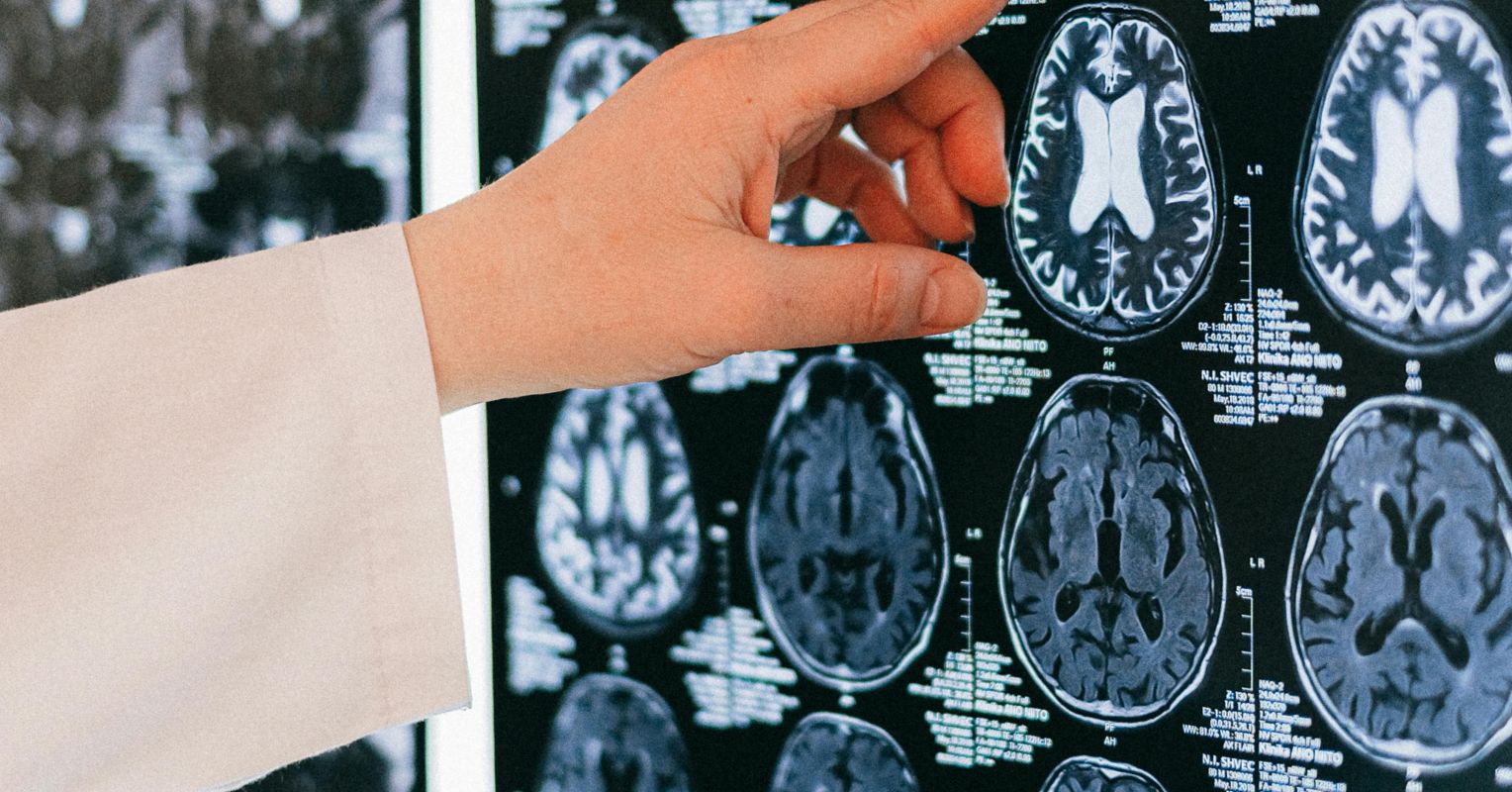
According to University of Michigan neuroscientists, not only can their AI vision language model diagnose neurological disorders from MRI scans with high performance accuracy, but it also has foundation model capabilities, making it a flexible, general-purpose solution that can be tailored for a wide variety of medical imaging. "These results demonstrate that Prima has foundation model properties, and reported performance will continue to improve with additional health system training data and larger compute budgets," wrote the study's authors in the preprint.
Betley and his colleagues were curious about what happens in the brain as people get stronger through exercise. They decided to focus on the ventromedial hypothalamus, a brain region that regulates appetite and blood sugar. The team then zeroed in on a group of neurons in that region that produce a protein called steroidogenic factor 1 (SF1), which is known to play a part in regulating metabolism. A previous study found that the deletion of the gene that codes for SF1 impairs endurance in mice.
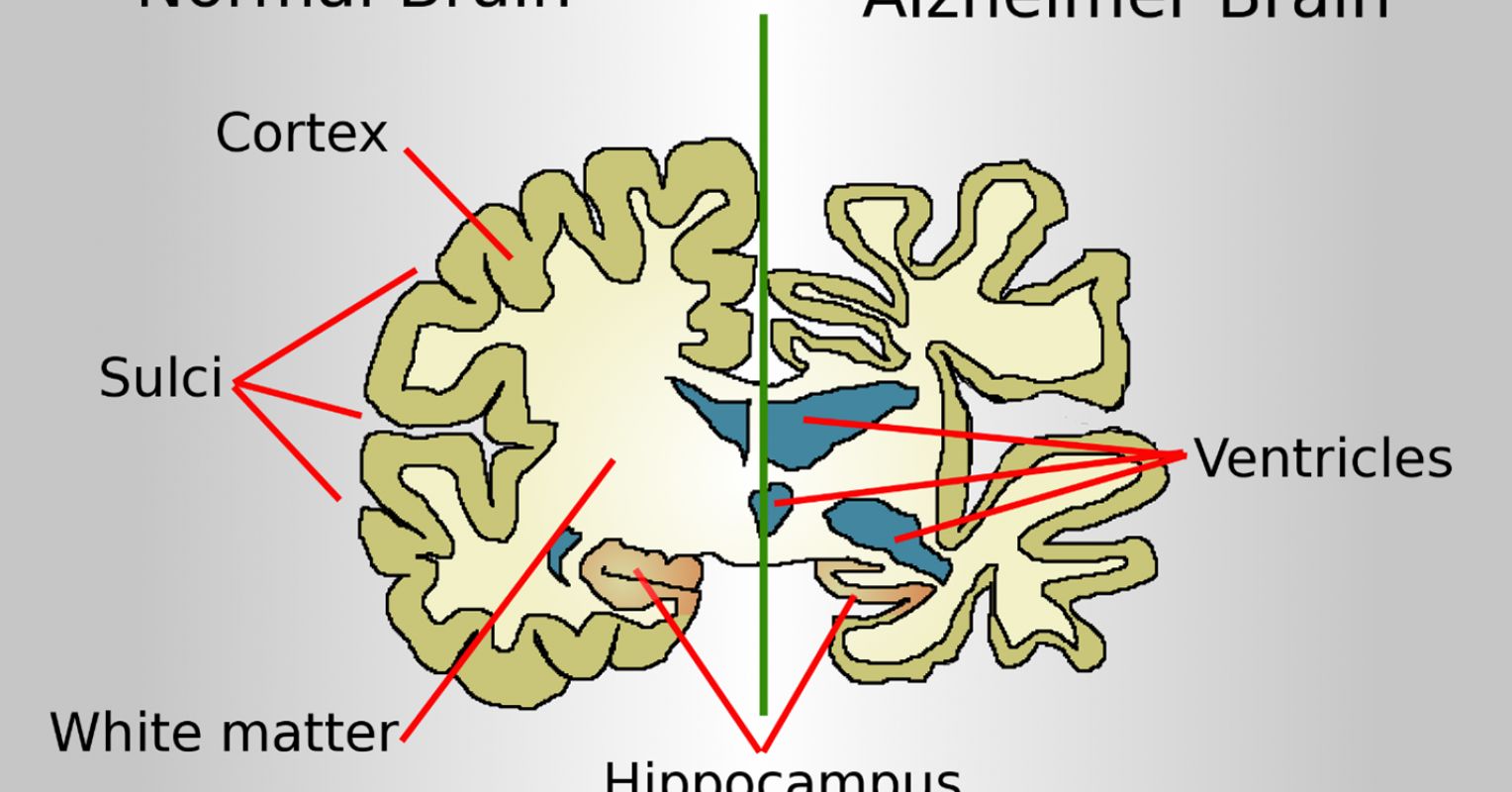
If you're going to prioritize one thing for your brain health, make it this: regular aerobic exercise. Multiple large-scale studies show that aerobic exercise doesn't just keep your heart healthy-it directly impacts your brain structure. One year of aerobic exercise in older adults led to significantly larger hippocampal volumes and better spatial memory. Other trials documented that exercise actually slows age-related gray matter volume loss.
There are lots of reasons why relationships fall apart; all kinds of incompatibilities can doom romance. Some are trivial, but occasionally there might be something more profound at the root of an estrangement. Recently, the concept of the "frontal lobe breakup" appeared in popular culture. The idea is that the final stage of development in the executive regions of the brain-the frontal lobes-changes someone's perspective about their relationship. The onset of advanced cognitive skills in one partner creates a gap in maturity too big to bridge.
They are known, as it were, from the neck up. The cellular memory of facts and experiences, however, connects mind and body: My body recalls that showing my true feelings in childhood led to a put-down. A slammed door meant that Dad was home and drunk. The specific fact/event may be forgotten, but the bodily reaction remains: Any slamming noise may induce terror.
Most people will forget a name, misplace their phone, or lose track of a conversation at some point. Usually, those moments pass without much thought. But for many adults, especially as they age, small lapses can trigger a much deeper fear: Is this the beginning of cognitive decline? As a neurologist, I hear this concern often. And as a researcher, I have learned something important: Worry about cognition and cognitive disease are not the same thing.
For many veterans, returning home marks not resolution but the beginning of a quieter struggle. Despite decades of innovation in trauma-focused therapies and medication, a substantial number continue to live with psychological injuries that existing treatments only partly address. Their trauma is not merely a cluster of symptoms; it is a disruption of identity, moral coherence, and belonging. It reflects lived experience often shaped by early adversity, military culture, and the potentially socially isolating aftermath of service.
Before treatment began, participants underwent neuroimaging. Instead of relying on a single modality, the researchers fused structural connectivity (how regions are physically wired) with functional connectivity (how regions co-activate at rest). The goal was not to throw every possible feature at a black box, but to learn a constrained pattern-what the authors call structure-function "covariation"-that carries the most predictive signal for outcome. In other words, the model tries to find the smallest set of connections that meaningfully forecasts symptom change.