#blue-medusa
#blue-medusa
[ follow ]
#marine-biology #marine-conservation #marine-life #climate-change #paleontology #environmental-impact
fromTravel + Leisure
3 weeks agoWhat Actually Makes Some Ocean Water Such a Vibrant Turquoise Color-the Science Behind That Dreamy Shade
When light shines through water, colors with longer wavelengths are absorbed by the water, with the longest wavelengths absorbed first. Blue and violet have the shortest wavelengths of visible light, so they are able to penetrate the deepest.
Travel
fromYanko Design - Modern Industrial Design News
1 month agoThis Jellyfish-Inspired Lamp Transforms When You Switch It On - Yanko Design
The reference point is specific, not from a general impression of the ocean, but from the particular way jellyfish tentacles move: slow, layered, and almost meditative in repetition. That quality informs the lamp's layered construction and the dense organic lattice etched across its translucent shade. The pattern reads quietly in a lit room. Switch the lamp on and the whole surface activates, casting warm amber light through the texture in a way that feels atmospheric rather than task-driven.
Design

fromwww.scientificamerican.com
2 months agoHow do deep-sea fish see in dark water? This new study could hold the clue
Some deep-sea fish may be able to see light in a different way from most other vertebrates, according to a new study. The fish, found in the Red Sea, have what the scientists behind the new study describe as hybrid photoreceptorslight-sensing cells in the retina that combine elements of two distinct kinds of photoreceptors, cones and rods. In human retinas, cone cells enable us to see in bright environments, detecting color and fine detail,
Science
London politics
fromwww.theguardian.com
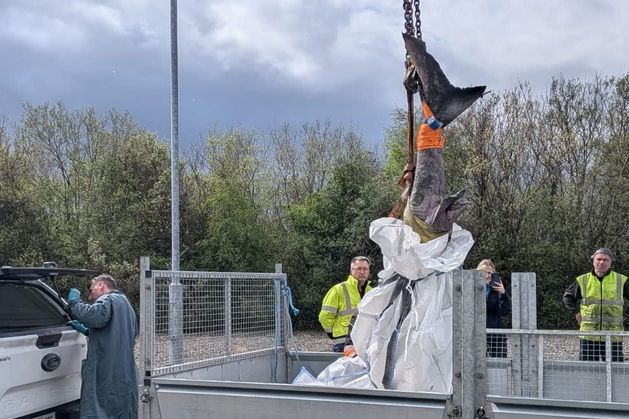
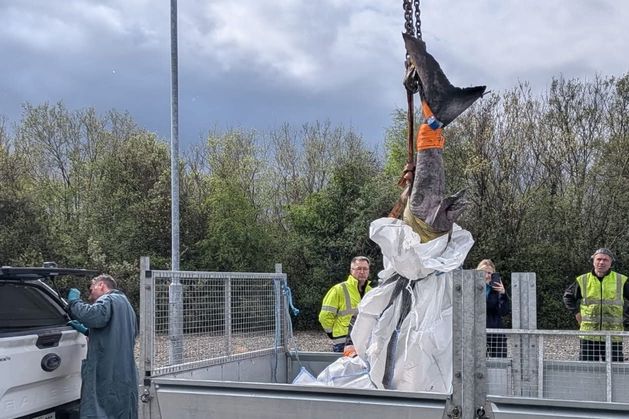
1 month agoMass stranding of whales on Scottish beach caused by loyalty to their pod, report finds
Fifty-five long-finned pilot whales stranded on Isle of Lewis in 2023 died because the pod followed a female experiencing difficult birth, driven by their strong social cohesion and protective behavior.
fromwww.scientificamerican.com
3 weeks agoSee these ziti-sized fish scale a 50-foot waterfall
During major floods, thousands of tiny fish convene at Luvilombo Falls in the upper Congo River Basin to undertake a peculiar vertical migration, described for the first time today in Scientific Reports.
OMG science
UK news
fromwww.independent.co.uk
1 month agoSeals have begun killing and eating dolphins and no-one knows why
Marine experts are investigating unprecedented grey seal attacks on common dolphins along the British coast, with specialists suspecting a single killer family or population may be responsible for the unusual behavior.
fromenglish.elpais.com
2 months agoA jellyfish the size of a school bus: The new scientific discovery in the Argentine Sea
Argentina's deep sea holds more biodiversity than scientists previously thought. An expedition that traveled from the north of Buenos Aires province to Tierra del Fuego, the country's southernmost point, observed the world's largest known Bathelia candida coral reef, worms, sea urchins, snails, anemones, and a specimen that captured the public's attention: a rare phantom jellyfish that can grow as large as a school bus.
Science
Environment
fromwww.theguardian.com
1 month agoChronic ocean heating fuels staggering' loss of marine life, study finds
Chronic ocean warming reduces fish biomass by 7.2% per 0.1°C of seabed warming per decade, with marine heatwaves masking long-term decline through temporary population booms in cold-water regions.
Environment
fromABC7 San Francisco
1 month agoTracking fisherman to track fish: The new technological approach to better understand ocean life
Global Fishing Watch uses AIS transponder data and artificial intelligence to track fishing vessels worldwide, providing unprecedented visibility into global fishing fleet movements and activities.
fromNature
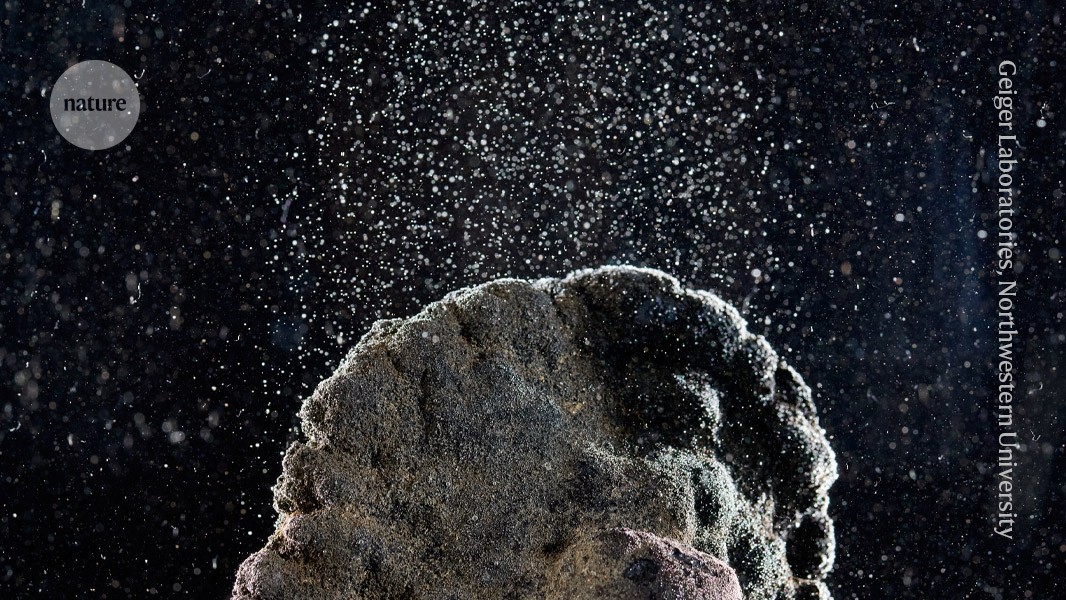
2 months agoWhat were the first animals? The fierce sponge-jelly battle that just won't end
Which animals came first? For more than a century, most evidence suggested that sponges, immobile filter-feeders that lack muscles, neurons and other specialized tissues, were the first animal lineages to emerge. Then, in 2008, a genomic study pointed to a head-scratching rival: dazzling, translucent predators called comb jellies, or ctenophores, with nerves, muscles and other sophisticated features. That single study ignited a debate that has raged for nearly 20 years, sparking fierce arguments about how complexity evolved in animals.
Science
Environment
fromwww.montereyherald.com
2 months agoFinding Sanctuary: Ranking the most wanted kelp forests
Northern California kelp forests have declined dramatically, central California shows patchy loss; small-scale restoration cannot offset losses, requiring prioritization and high-resolution monitoring.
Environment
fromState of the Planet
2 months agoHarnessing AI, Scientists Discover a Rise in Floating Algae Across the Global Ocean
Floating algae blooms have increased globally since about 2008–2010, driven by warming oceans, changing currents, and nutrient pollution, with coastal ecological and economic harms.
fromSFGATE
1 month agoRare footage captures a 'glass' animal deep in Monterey Bay
We've documented sightings of glass squids to better understand the remarkable transformations they undergo from hatchlings to adults. This new observation, captured in ultra high-resolution 4K, allowed us to zoom in on a juvenile likely no bigger than a baby carrot and reveal more details than we have been able to see before.
OMG science
[ Load more ]