#david-white
#david-white
[ follow ]
#contemporary-art #art #art-exhibition #marcel-duchamp #whitney-biennial #photography #art-exhibitions #exhibition



fromHyperallergic
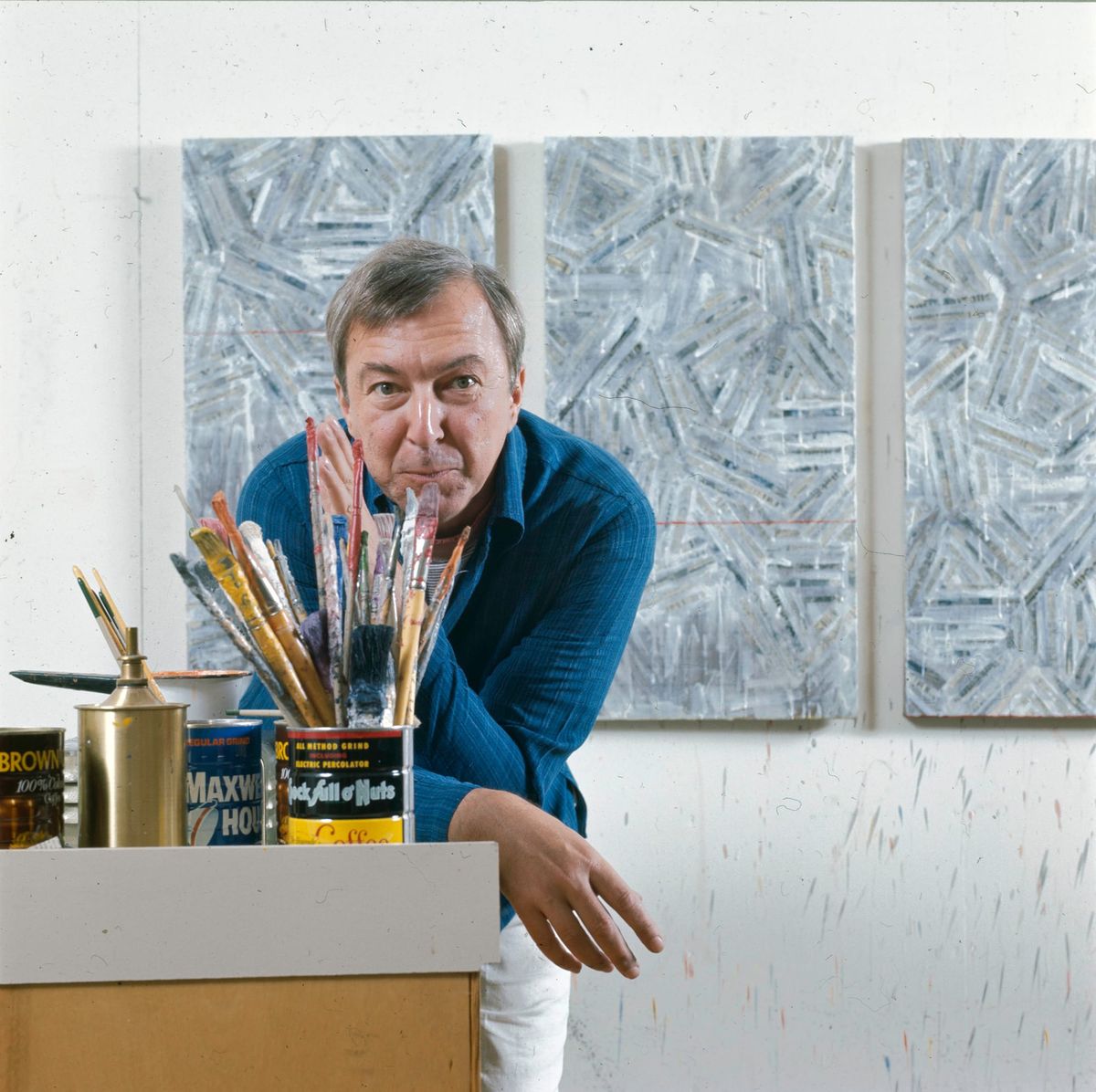
5 days agoDavid Novros's Portable Murals
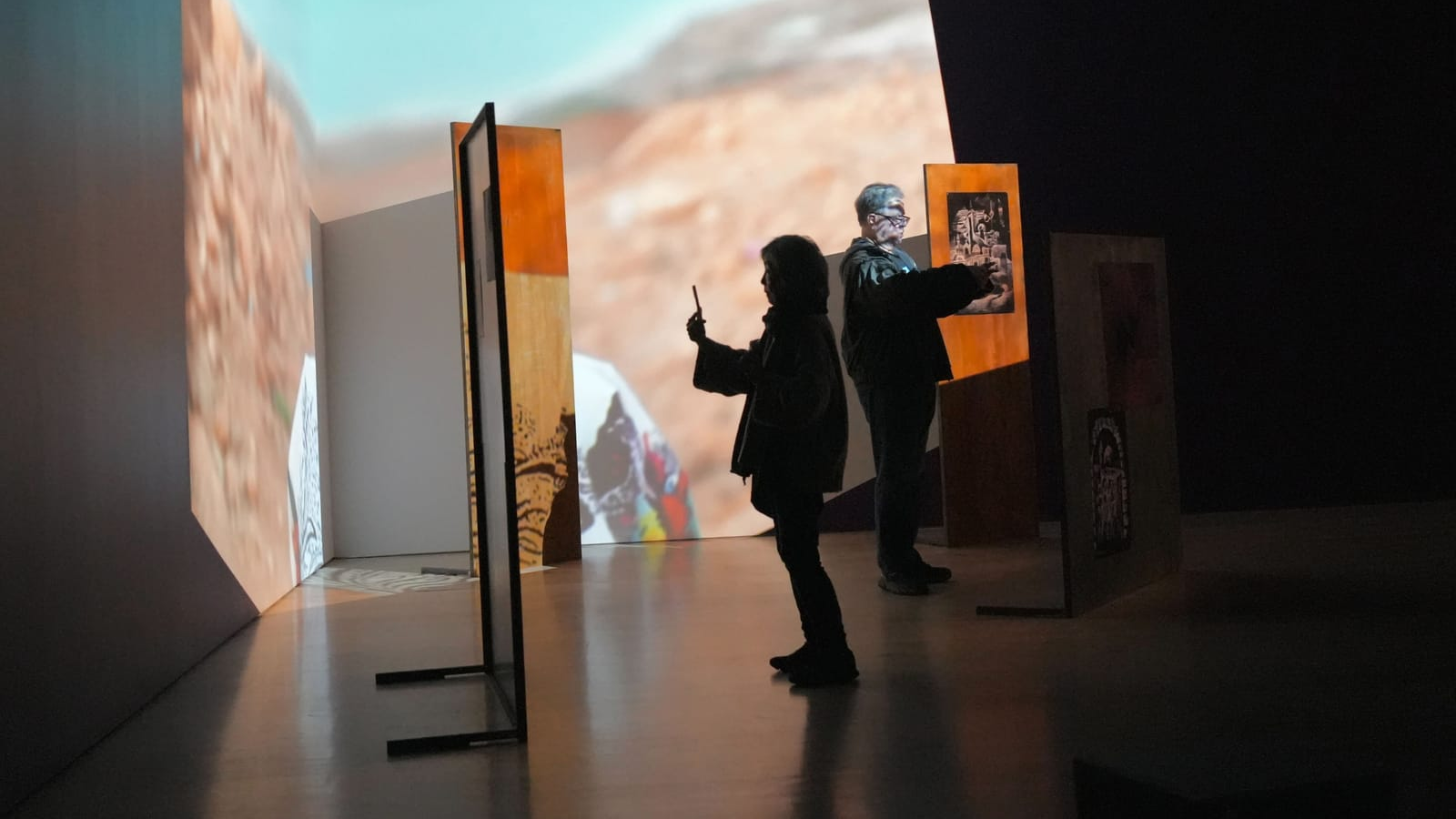
Seeing the Alhambra in Granada was an extraordinary experience for me. It was the first time that I understood painting as something other than an object hanging on a wall. I thought that paintings could be in a fixed place, made for that place, made for the light of the place, experienced kinesthetically.
Arts

Arts
fromwww.theguardian.com
3 weeks agoAbsolutely transformative': Willem de Kooning exhibition uncovers raw intensity of early work
Willem de Kooning's 1948 solo exhibition at Charles Egan Gallery launched his international career, establishing him as a pre-eminent painter by the 1950s through his innovative exploration of figuration and abstraction.
Arts
fromArtnet News
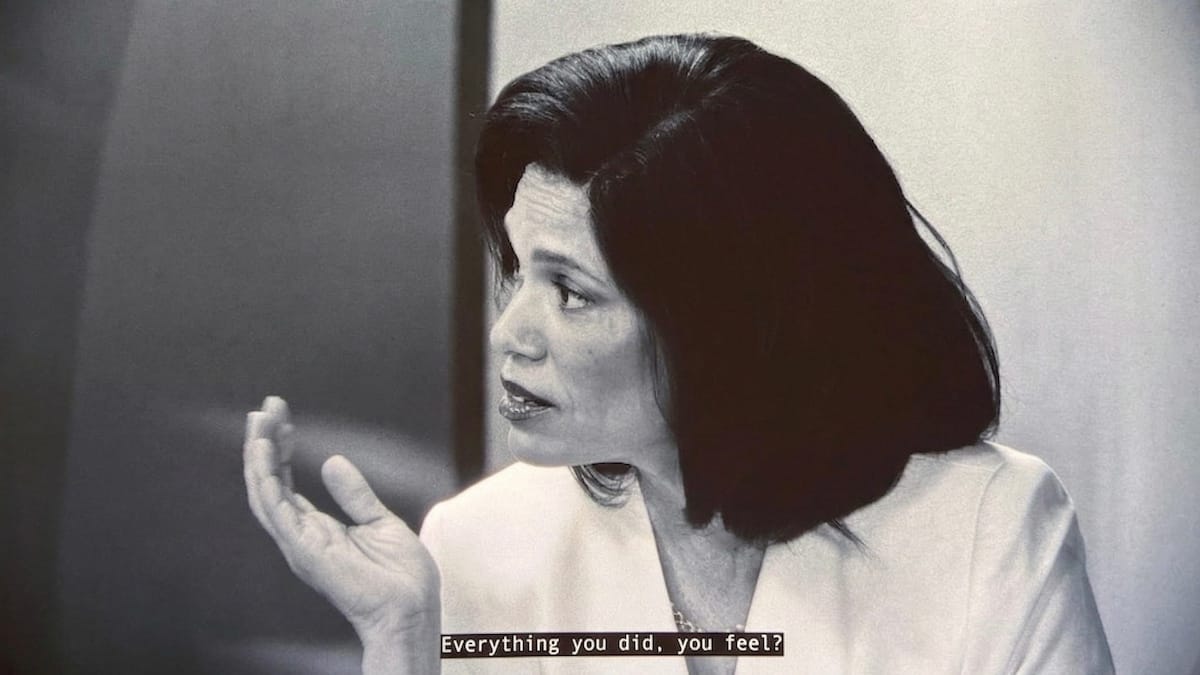
4 weeks agoThe Tensions Seething Beneath the Surface of the 2026 Whitney Biennial | Artnet News
The 2026 Whitney Biennial features diverse artistic approaches, with AI-focused works ranging from ineffective maximalism to emotionally provocative pieces that meaningfully explore technology's impact on artistic expression.
fromHyperallergic
1 month agoArt Problems: How Do I Get Gallery Representation?
Dealers like artists with established sales records because it lowers their already considerable financial exposure. Renting a gallery space in Tribeca costs anywhere between $8,000-30,000 a month on top of staff, marketing, and daily operations. With that kind of overhead, very few business owners can afford to take on the financial risk of untested artists.
Arts
Arts
fromArtnet News
1 month agoBlink and You'll Miss It! 3 New York Shows With Painfully Short Runs | Artnet News
Gallery exhibition runs have lengthened from weeks to five or six weeks due to increased competition and high mounting costs, though a countermovement of brief, limited-time shows is emerging.
fromHyperallergic
1 month agoEmbracing Friction in the Art World
On Franklin Street in Brooklyn's Greenpoint neighborhood, one non-commercial gallery fosters 'a small, stubbornly human space for friction.' Friction—the ubiquitous buzzword that captures the simultaneous delight and discomfort of doing things the slow way—is at the heart of artists Pap Souleye Fall and Char Jeré's current show at Subtitled NYC. It also reflects the overall spirit of this little exhibition space and of a burgeoning movement to reject our culture of optimization in favor of a bumpier, more intimate, less alienating experience.
Arts
fromHyperallergic
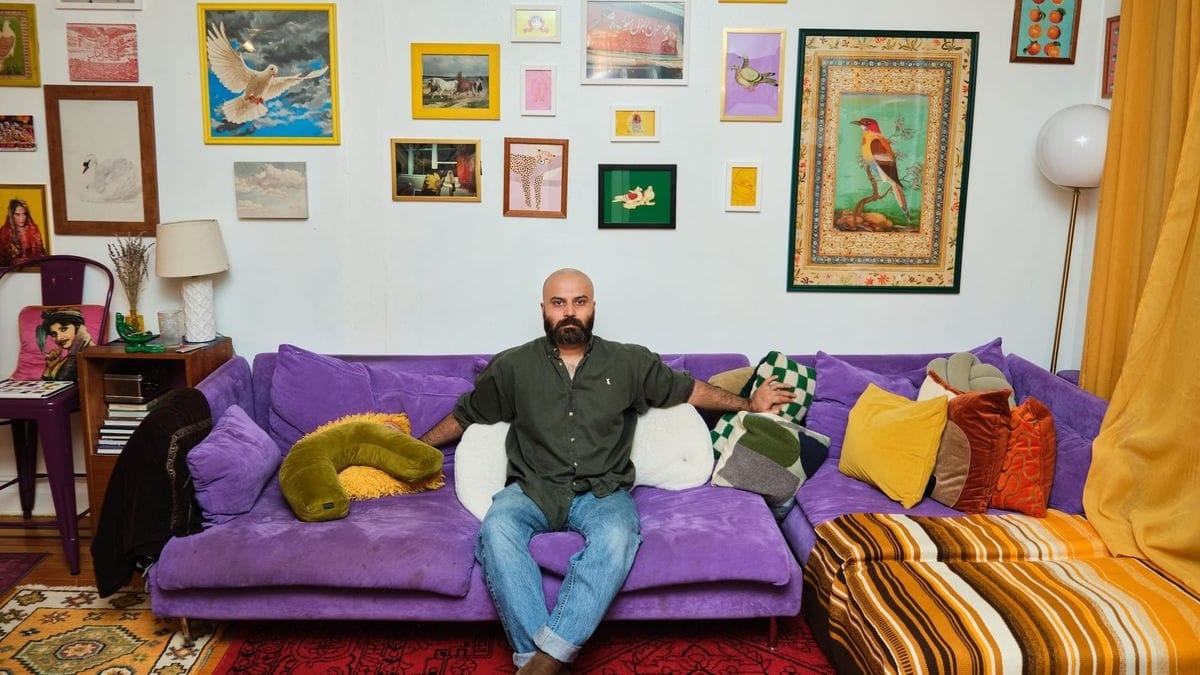
2 months agoA View From the Easel
I work outside, carving and shaping the stone. Outside my house, I have a table, an extension cord, and tools. It's very cold and I have to wear all my winter clothes. When it's too cold, I do the filing and finishing work inside after I shape it outside. I listen to all kinds of music. I listen to Eminem all the time; his albums are all my favorites. For drawings, I work at Kinngait Studios or at home on my kitchen table.
Arts
Arts
fromThe Art Newspaper - International art news and events
2 months agoNew experimental art organisation opens in New York
Summer Guthery and Francesca Sonara launch Times, a small, nimble three-year Manhattan art space prioritizing artists' needs, flexibility, and rejection of perpetual-growth institutional models.
fromHyperallergic
1 month agoThe Sticky Politics of Wall Texts
In 2024, I made a vow to never base my art criticism on wall labels. My decision came after reading reactions to that year's Whitney Biennial. "If every label in 'Even Better Than the Real Thing,' the 81st installment of the Whitney Biennial, were peeled off the walls and tossed into the Hudson, what would happen?" asked Jackson Arn in the New Yorker. (He went on to suggest that the overall show would have been much better.)
Arts
fromHyperallergic
2 months agoA View From the Easel
Mornings are best for concentrated work. In the winter, I turn on the heat at 8am and get started around 10am. Summer, I start around 9am. I have two areas in the studio for projects. The large, heavy wood sculptures are carved in the front section of the studio, closest to the roll-up wide door. Smaller sculptures are placed on a hydraulic workbench. Before I start, I focus, connect with the Source, and ask for guidance.
Arts
[ Load more ]